How long does a roof last in Florida
By Shelly Marchetti, Florida homeowner advocate. Reviewed by Hal Winstead, Editor, licensed roofing contractor. It was a Tuesday afternoon in Cape Coral, and I was standing in a backyard with a homeowner whose roof had started leaking in three places after a spring storm. The roofer she'd hired told her the whole thing needed replacing — twelve hundred square feet of barrel tile that looked fine from the street. I climbed up with him and found the real problem: a valley flashing job that had been done wrong six years earlier. The tiles were fine. The roofer was wrong. She almost paid for a roof she didn't need.
That's why I do what I do. I read the quotes, the contracts, and the denial letters so homeowners don't have to guess. Before you sign anything or give up on a claim, you need to know what you're actually looking at. And if you're shopping around, start with a list of vetted roofing companies in Florida so you're not handing your keys to a stranger with a magnetic sign.
Here's the thing nobody tells you: a roof in Florida doesn't die of old age. It dies of moisture, wind, and bad installation. Sometimes all three at once.
Nobody can give you one number, and here's why
The honest answer to "how long does a roof last in Florida" is: it depends what is under there, how it was put on, and what the wheather did last hurricane season. I have been wrong about this before. A fifteen-year-old architectural shingle roof can look terrible at ten years if the attic ventilation was botched. Meanwhile I've seen twenty-five-year-old tile roofs that only needed a new underlayment and some flashing work.
Call it a spectrum. Asphalt shingles in Florida typically run somewhere in the fifteen-to-twenty-five year range, give or take. Metal roofs last longer, but only if the fasteners and trim were done right. Tile and concrete can last decades longer, but the felt or synthetic underlayment underneath usually quits long before the tile does. So the roof covering isn't really the question. The question is what's holding it together underneath.
And that's where Florida gets mean. Heat cooks shingles from above. Humidity works on the decking from below. Add a Category 2 storm and suddenly the weakest part of the system isn't the shingle — it's the nail pattern or the lack of sealed decking.
The average roof life in Florida is a trap
I hear the phrase "average roof life in florida" alot. Here's my problem with averages: they smooth over the difference between a roof that gets pummeled in the Panhandle and one that sits sheltered in a Central Florida subdivision. Insurance companies and roofers use averages for their own reasons, and neither reason is about your specific house.
A better approach is to look at what the roof is made of, when it was installed, and wether the permit is on file with the local building department. A roof replacement in Florida requires a permit pulled from the local building department, and an inspection. If the work was done right, it's on the record. If someone offers to skip the permit, walk away. An unpermitted roof can complicate an insurance claim and a future sale, and no "deal" is worth that headache.
Also, if the roof was installed after a storm, ask if the work was tied to an insurance claim. There's a whole category of roofs out there that were replaced in a hurry with cheap materials and fast crews. They look new. They are not.
What actually kills a roof first in Florida
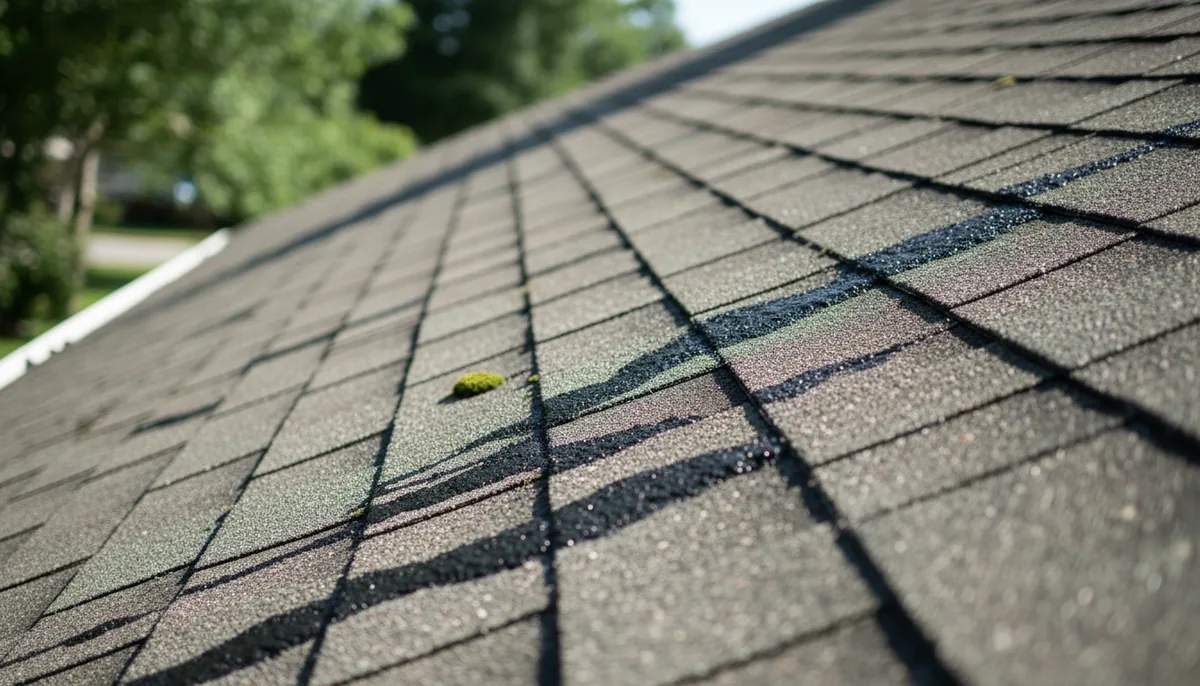
Let's rank the enemies. Heat is slow and relentless. UV rays dry out the asphalt and make shingles brittle, which means they crack instead of flexing when the wind pushes on them. Moisture is sneakier. It gets under a lifted shingle or a cracked nail head and works it's way into the decking, where you can't see it until it shows up as a stain on your ceiling. And wind is the one that finishes the job. A strong storm doesn't need to hit the whole roof, just the weakest section, and once that seam opens up, water finds every opening below it.
What I would actually do: Before you call a roofer, go into your attic during the next hard rain and look for daylight. If you see light coming through the decking, you have a breach. If you don't, and the soffit is dry, take a breath. Not every leak means a total replacement.
Then there's the age of the home itself. Older Florida homes often have roof decks that weren't designed for the wind loads we now expect. That's not something a visual inspection can tell you. It's something a structural check can. A good roofer will look, but a great roofer will ask questions about the original construction.
Why your insurance company cares more than you think
Florida insurance is its own beast. After SB 4-D (2022), the rules around roof claims and assignments of benefits changed significantly. I'm not a lawyer or a licensed adjuster, so I won't pretend to interpret every line, but I can tell you what I see in the field. Insurers now look hard at the age and condition of a roof before they write a policy. If your roof is old, you might face higher premiums or a requirement to replace it before coverage is issued.
The other change is the shared responsibility the state has placed on policyholders. Florida Statute 627.70132 is the one that requires you to maintain your roof in good condition and to have it inspected if you're making a claim. What that means in practice: you can't wait until the rain is coming through the ceiling and expect full coverage for a brand-new roof. You have to show you kept it up.
Here's the good news. A wind mitigation inspection documents your roof covering, roof deck attachment, roof-to-wall connection, roof geometry, secondary water resistance, and opening protection. Florida insurers must offer premium discounts for qualifying features. The inspection form is OIR-B1-1802. It typically costs far less than the annual discount it can open up, so it's one of the only home expenses I tell people to do even if they're not making a claim.
What I would actually do: Ask your agent if your current policy reflects a wind mitigation discount. If they don't know, get the inspection done. The form is standard, the inspector sends it to your insurer, and you might save money every year from that point on. Yes, it's worth it. Yes, even if you just replaced your roof.

How to read your own roof quote like you mean it
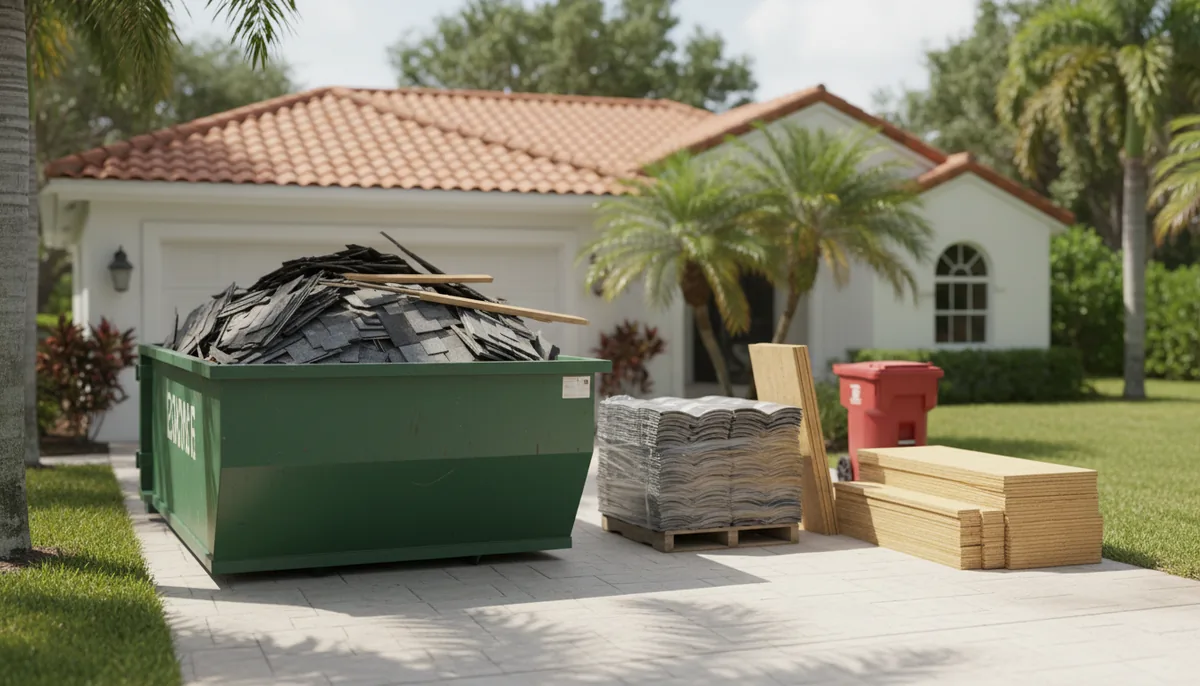
When a roofer hands you a quote, most people skip to the bottom line. Don't. Read the line items. Look for the manufacturer name, the shingle style, and the warranty terms. Look for what happens to the old roof — who hauls it off and where it goes. Look for the permit line. If it doesn't mention a permit, ask why.
A quote should include the roof replacement permit from the local building department and an inspection. If a contractor offers to skip it, walk away. Unpermitted roofs have a way of resurfacing at the worst possible moment. And when you're comparing quotes, remember that the roofer with the lowest number isn't doing you a favor. They're just bidding differently.
Check their licence while you're at it. Florida roofing contractors are licensed by the Department of Business and Professional Regulation. A certified roofing contractor has a licence begining with CCC and can work anywhere in the state. A registered roofing contractor has a licence beginning with RC and can only work in the local jurisdiction that licensed them. Verify the number is active before you hire. The directory does this against the DBPR roll, but you should personally check too. It takes two minutes and it could save you a nightmare.
When the storm is coming, don't be that person
I had a customer once who called me in a panic the afternoon before a named storm was supposed to hit. He'd hired a guy to install a whole new roof in two days. The guy showed up with no permit, no dumpster, and one pickup truck full of shingles. I told him to fire the guy. He looked at me like I'd lost my mind. The storm passed us by, but his marriage to that contractor didn't last — he never got his deposit back.
Don't be that person. Roofing is not an emergency purchase. It's a planned one. And if you're in a true emergency because of a storm, that's exactly when the unlicensed solicitors come out of the woodwork. They'll knock on your door, offer to inspect your roof for free, and then tell you your entire roof is condemned. Get a second opinion before you sign anything.
Citizens Property Insurance Corporation, the state's insurer of last resort, has its own standards for roof condition and replacement. If you're with Citizens and you're filing a claim, read their requirements and make sure the inspection and documentation matches what they ask for. A denial letter isn't the end of the road. It's a list of what you need to fix, and sometimes that's just a paperwork problem.
The My Safe Florida Home program is another tool worth knowing about. It offers free wind inspections for eligible homeowners and can help you identify weaknesses before the next storm finds them. That's the kind of proactive step that makes the difference between a claim that's approved and one that's denied.
Questions I get asked
Does a new roof really lower my insurance premium?
Usually, yes, if it qualifies under the current wind mitigation rules. The discount comes through the OIR-B1-1802 form that your inspector submits. But it depends on your specific insurer and policy, so read your declarations page. A new roof alone isn't a guarantee.
What's the difference between a certified and registered roofing contractor?
A certified contractor's licence starts with CCC and lets them work anywhere in Florida. A registered contractor's licence starts with RC and is limited to the local jurisdiction that issued it. Always verify the licence number is active on the DBPR roll before hiring.
Should I get a wind mitigation inspection even if I'm not filing a claim?
Yes. It documents features like roof deck attachment, roof-to-wall connection, and opening protection, and insurers must offer discounts for qualifying features. The inspection usually costs less than the annual discount it unlocks, so it pays for itself pretty fast.
How do I know if my roof actually needs replacing?
Look for missing granules, cracked shingles, daylight in the attic, and stains on the ceiling. But don't rely on your own eyes alone. Get a licensed roofer's opinion and, if the cost is high, a second opinion from an independent inspector. A leaking roof doesn't always mean a dead one, and an old roof isn't always an emergency.
What should I do if my insurance claim is denied?
Read the denial letter carefully. It will tell you why the claim was denied. Then check your policy declarations page to see what your coverage actually includes. Coverage varies by policy, so don't assume anything. If you think the denial is wrong, you have the right to appeal within the timeframe your policy describes.