
Best roof material for Florida
By Bud Kettering, Roof consultant and inspector. Reviewed by Hal Winstead, Editor, licensed roofing contractor.
The afternoon sun was cooking the shingles on a house in Cape Coral when I popped the hatch into the attic and found the real story. The roof was only eight years old, architectural shingles by a big-name brand, and the homeowner had called me because a plug of water had stained the dining room ceiling. I got up there with my torch and moisture meter, and the deck was black with rot in the valleys. The shingles looked fine from the curb. That’s the trap. The best roof material for Florida has to survive the summer sun, a sideways hurricane, and a building code that gets rewritten every time a major storm laughs at the old rules. I’ve crawled under alot of them, and I’ll tell you what I tell the buyers and sellers who hire me—before you even get to material, you need to be sure your contractor is legitimate. That means checking the DBPR roll for a valid license, because those numbers matter. If you’re starting from scratch, the roofing companies in Florida listed here are a good first stop, but you still verify the license against the state roll yourself.
People ask me for a single answer on the best type of roof for Florida, and then they get annoyed when I don’t give them one. Because it depends. It depends on your budget, your house’s shape, what the wind load calculation says, and what’s already under there. A flat commercial roof is a different animal than a steep gable on a two-story. But there are some hard truths that apply to almost every home in this state, and I’m going to walk you through them.
Let’s get one thing straight right up front. The material matters, sure. But the installation matters twice as much. I’ve seen a million-dollar tile roof leak because the underlayment was lapped wrong in a valley. I’ve seen a basic shingle roof hold up to a Category 2 because the roofer actually nailed the field and the hips with the right pattern. You can’t buy your way out of bad workmanship. That’s not me being cute, that’s me being in your attic after a storm. I’ve been wrong about this before, and I’ll be wrong again, but I’m not wrong about this.
So what’s actually the best roofing material for Florida?
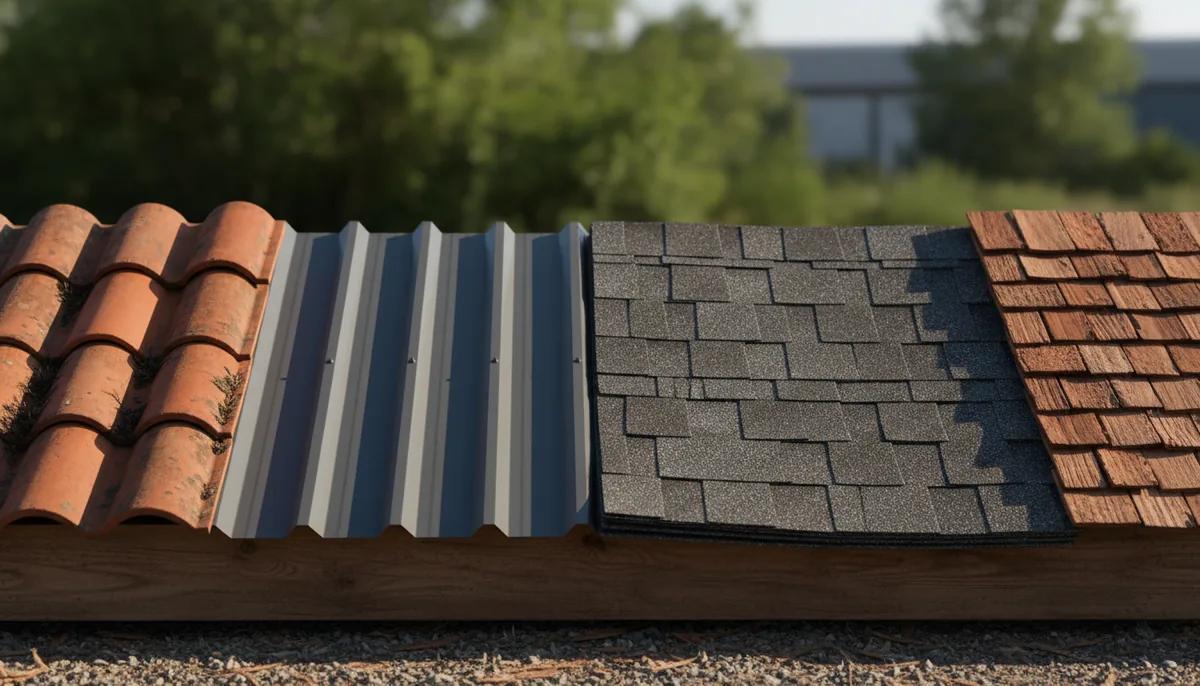
If you pressed me for a workhorse answer, I’d tell you that for a typical sloped residential roof, a good standing-seam metal system and a high-quality architectural shingle are both reasonable options, and so is a properly installed clay or concrete tile. But they all have different jobs. The metal roof is going to handle the wind better than most, because the panels are long and the fasteners are hidden or screwed down tight. It also sheds water like a duck and doesn’t give a flying squirrel anything to chew. But it’s loud when it rains, unless you’ve got solid decking and good insulation under it, and it dents if hail comes through, which happens more than people think in Florida. And metal expands and contracts like crazy in this heat. If the installer doesn’t account for that at the seams and the clips, you get oil-canning and popped fasteners. It ain’t a miracle, it’s a system.
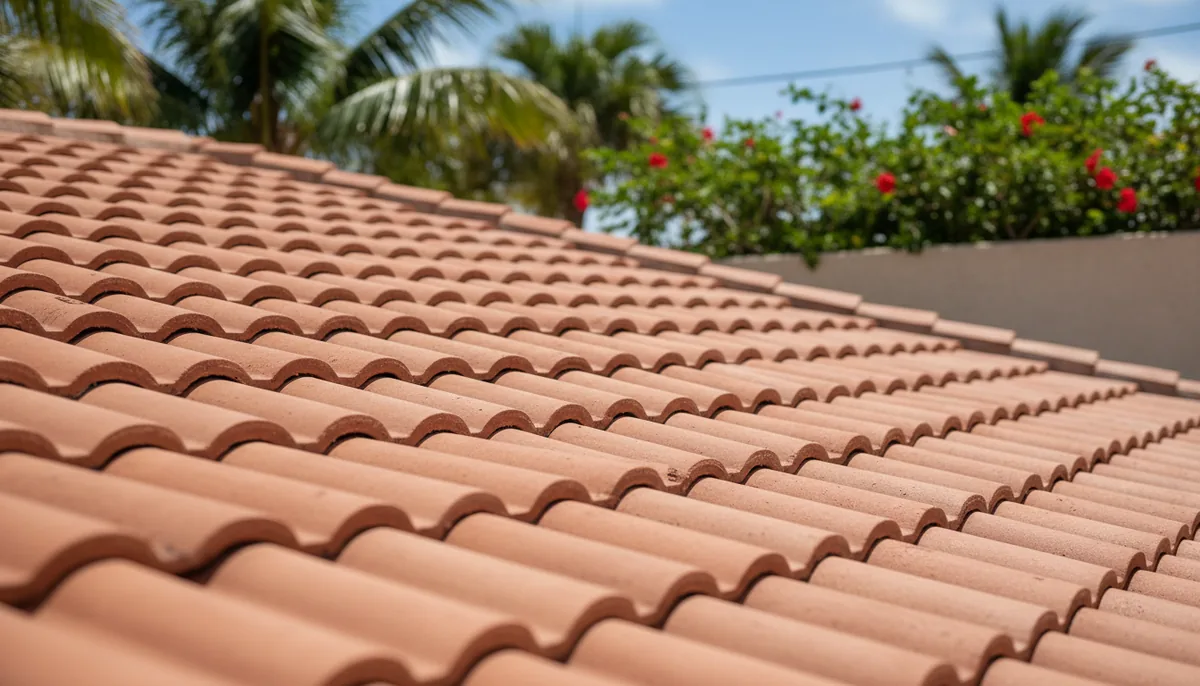
Tile is gorgeous. I love the way a barrel tile roof looks on a Spanish colonial. But tile is heavy, and it breaks. A single tree limb can crack a few tiles, and the real problem is what happens underneath when the tile fails. The old-school method was to install tile over a gap, and if a tile cracked, the water had a free run to the deck. Modern installs use a continuous underlayment system, which is better, but you’re still relying on that underlayment to be perfect. Also, walking on tile is a nightmare, and I’ve broken more tiles with my own boots than I care to admit.
Shingles are the default for a reason. They’re affordable, they’re replaceable, you can repair them, and modern architectural shingles actually have a decent wind rating. The problem is the Florida sun turns them into a brittle mess faster than you’d like, especially on a roof with bad ventilation. I’ve seen ten-year-old shingles on a poorly vented attic that looked like they were fifty. The shingle itself isn’t the best type of roof for Florida if you’re planning to live in the house for thirty years. But if you’re selling in five and want to pass inspection, it’s a fine economic choice. Just understand the trade.
What I would actually do: If the budget allows and the house can support it, I’d put a standing-seam metal roof over high-quality underlayment on a steep-slope home. If the budget is tight, I’d install a premium architectural shingle and make absolutely sure the attic is vented properly. That ventilation is cheaper than a new deck in year twelve.
Why the "flatter is better" idea is a myth in Florida
You’d think a low-slope roof would be easier. Less surface area, less wind grab, less material. But flat and low-slope roofs in Florida are where I make a good living. Because they don’t drain. Water sits on a flat roof, and if there’s even a slight ponding issue, you get standing water that eats the membrane and eventually the substrate. And in a driving rain with wind, water can blow uphill and under the laps of certain systems. A steep roof gives gravity a head start. I always tell people: give the water a place to run out of town fast. A 6/12 pitch or steeper with a good metal or shingle system is just easier to keep dry than a 1/12 pitch. But I also inspect plenty of real Florida homes with flat roofs on purpose, and they’re fine when they’re built right with a TPO or modified bitumen membrane. Just know that your flat roof will need maintenance more often. There’s no such thing as a zero-maintenance roof, no matter what anyone sells you.
The real best type of roof for Florida is a permitted one
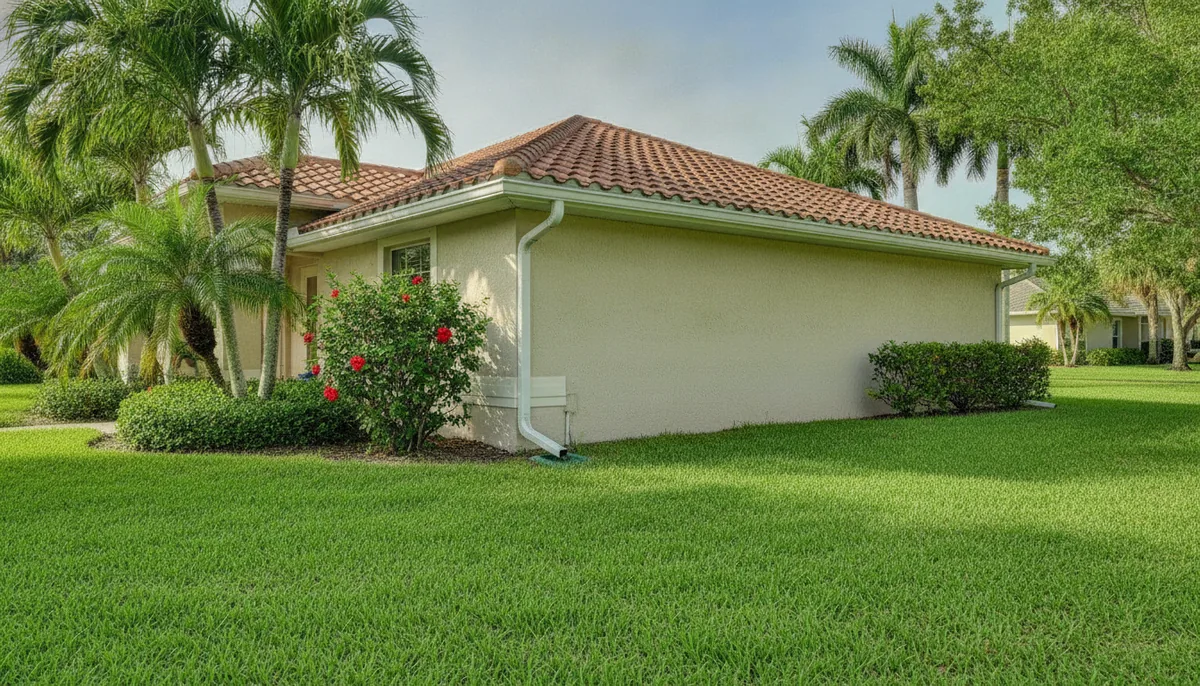
This is where I get on my soapbox. A bad roof installed by a fly-by-night guy is bad. But a good roof installed without a permit is a bureaucratic nightmare. Florida roofing contractors are licensed by the Department of Business and Professional Regulation, and you need to verify that number is active. A certified contractor has a license starting with CCC and can work anywhere in the state. A registered contractor has an RC prefix and can only work in the county that licensed them. I’ve seen homeowners hire an RC contractor two counties away because they got a cheap bid, and then the local building department flags the permit. And a permit—you need one. Every roof replacement in Florida requires a permit from the local building department and an inspection. If a contractor offers to skip it to save you the fee, that’s your cue to walk. An unpermitted roof is like a title with a lien on it. It complicates an insurance claim and it scares away buyers. I had a client in Tampa last year who bought a house with a beautifull new roof that was never permitted. The insurer asked for proof of the permit during the binding process, and the whole deal nearly fell apart.
Also, a roof replacement is the perfect time to think about the wind mitigation inspection. That inspection documents six specific things about your roof: the roof covering, the roof deck attachment, the roof-to-wall connections, the roof geometry, the secondary water resistance, and the opening protection. The standard form is OIR-B1-1802. And here’s the kicker. Florida insurance companies have to offer you a discount if your roof qualifies for certain features on that form. The inspection costs maybe a hundred bucks, and I’ve seen it open up annual savings that paid for it in the first year. So don’t skip it. Tell your roofer you want it, and make sure they install the clips and the ring shank nails that give you the points.
What I would actually do: Before I signed a contract, I would ask the roofer to include the cost and completion of a wind mitigation inspection in their scope of work. Then I’d take that completed form to my insurance agent myself and make sure they applied the credit.
Clay, concrete, and the crawl through the attic I do every week
For what it’s worth, the classic Florida barrel tile is concrete, not clay, and heavy as sin. A lot of homeowners love it and a lot of insurers were scared of it for a while, especially after some high-profile hail events and installation failures where the tile pulled up like a row of bad teeth. The state’s insurer of last resort, Citizens Property Insurance Corporation, has had a lot to say about roof condition and age in recent years, and they’ve been pushing for stricter rules. The laws changed after SB 4-D (2022), tied to Florida Statute 627.70132, which has shifted how old roofs are treated by insurers. I’m not an adjuster and I don’t pretend to be one, but I can tell you this: your insurance company cares a lot more about the roof’s age and installation quality than I care about the brand of the shingle.
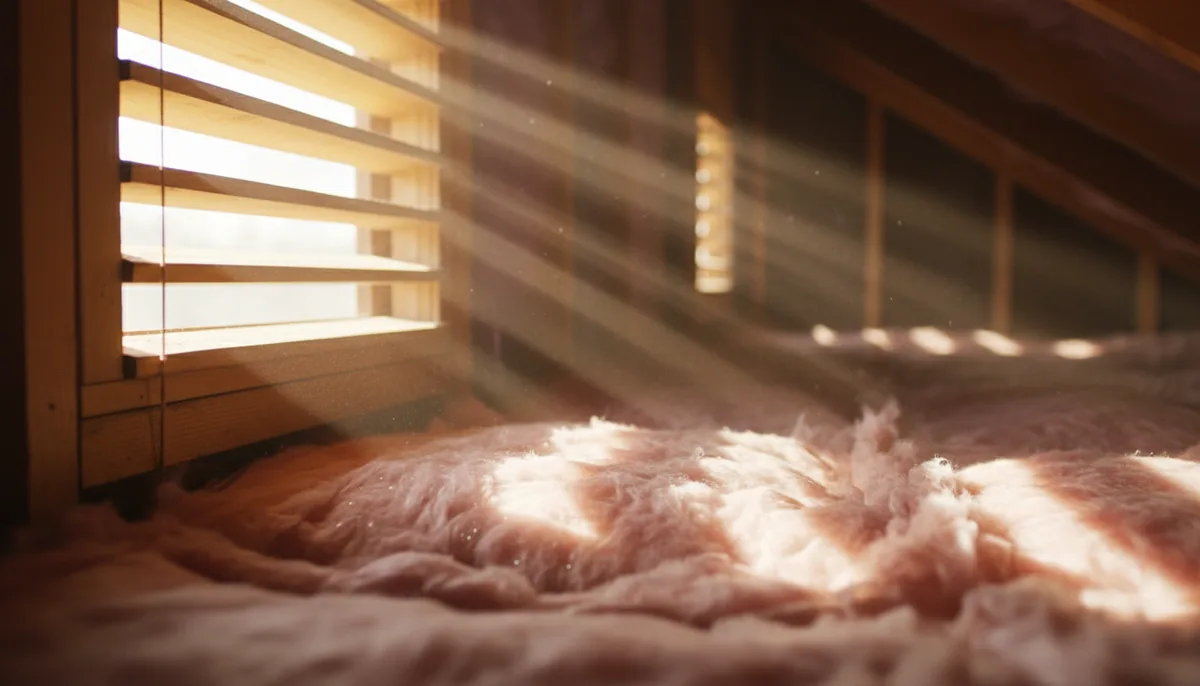
I spend my days in Florida attics with a torch and a moisture meter. It’s hot, it’s dirty, and it’s usually full of something that doesn’t belong there. The insulation is itchy, the rat droppings are plentiful, and the heat in July is oppressive. But that’s where the truth lives. A beautiful roof from the driveway can be hiding a deck that’s delaminating and underlayment that’s literally powdering apart. And I say this with love, but some of you are doing things in that attic that make my head spin. I had a man in Ocala who had stored his hunting trophies up there—mounted deer heads all lined up along the ridge. They were watching me work. I nearly dropped my meter on a ten-point buck. But that’s the job. I inspect the structure, not the home decor.
So what do I actually recommend for your specific house?
This is the part where I sound like an insurance salesman, but I promise I’m not. I want you to think about the roof life cycle. If you’re putting on a new roof, you are making a bet on how long you’ll live in the house and what the next storm will bring. A metal roof might last forty years and survive a hurricane. A shingle roof might last fifteen to twenty and need replacement sooner. The question isn’t just what’s the best type of roof for Florida, it’s what’s the best type of roof for your Florida. And the rest of the system matters—the deck needs to be the right thickness, the nails need to bite into the framing, the flashing around the chimney and the skylights has to be absolutely impeccable. A roofer who doesn’t take the time to replace the step flashing on a gable end is a roofer who doesn’t care about you.
And I of to mention that some insurance companies are getting picky about roof age. If the roof is older than fifteen years, they might not renew your policy, or they might give you a lower payout on a claim based on depreciation. That’s what the new rules are about. You cannot control what your specific policy says—go read your declarations page and understand what you have. I can’t tell you what your policy covers because coverage varies, and it’s my job to keep my mouth shut about things I’m not licensed to know. What I can tell you is that a new roof, properly installed and with a wind mitigation form completed, is one of the best few investments you can make for your home’s resilience.
Questions I get asked
Is metal or shingle better for a hurricane?
In my experiance, a properly installed standing-seam metal roof handles hurricane-force winds better than a shingle roof. The long panels, continuous fastening, and interlocking seams give the wind less to grab. Shingles can tear off if the wind gets under the edge, especially if the installation wasn’t perfect. But I’ve seen metal roofs fail at the gable end because the trim wasn’t secured properly. It’s always the connection points that fail.
How long does a Florida roof actually last?
That depends on material, ventilation, and how a roof was installed. A good metal roof can last forty years, tile can live as long as you’re willing to repair it, and architectural shingles might give you twenty years in the Florida sun. But a poor installation can cut any of those numbers in half. I have been wrong about this before, but I have never seen a shingle roof “last thirty years” in South Florida without significant repair. The sun is brutal.
Should I get a My Safe Florida Home grant?
If you qualify, sure, you should look into it. My Safe Florida Home is a state program that provides a free wind mitigation inspection and can offer grants for certain improvements, including roof replacement, to help tighten your home against storms. I’m not a program administrator and I can’t speak to their current funding, but it’s worth looking into before you spend your own money.
Can I just put a new roof over my old one?
Florida is weird about this. You can have one layer of re-roof over an asphalt shingle roof only if the first roof is in good structural shape, and local amendments often restrict it further. But I would advise against it unless you’re certain the old deck is dry. The second layer traps heat and hides moisture movement, and you will never see the deck rot until it collapses under the new roof’s weight. I don’t carry a magic wand. I carry a moisture meter.
What’s the most important question to ask my roofer?
Ask them how they attach the deck sheathing and what kind of nails they use. A roofer should be able to answer that instantly. If they talk only about the shingle brand or the underlayment warranty, they’re thinking about selling you a roof, not building a roof system. And always ask to see their state license, and verify it on the DBPR website before you sign anything.
I’ve been doing this for a long time, and I still get shocked by what people think will work in Florida wheather. The sun, the heat, the humidity, and the flying debris—it’s a punishing environment. There is no magic material that will make you ambivalent about a storm. There are only good systems, put together by careful people, checked by a guy like me who complains about the heat for a living but still loves the hunt for the leak. You do your due diligence, you verify the license, pull the permit, and you buy the best material your budget honestly allows. Then you sleep a little easier when the wind picks up off the Gulf. I’ll still be in your attic tomorrow.