How much does a metal roof cost in Florida
By Bud Kettering, Roof consultant and inspector. Reviewed by Hal Winstead, Editor, licensed roofing contractor.
You ever climb into a Cape Coral attic on a July afternoon and feel the air get heavy before you even find the trusses? I did that last month. The homeowner had a brand-new standing seam roof, paid for and proud of it. But the ridge vent was installed backwards, so the whole attic system was pulling damp air in and pushing conditioned air out. Not a cheap problem. I stood there with my moisture meter and thought: this is why people need to know what they're actualy buying before they pick one of these metal roofing companies in Florida.
People ask me all the time, usually with a number already in their head from a friend of a friend. What does a metal roof cost in Florida? I inspect roofs for a living, so I see the receipts and the screw-ups. Let me tell you what I of learned. I have been wrong about this before, and I will be wrong again, but I have pulled enough apart to see what drives the price.
A metal roof is not one product, it is a family of products with wildly different price tags. And the worst reason to buy one is because you heard they "last forever." So do cast iron. Doesn't mean you want it over your head.
How much is a metal roof in florida, then?
I used to tell buyers to expect a metal roof to run two to three times what a good asphalt shingle roof would cost. That comparison still holds. The trouble is that includes everything from a basic exposed-fastener panel to a top-end standing seam system with a hidden clip and a 40-year finish.
Priced per square is how you will actually get a bid. A "square" in roofing is 100 square feet. Metal roofs in Florida usually get quoted by the square, and the number depends on what is under there, the shape of your roof, where you live, and which metal you picked. The same house can get two proposals a mile apart when one roofer is quoting a U-value and the other is just quoting a color.
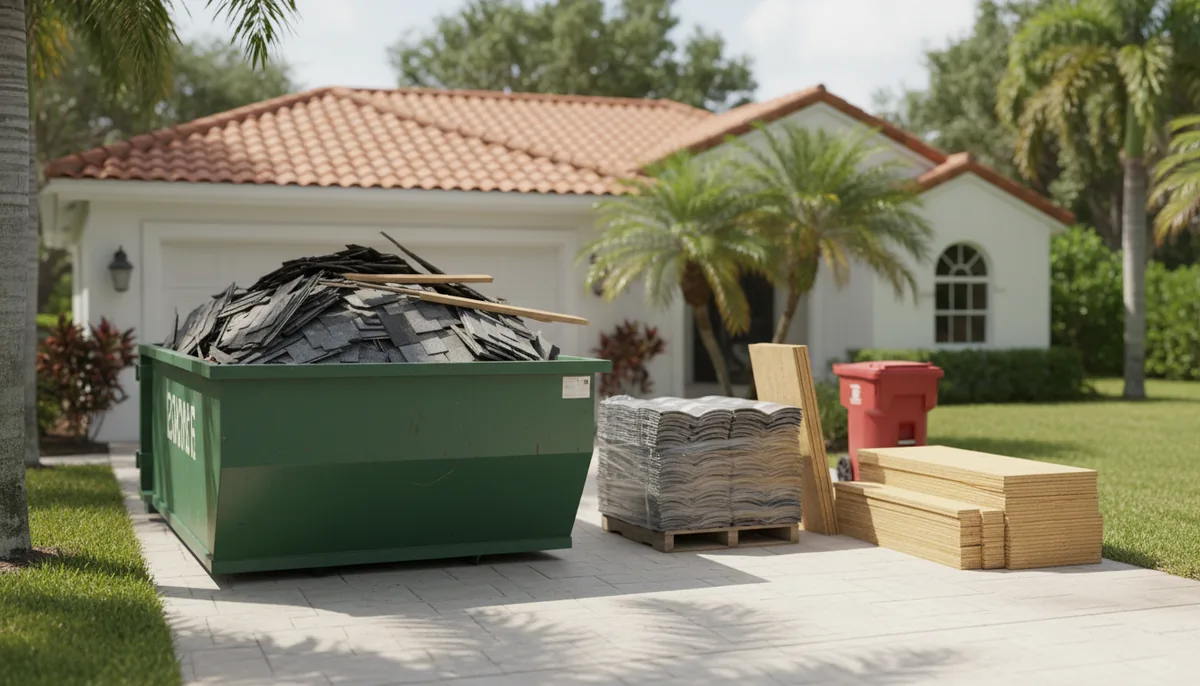
And here is the part nobody likes. If your old roof needs to come off first, that is more labor. If your plywood decking is rotted around a vent pipe, that is more material. If you have three stories of scaffolding over a pool, that is more trip charge than the same roof one story up. The quote is not just for the metal. It is for the whole job, and the job changes once you open it up.

What actually moves the metal roof price florida?
Two roofers can stand in your yard and bid the same roof twenty percent apart because one of them counted a steep pitch that needs special harness gear, or a hip-and-valley layout that wastes sheet metal, or a 4:12 slope that is safely walkable versus a 10:12 that is not. Pitch and access are the two things I look at first.
Then comes the metal itself. A thinner 26-gauge steel panel costs less than thicker 24-gauge. A bare galvanized panel costs less than a coated Kynar finish. Copper is a whole different animal. Aluminum is common near the coast because it does not corrode in salt air the way steel can. Each choice moves the metal roofing prices in Florida in a different direction.
Installation labor is the part people underestimate. A good metal roof is leak-tight because of the details at the ridge, the rake, the chimney, the valley, and the wall flashings. Those details are time. And time is the biggest line item on any bid. I have inspected a $30,000 metal roof that leaked at the valley and a $12,000 one that was dry for a decade. The difference was not the panel. It was who folded the metal at the seams.

Go with standing seam if you want the insurance discount
The Florida insurance market has changed what people ask me. Everyone wants a wind mitigation discount. A roof with properly installed metal panels can get you a better rating on what is called form OIR-B1-1802. That form is the standard insurance inspection checklist.
Now I have to give you the honest trade talk. A metal roof can earn a high wind rating only if the actual installation matches what the form asks. A roofer can install a perfectly good metal roof that does not qualify for the best credit because the deck attachment was not reinforced or the roof-to-wall connections were not strapped. The metal is only part of the package. The roof deck and the frame underneath are what hold the whole thing down. Insurers weigh that heavily. You can spend a fortune on metal and still see a modest discount if the framing was built to old standards. There is a program in Florida called My Safe Florida Home that helps homeowners with wind mitigation work, but eligibility changes, so check what is active before you plan around it.
What I would actually do: before you choose a metal product, ask your roofer how the proposed install would score on the OIR-B1-1802 form. If they cannot answer, that is not necessarily a bad roofer. But it means you need to ask an inspector to look before you lock in the contract. The inspection costs far less than the annual discount it can open up, and once it is documented, you get to keep using it.

A metal roof needs to be on the right deck
This is where I sound like a grumpy old man, and I accept that. I have crawled throught too many Florida attics to trust a one-size-fits-all claim about metal roofs. The metal is tough. The structure underneath may not be.
A metal roof replacement in Florida often goes over an existing shingle roof. Some contractors will happily strap over the old layer and screw new metal into it. That can work. But it can also hide rot and make future leaks slow and expensive to find. I once took a moisture meter to a Naples roof where water was running a foot along a flat seam before it ever dripped onto the ceiling. The owner thought the leak was near a window. It started at a missing screw grommet.
Your roof deck has to be in good shape. The insulation has to be dry. The vents have to be sized for the attic, not just decorative. You can spend $45,000 on a gorgeous metal roof and cook your rafters in five years if you starved the attic of intake vent. I have seen that exact scenario play out more than once.
SB 4-D and the paper trail you can't skip
You have probably heard that Florida passed a law after the 2022 hurricane season to entice more insurers into the market. That is SB 4-D (2022). One thing it did was let insurers require roofs older than 15 years to be replaced before they write a new policy. That is not exactly what the law says in every situation, but it is close, and it is why so many homeowners are calling me. They need a new roof to keep their coverage, and they want metal so they never have to do this again in their lifetime.
That is understandable. But do not let that urgency make you skip the permit. A roof replacement in Florida requires a permit pulled from the local building department, and an inspection. A contractor who offers to skip the permit is a contractor to walk away from. An unpermitted roof can complicate an insurance claim and a future sale. I have inspected six-year-old metal roofs that were installed without a permit. When the homeowner tried to sell, the buyer's lender balked. Nobody wants to buy a property with an unrecorded roof.
The legal stuff matters. Florida roofing contractors are licensed by the Department of Business and Professional Regulation. A certified roofing contractor holds a licence begining with the letters CCC and may work anywhere in the state. A registered roofing contractor holds a licence beginning with RC and may only work in the local jurisdiction that licensed them. Always verify the number is active before hiring. A metal roof is a 40-year decision. Spend ten minutes on the DBPR roll first.
What I would actually do: ask the roofer for their full legal name and their licence number, then verify it on the DBPR website before you sign anything. If it begins with RC, ask which jurisdiction issued it and make sure that is where your house is. And if anyone says "we don't need a permit because it's a roof replacement," that is the end of the conversation. Walk.
Questions I get asked
How much is a new metal roof in Florida on a typical home?
A typical tract home is priced per square, and the total will land well above what the same home costs in architectural shingles. The exact number depends on pitch, access, deck condition, and panel type. I cannot hand you a statewide average because the state is too big and the jobs too different. Get three itemized bids from companies that actively pull Florida permits and compare the line items, not just the bottom line.
Is a metal roof worth the extra money in Florida?
For many coastal homeowners, yes. It handles salt air far better than shingles if you choose aluminum or a quality coated steel. It is also more likely to survive high winds when the framing underneath is properly connected. But it is only worth the money if the installation is right. A bad metal roof can leak sooner than a good shingle roof. I have seen both. The roof is only as good as the guy with the brake and the screw gun.
Will my insurance company lower my premium if I install a metal roof?
It can. Florida insurers must offer premium discounts for qualifying features documented on the OIR-B1-1802 form. But note the word "qualifying." A metal roof alone does not guarantee the best credit. The roof deck attachment and the roof-to-wall connection matter just as much. Coverage varies by policy. Read your declarations page and ask your agent what your specific plan rewards.
What does wind mitigation inspection cost and is it worth it?
Typically the inspection costs far less than the annual discount it can open up, so it usually pays for itself in the first year. The inspector documents the roof covering, the deck attachment, the roof-to-wall connection, the geometry of the roof, and the opening protection. That documentation is what you hand to your insurance company. A metal roof with good framing can score very well. But you have to know before the roof is installed what the framing looks like, because once the deck is covered, nobody can see it.
Should I let a roofer talk me into a metal roof over my old shingles?
I have seen that done successfully, and I have seen it done badly. The concern is that the old deck might be wet or rotten, and the metal roof will hide that until it becomes structural. If your roofer will guarantee the condition of the deck in writing and show you photos of the inspection they did before covering it up, then you can consider it. Otherwise, tear off and start clean. Leave the guesswork to inspectors who carry a moisture meter, not to the person who is getting paid by the square.