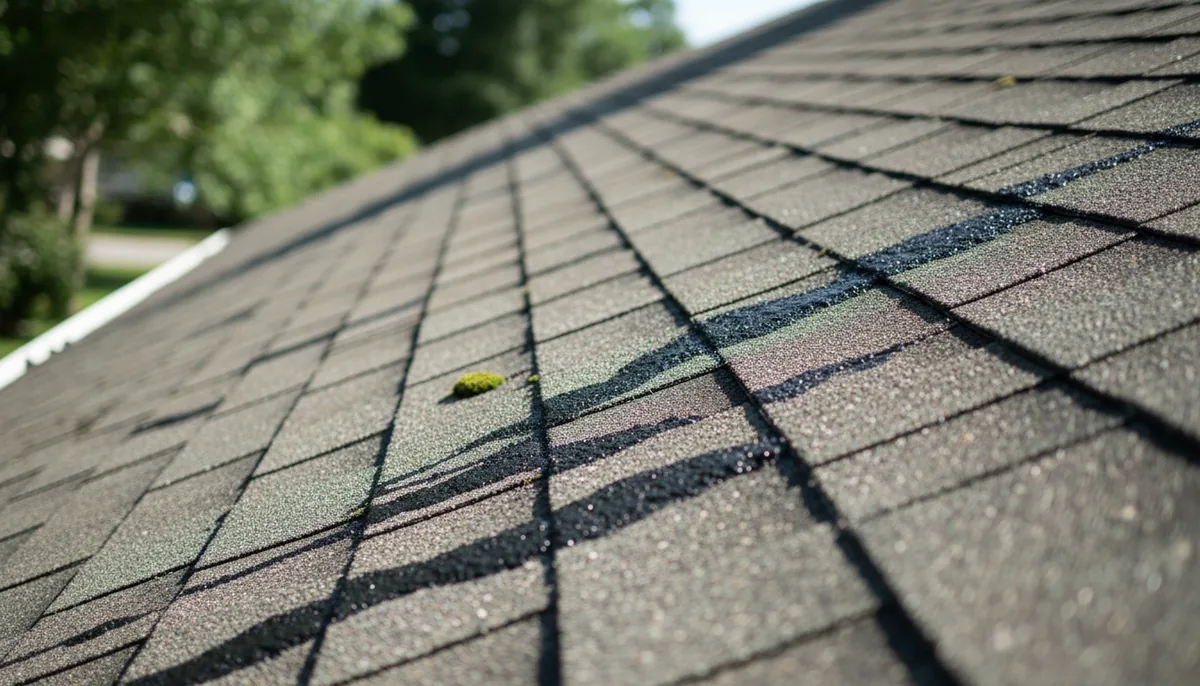
Best roof underlayment for Florida
By Shelly Marchetti, Florida homeowner advocate. Reviewed by Hal Winstead, Editor, licensed roofing contractor. That afternoon in Cape Coral, I watched a roofing crew peel back three layers of shingles on a 2004 build, and right there, under the top layer, the old #30 felt was cracked like a dried-out riverbed. Water had found it's way in long before the shingles gave up, and the plywood deck underneath was soft enough that I could push a screwdriver into it with one hand. The homeowner had called because her ceiling had a small brown stain; she was looking at a full roof deck replacement instead of a simple re-roof. That's when I started paying attention to what sits under the shingles, because in Florida, that layer can save you or sink you.
If you're shopping for a roof right now, the best place to start is not the shingle showroom. It's the underlayment conversation, and it's worth finding roofing companies in Florida who can talk about it without rolling their eyes. You need a contractor who understands that our sun, our rain, and our building codes are not like anywhere else in the country. And you need to know enough yourself to tell the difference between a sales pitch and a sound roofing plan.
Felt still works, but it's not the friend it used to be
The old-school play is #30 asphalt-saturated felt. It's cheap, it's been around forever, and it's what alot of roofers learned on. But felt is paper. It soaks up moisture, it tears easily when you're walking on it on a hot day, and if it sits exposed to the Florida sun for a few weeks while the crew waits on tile or shingles, it can bake out and lose whatever strength it had. I have seen felt that crumbled in my hands like a stale tortilla chip. That's not a defect in the product, call it a limitation. It was designed for a climate with gentler sun and slower storms.
Synthetic underlayment is the modern answer, and for most homeowners in Florida, it's the better choice. It's woven polypropylene, which sounds fancy, but really it just means it doesn't absorb water like felt. It won't rot, it's lighter to haul, and it can sit exposed to the sun for months without falling apart, which is a practical advantage because roofing schedules slip. I have seen synthetic underlayment handle a sudden afternoon downpour and keep the deck bone dry underneath. In Florida, that's a real feature. The cost difference is not huge, but you pay for it; think of it as an insurance premium against a handful of what-ifs.
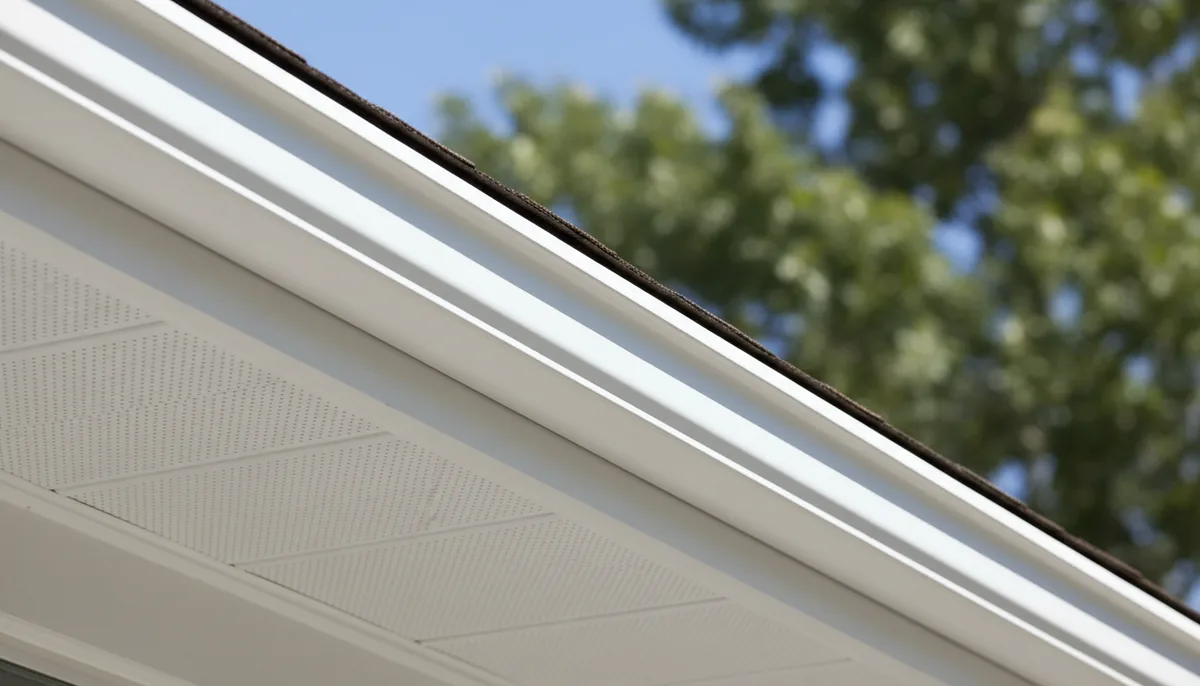
The Florida roofing rule that changes the choice
Here's where a lot of out-of-state advice gets Florida homeowners into trouble. We have a building code that, after a particularly nasty hurricane season, required a secondary water barrier on certain roofs. The regulation comes from SB 4-D (2022). In plain words, if your roof is in the high-velocity hurricane zone, which covers basically the southern part of the state, and you're doing a roof replacement, you need a layer of something underneath your shingles or tile that keeps water out if the top layer gets torn off. That something is usually a self-adhering modified bitumen membrane, what roofers call a "peel-and-stick" or "ice and water shield," though we don't get ice here.
The key phrase is "secondary water barrier." You can have a synthetic underlayment that works great, but code may demand that extra sealed layer at the edges and ridges, or over the whole deck, depending on your exact location. This is not a suggestion. Florida Statute 627.70132 also allows your insurance company to require a roof that meets certain standards before they'll write you a policy. So the underlayment you choose is not just about the wheather; it's about the legal requirements that came out of the 2022 legislation. I have been wrong about this before, so do not guess. Pull your permit, get the inspection, and let the building department tell you what that jurisdiction enforces.
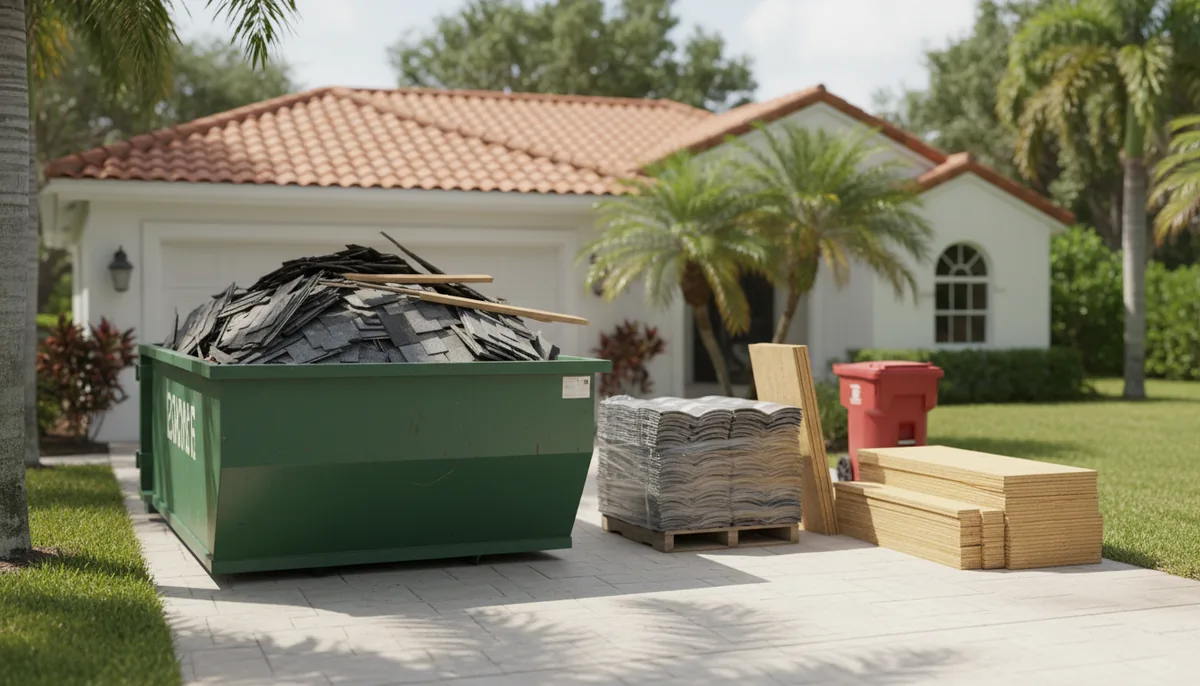
What changes on a tile roof
You asked about the best underlayment for a tile roof in Florida, and that's a slightly different animal. Concrete and clay tile are heavy, they're durable, they can last decades, but they are only as good as what's underneath them. A tile roof has a gap between the tile and the deck that's meant to let water run down and off. If your underlayment is a cheap #15 felt, that water can soak through and never even reach the tile. I have seen tile roofs that leaked only at the eaves because the felt underlayment had failed where water pooled.
For tile roofs, I strongly favor a synthetic underlayment, and many contractors will argue for two layers of something strong, because replacing a tile roof is heavy and expensive work. You don't want to do it twice because you saved forty dollars on the underlayment roll. Some roofers will tell you that tile needs a "breathable" underlayment, but in my experience, in a hot and humid state like ours, preventing the moisture from getting in is the first priority. The physics of it depends on what is under there, so ask the contractor to explain their rationale and make them put it in writing. If they can't tell you why they're choosing a certain underlayment for your tile roof, that's a red flag.
What I would actually do: For most Florida roofs, I would spec a synthetic underlayment combined with the required self-adhering membrane at the eaves, rakes, and valleys. For a tile roof, I would not let a crew install single-layer felt. I would write "synthetic underlayment, double layer at all change-in-plane areas," or words to that effect, directly into the contract before I signed it.
Watch the installation, not just the product
You could buy the best synthetic underlayment on the market, and a crew could install it wrong in twenty minutes. The underlayment should be laid flat, with proper overlaps, and it should be fastened down well, but not over-fastened so it turns into a sieve. I once stood on a roof in Port Charlotte while a guy nailed the underlayment so tight that it tented and tore around every fastener. The shingles still went on, and the roof leaked a year later. The roofer blamed the product. The product was fine. The installation was a travesty.
It matters who you hire. Florida roofing contractors are licensed by the Department of Business and Professional Regulation, and the DBPR licence prefixes CCC and RC tell you a lot. A certified contractor, CCC, can work anywhere in the state. A registered contractor, RC, is only allowed to work within the local jurisdiction that licensed them. Always verify the number is active on the DBPR roll before you let anyone on your roof. And for God's sake, do not hire anyone who says they'll skip the permit. A roof replacement in Florida requires a permit from the local building department and an inspection. An unpermitted roof can complicate both an insurance claim and a future sale. I have seen a homeowner lose a real estate deal because they couldn't prove the roof was permitted.

The wind mitigation discount can pay for the upgrade
Here's the part I love, because it puts money back in your pocket. A wind mitigation inspection documents things like the roof deck attachment, the roof-to-wall connection, the geometry of your roof, and, crucially, the secondary water resistance. That's the underlayment we're talking about. Florida insurers are required to offer premium discounts for qualifying features, and the standard form is OIR-B1-1802. The inspection is seperate from the final building inspection, and it typically costs far less than the annual insurance discount it can open up.
So that peel-and-stick membrane and that synthetic underlayment aren't just storm protection. They could be the difference between a roof that helps your insurance premium and a roof that gets you nothing. I am not a licensed adjuster, and I won't guess what your specific policy will do. Coverage varies by policy, so read your declarations page and ask your agent. But I can tell you the mechanism is real. If your contractor can show you the wind mitigation form and check the boxes for a secondary water barrier, ask to keep a copy for your inspection. The program is also connected to things like the My Safe Florida Home initiative, which exists to help homeowners harden their homes, though you'll need to check current availability on your own.
What I would actually do: Before the crew starts tearing off the old roof, I would tell my contractor I want the wind mitigation inspection scheduled for the day before the underlayment gets covered. That way the inspector can see exactly what was installed, and I get the credit I paid for. You cannot get that credit later if the visual evidence is buried under shingles.
Questions I get asked
Is synthetic underlayment worth the extra cost over felt?
Yes, for almost every Florida home. The material cost is a small fraction of the total roof replacement, and you get better tear resistance, better sun tolerance, and better handling of water. I would not let a contractor install #15 felt on a new roof in this state.
Does the code require a peel-and-stick membrane on the whole roof?
It depends on your exact location and the shape of your roof. The requirement is stronger in the high-velocity hurricane zones, and often applies to the entire deck, while some areas only require it at the edges and valleys. You need to confirm with the local building department, not the contractor's sales guy.
Can I install metal directly over my old shingles and skip the underlayment?
Some metal roofing systems are designed for that, but I usually tell people to strip it down. You want to see the deck underneath, replace any rotten wood, and install a proper underlayment and secondary barrier. Hidden rot will cost you more than a clean tear-off.
Will a new underlayment lower my insurance premium?
It can, if it qualifies as a secondary water barrier on the OIR-B1-1802 form that your wind mitigation inspector fills out. The discount depends on your insurer and your policy, so read your declarations page. The inspection is what proves it to the company.
Why won't my contractor quote a specific underlayment brand?
Ask them to name one. A good roofer has a brand they trust and a reason for it. If they say "it doesn't matter" or just tell you to pick the cheapest, that tells you how much they care about the part of the roof you can't see.
What is the most important thing to look for on a roof quote?
The exact materials might be number one, but close behind is wether the permit is included. Look for a line item that says "permit" and an allowance for a wind mitigation inspection. If either is missing, ask why. A contractor who plans to skip the permit is a contractor you walk away from.
I have a customer in Naples who fought me on the synthetic underlayment for a solid month. And then a squirrel got under a loose tile and chewed a hole through her felt, and she had a waterfall in her hallway. That'll change your mind faster than anything I can say. And that's the real truth about roofing in Florida: the products are only as good as the next storm, and the next squirrel, and the next inspector who shows up to look at your permit. So pick the right underlayment, sure. But hire somebody who will put it down right. That's the part that costs the same no matter what you buy.