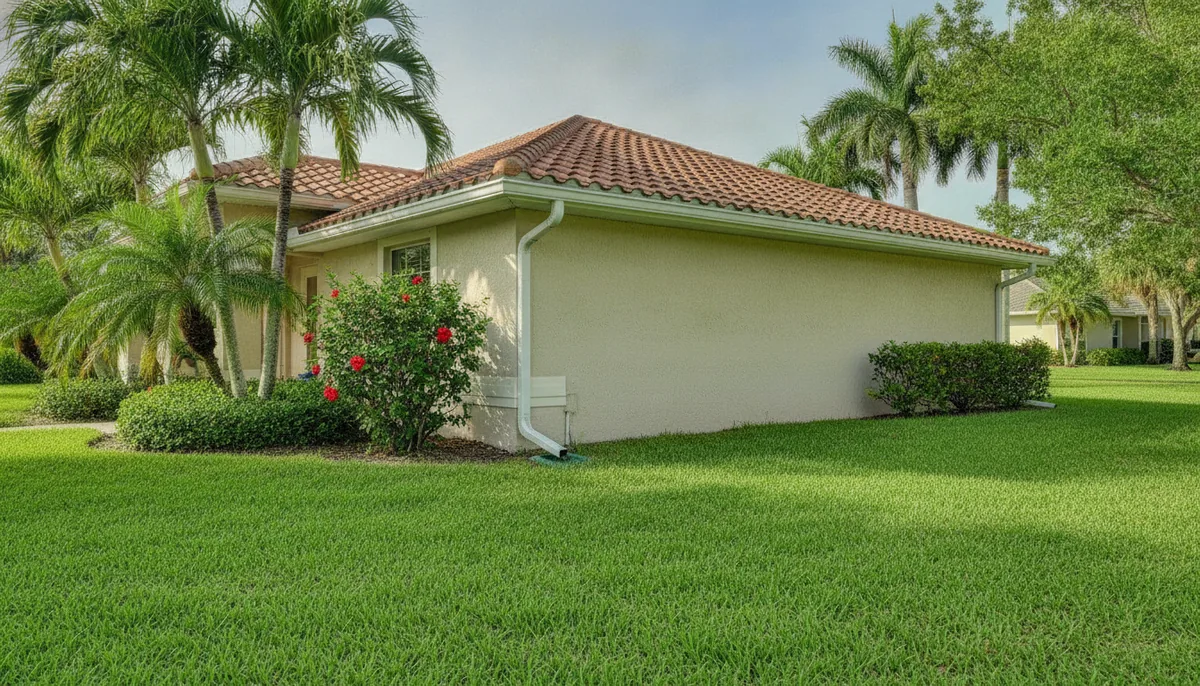
Best roof vents for Florida
By Bud Kettering, Roof consultant and inspector. Reviewed by Hal Winstead, Editor, licensed roofing contractor.
I remember a July afternoon in Dunedin, Florida, when I crawled into an attic after a quick storm and smelled wet OSB before I got the hatch fully open. The ridge vent cap on the roof was straight and new, but no one had cut the slot under it. If you want the best roof vents for Florida, start with a list of roofing companies in Florida, then check the DBPR licence prefixes CCC and RC on the state roll before you let anybody on a ladder.
That attic was not a rare case. Most vent problems I see are not fancy. They are missing cuts, blocked soffits, baffles buried under insulation, or a ridge vent that was installed like a decorative piece of trim. I of been wrong about this before, but after all the attics I’ve crawled throught, I keep coming back to the same plain answer: get hot air out high, get replacement air in low, and keep the water off the roof deck.
The rest is details. Details matter, because Florida will punish a bad vent job with heat, humidity, and sideways rain.
Why Florida vents have to fight humidity, not ice
Up north, attic venting is mostly about keeping the roof cold so ice dams don’t form. Florida does not have that problem. What we have is warm, humid air and a hot attic that turns that air into condensation on the underside of the roof deck.
Every house leaks a little conditioned air through ceiling penetrations—bath fans, recessed lights, drooping duct boots, old electrical holes. That air is cooler and carries moisture. When it hits the underside of a hot roof deck, it can condense. I’ve opened attics in September and watched water bead on nail points. A vented attic gives that moist air a path out. An unvented, or badly vented, attic just lets it sit there and cook.
Heat alone does not rot wood. Heat plus trapped moisture does. That is the real reason I care about roof vents in Florida.
Best roof vents for Florida: ridge vent, if the ridge is open
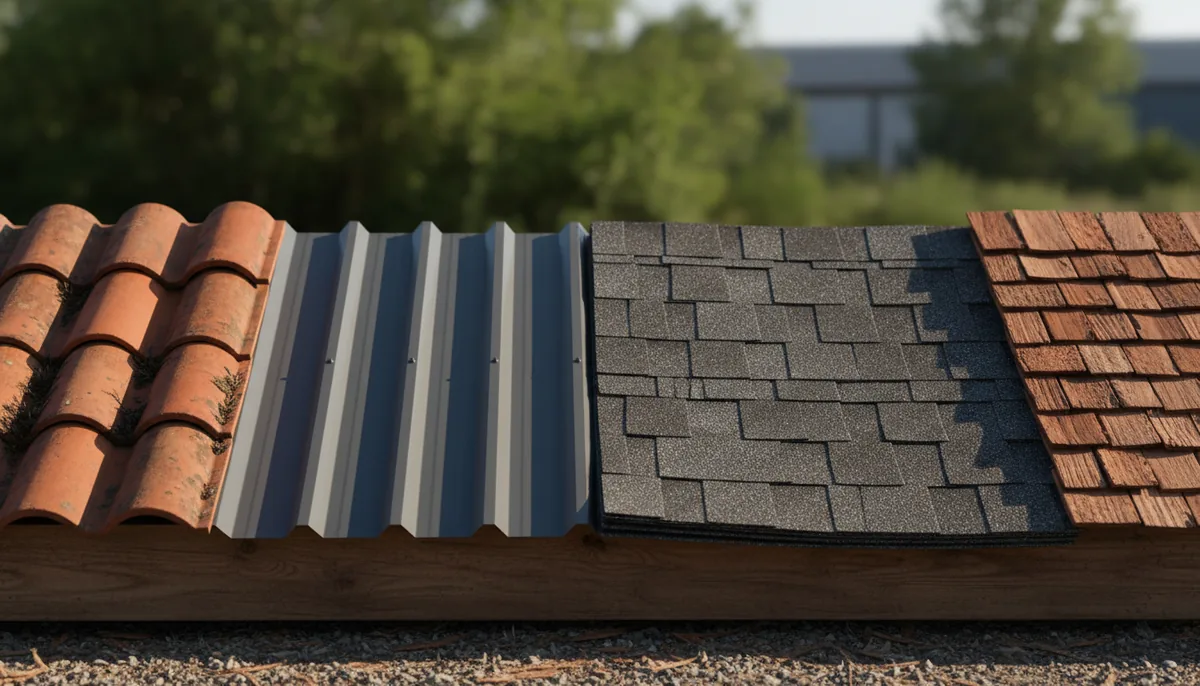
For a sloped asphalt shingle roof, I keep coming back to a continuous ridge vent. It sits at the peak, right where hot air naturally collects. It has a low profile. There are no exposed moving parts. And when it is installed right, it pulls air from the whole roof assembly.
But here is the catch: a ridge vent is only as good as the gap under it. The roof sheathing has to be cut back on both sides of the ridge according to the vent manufacturer’s instructions. Then the vent goes over that opening, and the ridge shingles go over the vent. If a roofer skips the cut, or cuts it narrow, or rolls the underlayment over the slot, you have paid for decoration.
A ridge vent also needs intake. Air has to come in somewhere low—usually soffit vents or eave blocking. Without intake, a ridge vent will pull air from inside the house, up through ceiling cracks, and that air brings humidity with it. Ridge vent without soffit airflow is a chimney with no fire.
What I would actually do: On an asphalt shingle roof, I would use a continuous ridge vent, make certain the ridge slot is cut to the manufacturer’s spec, and check the soffit intake before I trimmed a single shingle.
Roof vents in Florida I check last: box vents, turbines, and power units
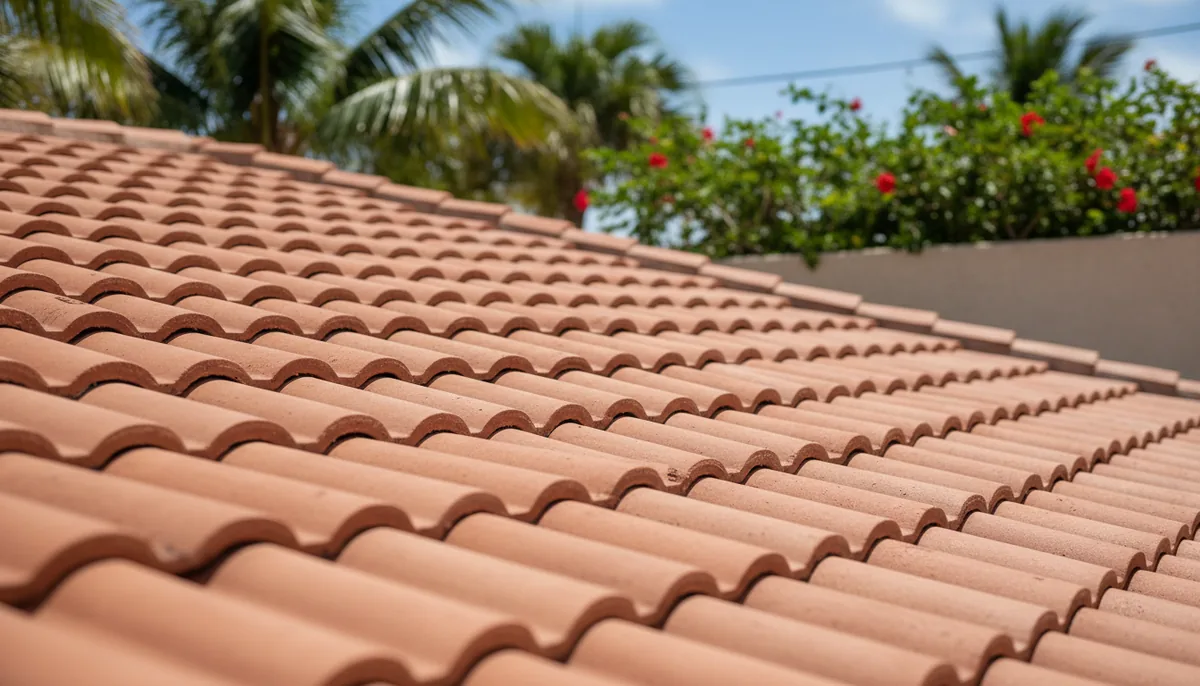
Box vents, sometimes called turtle vents, are simple and they do not cause alot of trouble on roofs with no ridge. But they are square cuts in the roof deck, and the flashing around a box vent sits there in the Florida sun. I see more dried-out sealant and failed flashing around box vents than I see around a good ridge vent. That does not mean they are bad. It means they need attention.
Turbine vents are even older-school. They spin with the wind and pull air out of the attic. They can work. They also have bearings, and bearings do not last forever in a salt-air climate. On a still, humid Florida afternoon, a turbine is just a metal mushroom sitting over a hole in your roof.
Power vents and solar attic fans are the ones people ask me about the most. A powered fan will move air. I have felt a strong draft at a gable-vent when a solar fan was running. But moving air is only useful if it comes from outside. If the intake is blocked, a power vent pulls conditioned air out of the living space. That makes your AC work harder, and it pulls humid air through every little ceiling crack along the way. And when the motor dies, the unit stops being a fan and starts being a hole in the roof.
One digression while I am on a ladder: I keep seeing irrigation heads pointed straight at soffit vents. Sprinkler water blasting into a soffit vent every night will undo a lot of good ventilation. Soffit vents are for air, not water. If you are watering your attic, no vent brand is going to save you.
How I inspect roof vents in Florida with a torch, a moisture meter, and common sense
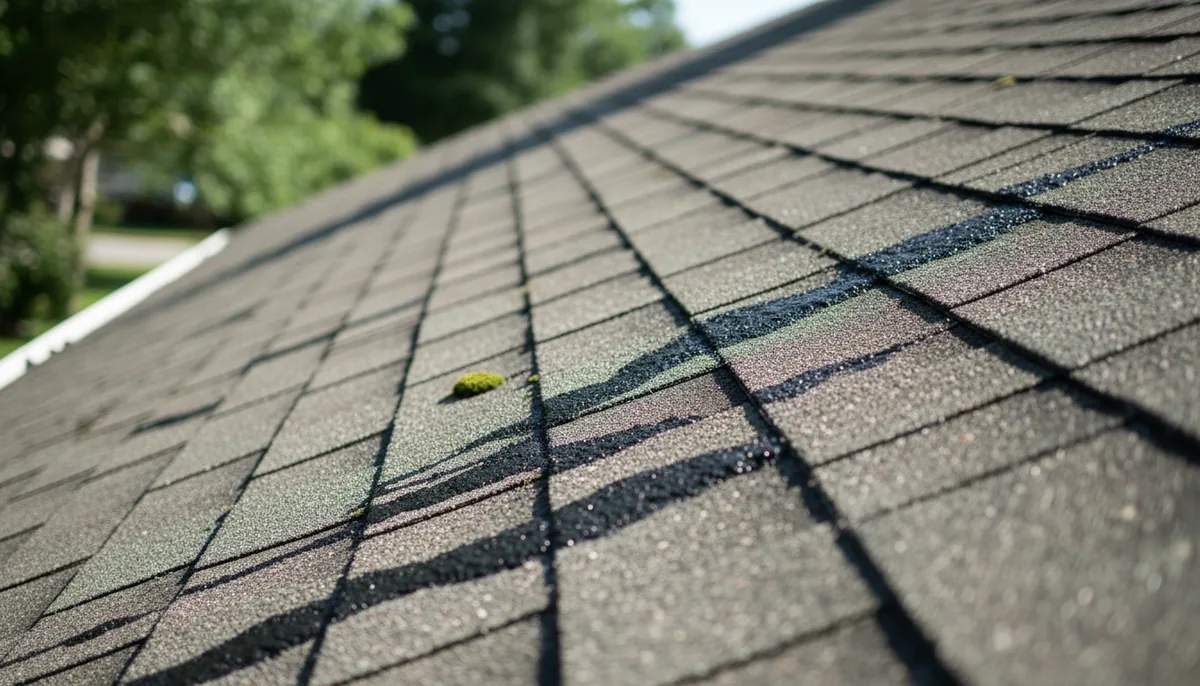
When I inspect a roof vent job, I do not just stand in the yard and admire the ridge line. I go inside. On a shingle roof, I shine a torch up at the ridge from the attic. If I see daylight along the slot, or a vent screen and open air, that tells me the cut was made. If I see solid decking under the vent, somebody installed it wrong.
Then I look at the underside of the roof deck around the vent. I use a moisture meter and take readings in the first few feet below the ridge and around every penetration. If the wood is dark, soft, or wet, I do not care how pretty the vent looks from above. It failed.
I also check the insulation line. Baffles should be in place where soffit air enters the attic, and they should not be shoved flat under blown insulation. I cannot tell you how many times a ridge vent was working fine while the intake was buried under twenty years of loose fill. The roof deck was damp because the air could not move. That vent looked fine from the street, and it was useless from the attic.
What I would actually do: I would never sign off on a vent job based on a photo. I need to see the ridge slot from inside, verify the baffles are clear, and take a moisture reading around every vent penetration.
Permits, licences, insurance talk, and the no-free-lunch rule
A roof replacement in Florida requires a permit from the local building department and an inspection. If a contractor tells you that you can skip the permit, or that it will be cheaper without one, walk away. An unpermitted roof can complicate an insurance claim and make a home sale much harder than it needs to be. I inspect roofs for buyers, and I have seen good roofs become problems simply because there was no permit on file.
The state contract roll is the place to check who you are hiring. The DBPR licence prefixes CCC and RC mean two different things. A CCC certified contractor can work anywhere in Florida. An RC registered contractor may only work in the local jurisdiction that licensed them. Verify the number is active, and do not let a salesman wave a business card in your face instead.
Vents themselves rarely earn insurance discounts. What matters is the whole roof system. A wind mitigation inspection, done on the standard form OIR-B1-1802, documents roof covering, roof deck attachment, roof-to-wall connection, roof geometry, secondary water resistance, and opening protection. Florida insurers must offer premium discounts for qualifying features, but the exact discount depends on your carrier and your policy. Coverage varies by policy. Read your declarations page, and if you have questions, call your agent. I am a roof guy, not a lawyer or a licensed adjuster.
Questions I get asked
Should I add a solar attic fan if I already have a ridge vent?
I would not. You are better off fixing the airflow path first. A ridge vent works with low intake and high exhaust. Adding a powered exhaust on top of that can pull air from inside the house if the attic envelope is not sealed. More moving parts is not more better in Florida.
Are box vents bad for a roof?
Box vents are not bad, but they are not my first choice on a roof with a ridge. They are simpler than a power vent, and they have no moving parts. They still create a penetration in the roof deck, and the flashing around them takes more abuse than a low-profile ridge vent in a Florida storm.
Can a roofer install a ridge vent over an existing ridge without cutting a slot?
Some try. It does not work. A ridge vent needs an open slot along the ridge to pull air out of the attic. Without that cut, you are just nailing plastic and shingles over solid wood. It looks fine from the ground and does almost nothing inside.
Does a wind mitigation inspection check my attic ventilation?
A wind mitigation inspection is about the roof system’s resistance to wind, not wether your attic breathes. The form OIR-B1-1802 is used to document roof covering, roof deck attachment, roof-to-wall connection, roof geometry, secondary water resistance, and opening protection. Ventilation is more of a moisture issue, so I treat it separately.
Which roof vent is quietest in a storm?
A continuous ridge vent. It has nothing to rattle, spin, or bang. Turbines can whine, power fans can hum, and loose metal box vents can vibrate in high wind. A ridge vent is just an open slot covered by a cap and shingles. Quiet comes from having no moving parts.
What if my contractor says the permit will slow things down?
Let it slow down. A permit and inspection protect you, not the roofer. If they are pulling a permit, they are giving the local building department a chance to catch a problem before it becomes your problem. If they will not pull one, I would not let them pull a single nail.