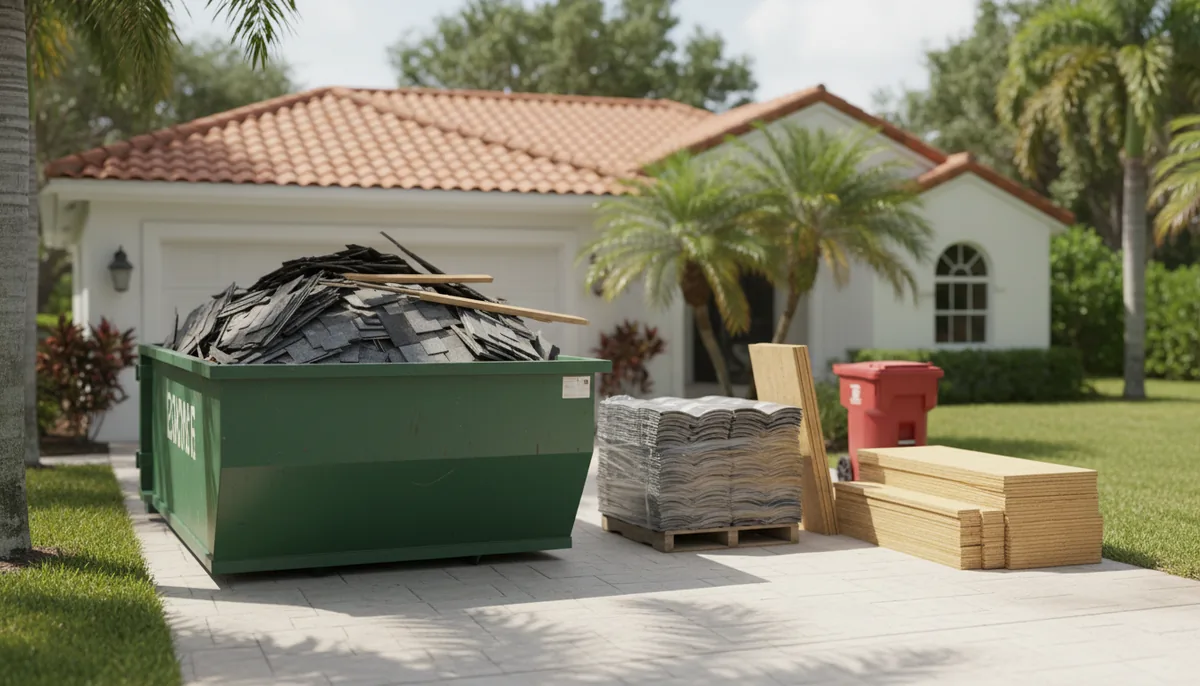
Best roofing shingles for Florida
By Shelly Marchetti, Florida homeowner advocate. Reviewed by Hal Winstead, Editor, licensed roofing contractor. I sat on a roof in Fort Myers last June, peeling back a corner of what the homeowner had been told was a "wind-resistant architectural shingle." The little tab lifted like a page in a book. It wasn't nailed right, and I could see the underlayment had been cooking in the sun for months. That inspection took maybe twenty minutes. It saved her from paying for a roof that would have failed in the next tropical storm. If you are looking for the best roofing shingles for Florida, you have probably realized that product names only get you halfway. You also need a roofer who will put them down the way the manufacturer demands, and an insurance policy that will actualy give you credit for it. That is why I always tell people to find the contractor first, then the shingle. A roofing companies in Florida directory is a fine place to start, because it lets you check who is doing the work before you fall in love with a product brochure.
Here is the thing nobody tells you: the shingle is maybe a third of the roof. The deck, the underlayment, the starter strip, the nail pattern, the ridge vent, the flashing around the chimney and the pipe boots - that is where roofs die. A premium shingle nailed wrong will fail before a builder-grade shingle nailed right. I of seen it happen with my own eyes in Naples and Tampa. The homeowner points at the brand name on the bundle wrapper, and I point at the nails sticking up in the attic. So when we talk about the best roofing shingles for Florida, we are really talking about the whole assembly, not just the pretty top layer.
Call it the Florida roof rule: your shingle is only as good as the person swinging the hammer. And your contract is only as good as the permit it references.
Start with the wind rating, not the color
Your roofer should be able to tell you the wind rating of the shingle they are proposing. In Florida, we have building code requirements that essentially force you to use shingles rated for higher wind speeds. Do not invent a number for me here. What I can tell you is that if a contractor is offering to install a shingle that does not meet the current code for your area, that is a deal-breaker. The code exists because we watched roofs peel off like sardine lids in past storms.
Now, the good architectural shingles you see in Florida are almost always laminated. That means two layers glued together, which makes them heavier and more durable. But here is the part people miss: I have been wrong about this before, so read your contract carefully. A shingle can look architectural and still be the lightest grade in that product family. The difference between the "builder series" and the "premium" line can be a few dollars per square, and the premium line usually has a better wind rating and a longer warranty. You do not need the top of the line in every case, but if you live within a mile of the coast, I would not let a roofer talk you into the bottom of the barrel.
The grade of the shingle matters, but the installation matters more. If the roofer uses ring-shank nails instead of smooth nails, that roof is going to hold better in a storm. If they staple the underlayment instead of nailing it, that is a problem. Ask about the fasteners. Watch how they answer.
What I would actually do: Pay the upgrade difference for a mid-grade architectural shingle with a published wind rating that exceeds the code in your town. Skip the luxury line unless you plan to age in place for thirty years. Spend the money you saved on a better underlayment and a roofer who will show you the manufacturer's installation instructions.

What the "best" shingle means for your home insurance discount
Here is where alot of homeowners get stuck. Florida law says your insurer must give you a discount for certain roof features. The form is called OIR-B1-1802, and it is the wind mitigation inspection report, not a shingle brochure. I have stood in more living rooms than I can count where a homeowner holds up a fancy sample and says, "The salesman said this will lower my insurance." That is not how it works.
The wind mitigation report looks at the structure, not just the covering. It checks your roof deck attachment, the roof-to-wall connection, the geometry of your roof, wether there is secondary water resistance, and whether you have opening protection on your windows and doors. Your shingle plays a role, but it is not the only character in the play. A Class 4 impact-resistant shingle might earn you a discount, but only if the report documents it properly and your insurer accepts it. Coverage varies by policy. You have to read your declarations page. Do not let me or your roofer tell you what your specific policy will do.
I have seen homeowners spend thousands on impact-resistant shingles and then forget to schedule the wind mitigation inspection afterward. The discount is sitting there waiting for you. The inspection typically costs far less than the annual discount it can open up. It is one of the rare times in Florida where spending a little money makes you money every year until the next roof.
And here is a name you should know: Citizens Property Insurance Corporation. If you are insured through Citizens, they write the rules a little differently. Some policies will require a roof inspection before they renew you, especially after storms. If you get a letter demanding an inspection, do not ignore it. That is your cue to get the OIR-B1-1802 done before the deadline.

What actually happened after Hurricane Michael and the building code changes
Back in 2022, the Florida legislature passed SB 4-D. That law changed how insurers have to handle roofs, not just what shingles you can buy. I am not a lawyer and I am not going to pretend to be one, but the practical effect was that insurers started writing policies with roof age and condition requirements. Some policies will only pay actual cash value for a roof over a certain age, rather than replacement cost. That means you get a check based on what the roof was worth, not what it costs to replace it today.
There is also a Florida statute, 627.70132, that deals with roof replacement and insurance claims. Without getting into the weeds, the point is that your roof may not be paid for in full if it is old and worn out before the storm ever hit. This is why I tell homeowners to keep pictures of their roof from before a storm. If the shingles are already curling and cracking, the insurance adjuster will see that as wear and tear, not storm damage.
The way you fight that is with a clear head and a roof that is not already falling apart. If a contractor tells you they will "help you get a new roof from insurance" without looking at your shingles first, walk away. That is a red flag the size of a beach towel.
What I would actually do: Before hurricane season, take dated photos of your roof from every angle. Keep trees trimmed so the adjuster can see the whole surface. If your roof is over 15 years old and you have a claim after a storm, expect the insurer to offer less than full replacement. That is the world we live in now.

Reading the quote: what I look for on the shingle line
When you get a quote, it should list the exact shingle by brand, model, and color name. If it just says "architectural shingle," that is not a quote; it is a guess. I have seen contracts that allowed the roofer to substitute a different shingle at their own discretion, and the homeowner ended up with a roof they did not want. That happens when you hire a crew that does not care about your house.
Also look for the line that says the contractor will pull a permit. A roof replacement in Florida requires a permit from your local building department, and there will be an inspection. A contractor who offers to skip the permit is a contractor to walk away from. An unpermitted roof can complicate both an insurance claim and a future home sale. You do not want to be standing in front of a buyer's title company explaining why your roof does not exist in county records.
The permit is your paperwork shield. If the roofer damages a gas line or leaves nails in the yard and a neighbor's tire finds one, you want that permit trail. If they skip the inspection, you will not know if the nails are too short until a storm tears the roof off. There is no such thing as a cheap unpermitted roof. There is only a time bomb you paid for.
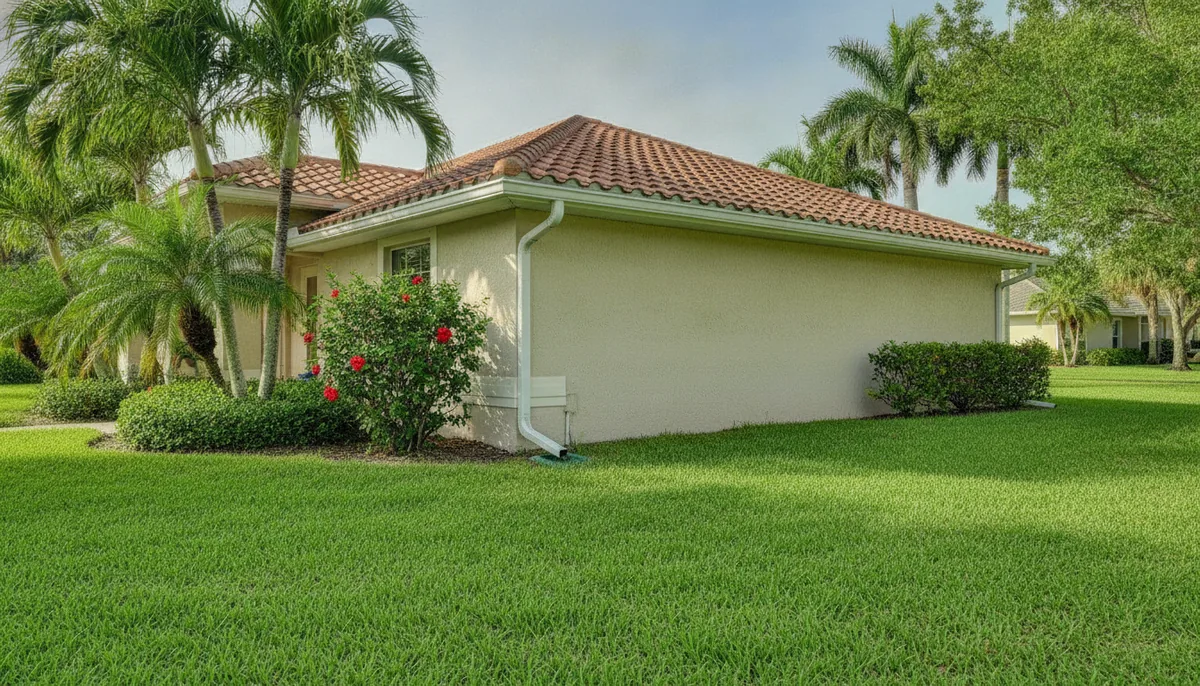
How to verify the roofer before you buy the shingles
Florida roofing contractors are licensed by the Department of Business and Professional Regulation, the DBPR. A certified contractor has a licence that begins with CCC, and they can work anywhere in the state. A registered contractor has a licence that begins with RC, and they can only work in the local jurisdiction that licensed them. That distinction matters when your "local guy" wants to install a roof across the county line. Verify the number is active before you hire anyone. Do a search on the DBPR roll. It takes three minutes.
Do not ask me if a specific company is reputable. I do not keep a blacklist, and I do not endorse businesses. The directory verifies licences against the DBPR roll, but you should still type the number in yourself and look at the name on the licence, the status, and whether there are any disciplinary actions. That is the profesional move.
I had a customer in Sarasota who handed me a contract from a nice young man with a shiny truck and a "certified" sticker on the side. The licence number on the contract belonged to a company that had been dissolved two years earlier. The truck was leased. The name on the door did not match the licence. She was about to hand him a 40% deposit. We caught it on a Saturday afternoon. That is why you check.
Questions I get asked
Is an architectural shingle actually better than a three-tab shingle in Florida?
Yes. A three-tab shingle is lighter, flatter, and less resistant to wind uplift. Architectural shingles are heavier and have a layered look, and they usually carry a better wind rating. For Florida, architectural shingles are the standard choice for most homes. I would not install a three-tab on a residential roof in this state if you plan to live there through one hurricane season.
How long should a roof last with good shingles in Florida?
Depends on your exposure, your pitch, and how much shade you get. The sun is brutal, but so are the storms. A good architectural shingle on a well-ventilated roof might give you 15 to 25 years, give or take, but the Florida heat ages every roof faster than the same shingle would in Ohio. The shingle warranty is not the same as the roof's actual useful life. Keep your paperwork, because your insurer will ask.
Do I need impact-resistant shingles, or is that overkill?
If you are in a high-velocity hurricane zone near the coast, check your policy and your local code. Impact-resistant shingles have a UL rating that stands up to hail and debris better than standard shingles. They cost more, but they can earn a wind mitigation discount that softens the blow. If you are inland, impact-resistant may be a nice upgrade, but not a necessity. I have seen both fail. The roof that is nailed right always wins.
Can I file an insurance claim just because my roof is old and curling?
No. Insurance is for sudden, accidental damage like a storm, not for gradual wear and tear. Florida Statute 627.70132 has changed how these claims work, and insurers are quick to deny wear-and-tear claims. If you have an aging roof, plan to replace it on your own schedule before a storm forces the issue. Wait for the storm and you will be fighting for money with a torn roof over your head.
What is My Safe Florida Home and does it help with shingles?
My Safe Florida Home is a state program that helps homeowners with matching grants for certain hardening improvements. Roof replacement may qualify, but the rules change based on funding and your home's specific wind mitigation report. You have to apply and complete an inspection first. It is worth looking into, but do not build your timeline around grant money. Grants run out and waiting lists get long.
Why does my roofer care if I use a "registered" versus "certified" contractor?
Because the law says a certified contractor with a CCC can work anywhere in the state, while a registered contractor with an RC is tied to the jurisdiction that licensed them. If you are talking to a registered contractor and your house is outside that area, they cannot legally pull the permit. That is not a judgment call. It is the law. Ask for the licence number, look up the prefix, and move on accordingly.