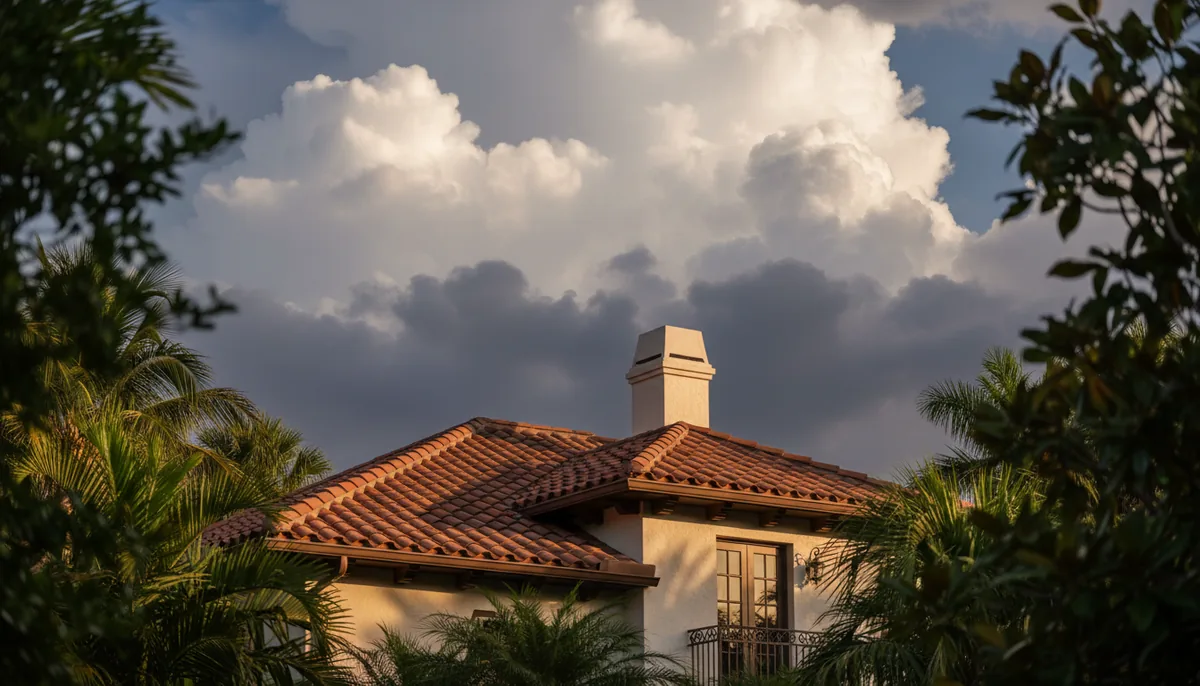
Black metal roof in Florida: The Florida Guide
By Dale Prescott, Roofing contractor, Central Florida. Reviewed by Hal Winstead, Editor, licensed roofing contractor. I was up on a tile roof in Lake Mary back in '09, the afternoon before a tropical storm warning went live. Homeowner had patched a valley with roofing cement, and I mean he'd laid it on like peanut butter on a kid's sandwich. We were there to do a quick repair before the wheather hit. I put my knee down wrong and slid about four feet before my harness caught. That cement had cooked into a greasy slick in the July sun. I sat there swinging for a second, staring at the black rubber membrane below, and thought, this is the business. People don't understand what their roof does until it's trying to kill them.
If you're searching for a black metal roof in florida because you saw one on a house in Winter Park or you're tired of replacing shingles every ten years, I get it. Metal is a different animal. But black is a choice, and in this sun, color matters more than folks think. It's not just about looks. And before you fall in love with a Pinterest photo, you need the real picture. You need to know how the state's building codes treat you, how your insurance company looks at it, and who is actualy putting the panels on. You can find a list of vetted metal roofing companies in Florida sorted by region, but that's just the start. You have to ask the right questions.
Does a black metal roof in florida actually cook the house?
Yes, it gets hot. Any dark roof does. But the difference between black metal and, say, a white shingle is not as simple as a thermometer reading. A metal roof reflects a good bit of the sun's heat right off the bat, but black panels absorb more than they reflect. Call it a trade-off. Under a black metal roof, your attic space will run warmer than it would under a lighter metal or a white tile. That heat pushes down into your living space. Your AC will run longer in the summer.
The counter-argument, and it's a fair one, is that a metal roof has a natural air gap if it's installed over battens. That gap lets heat escape up and out, venting the space between the deck and the metal. That makes a difference. You have to know the difference between a "standing seam" roof and a "through-fastened" or screw-down roof. A black screw-down roof laid directly on felt is going to hold more heat against your deck than a black standing seam on batten strips. It depends what is under there. It depends on your insulation. I have seen black metal roofs that were comfortable, and I have seen black metal roofs that turned a bonus room into a sauna. Your mileage varies.
What about the rain and the hurricanes?
This is where a black metal roof in florida earns it's keep, if it's installed right. The noise thing gets blown out of proportion. With solid sheathing and proper insulation, you hear a patter, not a drum solo. During a real storm, you are glad you have it. These roofs handle wind events better than most shingles. The panels interlock. The fasteners get driven into the structure, not just the deck. We tear off plenty of shingle roofs after a storm that would have stayed on if they were metal.
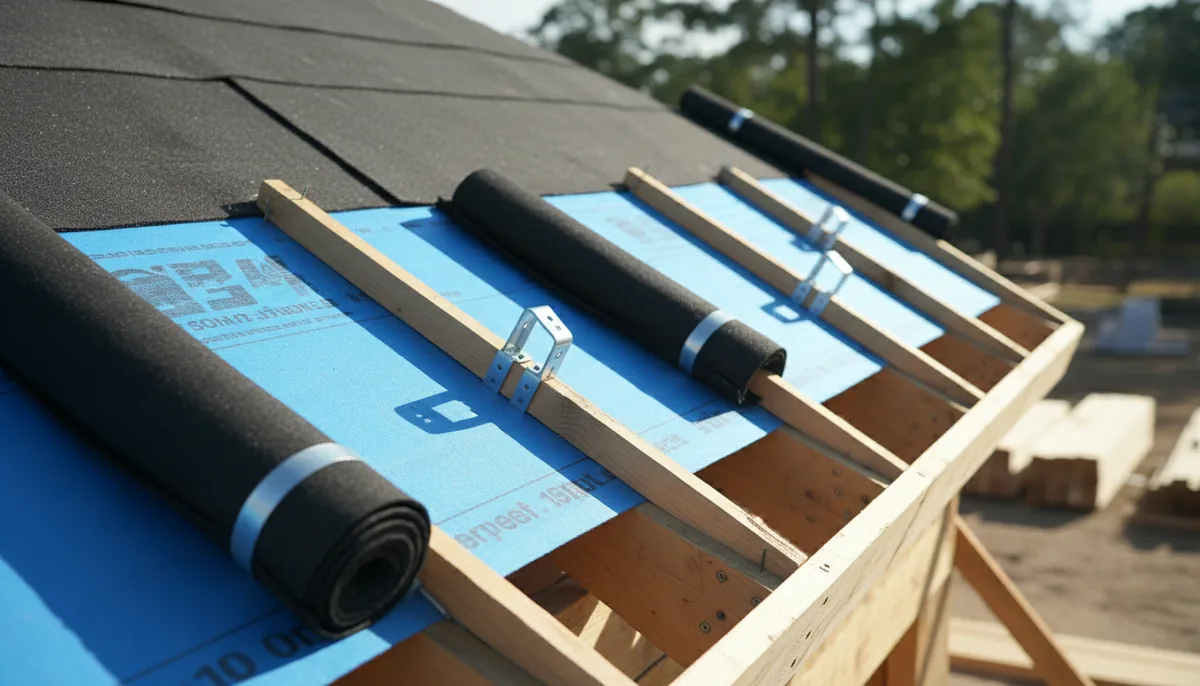
But here is the catch. Metal is only as good as its installation. A roofer who does not understand thermal movement will screw down the panels too tight, and when they expand and contract with the heat, the fasteners will work themselves loose. Or they'll pull the screws through the panel. Then you get leaks at every single fastener. A screw that backs out a quarter turn is a disaster waiting for rain. I have been wrong about this before, but I have seen more leaking metal roofs caused by bad fastening than by bad material. It's never the roof. It's the guy putting it on.
What I would actually do: If you're considering black metal, ask the contractor how they fasten the panels. If they talk about "driving it tight," walk away. You want a guy who understands the metal needs to move. Better yet, look at standing seam with hidden clips. Costs more, but you don't have exposed screws to back out over time.
The correct way to start a metal roof job
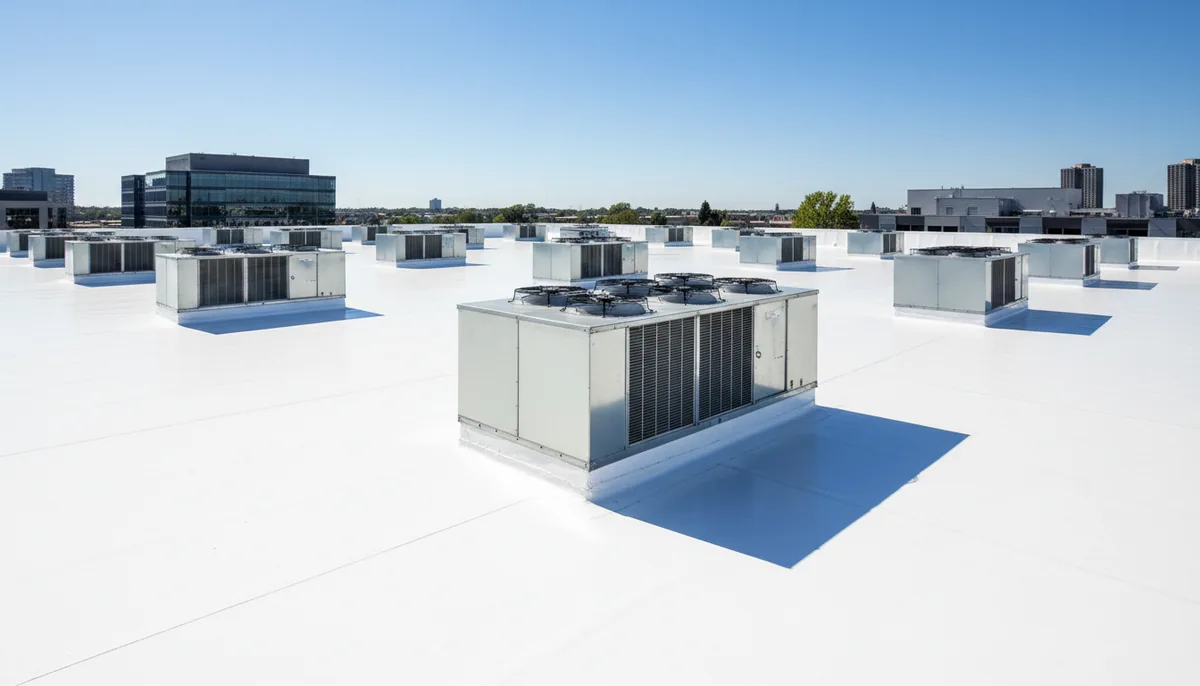
First, get past the color. Get past the phone quote. A black metal roof in florida is a two-week job, not a weekend project. The price is quoted per square, which is a 10-foot by 10-foot area. A square of metal costs more than a square of shingles, and the labor is different. You are paying for a guy who can cut and fold metal without wrecking it. That takes skill.
The real first step is the paperwork. Florida roofing contractors are licensed by the state, and you need to verify the number. A certified contractor licence starts with "CCC" and lets them work anywhere in Florida. A registered licence starts with "RC" and is limited to the specific local jurisdiction that issued it. Do not take their word for it. Look up the DBPR roll online. Then ask to see the permit. A roof replacement in Florida requires a permit from your local building department and an inspection. If the contractor says you can skip the permit, show them the door. An unpermitted roof can hang you up on an insurance claim and cause chaos when you sell the house.
What Florida's roof code changed lately
There is a rule they call the "25% rule" in the trades. If you repaired or replaced more than a quarter of your roof in any 12-month period, the whole roof had to be brought up to current code. That was a doozy for alot of homeowners. Insurance would approve a patch job, and suddenly you were on the hook for a full replacement. Then they passed SB 4-D in 2022, which was a big deal. It means if your roof was built under the 2007 Florida Building Code or later, you can repair just the damaged portion without dragging the whole roof into the 21st century. That 2007 code took effect in early 2009, so if your roof is older than that, you are still looking at the full-code dance.
This matters for insurance. When you file a claim for storm damage, the adjuster runs the numbers. If you have an older roof, the repair cost can trigger a full replacement. That's when the phone calls start. Be ready for it. If you have a newer metal roof, SB 4-D works in your favor. The repair is localized. The roof stays in place.
Big question: will your insurance company cut you a break?
Insurance in Florida is a different beast than anywhere else in the country. They want to know the roof is going to survive the next hurricane. That's where a wind mitigation inspection comes in. The inspector documents how your roof deck is attached to the trusses, how the roof connects to the walls, what shape the roof is, and wether you have secondary water resistance under the shingles or panels. That inspection is documented on a standard form, which you submit to your insurer. Florida law requires them to offer a discount if you qualify. The savings can be substantial, and the inspection is usually a couple hundred bucks. It pays for itself.
However, insurance policies are not all the same. I keep saying this and people keep not hearing it. What one company discounts, another ignores. Some policies limit what they pay for metal roofs or give you actual cash value instead of replacement cost. You have to read your declarations page. If you don't understand it, ask. There is no one-size-fits-all answer black metal roofs and your specific premium. The discount is there for the features, but the amount depends entirely on your carrier and your policy language.
What I would actually do: Get the wind mitigation inspection done before you buy the metal roof. Show the report to a roofer. They can tell you if your deck attachments are up to snuff. If your roof-to-wall connections are weak, a metal roof won't fix that. The metal might blow off, but the walls are the real problem.
The color question and the metal's dark side
Black on a metal roof shows every flaw. Pollen, pine needles, dust. It all stands out. You will see streaks you never noticed on a shingle roof. The finish on good metal panels is baked on, so it fades slowly. Cheap metal with a cheap finish will chalk and fade, and black gets a gray, dusty look after a few brutal summers. You get what you pay for. Ask about the paint system. Ask for the warranty on the finish, not just the steel.
And think about the soffit and trim. A black roof makes the house look shorter somehow, and it changes how the paint color reads on the walls. I have seen houses that looked sharp and modern with a black metal roof. I have seen a brand new colonial-style house in Sanford where the black roof just swallowed the whole curb appeal. Pick the color after you look at the whole house, not before.
Questions I get asked
Is black metal too hot for Florida?
It heats up more than a lighter color, but the attic heat gain depends on the ventilation and whether there's a gap between the metal and the deck. With proper installation, it is manageable. Without it, you will pay more to cool your house.
Will a metal roof save me money on insurance?
A metal roof can earn you discounts through a wind mitigation inspection, but it depends on your specific insurance company and policy. Some carriers recognize the impact resistance and wind ratings. Others do not care. Check with your agent before you commit.
Why is there a 25% rule about roof repairs?
It comes from the building code. If you repaired more than a quarter of the roof, the whole thing had to be brought up to the current standard. That changed in 2022 with SB 4-D, so now only the work being done needs to meet the code, provided your roof was built under the 2007 code or later.
How long does a metal roof last?
The good ones outlast the house if they're installed properly. You hear 40, 50 years, but the seals on the fasteners and the finish will go before the steel does. Through-fastened roofs have a shorter service life than standing seam because of the exposed screws.
Can I get a black metal roof if I already have solar panels?
You can, but the solar installers will have to attach to the metal. That requires special clamps and skill. If they drill through the roof and seal it poorly, you have a leak waiting to happen. Coordinate both contractors before work begins.
What happens if a tree falls on a metal roof?
It dents. That's the trade-off. A dented metal roof still sheds water mostly, but it looks bad and it's a bear to repair. Replacing a single panel is possible if you can find the matching profile and finish, which is usually impossible years later because of fading.
Take the time to check the contractor's licence against the DBPR roll. Verify the permit gets pulled. Spend the money on the wind mitigation inspection. The look fades. The integrity of the installation is what keeps you dry in the next storm. And that contractor list I pointed you to? Use it. But use your head, too. Get three bids. Ask them about screw down versus hidden clip. Watch how they talk about your attic. That tells you more than the color chart ever will.