
Cost of a new roof florida
By Bud Kettering, Roof consultant and inspector. Reviewed by Hal Winstead, Editor, licensed roofing contractor.
The last house I inspected in Coral Springs, the buyer was standing in the front yard looking at a crisp, new architectural shingle roof, and he was grinning like he’d won the lottery. I was up on the ladder, and I had just found the problem. The ridge vent was stapled to the decking with ordinary fencing staples, not the little metal fasteners that hold in a hurricane. Beneath that pretty new layer, the old decking had soft spots you could push in with a thumb. It was a patch job. A bad one. I spent the next twenty minutes explaining to that poor guy why his “new roof” was actually a four-figure problem waiting for the next big blow. He had skipped the inspection and hired the cheapest guy he could find without even checking if he was real. It costs more to unlearn that kind of mistake than it does to do it right the first time. If you are starting fresh, do your homework and look at a list of roof replacement companies in Florida first.
I get asked every week what a roof costs down here. Nobody likes the answer, because the answer is always a question. What is the square footage? What is the pitch? Single story or two? What is under the current shingles? How many layers are we hauling off? What part of the state are you in, because the wind codes in Miami-Dade are not the wind codes in Tallahassee. You cannot get an honest number from a stranger over the phone. You get a starting point. Then a guy like me gets sent out to find out what the last contractor did or didn't do, and the starting point moves. It isn't a pile of loose cash, but there are ways to make the sting less permanent. That wind mitigation inspection has saved people more money over the life of their policy than almost anything else I recommend.
What drives the price on a Florida roof?
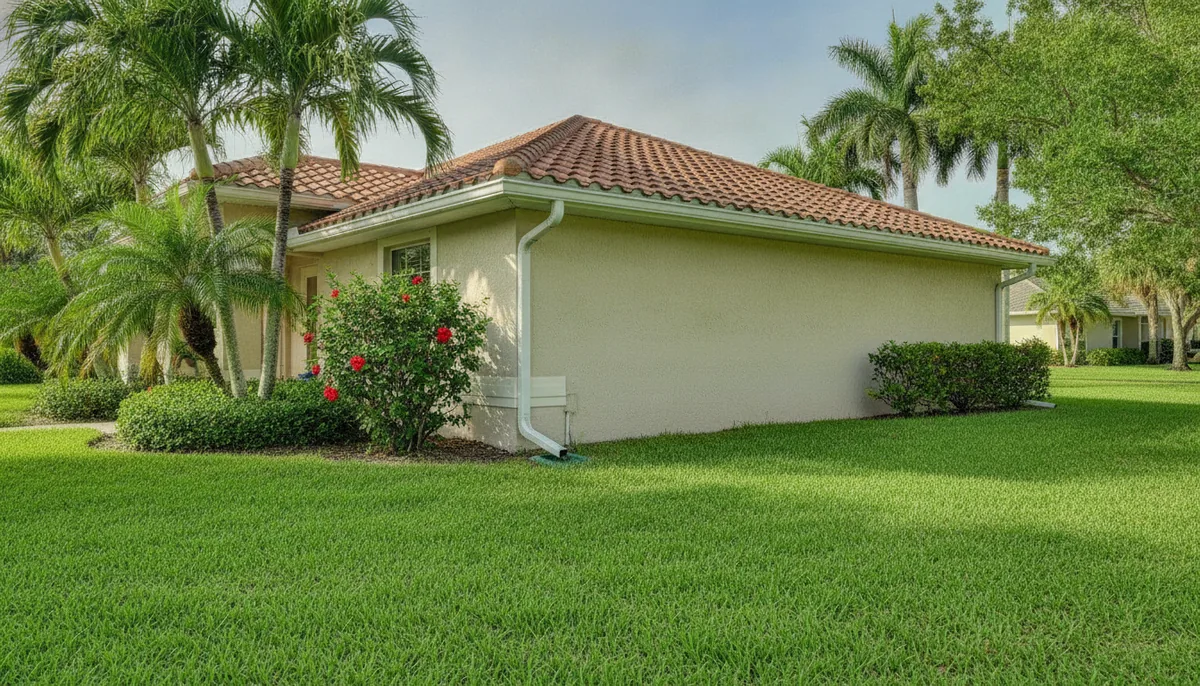
Price per square is how the old guys talk. A “square” is a hundred square feet of roof covering, and that number gets multiplied by the material you chose, the complexity of your roofline, and how much tear-off is involved. A simple box ranch with a 4/12 pitch and one layer of shingles is the cheapest roof you will ever replace in this state. A two-story colonial with a steep pitch, a bunch of valleys, and a tile roof? That is a different animal entirely. The labor goes up with the danger, and the danger goes up with the pitch. I have been wrong about this before, but generally, if a contractor looks at your house for five minutes and gives you a firm price without measuring, he is either guessing or planning to hit you with change orders later.
Access matters too. We have alot of two-story houses where the only way to get a bundle of shingles up is by hand because a lift won't reach. That adds hours to the job. And the tear-off—what is under that old roof—is the one cost that feels like a gamble. If you have three layers of old shingles, the dumpster gets heavier and the labor gets slower. If I peel back the decking and find rot, that gets priced per sheet. Nobody can quote you that part until they see it, no matter what they promise on the phone. Call it a moving target. You are paying for a weatherproof system, not just a skin.
The thing that drives me nuts about this business
People treat the permit like it's optional. They think they're saving money by having the roofer "handle it quietly" or skip the inspection because the guy said he's been doing it for twenty years and never had a problem. Listen to me. I spend my working life in your attic. I am the guy who finds the nail heads penetrating the roof deck because somebody skipped the underlayment step. The permit and the inspection exist so that a guy in boots with a hammer doesn't decide to save twenty minutes and cost you twenty thousand dollars later. If a contractor offers to skip the permit, he is telling you who he is. Walk away. It is that simple.
What about the licence? Who is actually allowed to do this?
Florida roofing contractors are licensed by the Department of Business and Professional Regulation, and they have specific licence prefixes. A certified roofing contractor holds a licence begining with the letters CCC and may work anywhere in the state. A registered roofing contractor holds a licence beginning with RC and may only work in the local jurisdiction that issued it. Before you let anybody on your roof, you ask to see that licence and you check that the number is active on the DBPR roll. You'd be surprised how many guys will happily take a deposit using a licence number that expired three years ago. I don't care if the guy is your cousin's neighbor. A roof replacement requires a permit pulled from your local building department, and it requires an inspection. If the contractor doesn't mention it, you mention it. If he makes a face, find someone else.
What I would actually do: Ask for the contractor's full name and their DBPR licence number. Go to the Florida DBPR website and verify it is active before you sign anything. Also, call your local building department and ask them to confirm a permit has been pulled for your address on the day the work starts. It takes ten minutes and could save you from a major headache.
How do I pay for this without crying?
The sticker shock is real. This is the point where homeowners start looking at their options. A lot of policies in Florida now have stipulations about roofs, but I won't pretend to know your coverage. You need to read your declarations page to see what your insurance company offers. Some policies offer actual cash value, which means depreciation factors in. Others offer replacement cost value. The difference in what you get paid can be substantial.
And here is where that wind mitigation inspection comes in. Florida Statute 627.70132 is the rule that forces insurers to offer discounts for certain features. A wind mitigation inspection documents the roof covering, the roof deck attachment, the roof-to-wall connection, the roof geometry, secondary water resistance, and opening protection. The standard form is OIR-B1-1802. The inspector checks to see how your roof is actually nailed down and wether your roof-to-wall connections can handle the forces of a storm. The inspection costs a fraction of what the annual discount is worth. Most of the time, it pays for itself in one year. I have seen it open doors for discounts that add up over time.
What I would actually do: Ask your agent if your current policy reflects a wind mitigation credit. If you are buying a new policy, ask about it before you close. Getting the inspection done before you sign the policy is a smart move. And if you are in an older home, look into the My Safe Florida Home program for matching grants that can harden your roof and lower your insurance burden. It's a real program for Florida homeowners. I have inspected houses that qualified and saw the difference it makes.
How long does the whole thing take?
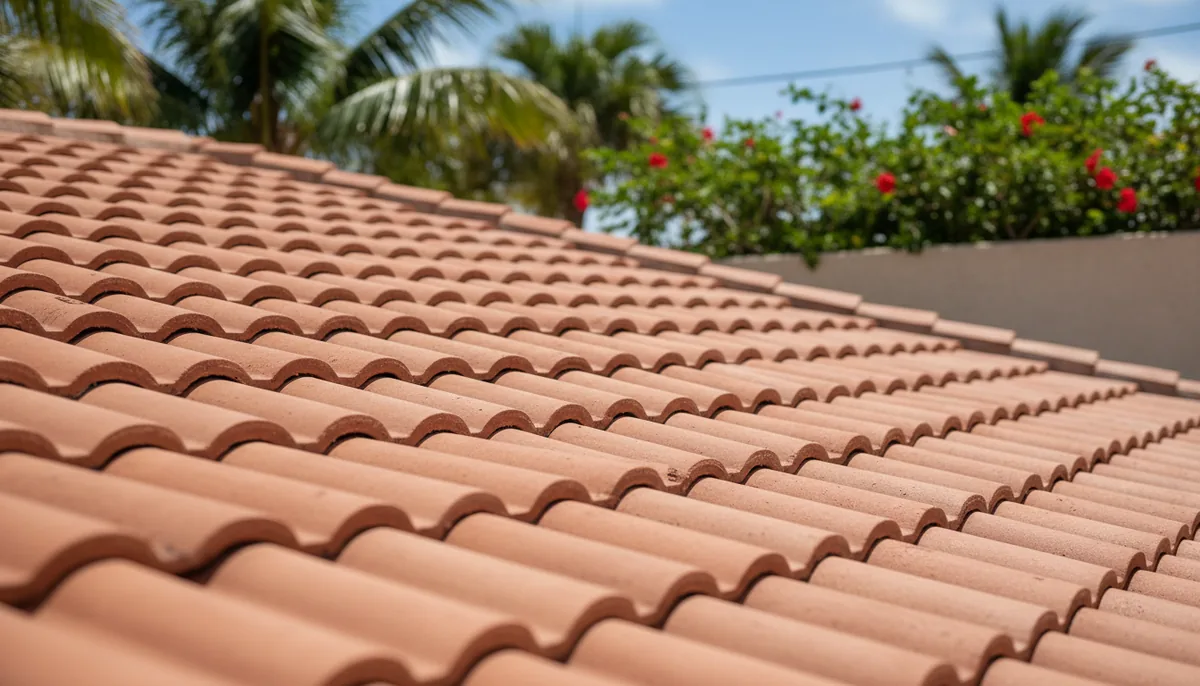
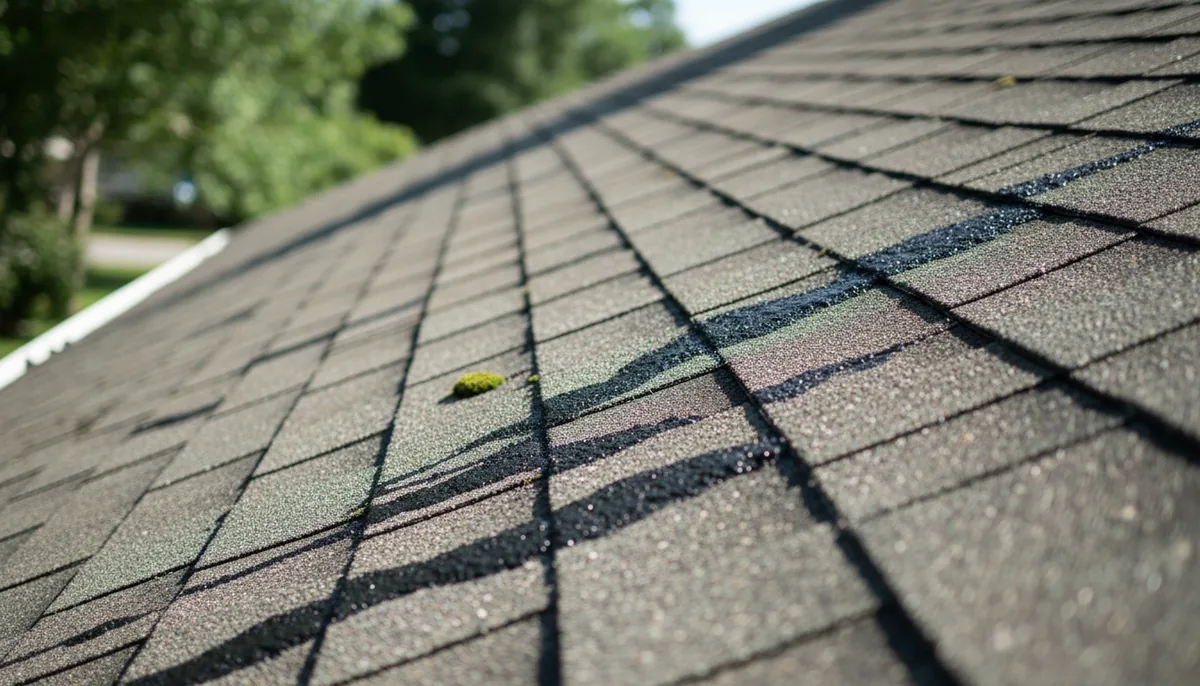
Assuming the wheather cooperates—which, in Florida in the summer, is a coin flip—a standard shingle roof on a simple house is usually done in a day or two. Tile might take a week. The permit inspection happens when the work is done. The contractor calls the building department, they send an inspector out to verify the roof system is sound, and then you get your final approval. That little certificate of occupancy or final inspection sign-off is your proof that the work was done under the rules. You want that paper. Keep it with your deed. If you ever sell the house, the buyer's attorney is going to ask about permits. If you don't have one, the deal can get ugly.
Questions I get asked
Can the insurance company force me to replace my roof to get a policy?
Insurance companies underwrite risk based on the age and condition of the roof. Many will not write a new policy on a roof over a certain age, or they will only offer actual cash value if the roof is older. The specific rules depend on the insurer and your policy. You need to read your declarations page and talk to your agent to understand what is required in your situation.
What is the difference between a certified and registered roofing contractor?
A certified contractor has a CCC prefix and can work anywhere in the state. A registered contractor has an RC prefix and can only work in the jurisdiction that licensed them. That is the law. If a registered guy from one county offers to roof your house in another county, he is operating outside his licence. Walk away.
Is a metal roof worth the extra money?
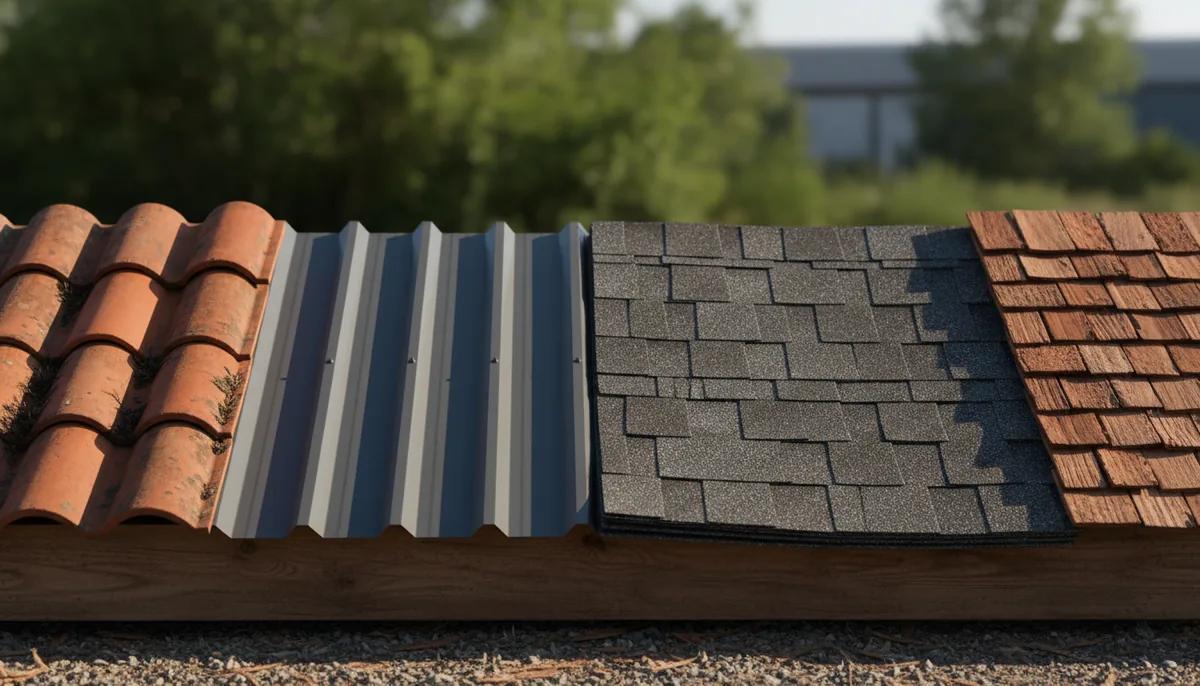
Metal roofs cost more upfront, but they last longer and handle wind better than shingles. They also often qualify for better insurance discounts because of the way they perform in storms. It depends on what is under there, what your budget is, and how long you plan to own the house. I have inspected metal roofs that are forty years old and still solid.
What if my roof leaks and my insurance claim is denied?
I am not an adjuster, and I do not give legal advice. Coverage depends on your policy and the specific cause of the loss. What I can tell you is that a lack of maintenance is a common reason claims get denied. Keep records of your roof's condition. Take photos. If the damage was from a storm, you need to document the damage.
Do I really need to be home for the final inspection?
You should of be, or you need to trust your contractor completely. The inspector will be looking at the workmanship, the flashing, the ventilation, and whether the roof meets code. If you're there, you can ask questions. If you're not, you are relying on a secondhand report. This is your biggest asset. Watch it.
How do I know if a roofing company is reputable?
The directory verifies licences against the DBPR roll. That is a solid first step. Beyond that, ask for references and call them. Look at their work in person if you can. A roofer's work speaks loudly. Check that the licence is active and that the company is insured. Do not just take their word for it. Call your agent and ask if they know the company. Reputation matters out here.