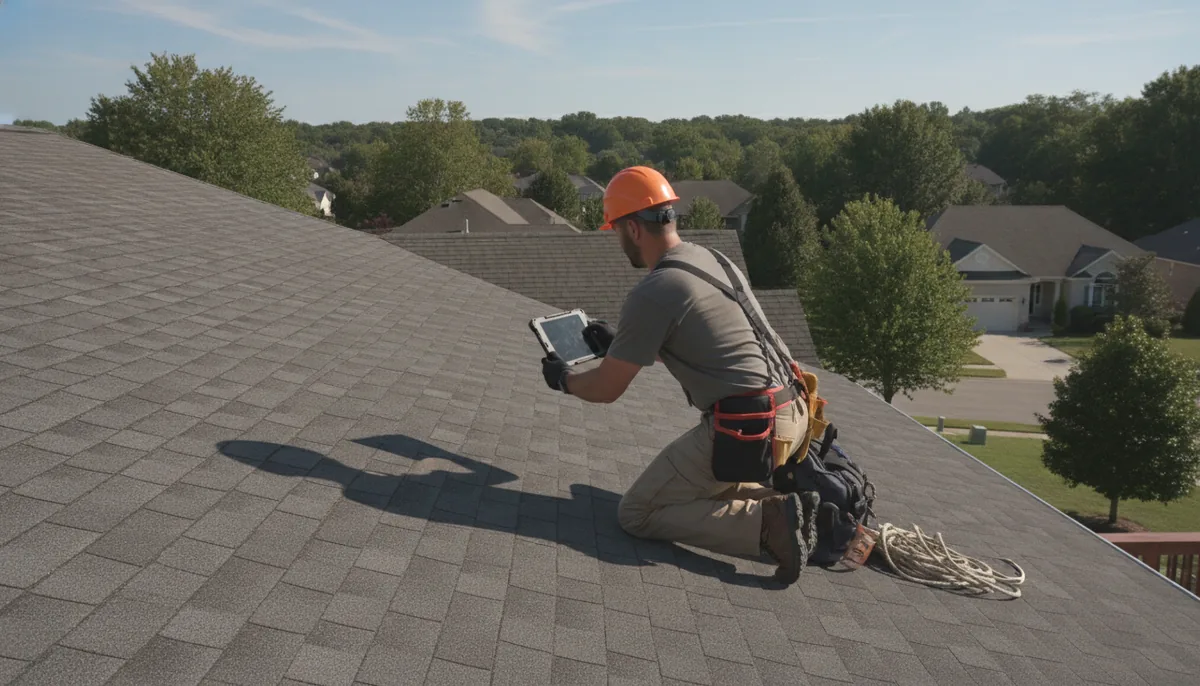
Florida building code roofing: What Florida Homeowners Should Know
By Renata Alvarez, Former property claims adjuster. Reviewed by Hal Winstead, Editor, licensed roofing contractor. Let me tell you about the afternoon in Port Charlotte that made me change how I talk to homeowners. I was adjusting a roof claim after a nasty spring storm, and the homeowner had already signed a contract with a crew that promised a full replacement. The roofer was certain the code required it. The adjuster on the file, my colleague, was certain it didn't. The homeowner stood in the driveway with his arms crossed while we argued about the Florida building code roof replacement trigger. He had a valid claim, but it was half the size he'd been promised, and that gap was never going to be covered by insurance. That's the moment I realized most folks have no idea what the code actually forces them to do.
It matters more than ever now because Florida law changed the deadline for filing a roof claim. Under Florida Statute 627.70132, as amended in 2022, you've got one year from the date of loss for an initial claim, and 18 months for a supplemental claim. That clock runs from when the damage happened, not when you found it. If you miss it, the insurer has a complete defense, even if the loss is covered. Before you pick up the phone, you need to know what you're filing for, and that starts with the code. If you're shopping around for help, the residential roofing companies in Florida directory is a decent place to start, but you should read this first so you understand what you're actually asking them to do.
I spent nine years adjusting roof claims across this state, including two hurricane seasons working catastrophe response. I've stood on ladders in the heat with the shingles sticking to my boots, crawled through attics where the insulation was up to my elbows, and measured more roof slopes than I care to count. Here's the thing about the Florida building code for roof replacement that nobody tells you: most of the time, it's not about making the whole roof perfect. It's about knowing which damage happened when, and what the code demands of the portion you're fixing.
What the Florida roofing code actually controls
The Florida roofing code is part of the state building code, and it sets the minimum standard for how a roof must be constructed and repaired. It's not a style guide. It's a safety standard, written mostly for wind resistance, because that's what tries to kill us here. The code covers everything from the shingle type to how the decking is nailed to the trusses. When a contractor tells you "the code requires" something, what they usually mean is the code sets that as the minimum legal bar for your area, and your local jurisdiction enforces it.
But here's where it gets messy. Your insurance policy doesn't pay to bring a roof "up to code" just because it's old or outdated. Insurance pays for sudden, accidental damage. Code upgrade coverage, if you have it, pays for the difference between repairing the damaged part and what the current code demands for that repair. That's a completely different bucket of money. Read your declarations page to see if you even carry that coverage, because plenty of people don't and find out the hard way.
I have been wrong about this before, and I'll be wrong again, but I can tell you this much: the biggest argument I ever had with a homeowner was about the 25% rule, and they were stunned to learn it had changed.
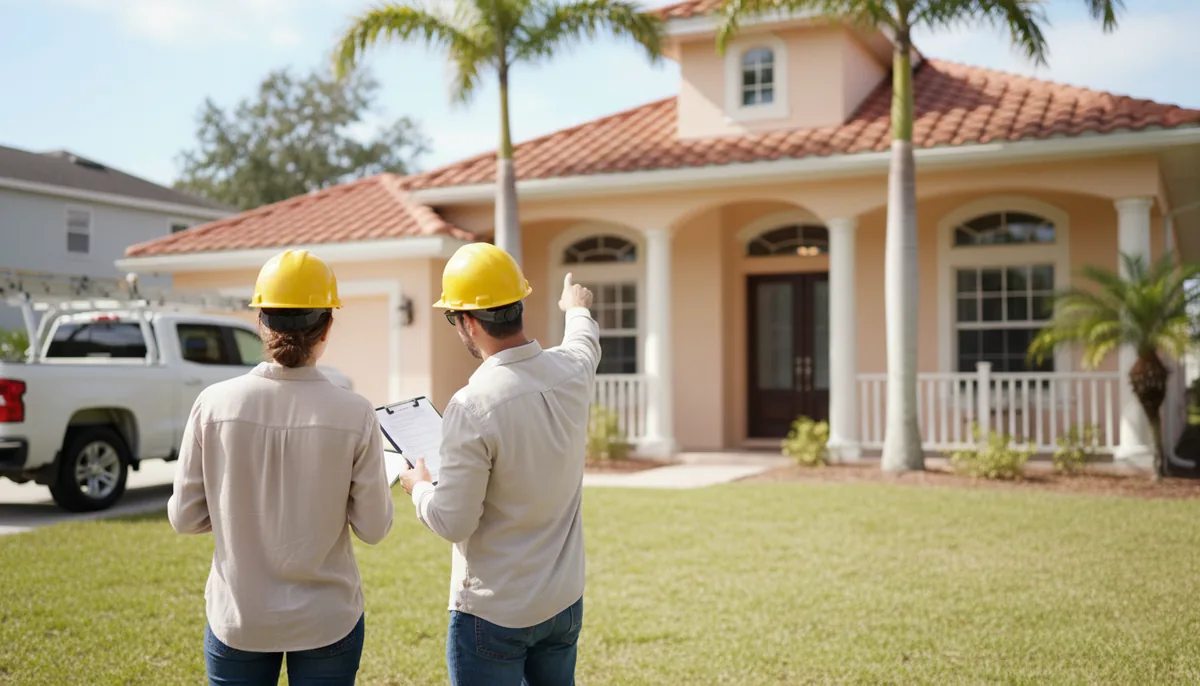
The 25% rule and why the 2023 code changed your roof replacement
You've probably heard of the "25% rule." For years, it worked like this: if more than 25% of your roof was damaged, the entire roof had to be brought up to current code, meaning a full replacement wether insurance paid for all of it or not. That rule came from the old Florida Building Code, and it caused more fights between adjusters and contractors than anything else I can name.
Then Florida passed SB 4-D in 2022, effective May 26 of that year, and the whole thing shifted. Under the change, if your roof was built, repaired, or replaced under the 2007 Florida Building Code or any later edition, then only the portion being worked on must meet the current code. The full replacement is no longer automatically triggered by crossing the 25% threshold. But here's the catch: the 2007 code took effect on March 1, 2009. If your roof is older than that, it probably doesn't qualify for the more relaxed standard. So the "25% rule" still exists, but only for roofs that haven't been touched since before spring of 2009.
That's the kind of nuance that decides whether you're getting a $3,000 repair or a $25,000 replacement. And I'll tell you, contractors on commission sometimes have a way of "discovering" code requirements that conveniently point toward a bigger job. Ask to see it in writing. Call your local building department.
What I would actually do: When a roofer tells you the code forces a full replacement, ask them to write it down on a signed document and include the code edition and the section they're referencing. Then call the local building official and verify it. I've watched that one two-minute phone call save people six figures.
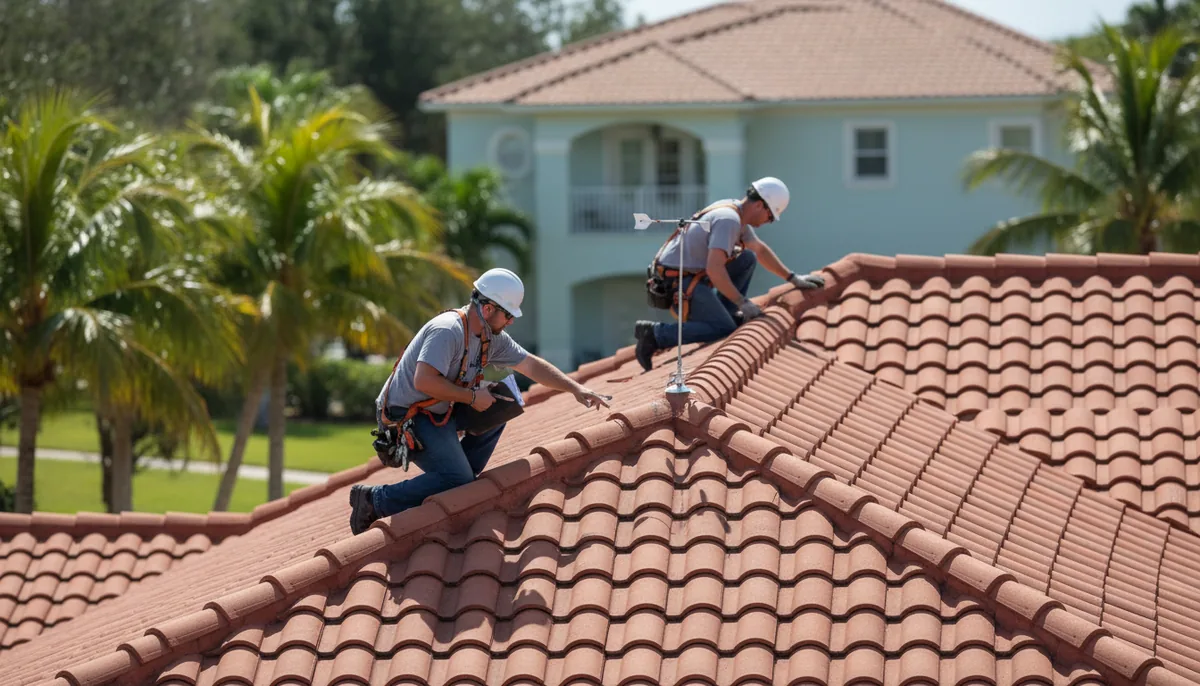
Florida shingle roof code and minimum slope requirements
The Florida shingle roof code is strict about materials and installation because of wind. For asphalt shingles, the code sets standards for wind resistance that are alot higher than what you'd see in, say, Ohio. The shingles need to meet a specific wind classification, and the nailing pattern is regulated, including the number of nails per shingle and where they go. I've torn off enough roofs to tell you that the nail pattern is where I see corners cut. The roofer knows the inspector might catch a missing nail in the middle of a field, but they're betting on the inspector missing it in a valley or a rake edge.
Minimum roof slope matters too. The Florida building code minimum roof slope for asphalt shingles is generally considered to be 2:12, but here's what nobody tells you: that's the minimum just for water to run off, not for shingles to work properly. Standard shingles need a steeper slope, usually 4:12, to function as designed. Below that, you need special low-slope shingles or a different material altogether. I've seen homeowners put standard architectural shingles on a 2:12 porch roof because the contractor said it was fine. It wasn't fine. It leaked within a year, but by then the contractor had vanished. The code is the floor, not the ceiling. If your roof pitch is low, ask about it specifically.
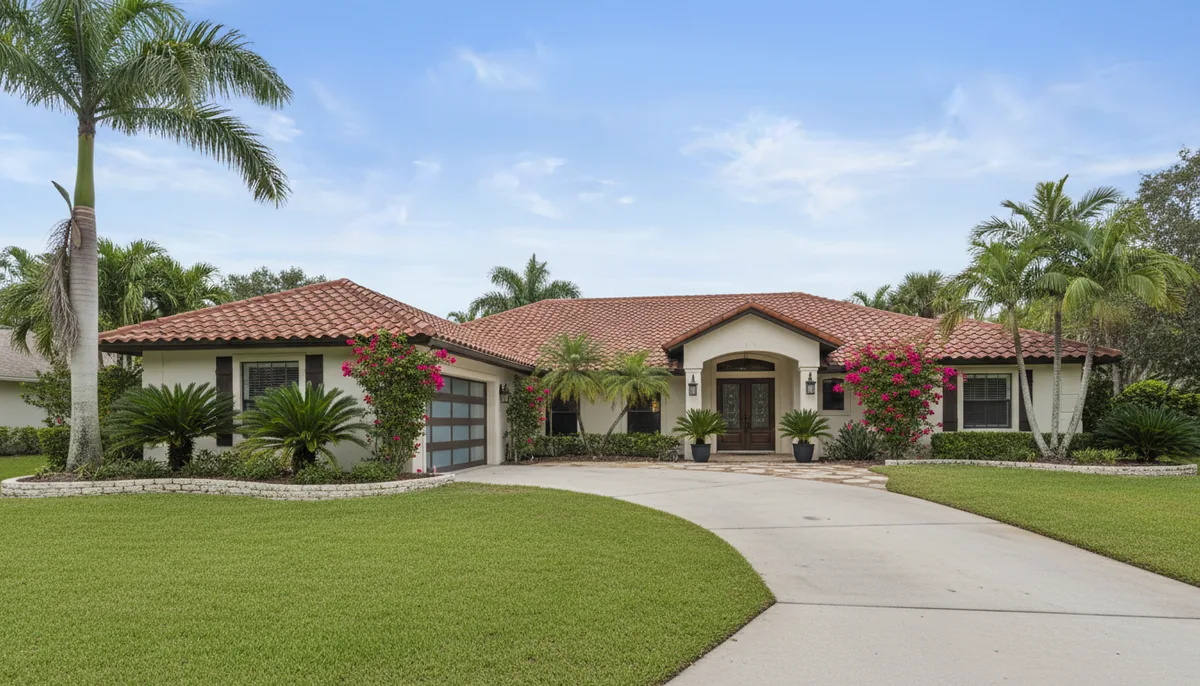
Florida metal roofing codes and what can catch you on inspection
Metal roofs are popular here because they handle wind and hail better than shingles, but the Florida metal roofing codes are not simpler, they're just different. The code is picky about fastener placement, the spacing of the screws, the size of the washers, and how the panels attach to the structure. Most metal roofs I inspect that fail, fail at the fasteners. Panels get ripped off because somebody used a shorter screw than required, or skipped a purlin. The panel itself rarely tears. It's the attachment that gives up.
Metal roofs also require specific attention to the substrate underneath, especially the underlayment. I've seen installers skip the peel-and-stick underlayment on lower slopes because it costs more, and then the building inspector catches it at final. That means the contractor has to pull up panels to fix it, which takes forever and costs everyone money. The inspection is not the enemy. The inspection is the last line of defense between you and a contractor who's five crews behind and wants to get to the next job.
What I would actually do: Ask the contractor specifically how many nails per shingle they use, or what screw length and spacing the metal roof requires, before you sign anything. If they can't answer without looking it up, that's fine. If they answer wrong with total confidence, walk away.
The insurance discount code you're probably missing
There is one entirely seperate system that runs alongside the Florida roofing code, and it's the wind mitigation inspection. This is documented on form OIR-B1-1802, and Florida insurers are required to offer premium discounts for certain features it identifies. The inspection looks at five things: roof covering, roof deck attachment, roof-to-wall connection, roof geometry, secondary water resistance, and opening protection. The form checks whether your roof is shaped to handle wind, whether it's attached to the walls in a way that keeps it on during a storm, and whether your windows can take a hit.
A wind mitigation inspection costs a few hundred dollars, call it the price of a dinner out, and the annual discount it unlocks can dwarf that cost in a single year. The catch is that you have to ask your insurer for the discount and provide the form. Insurers do not volunteer to charge you less. I've seen premium differences of thousands of dollars between two identical houses next door to each other, where one had the inspection done and the other didn't. The other one just never knew.
And then there's Citizens Property Insurance Corporation, the state-backed insurer of last resort for people who can't find coverage in the private market. If you're with Citizens, the discount structure is still there, but the roof requirements might be stricter because Citizens has it's own underwriting rules that go beyond the building code. That's a different set of rules entirely, and one more reason to read your policy documents carefully. Also, My Safe Florida Home is a state program that offers free wind mitigation inspections and matching grants for certain hurricane-hardening improvements, if the homeowner qualifies. The funding is appropriated per cycle and can run out, so it's not always open. Check whether the program is currently accepting applications before you plan around it.
What counts as a roof repair versus a replacement in Florida insurance
Here's the practical question that gets people in trouble. Your roof is leaking at one corner, maybe around a flashing or a vent pipe. You call a roofer, they say the damage is localized and the code allows them to repair just that section. The insurance company agrees and writes a check for the repair. You're happy. Then you get another leak somewhere else six months later. You file a supplemental claim for that new damage, and the insurer says you're too late, because that damage happened more than a year ago even though you just discovered it. That's the one-year rule under Florida Statute 627.70132, and it's brutal.
Or the opposite happens. The roofer finds that the repair area is bigger than expected once they're under the shingles. The decking is rotten underneath. What looked like a 100-square-foot repair turns into a 400-square-foot repair, and suddenly you're over the threshold where the code might require a full replacement of that slope. The roofer stops work and asks you for more money. The insurance company says the extra wasn't documented in the initial claim. You're stuck in the middle.
That's why the supplemental claim timeline matters so much. The 18-month window for supplemental claims is your only chance to get the insurance company to pay for the new damage discovered during the repair. After 18 months, the insurer can refuse to pay for anything new, even if the original repair exposed it. So if you're in the middle of a repair and the scope creeps, you need to document it and file a supplemental claim immediatly. Do not wait until the work is finished. Do not wait until the roofer sends you an invoice. The clock is already running.
Florida roofing codes 2023 and how the state repealed the old full-replacement trigger
I want to make sure you understand what the current code does and doesn't do, because I still see attorneys and public adjusters arguing about it in parking lots after the same storm. The state changed the rule in 2022, so the relevant year for the regulation is 2022, not 2023. The code edition might have a different year on its cover, but the trigger rule change is what matters. If your roof was built or repaired to the 2007 Florida Building Code or later, the full-replacement trigger based on repair percentage is gone. That's the headline. For older roofs, the older rule still applies, and that's why I ask every homeowner one question: has any part of this roof been replaced or repaired since March of 2009? The answer changes everything about what your claim is worth.
If the roof was replaced after 2009, even if a later storm damaged only a small section, the repair just has to meet current code for that section. The rest of the roof can stay as is, and your insurer only pays for the damaged part. If the roof was built before 2009 and hasn't been touched, your entire roof might need to meet current code once the damaged portion crosses the old 25% threshold. That can mean a full replacement that the policy must pay for, subject to your coverage terms. I've had homeowners tell me the older roof is the "better" roof because the full replacement gets paid. That's backwards, but it's not wrong. It just depends what side of the argument you're on.
The practical takeaway is this: get your roof checked after any significant storm, whether you think it's damaged or not. Get a written report with photographs. And for the love of everything, verify your contractor's license before you sign. Florida roofing contractors are licensed by the Department of Business and Professional Regulation. A certified contractor has a license prefix of CCC and can work anywhere in the state. A registered contractor has an RC prefix and can only work in the local jurisdiction that issued the license. Always verify the number is active on the DBPR roll before you pay a deposit. I've met too many homeowners who hired the cheapest guy and ended up with a roof that the county wouldn't sign off on.
Questions I get asked
How long do I have to report roof damage to my insurance?
You have one year from the date of loss for an initial or reopened claim, and 18 months from the date of loss for a supplemental claim, under Florida Statute 627.70132. The date of loss is when the damage happened, not when you discovered it. If you're past that deadline, the insurer can deny the claim outright, even if the damage is covered.
Does the 25% rule require me to replace my whole roof?
Only if your roof was built before the 2007 Florida Building Code took effect in March 2009, and the damaged area crosses 25% of the roof. If your roof was built or repaired under the 2007 code or later, only the portion being worked on must meet current code. Ask your contractor which edition of the code your roof falls under.
What does a wind mitigation inspection cost and is it worth it?
A wind mitigation inspection costs much less than a typical annual premium discount it can open up, so it's almost always worth doing if your home qualifies. The inspector documents the features on form OIR-B1-1802, and your insurer must offer discounts for qualifying features. You just have to ask for the discount after the inspection is done.
Can I repair a shingle roof with a low slope?
The Florida building code has a minimum roof slope, but standard shingles need a steeper pitch to function properly. If your roof slope is below that threshold, you may need special low-slope shingles or a different material. Ask your roofer what they're installing and why, and get the answer in writing.
What is the difference between a certified and registered roofing contractor in Florida?
A certified roofing contractor holds a CCC license and can work anywhere in Florida. A registered roofing contractor holds an RC license and can only work in the jurisdiction that issued it. Check the DBPR license roll before you hire anyone, and insist on seeing a license with the correct prefix. Also, make sure the license is active, not just issued.
More from the site
- Roof age insurance florida: What Florida Homeowners Should Know
- Roof damage insurance lawyer florida: What Florida Homeowners Should Know
- Hurricane roof damage florida insurance: What Florida Homeowners Should Know
- Florida roof insurance claim: What Florida Homeowners Should Know
- Roof damage hurricane insurance lawyer florida: What Florida Homeowners Should Know