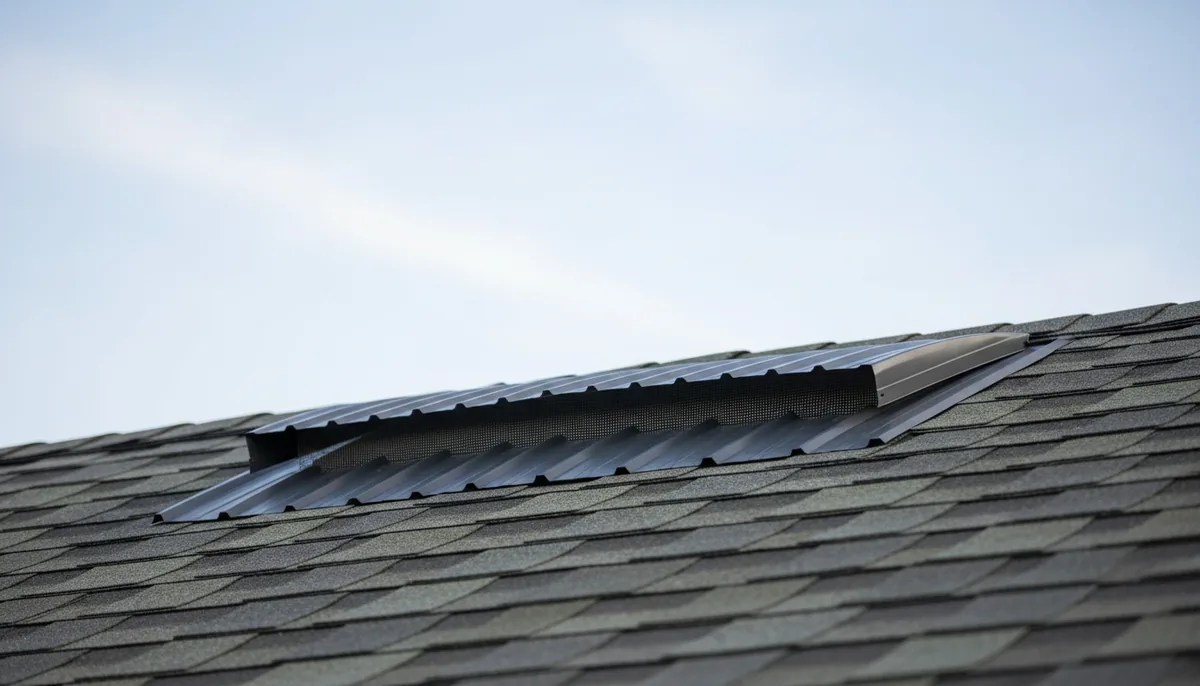
Florida clean roof: The Florida Guide
By Marcy Doleman, Commercial roofing estimator. Reviewed by Hal Winstead, Editor, licensed roofing contractor.
Looking for Florida Clean Roof? They are listed in this directory, in Loxahatchee, with their Florida DBPR licence number and whether that licence is currently active. See the Florida Clean Roof listing.
Last June I climbed onto a warehouse roof in Fort Pierce to price a reroof for a plumbing supply company. The owner was proud of his “clean roof.” I took three steps and felt a soft spot open under my boot; the pressure-washing crew had scrubbed the mineral surface off the laps of a 20-year-old modified-bitumen roof. If you are googling “Florida clean roof” because a cleaning crew has already been out, start with the roof cleaning companies in Florida page. Low-slope membranes need a different touch than a concrete driveway.
I’m Marcy Doleman. I estimate flat and low-slope commercial work — TPO, modified bitumen, coatings — for warehouses, retail plazas and schools across the state. I don’t wash roofs for a living, but I walk alot of roofs that have been washed. A Florida clean roof is not a roof that looks bright from the street. It’s a roof that drains, can be inspected, and doesn’t have a hidden leak waiting to show up in a tenant’s ceiling tile.
What does a Florida clean roof actually mean?
For a house, “Florida clean roof” usually means no black algae streaks on the asphalt shingles. For a commercial low-slope roof, it means something less glamorous: no ponding water, no oak litter holding moisture against the membrane, no debris hiding a seam that has opened up. In this heat, standing water is the enemy. A roof can look filthy and test fine; a roof can look clean and hold water in every low spot.
Call it clean enough to inspect. That’s the standard I use when I’m bidding a coating job. If I can’t see the membrane and the terminations, I can’t tell you what’s under there. And neither can anyone else.
What I would actually do: If I needed a coated roof to last, I would find a cleaner who uses low pressure and a rinse — not a pressure washer — and I’d ask what the membrane manufacturer allows before any chemical touched the roof.
The licence check I run before I trust anyone on the roof
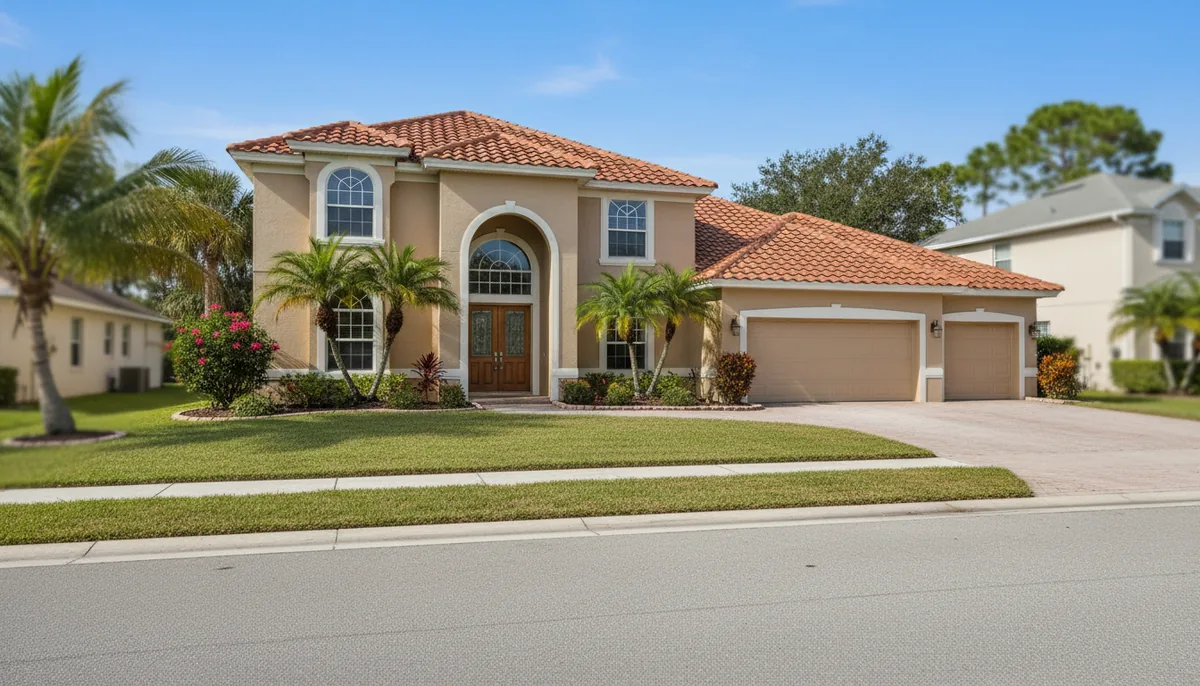
Florida roofing contractors are licensed by the Department of Business and Professional Regulation — the DBPR. A certified roofing contractor’s licence begins with CCC and may work anywhere in the state. A registered roofing contractor’s licence begins with RC and may only work in the local jurisdiction that licensed them.
I always verify the number is active before I include a subcontractor in an estimate. I of caught an expired licence that way. Printed on a truck means nothing; the DBPR roll is the truth. If a contractor cannot give you a licence number you can check, do not let them near a roof.
The RC distinction matters more than people think. An RC contractor licensed in one county is not automatically allowed to work in the next county. Just because they drive over doesn’t mean they’re legal there.
Why I cringe when someone says “we power washed it”
Power washing is great for sidewalks. It is hard on roof membranes. On modified bitumen, high pressure can wash away the mineral surface and leave the laps feathered. On TPO, it can force water under the edges and leave wrinkles you won’t notice until a storm test. A roof that was “cleaned” last month can be leaking by the next big rain.
A low-slope roof doesn’t need a blast. It needs the debris off, the drains clear, and the seams left alone. The differences in cleaning are not visible from the parking lot.
Florida wheather always gets a vote, too. I once had a coating crew ready to spray a retail plaza near Orlando, and the afternoon thunderstorm arrived before the first coat had skinned over. We spent the next morning fixing blisters. The roof wasn’t dirty. It was just Florida. That’s why clean-and-dry matters more than clean-and-shiny.
The permit is your friend, and the roofer who skips it is not
A roof replacement in Florida requires a permit pulled from the local building department and an inspection. A contractor who offers to skip the permit is a contractor to walk away from. I know permits cost time and money, but an unpermitted roof can complicate both an insurance claim and a future sale.
That paperwork is also your only proof of what code edition your roof was built under. If you don’t have the permit, you don’t have the records. And records matter more now, after the code rule changes.
What I would actually do: I would not let a crew set foot on a commercial roof until I saw an active DBPR licence number starting with CCC or RC and a permit number from the local building department when a replacement was involved.
The old 25% rule nobody told the property manager about
A lot of property managers still beleive the old line: repair more than 25% of a roof in a year and you have to replace the whole roof. That rule came out of the Florida Building Code. Then SB 4-D (2022) changed it.
Here’s the part I repeat on bids: if the roof was built, repaired or replaced to the 2007 Florida Building Code or any later edition, only the portion being worked on must meet current code. A full replacement is no longer automatically triggered. The 2007 code took effect on 1 March 2009, so roofs completed before that date generally do not qualify.
So when a roofer tells you “we have to do the whole roof because of code,” ask which code edition the roof was built under. Ask them to put it in writing. There are roofs where a repair is genuinely not smart, but “the code made me do it” is often a sales pitch in disguise.
How a wind mitigation inspection fits into a Florida clean roof plan
A wind mitigation inspection checks six things: roof covering, roof deck attachment, roof-to-wall connection, roof geometry, secondary water resistance, and opening protection. The standard form is OIR-B1-1802. Florida insurers must offer premium discounts for qualifying features.
That inspection is one of the few things that can pay for itself. But it needs access. I have seen an inspector take one look at a roof covered in leaves and standing water and note that the details couldn’t be verified. A clean roof is not what earns the discount by itself — the documented features are — but a dirty roof can hide the features that would qualify.
Coverage varies from policy to policy, so do not assume anything. Read your declarations page. Ask your agent which discounts your policy already includes. I can tell you if a roof is in shape to be inspected; I cannot tell you wether your specific policy rewards it.
Questions I get asked
Does cleaning a roof help with a wind mitigation discount?
No, cleaning alone is not an inspection. A wind mitigation inspector has to document the roof covering, deck attachment, roof-to-wall connection, roof geometry, secondary water resistance, and opening protection on form OIR-B1-1802. A clean roof just makes that process possible.
Do I need a permit to replace a roof in Florida?
Yes, a roof replacement in Florida requires a permit pulled from the local building department and an inspection. The permit is not optional, even if the contractor says they can save you money by skipping it. An unpermitted roof can complicate an insurance claim and a future sale.
What’s the difference between a certified and a registered roofing contractor?
A certified roofing contractor’s DBPR licence starts with CCC and may work anywhere in the state. A registered roofing contractor’s licence starts with RC and may only work in the local jurisdiction that issued it. Check the DBPR roll and confirm the licence is active before hiring.
My roof was built before 2009. Does SB 4-D help me avoid a full replacement?
Only if the roof was built, repaired, or replaced under the 2007 Florida Building Code or a later edition. SB 4-D (2022) generally does not qualify roofs completed before 1 March 2009. The permit records are the way to prove which code edition applies.
How do I know if the contractor is actually licensed?
Search the DBPR roll for the licence number and confirm the status is active. Then look at the prefix: CCC means statewide authority, RC means only the local jurisdiction that issued it. An active licence number is the minimum I would accept from anyone climbing on a roof.
Can you tell me if my insurance will cover a roof replacement?
I can’t tell you that, because I don’t know your policy and I am not an adjuster. Coverage varies by policy. Read your declarations page, read the exclusions, and ask your agent directly about roof age, pre-existing damage, and replacement cost provisions.