Florida hail damage roof — How Bad Is It, Really?
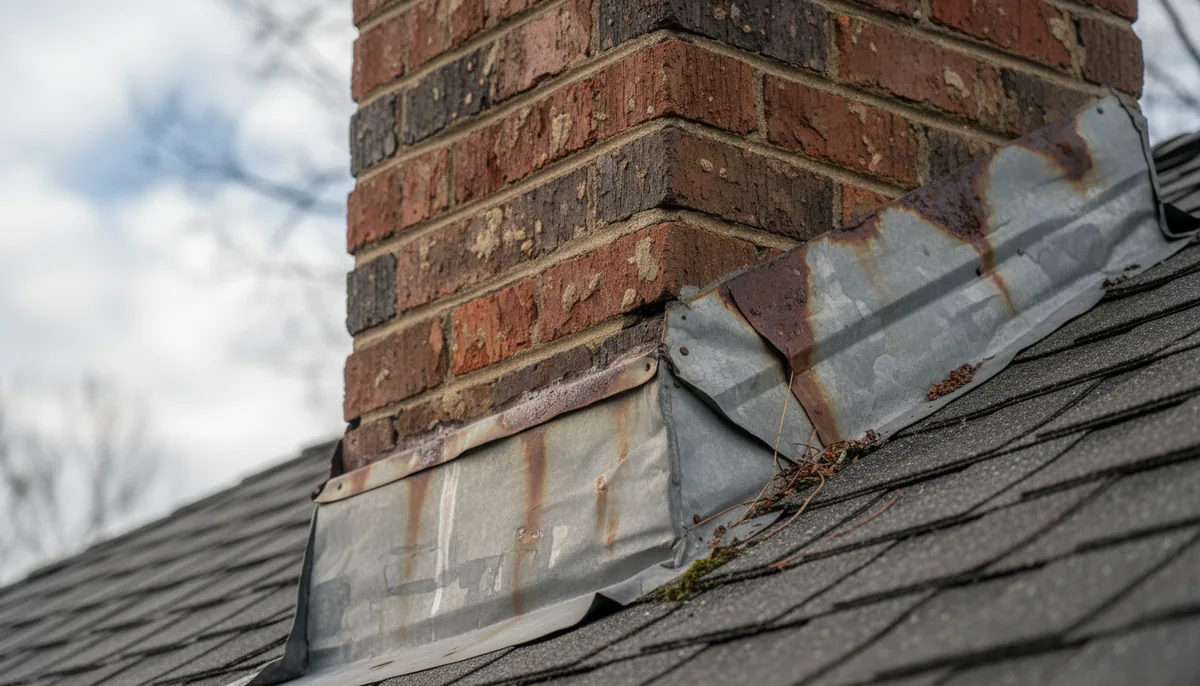
By Dale Prescott, Roofing contractor, Central Florida. Reviewed by Hal Winstead, Editor, licensed roofing contractor. I remember a March afternoon in Lakeland, hail the size of ping-pong balls hammering a barrel-tile roof for maybe twenty minutes. The homeowner called me the next day because a single tile had slid off and cracked on the driveway. When I got on the roof, I found the real story: the hail had driven hairline fractures through the concrete tile and chewed the flashings around the chimney into ragged copper lace. The damage wasn't the one tile. It was everything underneath that you couldn't see from the lawn. That's the thing about hail in Florida—it doesn't always announce itself with a dramatic hole.
Half my job in this business is telling people wether they actually have a claim or not, and the honest answer is "depends." Hail damage to a Florida roof is a strange beast because our roofs are built for sun and wind, not ice falling out of the sky. But hail hits Central Florida more often than people think, and when it does, the damage can be subtle, extensive, and expensive. Before you climb a ladder or call your adjuster, you should understand how the rules changed in 2022, because they changed the whole game for every homeowner with an older roof. And if you're looking for someone to take a look, the storm damage roofing companies in Florida directory is a decent starting point—just make sure you verify their license before they get on your roof.
The 25% rule is gone. That changes your math.
For years, the rule that governed every storm-damage roof in Florida was the '25% rule' from the Florida Building Code. If your roof had more than a quarter of it's area damaged, you were forced to replace the whole thing to bring it up to current code. That was the hammer that made insurers pay for full replacements after every decent hailstorm. It also made alot of roofing contractors very happy, and made a lot of insurance companies very unhappy.
Then SB 4-D came along in May 2022 and changed the calculus. If your roof was built, repaired, or replaced under the 2007 Florida Building Code or any later edition, then only the portion being worked on has to meet current code. That means a full roof replacement is no longer automatically triggered just because you cross that 25% threshold. The 2007 code took effect on March 1, 2009, so if your roof went on before that date, you're generally looking at the old rule. If it went on after, you might be fixing just the damaged section. I have been wrong about this before, so don't take my word as gospel—check your permit history and talk to a local contractor who knows your jurisdiction. The point is, the old playbook is dead, and a lot of adjusters and contractors are still figuring out the new one.
What hail actually does to a Florida roof
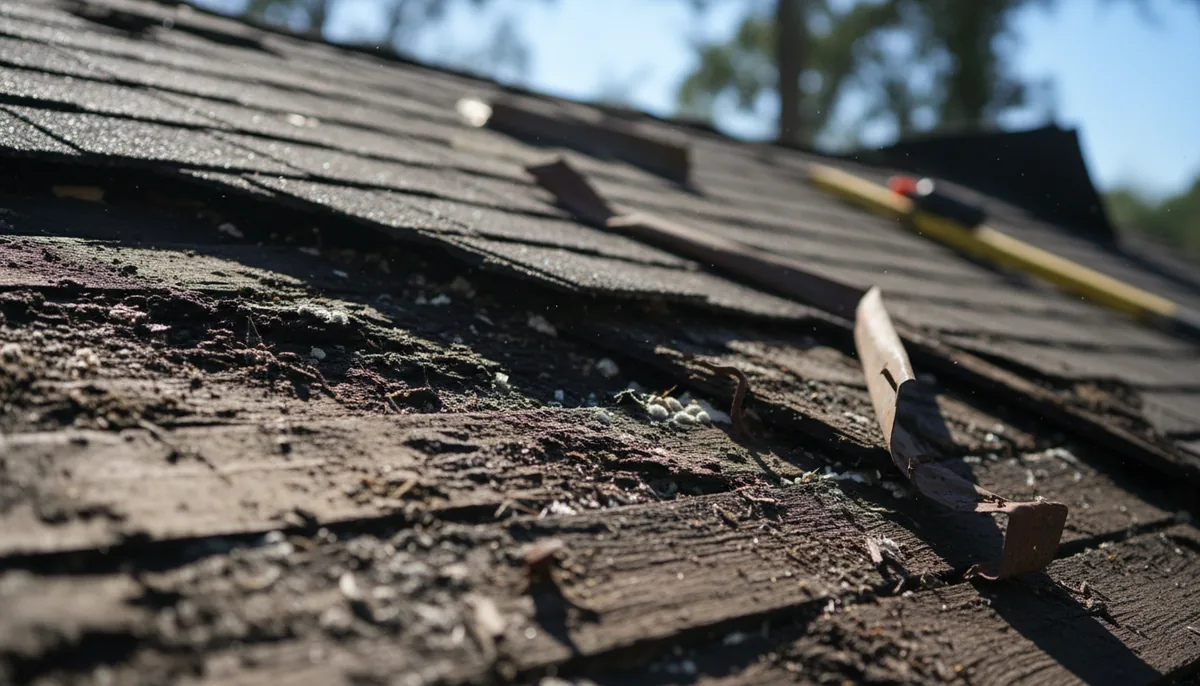
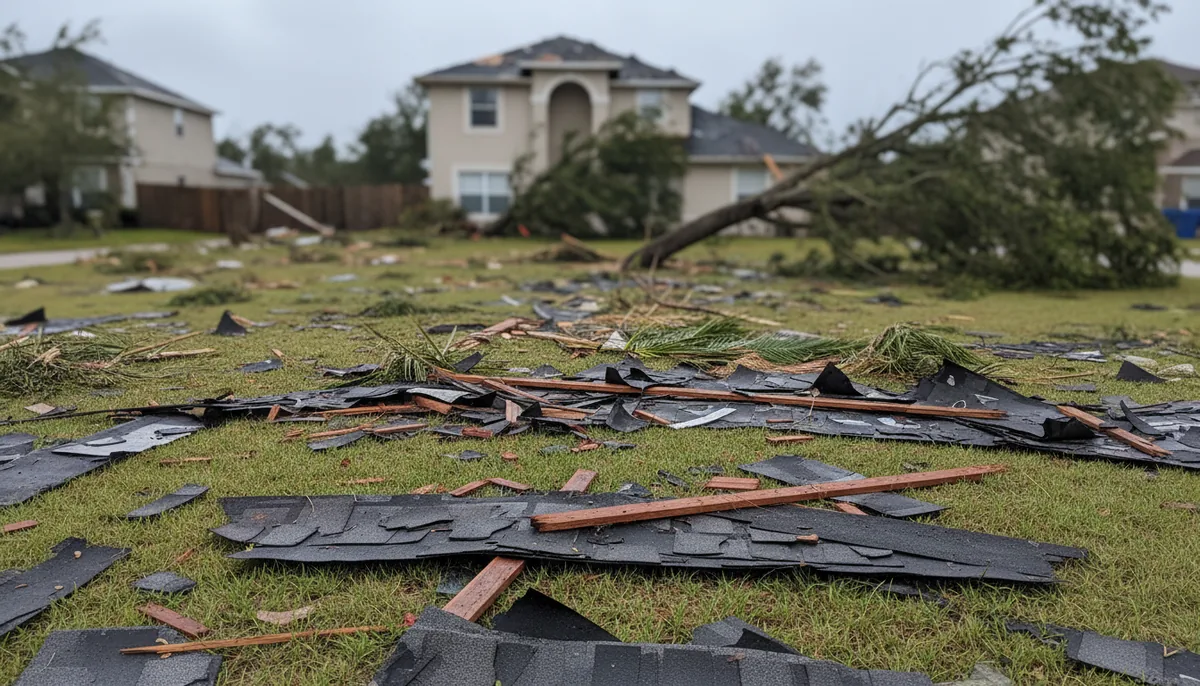
Hail damage is not always what the television news makes it look like. You don't usually get gaping holes in a tile roof. Hail hits concrete tile and causes what we call "bruising" or hairline fractures—the tile looks fine from the ground, but the integrity is gone. A few months later, a hot day and a slight shift will crack it clean through. On a shingle roof, hail bruises the asphalt and knocks the granules off. That leaves a dark spot where the fiberglass mat is exposed. The shingle is still there, but it's aging ten years overnight and will eventually split.
The other place hail hits hardest is the metal work. Flashings at the chimney, the vent boots, the ridge cap, and the drip edge—these are thin metal, and hail dents them. A dent in a flashing may not leak today, but it's a weak point. Water finds those spots eventually. The damage depends what is under there, how old the roof is, the pitch, the exposure, and the direction the storm came from. I've seen one side of a roof destroyed and the other side untouched. You cannot inspect this from the ground with binoculars and a cup of coffee, no matter what anyone tells you. You have to get on it.
What I would actually do: Get a licensed contractor up there, not a public adjuster and not your insurance company's "inspector." Your guy is the one who will spend an hour on his hands and knees pulling up the loose bits. Take a ladder, take photos of the flashings and the hip caps, and ask him to point out the bruise marks. If he shows you a handful of granules and a dented vent boot, you've got a case.
So how bad is it really? The 2022 claim clock is the real killer
Here is the part that gets people in trouble. Under Florida Statute 627.70132, as amended in 2022, you have to notify your insurer of an initial or reopened property insurance claim within ONE YEAR of the date of loss. For a supplemental claim—that means additional damage found later—you have 18 months. This used to be three years. The clock starts from the date the hail actually hit your roof, not from the day you discovered the damage. That is a brutal rule, and it catches a lot of people who think they have time.
Let me tell you what that means in practice. Say a hailstorm hit your neighborhood on March 15. You didn't notice the damage until November, when a leak shows up in the guest bedroom. You call your insurer in November—that's within the year, so you're fine for the first claim. But then, in March of the following year, your roofer finds a whole section of damaged tile on the back slope that nobody saw the first time. That's a supplemental claim, and the 18-month clock started on March 15 of the storm year. You might have missed it by two weeks, and your insurer can deny the supplemental claim completely, even if it's a covered loss. I have seen it happen to a very sharp retired engineer in Winter Haven who did everything right except read the fine print on the deadline. Missing that deadline gives the insurer a complete defense, even on a covered loss. The damage itself doesn't have to be covered by your policy—the notice deadline is a seperate hurdle entirely. Read your declarations page, and if you're not sure when your storm hit, call your agent before you call anyone else.
What I would actually do: Do not wait for a leak. After any hail event, get on the roof or hire someone to get on it within a few weeks. If you find damage, file the notice immediately. If the roofer says "you have time," get a second opinion because he might be building you a claim that is already dead on arrival. The earlier you file, the more options you have.
Permits, licenses, and the guys who whisper "we don't need one"
A roof replacement in Florida requires a permit from your local building department, and it requires an inspection. Period. A contractor who offers to skip the permit to speed things up or save money is a contractor you should walk away from—an unpermitted roof can complicate an insurance claim and it will absolutely complicate a future sale. I get it, permits cost money and take time. But when the buyer's inspector finds a roof with no permit history, that's thousands of dollars off your asking price.
Your contractor should also be licensed through the Department of Business and Professional Regulation (DBPR). You want to check their license number. A CERTIFIED roofing contractor has a license starting with CCC and can work anywhere in the state. A REGISTERED contractor has a license starting RC and can only work in the local jurisdiction that licensed them. I run into registered guys trying to work counties over, and it's not worth the headache. The DBPR roll is public. Look up the number, make sure it's active, and don't take the contractor's word for it—check it yourself. If they get defensive, that's your answer.
There is also the My Safe Florida Home program if you're looking for wind mitigation work, not hail. That's a separate deal, but worth checking if you're planning on a replacement anyway and want to know about retrofits. Just don't assume hail damage qualifies for a wind mitigation credit, because it doesn't work that way.
The insurance adjuster is not your enemy, but they're not your roofer either
When the adjuster comes out, they're looking for a reason to say "no." That's their job. The good ones are fair, but they work for the insurer. Your contractor works for you. Have the contractor meet the adjuster on the roof. That's when you get the full story—the contractor points out the bruising, the adjuster takes photos, and they argue it out on the shingles where it belongs. If you're not there, the two of them will just talk past each other, and you'll get a letter telling you your claim is denied or underpaid.
Now, I know what you're thinking. "The roofer just wants to sell me a roof." True. But a relationship with a roofer who does this every day is worth more than a claims adjuster who covers a territory of four counties and has seen hail damage maybe six times this year. The roofer knows what the local code requires, what the local adjusters are paying, and what kind of evidence gets a claim approved. If the roofer says the roof is done, but the adjuster disagrees, you have options. Get the roofer's report in writing, take photos yourself, and ask for a reconsideration. Don't take the first denial as the final word.
Questions I get asked
How can I tell if my roof has hail damage without getting on it?
You can't, not reliably. You can look for loose granules in the gutters or dings on the gutters and metal vents from the ground, but real hail damage—the bruising on shingles and the hairline fractures in tile—needs a hands-on look. Shingles can be damaged and look fine from below. Get a professional up there. It's worth the trip charge to know for sure.
Is my roof automatically totaled if my neighbor's roof was totaled?
No. Hail is fickle. Your neighbor's south-facing slope may have taken the brunt while your house had a big oak tree breaking the fall. I've seen a street where every single roof needed replacement on one side and the other side was untouched. The only way to know if your roof is done is to inspect the specific roof.
Does the 2022 law mean I can never get a full roof paid for anymore?
No, it means the threshold for a full replacement is different. If you have actual damage to a large portion of the roof, or if the roof was built before 2009, you can still get a full replacement approved. You just can't automatically force it by crossing a magic 25% number. The condition of the roof and the extent of the damage are the deciding factors now.
Should I file a claim if I'm not sure the damage is bad enough?
Be carefull with this one. Filing a claim that gets denied might count as a claim on your history and can drive up your premium. But missing the one-year deadline from the date of loss is a complete defense for the insurer, even on a covered loss. The safest path is to get a contractor's opinion first, before you file. If the contractor says "there's nothing here," don't file. If they say "you've got a claim," file it right away.
Can I get the work done myself and just pay for a permit?
You can pull a permit for your own home and do the work yourself if you own the property and live in it. But I'd tell you to think hard about it. Roofing is brutal, dangerous work that takes a crew of four and a bunch of specialty tools. Plus, if you install it wrong, you have no one to blame but yourself. Save the DIY energy for the garden.
What do I do if my insurance company gives me a check that I think is too small?
Read the paperwork for the timeframe. You have limited time for a supplemental claim under Florida Statute 627.70132, and the earlier you push back, the better. Get your roofer's documentation, get an itemized estimate, and ask the adjuster to explain what their number includes. Don't cash the check first. Once you cash it, they consider the matter closed, and arguing after that is a steep uphill climb.