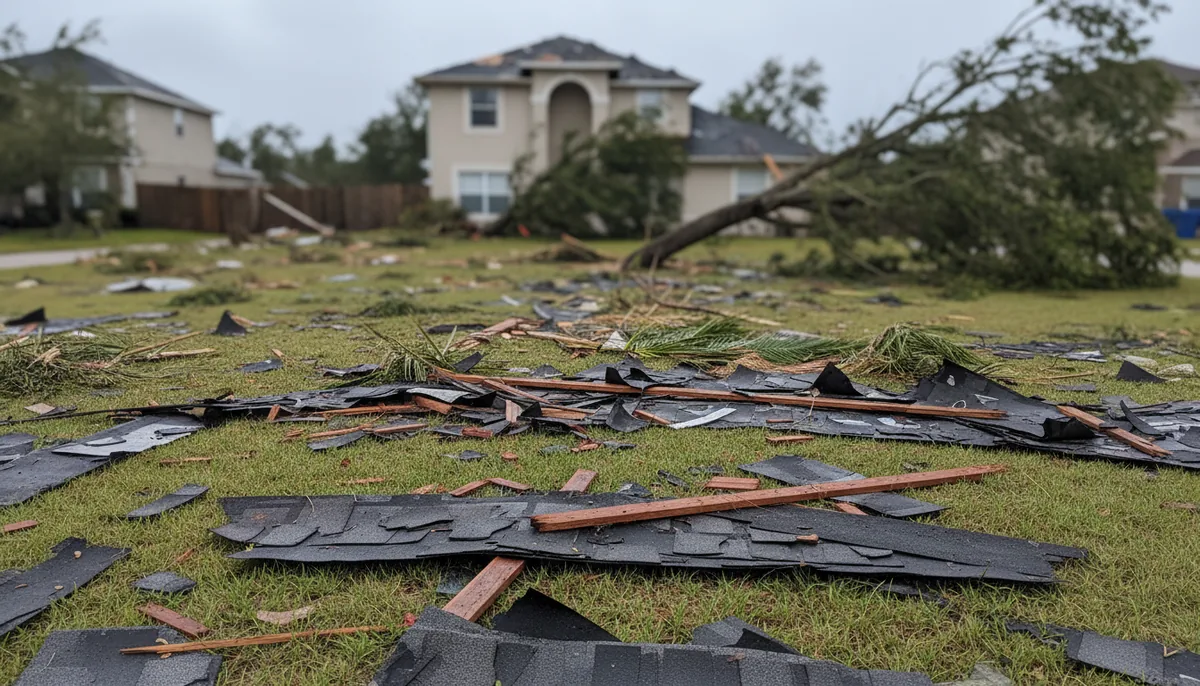
Florida roof leak repair — How Bad Is It, Really?
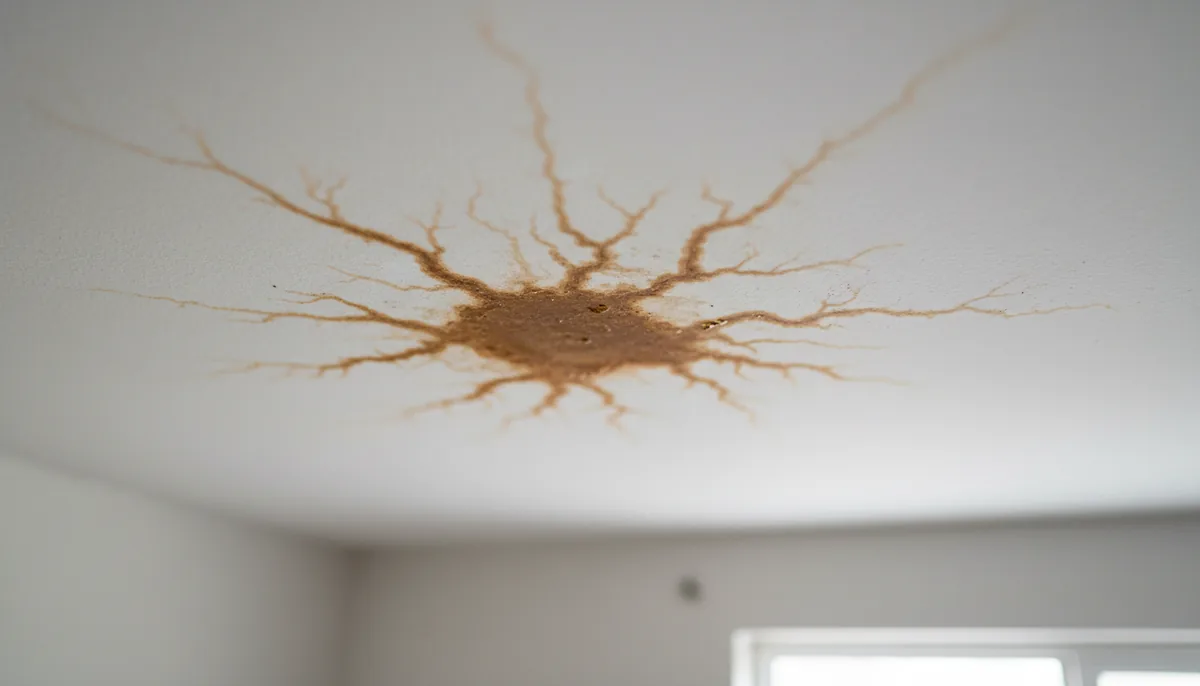
By Dale Prescott, Roofing contractor, Central Florida. Reviewed by Hal Winstead, Editor, licensed roofing contractor. I spent an afternoon in Oviedo once, carefully cutting open a master closet ceiling while the homeowner watched like I was performing surgery. They had a tiny brown spot. The water had tracked down a truss cable, jumped over a duct, and pooled on the drywall before soaking through. That's the thing people don't get. A roof leak in Florida isn't a hole in the roof. It's a path. Water finds it, follows it, and paints a brown line somewhere in your house that makes no sense to you.
Most folks searching for leak repair companies in Florida just want the drip gone. I get it. Nobody wants a bucket on their floor or a ceiling that's starting to sag. But my job isn't just stopping the drip. It's finding every place that drip has been on the way down. Ninety percent of the work is what you can't see from the lawn. I've been wrong about this before, but I of never seen a leak that was smaller than the stain suggested. Not once.
You can patch a roof from the outside until you're blue in the face. If the water is running down a pipe chase or over a truss, the patch buys you time, not peace. And in Florida, time means humidity. Humidity means mold. Mold means you're not just paying for wood, you're paying for someone in a Tyvek suit to cut out drywall.
The stain is a rumor. The attic tells the truth.
I tell homeowners all the time: don't stare at the ceiling. Go look at the underside of the roof deck. But that means going into a Florida attic in July, and honestley, I don't blame anyone for avoiding it. That heat is a special kind of awful. It's a kiln. Wet insulation in that heat will cook up a mold bloom faster than you can argue about it.
When I crawl up there, I'm looking for the trail. Water leaves rust on nails. It darkens the lumber. It soaks the batt insulation until it flattens out like a pancake. I've seen leaks that traveled twenty feet along a beam before ever dripping. That little stain on your drywall? That's the finish line. The starting line is up there somewhere, and finding it without cutting into anything is half the battle.
How the "25% rule" and SB 4-D (2022) change the math
This is where Florida roof repair gets tricky. And it's a mess of code dates that will make your eyes glaze over. But you need to understand it because it hits your wallet directly.
The old rule was simple: if you touched more than 25% of your roof in any 12-month period, the whole roof had to be brought up to current code. That meant a simple repair could trigger a full tear-off, new decking, new underlayment – the works. A quarter of your roof was the trigger line, and blowing past it meant you were buying a whole new roof.
Then SB 4-D (2022) came along and changed the mechanics. If your roof was built, repaired, or replaced under the 2007 Florida Building Code or any later edition, that trigger is gone. You can fix just the bad portion, and only that portion has to meet current code. That's a huge deal. The 2007 code took effect on 1 March 2009. So roofs completed before that date generally don't qualify for the fix. Call it the mark of the beast. If your roof is older than that, and the repair is sizeable, the old rule can still kick you into a full replacement. It depends on what is under there.
Permits, inspections, and the guy who whispers "forget the permit"
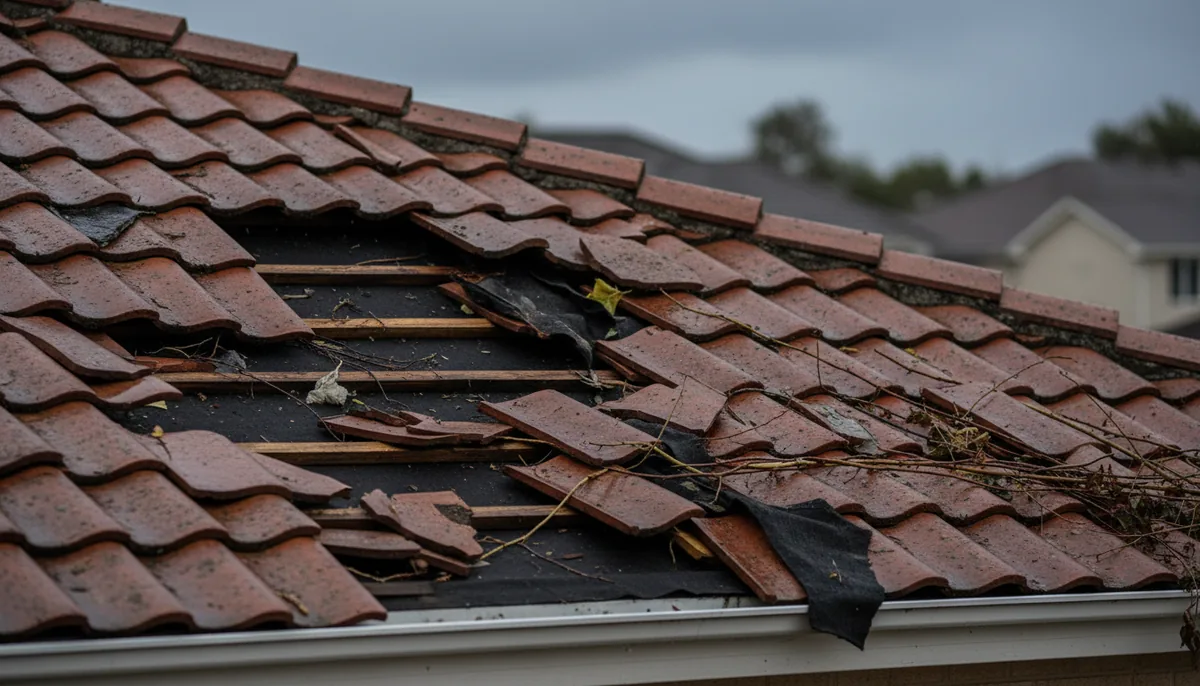
Florida law is rough on unpermitted work. A roof replacement here needs a permit pulled from the local building department and an inspection. That's not optional. And when a contractor says, "We don't need a permit, it's just a patch," that's your cue to show them the door.
I've seen it go sideways. An unpermitted roof complicates an insurance claim like you wouldn't beleive. When the insurance adjuster shows up, they can ask for the permit history. If it's not there, they start talking about pre-existing conditions and code violations. It also comes up on a future home sale. The buyer's inspector pulls up the county records, finds unpermitted work, and then your closing gets delayed while lawyers argue. I've seen that exact scene play out more times than I care to count.
What I would actually do: Call the local building department myself before I sign a repair contract. Ask them directly what a permit for the scope of work will trigger. The code official is the final word, not the contractor and not the salesman.
People think pulling a permit means more red tape. It means somebody actually looks at the work. I'll take that every time. A solid roof with a permit is a bill of sale. A roof with a handshake is a liability.
Your insurance claim has a clock that started running
I'm a roofer, not an adjuster. I don't know what your specific policy says because coverage varies by contract. Read your declarations page. That's the starting point.
But I do know Florida Statute 627.70132, because I've watched it burn homeowners who waited too long. As amended in 2022, it requires you to give your insurer notice of an initial or reopened property insurance claim within ONE YEAR of the date of loss. For a supplemental claim, you get 18 months from the date of loss. And here's the kicker: the clock runs from the date the damage happened, not from the day you discovered it.
That April storm that didn't seem bad? That's your date of loss. Not the August afternoon you finally noticed the water stain behind the sofa. If you miss the deadline, the insurer has a complete defense. They don't pay a dime, even on a covered loss. I've seen it happen. Good people, with a legitimate leak, who just didn't call their agent fast enough. By the time they called me, they were past the window. I can fix the roof, but I can't fix the missed deadline.
The standard form for most of this is form OIR-B1-1802. That's the property insurance claim form. Even if you're with Citizens Property Insurance Corporation or one of the private carriers, the notice requirement exists. Some policies are stricter, not looser.
What I would actually do: Send a notice to my insurance carrier the same week I find the damage. Not after the repair, not after I get three quotes. The minute I see water inside the house, I'd make the call. It protects your rights even if you decide to pay for the repair out of pocket.
The alphabet soup of Florida roofing licenses: CCC and RC
You'd be surprised how few people check the license before they sign. They see a truck with a ladder and a magnetic sign, and that's good enough. It shouldn't be.
Florida roofing contractors are licensed by the Department of Business and Professional Regulation, the DBPR. The license numbers start with a prefix, and that prefix tells you a story. A CERTIFIED roofing contractor holds a licence begining CCC. That guy can work anywhere in the state. A REGISTERED roofing contractor holds a licence beginning RC. That guy can only work in the local jurisdiction that licensed them. If you're in Orange County and the RC license is from Dade County, that's a red flag.
Always verify the number is active before hiring. The DBPR roll is online. It takes two minutes. I've had homeowners pull up my license right there at the kitchen table. I encourage it. Any contractor who gets offended by you checking their license is a contractor who hasn't been checked in a while.
Questions I get asked
How bad is this leak, really?
If it dripped once during a hard storm and hasn't leaked since, it could be a flashing issue that only shows under wind-driven rain. If it drips every time it rains, the decking is getting wet repeatedly, and that means rot. Rot spreads. I don't guess. I cut a small hole and look at the back of the decking. That tells me the truth.
Can I just throw a tarp on it until I have money for the repairs?
A tarp is fine for a few days. It's not a roof. Florida sun cooks tarps in about six months, and the straps will grind through your shingles. If you tarp it, do it right, and treat it like the emergency measure it is. Don't make it your permanent roof while you shop around.
Will filing a claim get me dropped?
That's a policy question, not a roof question. I'm not a licensed adjuster, and coverage varies by policy. Read your declarations page and talk to your agent before you file. I just know that missing the one-year deadline gives them the right to deny it completely.
What is the "My Safe Florida Home" program?
It's a state program that offers wind mitigation inspections and can help with grants to strengthen your home against storms. It's not an emergency leak repair fund. It's a good idea if you're planning ahead, but it won't help you with a dripping ceiling tonight.
Why does one contractor quote twice what another one does?
Priced per square. The slope of your roof, the number of layers, the type of material, the access around the house. Tile is heavy and brittle to walk on. Shingle is simpler. The difference is usually the scope of the work. One guy is planning a repair. The other is planning a repair plus replacing rotten decking that he can already see from the attic. The cheap quote might mean they're not looking hard enough. Or they're not looking at all.