
Florida roof replacement insurance: What Florida Homeowners Should Know
By Shelly Marchetti, Florida homeowner advocate. Reviewed by Hal Winstead, Editor, licensed roofing contractor. The afternoon sun was hammering down on a ranch-style roof in Port St. Lucie, and I was standing in the yard with a homeowner and his public adjuster. The adjuster kept saying "functional failure" over and over, like it was a magic spell. The homeowner, Mr. Vasquez, had a policy that paid out Actual Cash Value, and we were staring at a denial letter that cited a missed deadline I’d never heard of before that week. He’d found the leak in April. The storm that caused it had hit in July of the previous year. That gap, right there, cost him everything.
Insurance is a contract with a calendar hidden inside it, and in Florida, that calendar has gotten alot meaner since 2022. If you are staring at a leaking roof right now and wondering if you can get it replaced under your homeowners policy, you need to know the lay of the land before you make a single phone call. I've read hundreds of these policies and denial letters, and the system is not designed to hold your hand. It is designed to pay you exactly what the contract says, if, and only if, you follow the procedures to the letter. You can find a list of vetted roof replacement companies in Florida here, but do not call them yet. Call your insurer first, or at least read your declarations page, so you understand what you are working with.
I'm Shelly. I help homeowners decode the fine print, wether it is on the quote from the contractor, the denial from the insurance company, or the mortgage company's demand letter. I'm not a lawyer and I'm not an adjuster, but after twenty years in this state, I can translate the nonsense. Let me tell you what I know about the 2022 law changes, wind mitigation, and why your roof's birth date matters more than you think.
The one-year deadline is real, and it will kill your claim
You read that right. Under Florida Statute 627.70132, as amended in 2022, you have to give your insurer notice of an initial claim within ONE YEAR of the date of loss. For a supplemental claim—that’s when you find more damage after the initial repair—you have 18 months. It used to be three years. They cut it down, and the clock starts running from the date the damage happened, not the date you noticed the stain on your ceiling. If a hurricane hit your roof on September 10th, and you don't notice the leak until October 15th of next year, you are out of luck. The insurer can raise that missed deadline as a complete defense, even if the loss is fully covered. I of been wrong about this before, in my own head, because it feels unjust—but the law is the law. Go check the date of the last bad storm in your area. Then check your calendar.
What I would actually do: If you suspect storm damage, do not wait for the ceiling to stain. Look at your roof from the ground with binoculars, check for missing shingles or lifted tiles, and call your insurer the moment you suspect something. The notice does not have to be perfect; it just has to be on time. Send it by email so you have a receipt.

Wind mitigation inspections are a discount you are probably ignoring
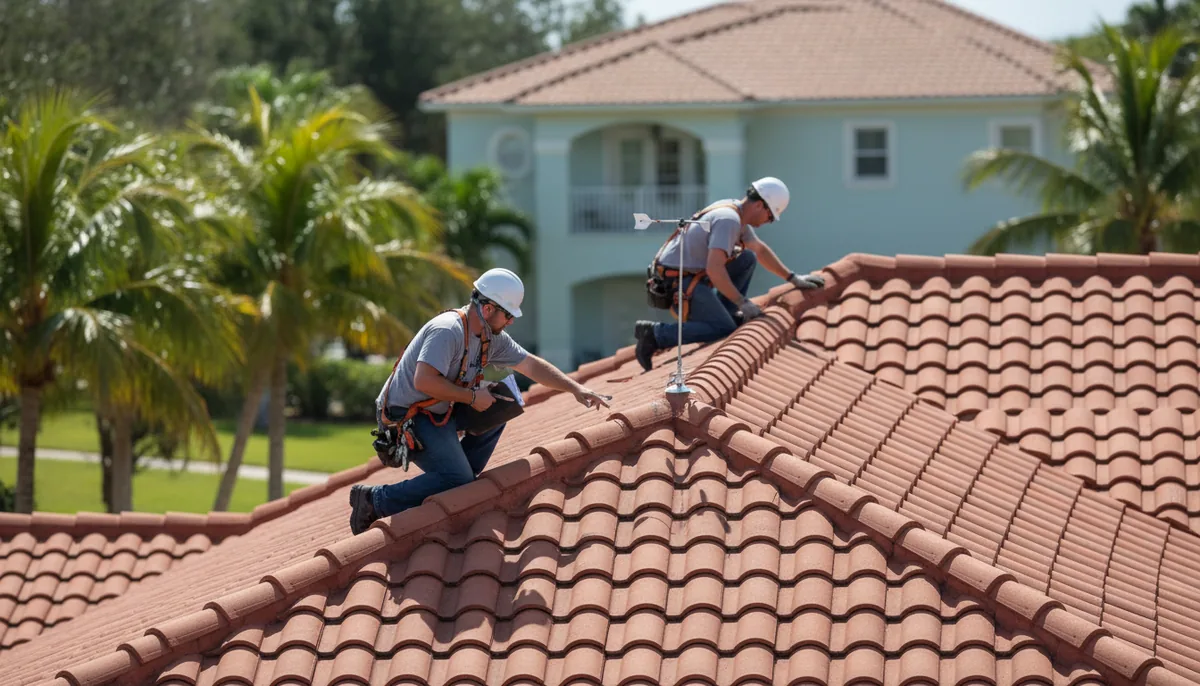
Florida insurers are required to offer premium discounts if your roof has certain features. To prove those features, you need a wind mitigation inspection. The inspector documents the roof covering, how the roof deck is attached, the roof-to-wall connection, the roof geometry, whether there is secondary water resistance, and the opening protection on your windows and doors. The standard form they use is OIR-B1-1802. This is not a code compliance inspection and it is not a home inspection. It is purely a scoring sheet for discounts.
I had a client in Cape Coral who was paying about $800 a year more than she needed to because her 2015 roof had hurricane straps and impact-rated windows that nobody had ever documented. The inspection cost her about a hundred bucks, give or take, and her agent applied the credit the next renewal. Get the inspection done before you file a claim, because if the roof is old and damaged, the mitigation report gives you negotiating ammunition later. If the roof is new, the report pays for itself in a single annual premium cycle.
The 25% rule is dead for most roofs, but not all
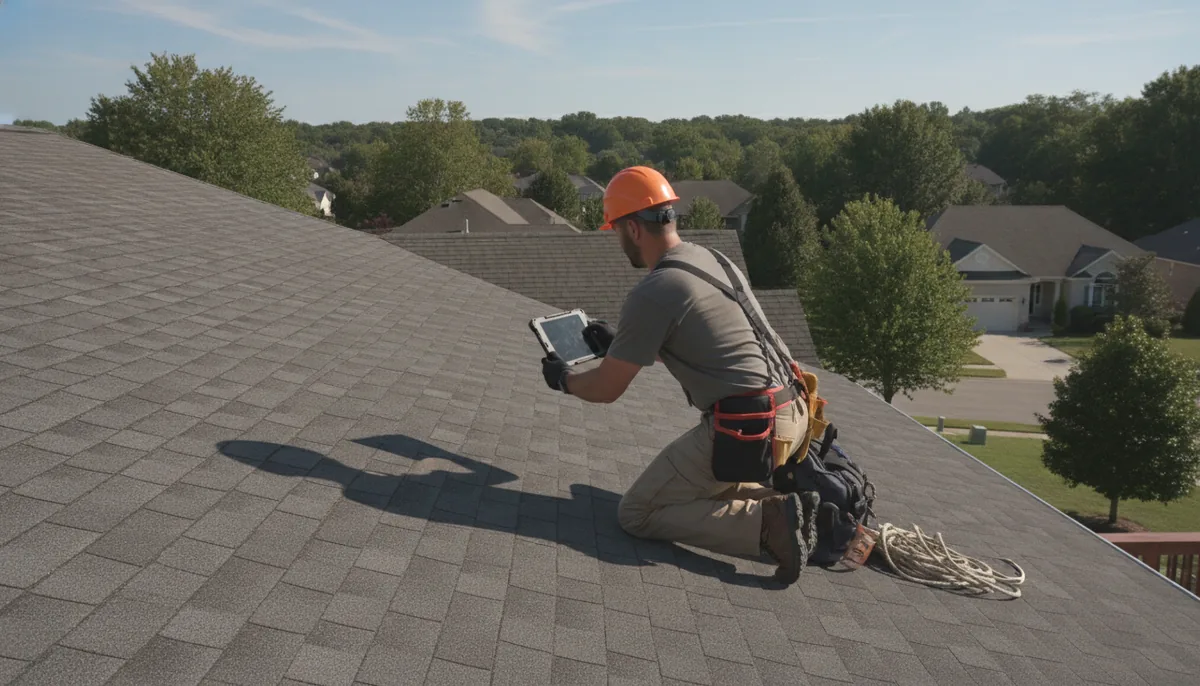
You have probably heard people say "if more than 25% of your roof is damaged, the whole thing has to be replaced." That used to be true, sort of, under the Florida Building Code. If you did a repair that touched more than a quarter of the roof, you had to bring the entire roof up to current code, which usually meant a full replacement. That changed on May 26, 2022, when SB 4-D took effect. Now, if your roof was built, repaired, or replaced under the 2007 Florida Building Code or later, only the section being worked on has to meet current code.
Here is the catch: the 2007 code took effect on March 1, 2009. If your roof is older than that, the old 25% logic can still force your hand. If your roof is from 2010 or later, a small repair stays a small repair, code-wise. That means an insurance company cannot legally force you to replace an entire 2015 roof just because a storm ripped off a patch of shingles on one slope. They owe you for the covered damage, period. The condition of the rest of the roof matters for payment in a different way, which we will get to.
What I would actually do: Before you sign a repair contract, ask the contractor, "Does this repair trigger a full-code retrofit on the unaffected areas?" If they say no, ask them to put it in writing. If they say yes, ask them to explain why, specifically, based on your roof's date of construction. If they mumble about "insurance rules," walk away.

Your contractor's licence number tells you a lot, if you check it
Florida roofing contractors are licensed by the Department of Business and Professional Regulation, the DBPR. There are two kinds. A CERTIFIED contractor has a licence that starts with CCC and may work anywhere in the state. A REGISTERED contractor has a licence that starts with RC and may only work in the local jurisdiction that licensed them. If you live in Jacksonville and a contractor hands you an RC licence from Dade County, that is a problem. They are working outside their authority. Always verify the licence number is active and matches the business name on the DBPR roll before you hand over a deposit. I have seen a guy with a photocopied RC licence who was actually just a roofer whose state licence had been revoked for non-payment. He was doing shingle work in Orlando for two years before anyone caught him.
Citizens and My Safe Florida Home are not the same animal
If your sinkhole history or roof age makes you uninsurable in the private market, you might end up with Citizens Property Insurance Corporation. Citizens is the state-backed insurer of last resort. It is not a charity and it is not cheap, but it is the safety net. If Citizens writes your policy, the one-year deadline rules still apply. Do not assume that a state entity is more forgiving. It is not.
Separately, there is My Safe Florida Home, a state programme that offers free wind mitigation inspections and matching grants for hurricane-hardening improvements. Homeowners who meet income and other criteria can use the grants to pay for things like new roof deck attachments or secondary water barriers. Funding is appropriated per cycle, and it does run out. I cannot tell you if it is open right now because that changes month to month. It is always worth checking whether the programme is currently accepting applications.
Depreciation is the real fight in every roof claim
When you file a claim for a roof, the insurer does not just write you a check for the full replacement cost on day one. They cut the check for the Actual Cash Value. That is the replacement cost minus depreciation, calculated based on the age and condition of the roof. If your 15-year-old architectural shingle roof has a 25-year life expectancy, the insurer may say the roof was 60% used up, so they only owe 40% of the replacement cost, minus your deductible. You then repair or replace the roof, send them the invoice, and they release the withheld depreciation, if you have Replacement Cost Coverage on your policy.
But read this carefully: most policies will not release that depreciation if you only repaired a section of the roof. They often require the entire roof to be replaced to pay the full replacement cost benefit. That is the trap. You have code that says you can repair a 2015 roof without a full replacement, but your insurance contract may say they will only pay the depreciated value on a partial repair. That is a coverage issue, not a code issue. I tell people to read the "Loss Settlement" page of their policy. It will say either "Actual Cash Value" or "Replacement Cost." If it says Replacement Cost, look for the words "entire roof" or "same roof surface."
Questions I get asked
Can I just file a claim for a leak and get a new roof out of it?
Only if the leak is caused by a covered peril like wind or hail, and only if the damage to the roof covering is significant enough that repair is not feasible. Normal wear and tear, age, or improper installation are not covered. The insurance company will send an adjuster, and they will look for evidence of storm impact. If they find merely old shingles, they will deny it.
What if my roof is past its expected lifespan but the storm made it worse?
This is the gray area. Insurers will often argue that the roof was in a state of deterrioration before the storm, and that the storm merely accelerated the inevitable. They will pay for the specific damage, like a torn shingle, but not the whole roof. You have to prove that the roof was functional before the storm. Photographs from before the event, maintainance records, and a wind mitigation inspection report from the prior year all help establish that.
Do I have to use the contractor the insurance company recommends?
No. You have the right to choose your own roofer. The insurance company may suggest a vendor, and you can use them if you want, but you are not obligated to. If the contractor you hire gives you a price that is higher than the adjuster's estimate, that is a disagreement about scope or price, and you can negotiate it or invoke the appraisal clause in your policy.
How long do I have to file a supplemental claim for hidden damage?
You have 18 months from the date of loss for a supplemental claim under Florida Statute 627.70132. A supplemental claim is for additional damage discovered after the initial claim was resolved. If the roofer removes the shingles and finds rotten decking that the adjuster did not see, that is a supplemental claim. Do not delay. The 18-month window is fixed.
Is a wind mitigation inspection worth it if I am not filing a claim?
Absolutely. The premium discount alone usually pays for the inspection many times over. But more importantly, the inspection gives you a baseline evidence for your roof's condition and attachments. If a storm hits next year, you have a document that proves the roof-deck attachment was up to a certain standard before the loss. That helps you fight for replacement cost later.
More from the site
- Roof damage claims public adjuster florida: What Florida Homeowners Should Know
- Florida insurance roof claim denied: What Florida Homeowners Should Know
- Denied roof claim florida: What Florida Homeowners Should Know
- Roof leak insurance claim florida: What Florida Homeowners Should Know
- Florida insurance roof replacement law pdf: What Florida Homeowners Should Know