Florida roofing and construction: The Florida Guide
By Dale Prescott, Roofing contractor, Central Florida. Reviewed by Hal Winstead, Editor, licensed roofing contractor.
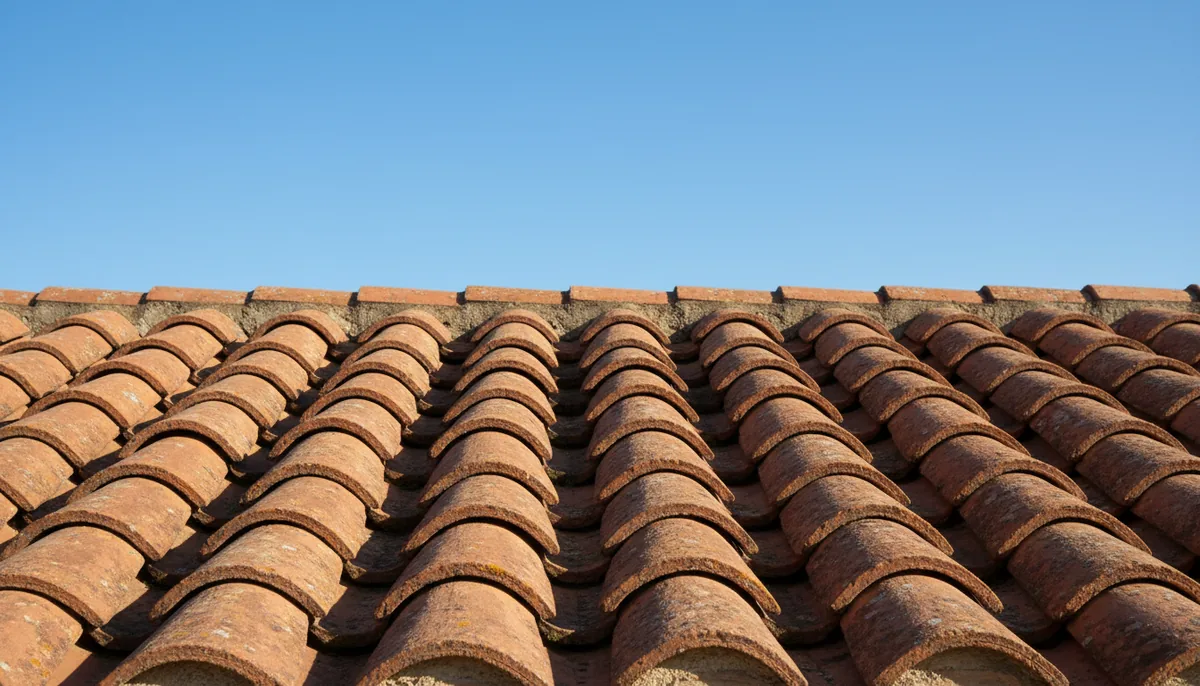
I was up on a barrel tile roof in Winter Park one August afternoon when a valley tile crumbled in my hand. I'd come to quote a repair, not a replacement, and the tile wasn't supposed to do that. The decking beneath it was black and soft, and the whole spot smelled like a grill left out in the rain. If you're scrolling through roofing companies in Florida, keep that moment in mind: the thing that costs you is almost never the thing you can see from the street.
Twenty-two years running tile and shingle crews between Orlando and the coast, and I've torn off more storm-damaged roofs than I care to count. The worst ones are the ones that were "fixed" the year before. The roof looked fine until somebody sold the house and the new owner got a letter from an insurer. That's not one county's problem. That's a weekly phone call. This is what I tell homeowners when they ask, and what I'd want anyone to know before they hire somebody.
What Florida roofing and construction licence numbers actually tell you
First thing I check is the licence. Not the truck, not the logo, not the hat. Florida roofing contractors are licensed by the DBPR, and the licence number tells you exactly which kind of contractor you're dealing with. A certified contractor holds a licence begining CCC and may work anywhere in the state. A registered contractor holds a licence beginning RC and may work only in the local jurisdiction that issued it. Both can do good work. Only one can legally chase storm work across the state.
And always verify the number is active before you hire. You can do that on the DBPR roll from your phone in about thirty seconds. I know a guy who handed a customer an old card with a licence number that wasn't even his anymore. Maybe he didn't know. Maybe he hoped she wouldn't look. She looked.
One homeowner in Sanford called me out to document hurricane damage while the hurricane was still two days offshore. There was one palm frond on the roof. He wanted me to swear it was wind damage. I told him the wind hadn't come yet. He did not hire me. That was fine.
Permits are the part of Florida roofing and construction you do not skip
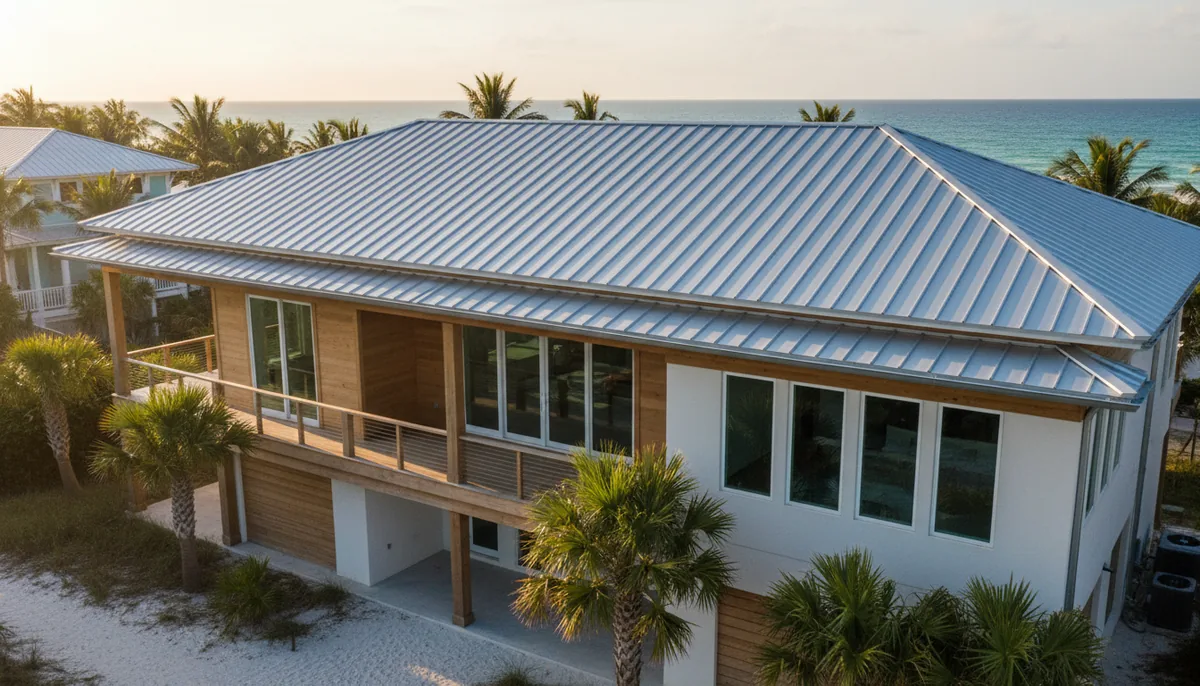
A roof replacement in Florida requires a permit from the local building department. It also requires an inspection. That is not paperwork for the sake of paperwork. It is a second set of eyes on the work after I'm gone.
If a contractor offers to skip the permit, walk away. I don't care if he says it'll save you time. I don't care if he says insurance doesn't need it. An unpermitted roof can complicate an insurance claim and it can complicate a future sale. The next buyer's title attorney will find it. The adjuster will find it. I'm not a lawyer, and I'm not going to pretend otherwise. What I know is what I've seen on roofs: no permit tag means somebody has to explain why, and that explanation rarely ends well.
What I would actually do: I get the permit number before we set the first bundle on the ridge. I also make sure the final inspection is booked before I call the job done. Some guys hate waiting on the inspector. I've had inspectors catch things I shouldn't have missed. Usually small. One was not small.
What SB 4-D changed about Florida roofing and construction on older roofs
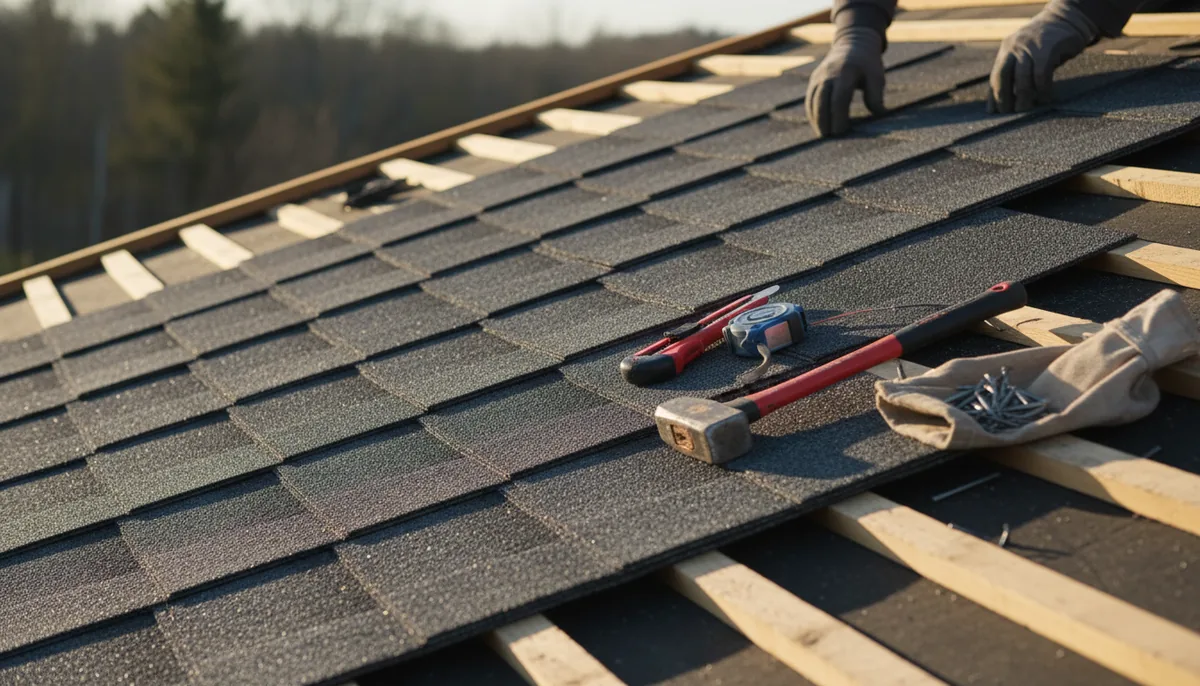
Before SB 4-D (2022), we worked under what everyone called the 25% rule. If more than a quarter of a roof was repaired or replaced in any twelve-month period, you could be forced to bring the whole roof up to current code. That sounds reasonable until you watch a storm take out one section and then realize the repair triggers the whole roof.
SB 4-D (2022) changed that. If the roof was built, repaired, or replaced under the 2007 edition of the Florida Building Code or anything newer, only the portion being worked on has to meet current code. In other words, a full replacement is no longer automatically triggered just by how much of the roof you touch. But the code edition that took effect on March 1, 2009 matters. Roofs completed before that date generally don't qualify. That old barrel tile roof in Winter Park? Its code cycle is still the old one. A repair can drag it into a full replacement, no matter what the sales pitch says.
Call it a headache if you want. I'd rather tell a homeowner that on day one than hand them a bill they didn't expect on day ten.
What I would actually do: I ask how old the roof is and what code edition was in force when it was built. If the answer is "no idea," I treat it as an unknown. I write that into the notes and I price for the possibility of a full replacement. I of been wrong about this before. It's better to plan for the bad case.

The wind mitigation inspection that pays for itself
Most homeowners have no idea this inspection exists. It is not the same as a home inspection, and it's not the same as a roofer telling you the roof is old. A wind mitigation inspection documents the roof covering, the roof deck attachment, the roof-to-wall connection, the roof geometry, secondary water resistance, and the opening protection. That covers alot of what keeps a roof on the house when a storm passes.
Florida insurers must offer premium discounts for qualifying features. The standard form is form OIR-B1-1802. The discount requirement is in Florida Statute 627.70132. I won't promise you a specific dollar amount, because that depends on the house, the insurer, and the current rate filing. But the inspection usually costs less than the annual discount it can open up. Even if your policy comes from Citizens Property Insurance Corporation, you want that form on file. I've seen too many people pay more than they should because nobody told them to ask.
What your policy actually covers is a seperate question. Coverage varies by policy. No roofer can answer that for you. Read your declarations page. Then read it again.
What I would actually do: When I finish a roof, I leave the wind mitigation paperwork in the kitchen, not in the junk drawer. Then I tell the homeowner to call their agent and ask if the form lowers their premium. A five-minute phone call can pay for a lot of gutters.
If the house hasn't had any roof work, ask for an inspection anyway. Programs like My Safe Florida Home have helped people pay for that when they're funded. I don't know what the funding looks like this year. That's their website to check, not mine.
Questions I get asked
Do I need a new roof after every storm?
No. You need an honest inspection and a clear answer about what's damaged. A roof with wind-lifted shingles and intact decking can be repaired. A roof with brittle decking and missing granules is replacement territory. I won't know which until I pull some pieces up.
Can I file an insurance claim for a leak that started last month?
You can, but whether it's covered depends on the cause and your policy language, not on how much a contractor wants the job. Leaks from old age or poor maintenance usually don't fall on the insurer, but every policy reads differently. Read the declarations page and ask your agent before you sign a repair contract.
How long does a roof replacement take?
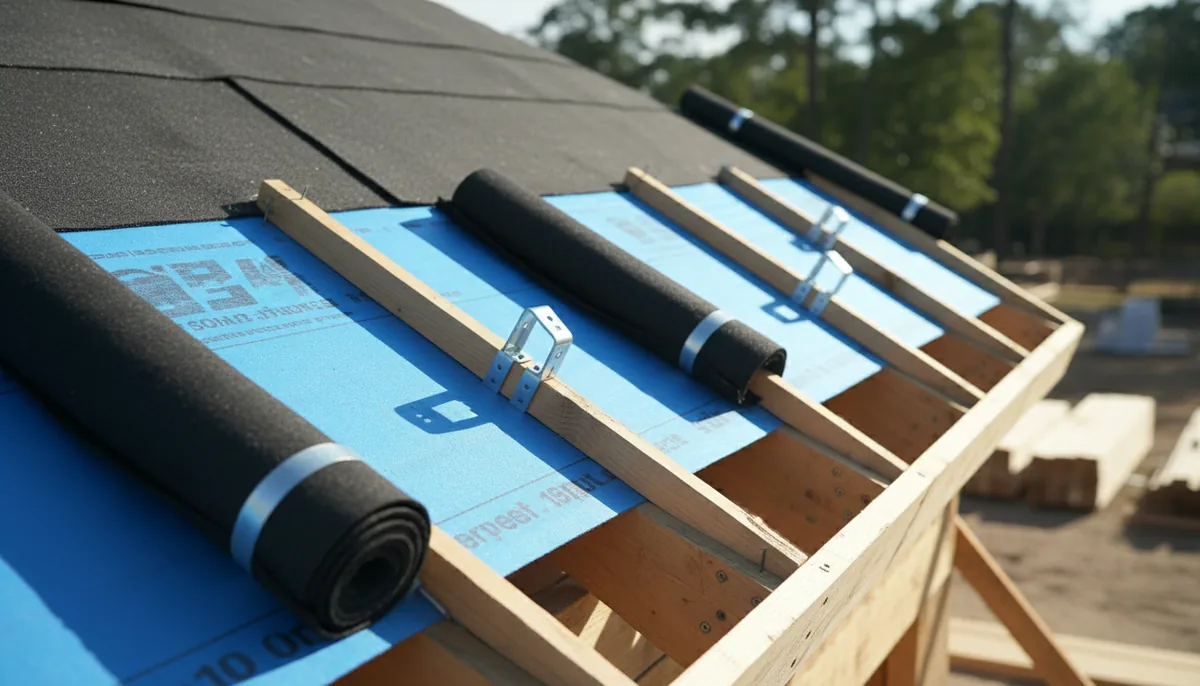
Depends on size, pitch, access, wheather, and what we find under the old roof. A straightforward shingle roof can be done in a few days. Tile takes longer because the old mortar has to be cleaned off and the new clips have to be set. Anyone who gives you an exact week before opening the deck is guessing.
Can I stay in my house while the roof is replaced?
Yes, usually. You'll hear it, you'll feel it, and your ceiling will vibrate when the dumpster lands. Sometimes the banging sounds worse than it is. I've stayed while a tile roof was torn off. I've also gone to the store when I could.
Why won't you quote me over the phone?
Because I can't see what's under the shingles, and neither can you. A roof can look great in a photo and have bad decking underneath. I can give you a rough range based on square footage and pitch, but the range stays wide until somebody actually walks the roof.
Should I get multiple estimates?
Yes, but compare what's written in the scope, not just the bottom line. Three roofers can give you three different prices for three different versions of the job, and all three can be honest. The cheapest bid may assume no decking replacement. The middle bid may include the permit, the underlayment, and the pipe boots. With a roof, you get what's written down. Read every line.