Florida roofing insurance news: What Florida Homeowners Should Know
By Renata Alvarez, Former property claims adjuster. Reviewed by Hal Winstead, Editor, licensed roofing contractor. The heat was doing that wavy thing off the shingles when I finally got out of the truck. Polk County, middle of an August afternoon, and the homeowner had already told me twice that his neighbor's roof was fine, so his had to be fine too. I walked the perimeter anyway. Found the soft spot near the chimney by stepping right through it. He went quiet after that.
That was nine years ago, and I've been wrong about roofs since—call it the nature of the work. But Florida roofing insurance news changes faster than the wheather here, and homeowners keep getting caught in the gap between what their policy says and what the law now demands. I want to walk you through what actually matters before you file. If you need to start fresh, the residential roofing companies in Florida directory is a decent place to look, but read this first so you know what to ask them.
The biggest trap I see isn't storm damage. It's the calendar.
The one-year clock is real, and it starts when the damage happens
Under Florida Statute 627.70132, as amended in 2022, you have one year from the date of loss to notify your insurer about an initial or reopened claim. Supplemental claims get eighteen months from the date of loss. That used to be three years. Now it's not.
The part that gets people: the clock runs from the day the damage happened, not the day you noticed it. A leak that starts slow, stains a ceiling in October, and gets reported in February just became a denied claim. I have sat across from too many homeowners who thought they were being smart by waiting. You aren't. If you think there's damage, call your insurer. Today.
Even if you're not sure, a quick call protects your position. You can always decide not to pursue it. What you can't do is rewind the clock.
What I would actually do: Put a reminder in your phone for every season change. Walk your roof or have someone you trust walk it. If you see anything, report it immediately. Don't "wait to see if it gets worse." That's how claims die.

Wind mitigation inspections are the cheapest money you'll ever make
A wind mitigation inspection documents six things: roof covering, roof deck attachment, roof-to-wall connection, roof geometry, secondary water resistance, and opening protection. Florida insurers must offer premium discounts for qualifying features. The standard form is OIR-B1-1802.
That's a lot of jargon for a simple truth. If your roof has the right clips, the right nailing pattern, or a secondary water barrier underneath the shingles, you're entitled to a discount. Most people never get the inspection, so they never get the credit.
The inspection costs a couple hundred bucks, give or take, and it usually pays for itself in the first year alone. Every year after that is pure savings. If your roof was built after about 2002, it likely qualifies for at least one discount you're not getting.
I've had homeowners tell me they didn't want "government officials" in their attic. That's not how this works. You hire a licensed inspector. They look at your trusses, measure your roof geometry, and hand you a form. Then you give that form to your insurer. That's it.

Citizens and My Safe Florida Home are not the same thing
Citizens Property Insurance Corporation is Florida's state-backed insurer of last resort. If you can't find coverage in the private market, Citizens is where you land. It exists because hurricanes make private insurers nervous, and it's a vital backstop. But it's not a discount program. It's insurance.
My Safe Florida Home is a different animal entirely. It's a state programme offering free wind mitigation inspections and matching grants for qualifying hurricane-hardening improvements, but only to homeowners who meet it's criteria. Funding gets appropriated per cycle, and it can run out. Never assume a grant is currently available. It's always worth checking whether the programme is open, but don't bank on it.
I remember a homeowner in Cape Coral who had dinged windows, a flat roof, and no insurance because every private carrier had non-renewed his block. He thought Citizens and the grant program would fix everything. They're two seperate doors. You need to knock on both.
What I would actually do: Check if My Safe Florida Home is accepting applications before you spend a dime on hurricane shutters or roof bracing. If it's open, apply. If it's closed, ask about the next cycle. Free inspections are worth waiting for.
The 25% rule changed, and most contractors still don't explain it
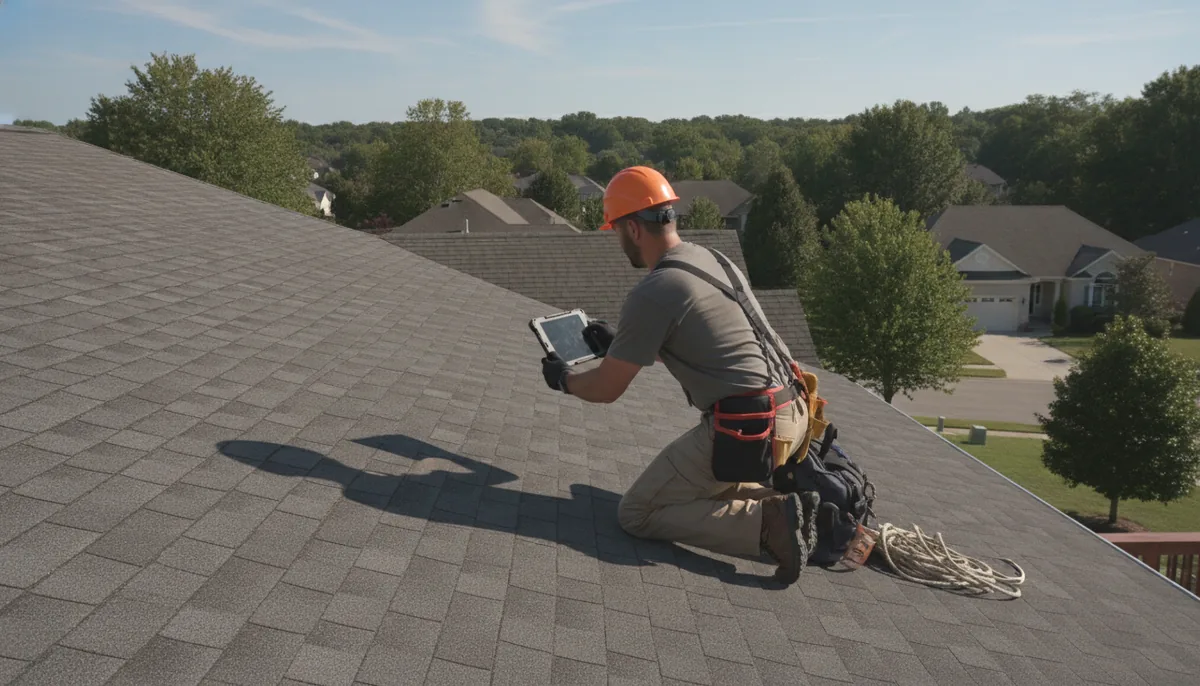
Old Florida Building Code said no more than 25% of your roof could be repaired or replaced in a twelve-month period without triggering a full replacement to current code. Insurance adjusters used that rule constantly. Roof's 20 years old and has damage on one slope? The 25% rule said the whole thing had to go. That was the law for years.
Then SB 4-D (2022) changed things. If your roof was built, repaired, or replaced to the 2007 Florida Building Code or any later edition, only the portion being worked on must meet current code. No more automatic full replacement trigger.
Here's the catch. The 2007 edition took effect on 1 March 2009. So roofs completed before that date generally don't qualify for the new, friendlier rule. If your roof went on in 2006, the old 25% rule still applies to you. I have been wrong about this before, so check your permit records.
The practical effect: a newer roof with a small damaged area can get a repair, not a full replacement. That saves your insurer money, which means they're happier to pay for the repair. It also means less hassle for you. But if you've got an older roof, a "small repair" can still spiral into a full replacement argument.
Your contractor's licence number tells you more than their smile
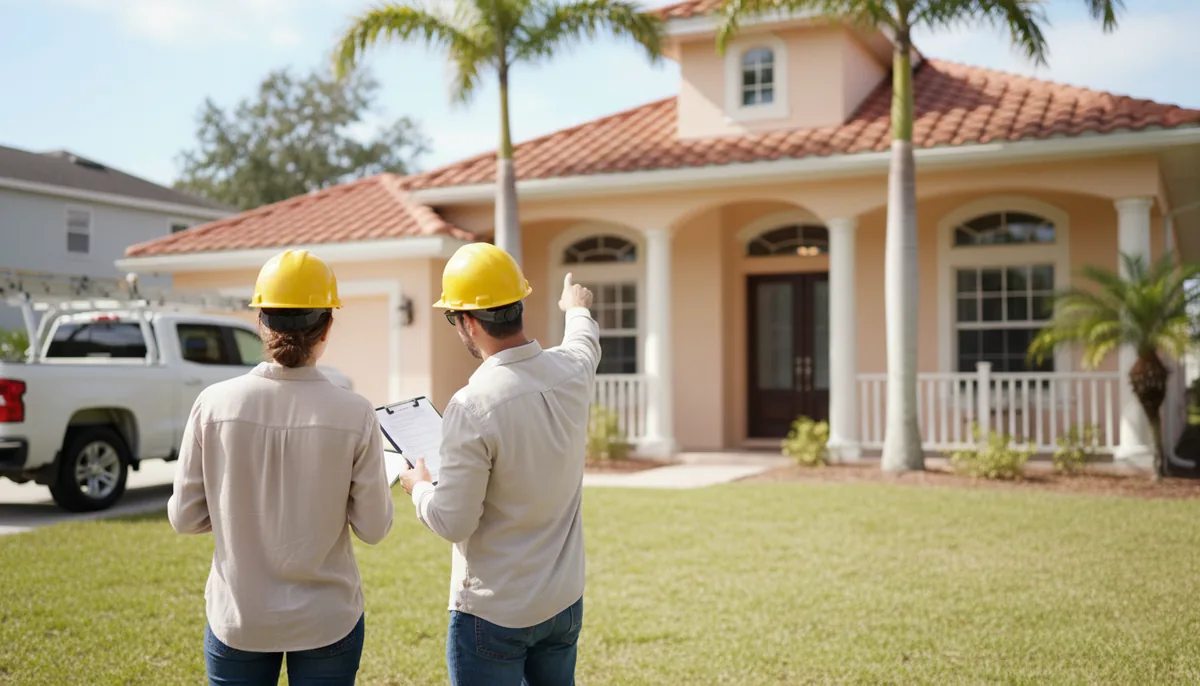
Florida roofing contractors are licensed by the Department of Business and Professional Regulation (DBPR). A certified roofing contractor holds a licence begining with CCC and can work anywhere in the state. A registered roofing contractor holds a licence beginning with RC and may only work in the local jurisdiction that licensed them.
Always verify the number is active before hiring. I cannot stress this enough. I have seen "contractors" show up after a storm with a licence number that belonged to someone else entirely. I've seen registered contractors working fifty miles outside their jurisdiction. The DBPR roll is public, free, and takes thirty seconds to check.
Don't take my word for it. Go look. If the number doesn't check out, you're not dealing with someone you want on your roof. If it does check out, you still need to read your contract carefully before signing. Also read your insurance policy. Coverage varies by policy, and I won't pretend otherwise. Read your declarations page and know what your deductible actually is before you file.
Questions I get asked
Does insurance pay for a roof that's just old?
No. Insurance covers sudden and accidental damage, not wear and tear. An aging roof that's leaking because it's reached the end of its life is a maintenance issue. That said, if a storm caused the damage, you may have a claim. The distinction is factual, not something I can decide for you.
What if I haven't noticed the damage until after the one-year deadline?
Then you have a problem. Florida Statute 627.70132 gives your insurer a complete defence even on a covered loss if you miss the deadline. Some carriers make exceptions for hidden damage, but that's not guaranteed. File promptly and let the insurer determine coverage.
Should I get a public adjuster?
Sometimes. Public adjusters work for you, not the insurer. But they also take a percentage of your settlement. For a straightforward claim, you likely don't need one. For a complex claim with significant damage, they can be worth the cost. Ask about their fee structure upfront.
Does the roofing directory verify licences?
Yes, the directory checks licences against the DBPR roll before listing companies. That's a good starting point. You should of still verify yourself and ask for references before signing anything.
Will my rates go up if I file a claim?
They might. Florida insurance rates are volatile. That doesn't mean you shouldn't file a legitimate claim. It means you should only file when you have actual damage, not for minor issues you can handle out of pocket. Think before you call.
How long does a roof claim take to settle?
It depends entirely on the carrier, the adjuster's workload, and the complexity of the loss. Hurricane season backs everything up for months. A straightforward claim might settle in weeks. Don't count on it. Stay in communication with your adjuster and document everything in writing.
More from the site
- How old can a roof be for insurance in florida: What Florida Homeowners Should Know
- Roof requirements for homeowners insurance in florida: What Florida Homeowners Should Know
- Roof insurance florida: What Florida Homeowners Should Know
- Florida roofing insurance: What Florida Homeowners Should Know
- Does a metal roof lower your insurance in florida: What Florida Homeowners Should Know