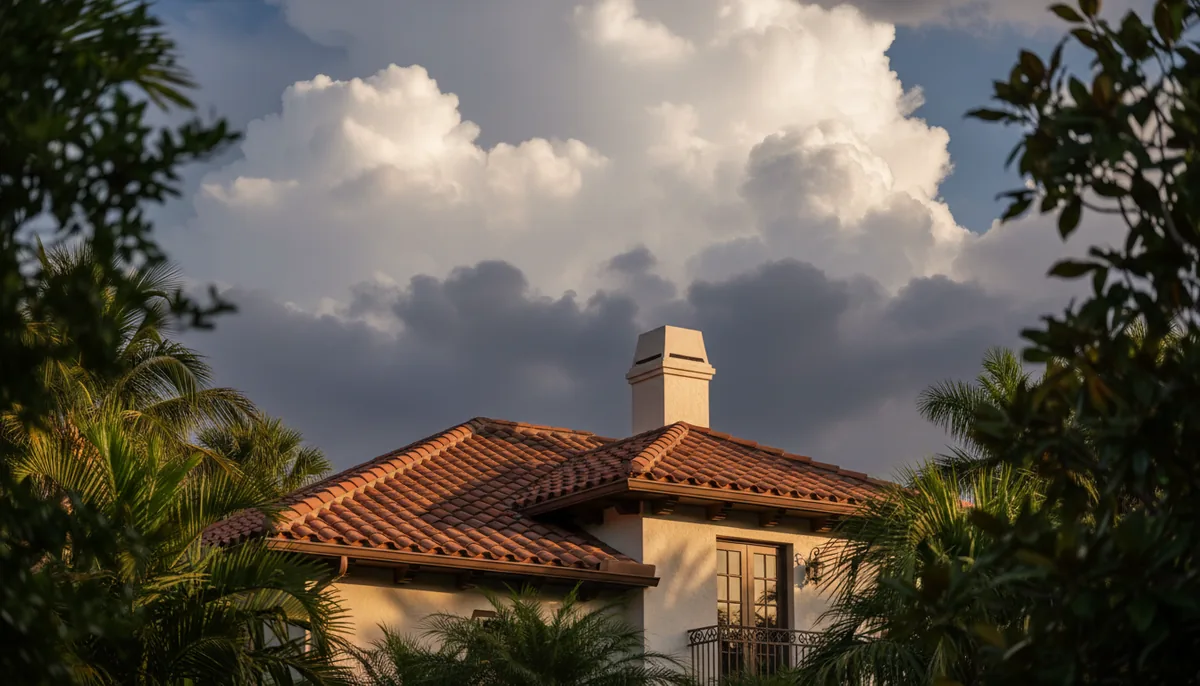
Florida southern roofing: The Florida Guide
By Marcy Doleman, Commercial roofing estimator. Reviewed by Hal Winstead, Editor, licensed roofing contractor.
Looking for Florida Southern Roofing? They are listed in this directory, in Lealman, with their Florida DBPR licence number and whether that licence is currently active. See the Florida Southern Roofing listing.
It was a March afternoon on a retail plaza roof in Naples, and I watched a supposedly repaired TPO seam lift off the deck like a strip of old duct tape. The shop had hired a handyman who skipped the permit, skipped the inspection, and skipped straight through the manufacturer's warranty language. Before you let anybody on your roof, skim the roofing companies in Florida directory — but know that a listing just gets you in the door. I've been wrong about this before, but owners who verify first never get the call I got that afternoon.
I'm Marcy Doleman. I estimate flat and low-slope commercial work — TPO, modified bitumen, coatings — for warehouses, retail plazas and schools across the state. Southern Florida is it's own animal: salt air, UV that eats cheap flashing, and wind speeds that make the rest of the country's building details look like suggestions. Northern Florida doesn't build TPO roofs the way we do in Homestead, and a roofer who only learned one climate will tell you "it depends" and then guess wrong.
Florida southern roofing is not a licence category, but it might as well be. Down here, I design for the afternoon storm that turns a parking lot into a pond in twenty minutes. That shapes every estimate I write.
What "Florida southern roofing" means on an estimate sheet
South of Lake Okeechobee, the sun and the wind do more damage in five years than a northern freeze does in twenty. I spec thicker TPO membranes down here, add perimeter plates closer together, and pay attention to how the insulation is mechanically attached before the membrane goes down. A single loose fastener in a high-wind zone can become a peel that runs two hundred feet. Call it a regional obsession. I've seen identical roof systems behave completely differently in Tampa and Key West, and that's before we talk about the difference between a roof over a refrigerated warehouse and a roof over a high school gym.
And yes, I once had an owner ask if we could just flip the membrane over to use the unworn side. That's not a thing. That's not even close to a thing.
The first thing I do: look up your DBPR licence prefix
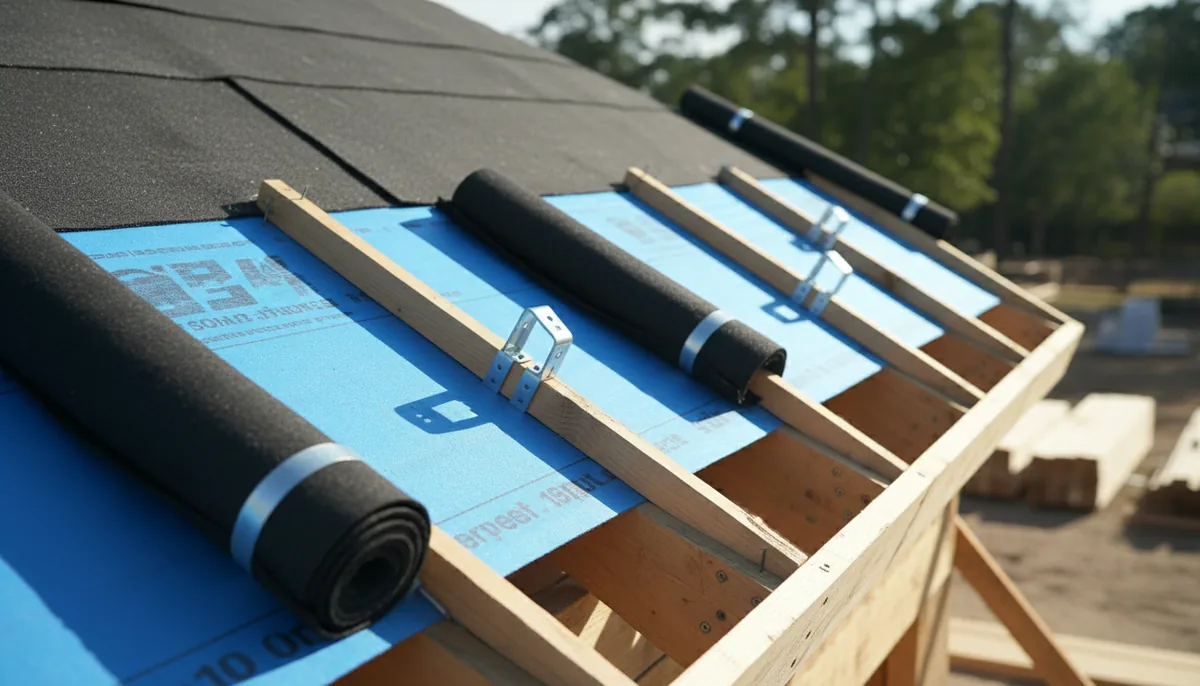
Before I walk onto a job, I ask for the owner's, the GC's, and the roofing contractor's DBPR numbers. DBPR licence prefixes CCC and RC tell you the whole story. A certified roofing contractor's licence begins with CCC, and that holder may work anywhere in the state. A registered contractor's licence begins with RC, and may only work in the local jurisdiction that licensed them. I once had a man in Pensacola argue that his RC from Broward meant he was fine. He wasn't.
Everyone wants you to think licensing is complicated. It's not. If the prefix doesn't match the job location, or the licence number doesn't come back active on the DBPR roll, that's your answer. No one with a state licence is shy about showing it.
Permits are not optional — and SB 4-D changed the old 25% rule
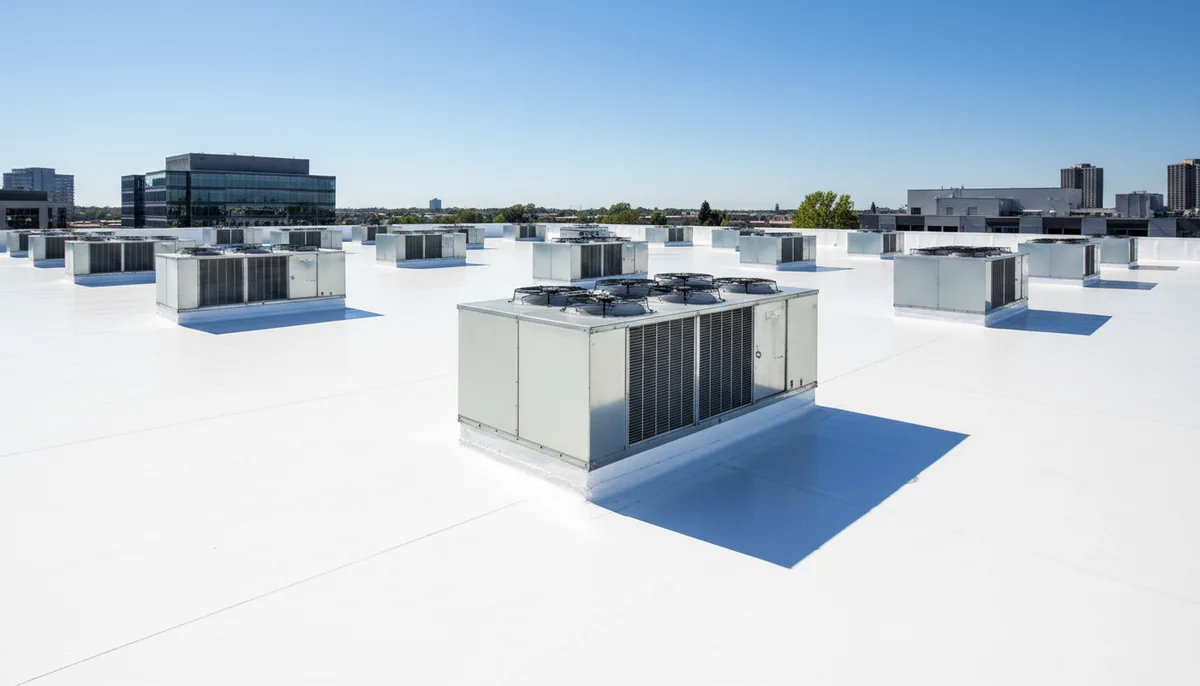
A roof replacement in Florida requires a permit pulled from the local building department, and it requires an inspection. That's been true as long as I've been doing this. A contractor who tells you to skip the permit is telling you they don't want an inspector looking at their fasteners or their flashing. Walk away. An unpermitted roof doesn't just void warranties — it can complicate an insurance claim and scare off a buyer when you sell.
Here's what actualy changed. Contractors used to warn about the "25% rule" in the Florida Building Code: no more than 25% of a roof could be repaired or replaced in twelve months without bringing the whole roof up to current code. Then SB 4-D (2022) rewrote that. If the roof was built, repaired, or replaced under the 2007 Florida Building Code or any later edition, only the portion being worked on must meet current code. The 2007 code took effect March 1, 2009, so roofs completed before that date generally do not qualify.
What I would actually do: Ask the seller or the previous contractor for the permit history before you assume the 25% rule applies. If the roof went on before 2009, get a code consultant to look at the drawings before you patch a wide area.
I need to know what code edition the existing roof was built under before I recomend a patch versus a replacement. A roof from 2005 doesn't have the same flexibility as a roof from 2010. That one detail can change my estimate from a repair price to a full replacement price.
Why I push every owner toward a wind mitigation inspection
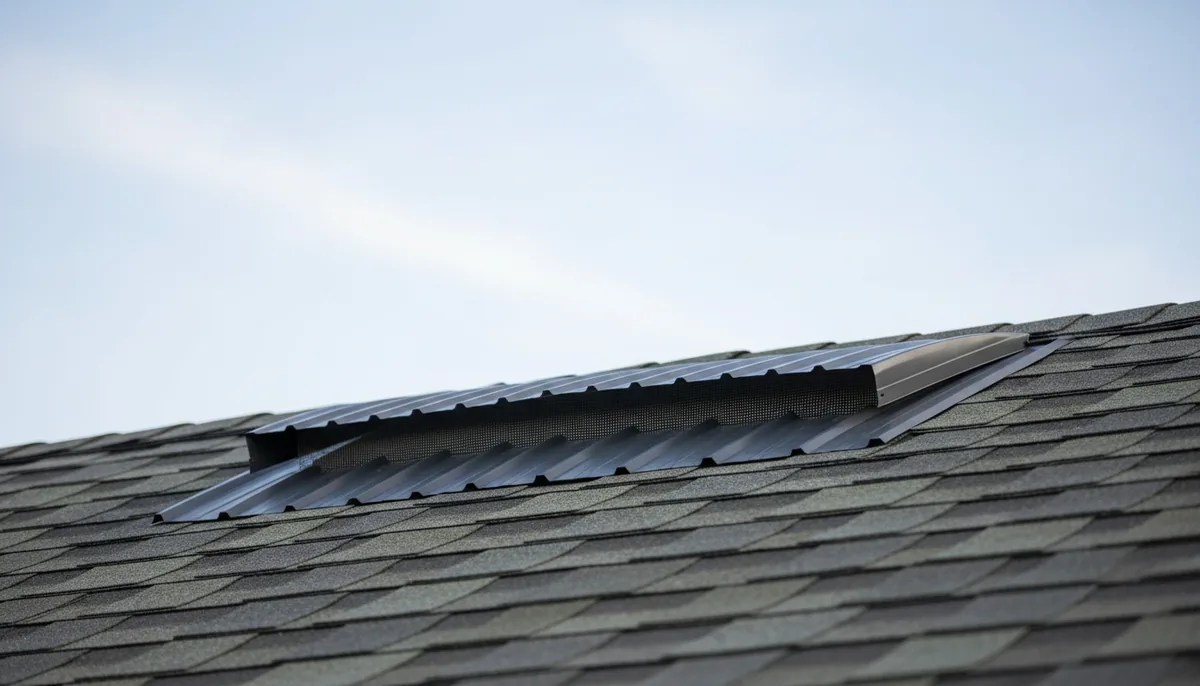
I do commercial roofs, but every friend who asks about their home insurance hears the same thing: get a wind mitigation inspection. Standard form OIR-B1-1802. It documents roof covering, roof deck attachment, roof-to-wall connection, roof geometry, secondary water resistance, and opening protection. Florida insurers are required to offer premium discounts for qualifying features, and you don't get the discount if you never hand them the form. The inspection costs far less than the annual discount it can open up — the mechanism works out in your favor in most cases I've seen.
What I would actually do: If you're replacing a roof, schedule the wind mitigation inspection after the deck is installed but before the membrane goes down. That way the inspector can photograph fasteners and deck attachment instead of guessing.
I've been wrong about this before, but I've yet to see a homeowner worse off from spending an afternoon with an inspector who knows where to look. On the commercial side, I read any prior wind report before I ever put a ladder against the building.
Questions I get asked
How do I verify a roofer's license?
Look up the number on the DBPR roll and match the name, the prefix, and the expiration date. A CCC-licensed contractor can work anywhere in Florida; an RC-licensed one can only work in the jurisdiction that issued it. If the contractor shows up with an RC and a job site two counties away, that's a problem. Active and current is the only state that counts.
Can I repair just the bad section of my roof?
Only if the roof was built to the 2007 Florida Building Code or later, thanks to SB 4-D (2022). A 2005 roof may still trigger the whole-roof upgrade if you're patching a large area. Either way, pull the permit and let the inspector make the call. I can't tell you what your local building department will do without seeing the roof, and neither can the person quoting you over the phone.
Will my insurance pay for a new roof?
Read your declarations page and your actual policy language, because coverage varies by policy and I'm not a licensed adjuster. Policies treat roof age, type of damage, and matching differently. The only way to know is to read yours and ask your carrier what documentation they require before a claim.
What's the difference between TPO and modified bitumen?
TPO is a single-ply membrane that reflects heat and suits low-slope warehouses; modified bitumen is an asphalt-based system that handles foot traffic and ponding better. I choose based on existing insulation, wether the owner cares about reflectivity, and yes, what's underneath. On Florida southern roofing jobs, I skew TPO for its solar reflectance and for how fast it goes down over a big box store.
How long should a commercial roof last?
Depends on the membrane, the substrate, and how well the flashing was detailed. A well-installed TPO roof over dry, well-fastened board in South Florida can give you twenty years plus, but I don't give a warranty number without knowing what's under the membrane. UV and ponding water do more damage than age. Keep the drains clear, and don't let anyone walk on it with boots covered in asphalt.