
How long is a roof warranty in Florida
By Shelly Marchetti, Florida homeowner advocate. Reviewed by Hal Winstead, Editor, licensed roofing contractor. Last spring I stood in a kitchen in Port Charlotte, Florida, with a roofer’s invoice in one hand and a denial letter in the other. The homeowner kept asking why her “30-year shingles” came with a warranty that ran out at year 12. The afternoon was hot, the AC was losing a battle against a ceiling fan, and the answer was buried five pages deep in manufacturer legalese. Before you sign anything from roofing companies in Florida, you need to know what a roof warranty actually measures—because it’s not one warrant,y and it’s not measured in one number.
Then Mrs. Delgado from down the street called me that same evening. Her contractor had handed her a “lifetime warranty” card that turned out to be a transferable limited warranty on a single layer of underlayment. She’d paid for a full replacement. If you think that’s rare, I’ve seen worse. I’ve seen a warranty voided because the homeowner painted the house and the painter walked on the roof. Not joking.
So let’s answer the question you actually typed into Google. Stick with me—I have been wrong about this before, but I’ve also read a few hundred warranty denials.
How long is a roof warranty in Florida? Start with the number on the paper
The honest answer: it depends entirely on which warranty you’re holding. Most Florida roof replacements come with three seperate warranties stacked on top of each other. The shingle manufacturer gives you a material warranty. The roofing contractor gives you a workmanship warranty. And if you bought a new house, the builder may give you a third one. None of them start on the same day, and none of them last the same length.
A typical asphalt shingle material warranty runs 25 to 50 years, but that “years” number is a ceiling. The actual coverage drops fast after the first decade. Most manufacturers prorate the payout—meaning year 15 might cover only a fraction of the replacement cost, and year 25 might be worth a few bucks. A workmanship warranty from the contractor is usually three to ten years. That covers installation mistakes, not the shingle itself. So when somebody says “30-year roof,” they’re often talking about the material, not the workmanship. And the workmanship is what fails first in Florida heat.
The shortest warranty you’ll ever see is the builder’s one-year structural warranty on a new roof. State law—what people call SB 4-D (2022)—tightened alot of roofing rules, but it didn’t create one uniform warranty length for every roof. There is no single statute that says “your roof must be covered for X years.” So you have to read the paper on your kitchen counter.

The two warranties sitting in your closing binder
If you’re in a newer home, pull out that thick folder from closing. Tucked near the termite letter is usually a manufacturer warranty for the roof covering and a separate contractor workmanship warranty. The manufacturer one often lasts longer, but it has massive holes. It may not cover labor, flashing, ridge vent work, or damage from a hurricane that the insurer classified as wind—even though you’d think wind is exactly what a roof warranty should cover.
The contractor’s workmanship warranty is the one I care more about. Ask the roofer directly: “How long is your workmanship warranty?” If you hear “we don’t really have one” or “the manufacturer covers everything,” walk away. A good contractor stands behind their nail pattern and flashing details. I’ve seen workmanship warranties as short as one year and as long as ten. Call it a fair split between five and seven for mid-range companies, but don’t assume. Get it written.
And here’s the kicker: Florida roofing contractors are licensed by the Department of Business and Professional Regulation (DBPR). That license—certified with a CCC prefix or registered with an RC prefix—tells you who can actually work where. A certified contractor can work anywhere in Florida. A registered one is stuck in the local jurisdiction that issued the license. Always check the DBPR roll before you trust a warranty signed by a contractor. If they’re not active, that paper isn’t worth much.

Your county permit matters more than the warranty card
You can have the most beautiful 40-year warranty in your glove box, and it means nothing if your roof was installed without a permit. A roof replacement in Florida requires a permit pulled from the local building department, and it requires an inspection. The inspector is the person who actually catches the contractor’s mistakes before they become yours. If a contractor offers to “save you the hassle” by skipping the permit, that’s the moment to end the conversation.
Why do I bring this up in a warranty post? Because the manufacturer’s warranty often excludes damage caused by improper installation. And if there’s no permit, you have no independent record of what was done. The contractor’s workmanship warranty is only as good as the company that wrote it. If that company won’t pull a permit, they’ve already told you how they handle rules. Unpermitted roofs also complicate insurance claims and home sales later. I’ve watched a perfectly good roof deny a buyer’s appraisal because the county had no record of it. The warranty card didn’t help one bit.
So when you ask “how long is a roof warranty in Florida,” the real answer is “as long as the installation is documented and the contractor is licensed.” Verify the licence number on the DBPR roll. Then confirm the permit with your local building department. That takes ten minutes. It will save you years.
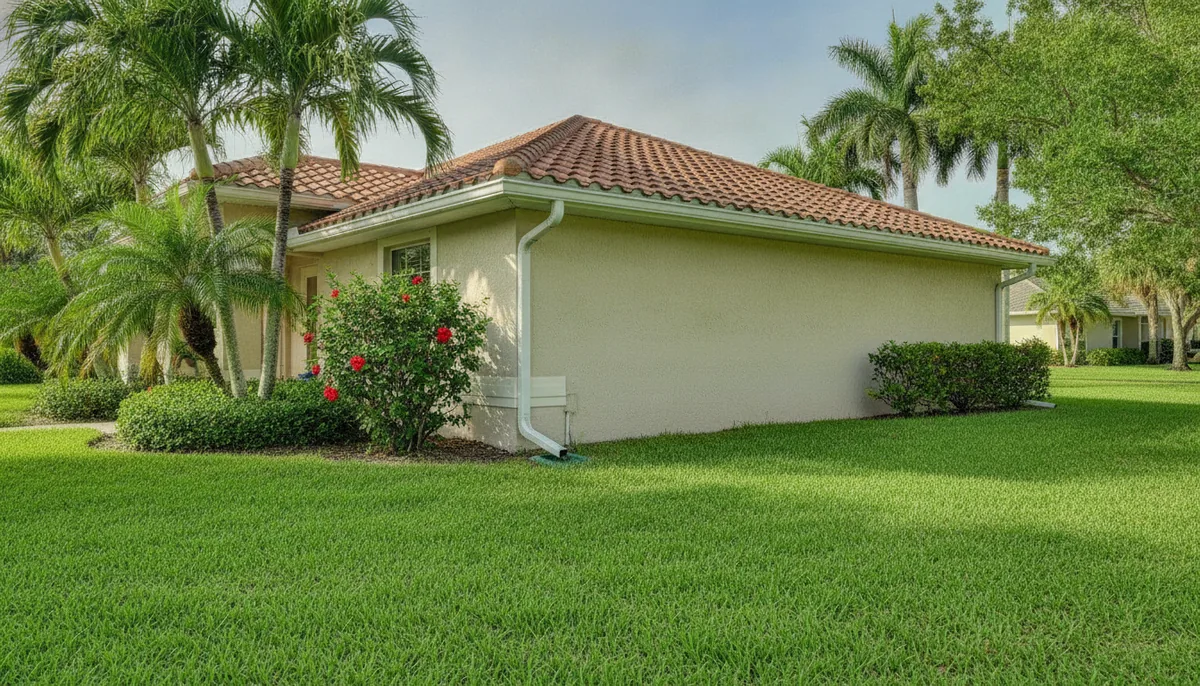
What wind mitigation has to do with your warranty (it’s not nothing)
This is the part nobody expects. A wind mitigation inspection documents your roof covering, roof deck attachment, roof-to-wall connection, roof geometry, secondary water resistance, and opening protection. That inspection has nothing to do with your warranty length on it's face. But Florida insurers must offer premium discounts for qualifying features, and the standard form is OIR-B1-1802. That discount can offset the cost of better underlayment or a second layer of deck attachment.
How does that connect to a warranty? Because when you sit down with a roofer and they tell you a cheaper underlayment is “fine,” you need a reason to ask for something tougher. A wind mitigation inspection often rewards features like sealed roof decking or upgraded shingle ratings. Those features come with longer, stronger manufacturer warranties in many cases. So the conversation isn’t “how long is a roof warranty in Florida?” It’s “what level of warranty am I willing to pay for, and will my insurance discount help cover it?”
My advice is to get the wind mitigation inspection done before you replace the roof, not after. That way you know exactly what features the insurer will reward. Then you can choose products that hit both marks. The inspection typically costs far less than the annual discount it can open up. And no, I can’t give you a dollar figure because every policy and every roof is different. But I’ve seen homeowners pay for the inspection with the first year’s savings.
What I would actually do: Get a wind mitigation inspection on the old roof first. Ask the roofer for a proposal that includes upgraded deck attachment and sealed underlayment. Price it both ways, then compare the insurance discount against the added cost. Make the warranty decision after you see those numbers.
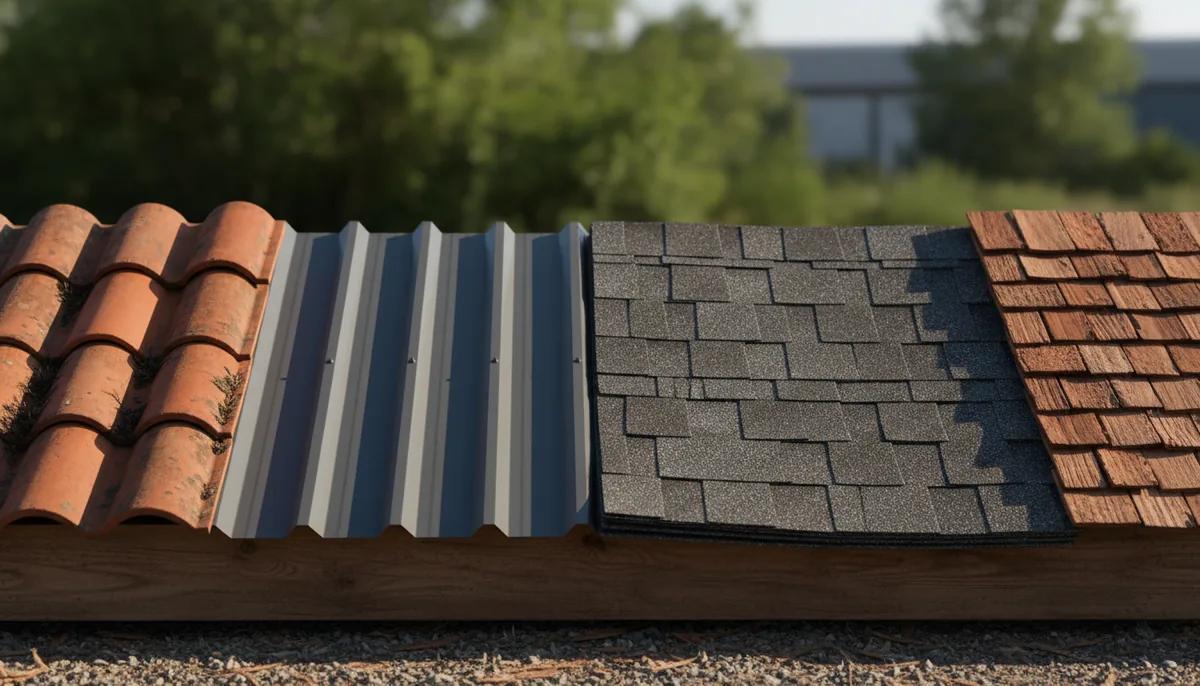
The fine print that eats years off the warranty
Here’s where the digression comes in. You would not beleive how many people store their roof warranty paperwork in the same drawer as the waffle iron manual. Please do that. I don’t care about organization. But if you ever file a claim, you need that paper, and your insurance company will ask for it. I once spent an afternoon helping a man in Cape Coral find his warranty in a pile of fishing tackle. The warranty was waterproof, which was ironic.
Now the actual fine print. Most roof warranties require you to register the product within a certain number of days of installation. Miss that window, and the clock still runs but the coverage starts later or disappears entirely. They also require you to have the roof inspected after a major storm. Some require annual maintenance by a licensed contractor. Others void coverage if you walk on the roof too many times, if you add a satellite dish, or if you don’t clean the gutters.
And here’s the one that gets homeowners in Florida most often: algae and heat discoloration are treated as cosmetic issues, not warranty claims. The warranty may last 25 years, but it doesn’t cover the black streaks that make you want to replace the roof at year eight. Same with granules shedding in your downspouts—that’s normal near the end of the shingle’s life, and it’s almost never a warranty event. So ask the roofer specifically: “What will this warranty actually replace, and what will it only pay half of?” Get them to point to the exclusions page.
Then check whether the warranty is transferable if you sell the house. Most are, but usually with a fee and a shortened term for the new owner. That changes your home’s resale value. A non-transferable warranty is a red flag worth negotiating over.
What I would actually do: Before you sign the contract, ask the roofer to mark up the warranty document. Literally circle the coverage length, the proration schedule, the registration deadline, and the list of exclusions. If they hesitate, that tells you everything. If they walk you through it, you’ve found someone worth hiring.
How long is a roof warranty in Florida after a storm? Depends what is under there
After a hurricane, homeowners call me in a panic. Their roof leaked, the adjuster came out, and the contractor says the warranty won’t cover the repair because it was wind damage, not a defect. Then you’re in insurance territory, not warranty territory. Coverage varies by policy—I’m not a licensed adjuster, and I won’t pretend to be one. Read your declarations page. Look for law and ordinance coverage. Ask your agent whether the policy uses actual cash value or replacement cost for roofs.
Here’s where Florida Statute 627.70132 comes in. That’s the one that restricts policy language around roof claims and deductibles. And then there’s Citizens Property Insurance Corporation, which has its own requirements if you’re insured with them. The point is that a roof warranty doesn’t care about your insurance claim. The manufacturer will deny coverage if they determine the leak came from wind uplift or storm damage. So the real question after a storm is always: was this a defective product or a wheather event? If it’s weather, the warranty clock doesn’t help you. Your insurance does.
And if you’re in a high-risk area, you may also have heard of My Safe Florida Home, which offers free or discounted wind inspections and grant matching for hurricane retrofits. That program doesn’t lengthen your roof warranty, but it helps you build a roof that will outlive the warranty period. A roof that fails before year ten is bad luck. A roof that fails after year 25 while still under a prorated warranty is just math. You want a roof built to beat the clock, not one racing it.
Questions I get asked
Does a “lifetime warranty” on a Florida roof really last a lifetime?
Usually not. In the roofing business, “lifetime” often means the reasonable expected life of the product, which in Florida heat may be 20 to 30 years. Read the paper to see what “life” means. If it says “life of the original homeowner,” that’s a different deal—but it still doesn’t mean labor is covered forever.
What’s the minimum roof warranty I should accept from a contractor?
I would not accept less than a five-year workmanship warranty on a full replacement. Even that should be in writing with the contractor’s full legal name and licence number on it. And make sure the warranty says it covers leaks caused by improper installation, not just “defects in workmanship,” which is a vague phrase.
Can I void my roof warranty by installing solar panels later?
Very likely. Most manufacturers reserve the right to deny coverage for any damage caused by penetrations not made at the time of installation. That includes solar mounts, satellite dishes, or antenna brackets. If you’re planning solar, tell the roofer before the original installation so they can add proper flashing and keep the warranty intact.
Will filing an insurance claim cancel my roof warranty?
No, a claim itself won’t cancel the warranty. But if the insurance adjuster writes up a repair and the contractor does work outside the manufacturer’s specifications, the warranty can be voided for that area. Always make sure the contractor who does the repair is authorized by the manufacturer and uses approved materials.
Does the permit inspection affect the warranty length?
Not directly, but an inspection that fails can force the contractor to fix something they otherwise would have hidden. That fix is what prevents a small problem from voiding the whole warranty later. I’d rather have a failed inspection on record than a silent one that lets a bad install ride.
What should I do if my warranty claim gets denied?
Call the manufacturer or contractor and ask for the denial in writing with the specific exclusion cited. Then verify your roof was registered and make sure you have proof of annual maintenance if required. If the denial references a contractor mistake, that puts you back on the workmanship warranty, so check that document next. And don’t give up—Florida homeowners win warranty appeals all the time when they ask politely and provide written records.