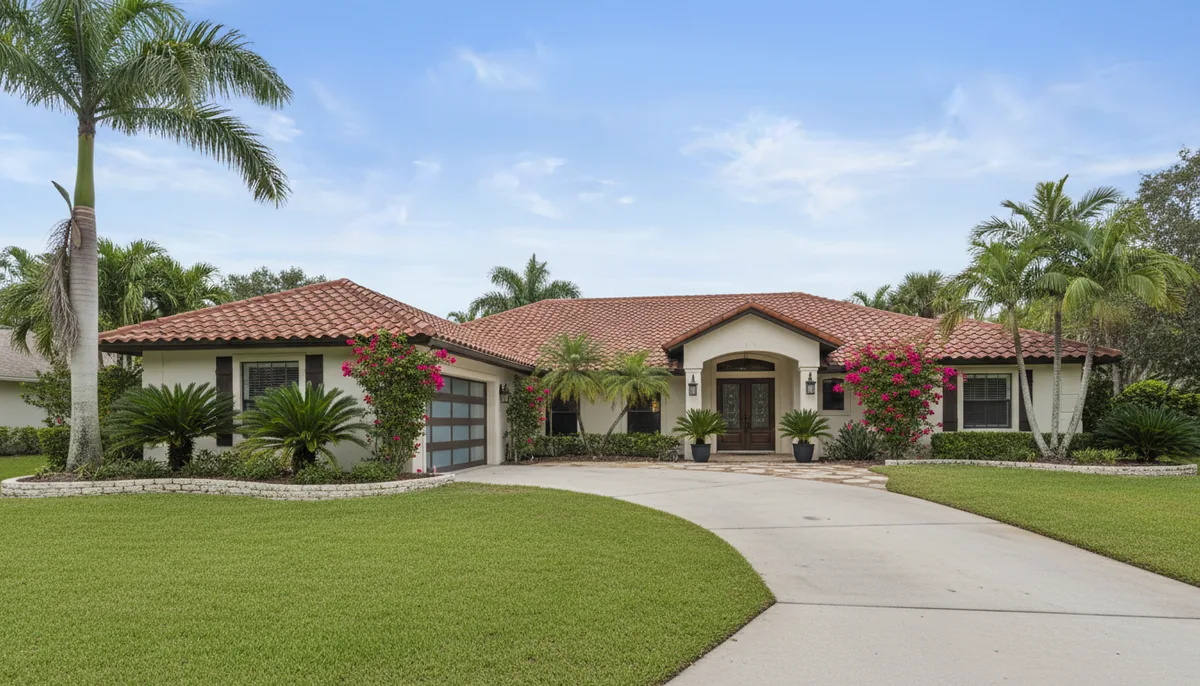
Hurricane roof damage Florida insurance: What Florida Homeowners Should Know
By Shelly Marchetti, Florida homeowner advocate. Reviewed by Hal Winstead, Editor, licensed roofing contractor. Let me tell you about a Tuesday afternoon in Cape Coral. A homeowner named Carl had a roof that looked like someone had taken a cheese grater to it after Hurricane Ian. The insurance adjuster had already come and gone, and Carl had a denial letter in his hand that said "pre-existing wear and tear." He was ready to give up. I asked him one question: when did the damage actually happen? He looked at me like I had three heads. That letter was sitting in a pile of mail for six weeks before he opened it. That pile cost him. I see this all the time, and I have been wrong about this before, but I have never seen a denial letter that deserved to be the final word. So before you sign anything, before you accept a check, and before you give up on that claim, here is what you need to know about hurricane roof damage Florida insurance actually covers, and more importantly, how to make the system work for you instead of against you. If you need a contractor who knows how to document storm damage properly, start with a list of storm damage roofing companies in Florida that the directory has already checked out for you.
The thing about Florida insurance is that it is not a charity. It is a contract, and contracts have deadlines. Your policy is a legal document written by people who have lawyers, and you are reading it at your kitchen table with a cup of coffee. That is not a fair fight, but you can level the playing field if you know the rules. The biggest rule change lately is the deadline for filing a claim. Under Florida Statute 627.70132, you have one year from the date of loss to file an initial or reopened claim, and eighteen months for a supplemental claim. They changed this from three years back in 2022. That matters more than you think.
Here is the trap. The clock starts ticking on the date the damage happened. Not when you discovered it. Not when the storm was named. Not when your neighbor told you to look at your shingles. The date the wind actually damaged your roof. If a hurricane hits on September 10th, and you do not notice the leak until February because you had a tarp up, you might already be in trouble. The insurer can deny a completely valid claim just because you missed the window. I have seen it happen to a schoolteacher in Fort Myers whose roof leaked for months before she realized it was a storm claim. Her policy covered the damage. That did not matter. The deadline is a complete defense.
What I would actually do: The day after any storm, take a walk around your property and look up. Put the date on your phone. Even if you do not file a claim for six months, write down what you saw on that specific day. That note is your evidence of when you knew. And if you find damage later, file immediately. Do not wait for the adjuster to call you. Do not wait for the roofer to finish their estimate. File the claim now and amend it later.
That "free" inspection you keep hearing about might save you thousands
Every Florida homeowner should know about the wind mitigation inspection. It is a document that shows your insurance company exactly how well your roof is attached to your house. They use a standard form, form OIR-B1-1802, to record things like the roof covering, how the roof deck is attached, how the roof connects to the walls, the shape of the roof, wether there is secondary water resistance, and what kind of protection you have on your openings. The inspection itself costs a few hundred bucks, give or take, depending on the size of your house and whether you have a complex roofline. But what it unlocks is the good stuff.
Florida law requires insurance companies to offer premium discounts for homes that qualify. I have seen these discounts add up to hundreds of dollars a year. My own mother, who lives in a 1990s concrete block house in Orlando, pays less than her neighbor with the exact same floor plan because she had one of these inspections done and her neighbor did not. Same house. Same insurance company. Different price. The inspection pays for itself in the first year, and the savings keep compounding. If you are filing a hurricane roof damage Florida insurance claim, having one of these inspections done before the adjuster comes out gives you a much stronger negotiating position. You are showing them proof that your roof was in good shape and properly installed before the storm hit.
What happens when no private company will touch your roof?
Sometimes you do everything right and the private market still says no. That is what Citizens Property Insurance Corporation is for. It is the state-backed insurer of last resort, and it exists for homeowners who cannot find coverage anywhere else. If you have been denied by two or three private carriers, or if your premiums have gone so high that they are effectively trying to push you out, Citizens might be your option. I am not here to tell you it is a great deal. It is the backup plan. The state created it because without it, a lot of Florida homeowners would have no wind coverage at all, and you cannot have a mortgage without wind coverage unless you have catastrophic money sitting in the bank. It is not perfect, but it exists, and it has kept a lot of people in their homes.
Now, there is a seperate program that a lot of people confuse with Citizens. My Safe Florida Home is a state initiative that offers free wind mitigation inspections and matching grants for qualifying hurricane-hardening improvements. The funding is appropriated per cycle, which is a fancy way of saying it runs out, and nobody knows when it will open again. It is always worth checking whether the program is currently accepting applications, because when it opens, the money goes fast. I have had clients get grants to reinforce their roof-to-wall connections and add secondary water barriers. That kind of work can shave a serious chunk off your insurance bill and make your house safer in the next storm.
What I would actually do: Before you spend a dime on roof repairs, check the My Safe Florida Home website to see if it is open. If it is, apply immediately. Even if you do not qualify, the free inspection they offer is worth it's weight in gold. And if you cannot get into that program, just pay for a private wind mitigation inspection. It is the cheapest insurance policy you will ever buy.
The 25% rule is not the rule you think it is
You have probably heard about the old twenty-five percent rule. It came from the Florida Building Code, and it said that if more than a quarter of your roof needed repair or replacement in any twelve-month period, you had to bring the whole roof up to current code. That rule caused a lot of headaches and a lot of full roof replacements that nobody really wanted. Then SB 4-D came along in 2022 and changed the game. If your roof was built, repaired, or replaced to the 2007 Florida Building Code or any later edition, then only the section being worked on needs to meet current code. A full replacement is no longer automatically triggered just because you crossed that twenty-five percent line.
But here is the catch, and there is always a catch. The 2007 edition took effect on March 1st, 2009. So if your roof was completed before that date, the old rule might still apply to you. I have a client in Naples with a 2005 roof who got told by one contractor that they needed a full replacement and by another that a repair would do. The difference came down to when the original roof was installed. If you have an older roof, the age matters more than the damage. Do not let a contractor talk you into a full replacement if the code does not require it, but also do not assume you can patch a twenty-year-old roof when the code says otherwise. Call it a gray area, but it is a gray area with a date attached to it.
An aside here, because I have to get this off my chest: I once had a customer who taped a garbage bag over a hole in his roof and then filed a claim for interior water damage. The adjuster walked in, looked up, and saw the bag flapping in the breeze coming through a hole the size of a dinner plate. He denied the interior claim and the roof claim. The bag was not the problem. The problem was that the homeowner created new damage by waiting. If your roof is leaking, tarp it properly, but do not pretend the leak does not exist and do not wait three months to file the claim.
Hiring a roofer in Florida is not as simple as picking the cheapest bid
I am going to tell you something that might upset some contractors, but it needs to be said. Florida roofing contractors are licensed by the Department of Business and Professional Regulation, the DBPR. A certified roofing contractor has a license that begins with CCC, and they are allowed to work anywhere in the state. A registered roofing contractor has a license that begins with RC, and they can only work in the local jurisdiction that licensed them. That is a huge difference. If you hire a registered contractor from Dade County to work on your house in Hillsborough, that contractor is working outside their license. And if something goes wrong, your insurance company might use that to deny coverage for any defects in the workmanship.
Before you let anyone climb a ladder, go to the DBPR website and verify the license is active. It takes two minutes. The directory has already done this for the companies it lists, which is a head start, but you should still do your own homework. Ask for the license number. Check the status yourself. Look for any disciplinary actions. And never, ever pay a contractor in full before the work is done. A roofer who asks for fifty percent upfront is not necessarily a crook, but a roofer who asks for the full balance before they start is a crook or a fool, and you do not need either one on your roof.

Questions I get asked
My roof is damaged but I missed the one-year deadline. Is there anything I can do?
The deadline under Florida Statute 627.70132 is harsh, but it is not always the end of the road. If you missed the deadline because the insurance company gave you misleading information, or because you were dealing with a contractor who lied to you, there might be an argument to make. Talk to a Florida licensed public adjuster or a property insurance attorney who knows this area of law. You still might lose, but you should not give up without a fight.
Should I file a claim for a small leak or just pay for it myself?
That depends entirely on your policy, your deductible, and your claims history. Insurance companies have been known to drop homeowners for filing too many small claims. If the repair costs less than your deductible, it probably is not worth filing. But if the damage is from a hurricane, the rules are different, and you should document everything anyway. Read your declarations page so you know exactly what your deductible is and what your policy covers.
What if the insurance adjuster says the damage is just wear and tear?
That is the most common denial reason I see. The adjuster is looking at an aging roof and deciding that the storm was not the cause. You can fight this by having a roofing contractor give you a detailed written assessment that specifically ties the damage to the storm event. Photos help. Drone footage helps. A lack of maintenance records hurts you. If you have kept your roof in good shape, prove it.
How long do I have to get a roofer out after a hurricane?
You should of get a roofer out as soon as it is safe to get on the roof. The adjuster is going to look at the contractor's report as part of the claims process. If your roofer is busy for three weeks and the adjuster is ready to close the file, that is a problem. That is why you want a company that is responsive. The directory lists companies that are in the business of storm damage work, which means they know how to document things correctly the first time.
Can I use the insurance money for anything other than fixing my roof?
No. If your policy pays you for roof damage, the mortgage company might require proof that the roof was actually repaired before you get the full payout. And if you pocket the money without fixing the roof, the next storm is going to cause even more damage, and that claim will be denied. Fix the roof. It is the only way to protect what is underneath it.
What does "matching" mean when it comes to roof repairs?
Some insurance policies include coverage to make sure the repaired section matches the rest of the roof. That means if you have discontinued shingles, the company might have to replace more than just the damaged area to make it look consistent. But this is not guaranteed in every policy. If matching is importent to you, check your policy language or ask an adjuster before the work starts.
More from the site
- Florida roof insurance claim: What Florida Homeowners Should Know
- Roof damage hurricane insurance lawyer florida: What Florida Homeowners Should Know
- Florida roof replacement insurance: What Florida Homeowners Should Know
- Roof damage claims public adjuster florida: What Florida Homeowners Should Know
- Florida insurance roof claim denied: What Florida Homeowners Should Know