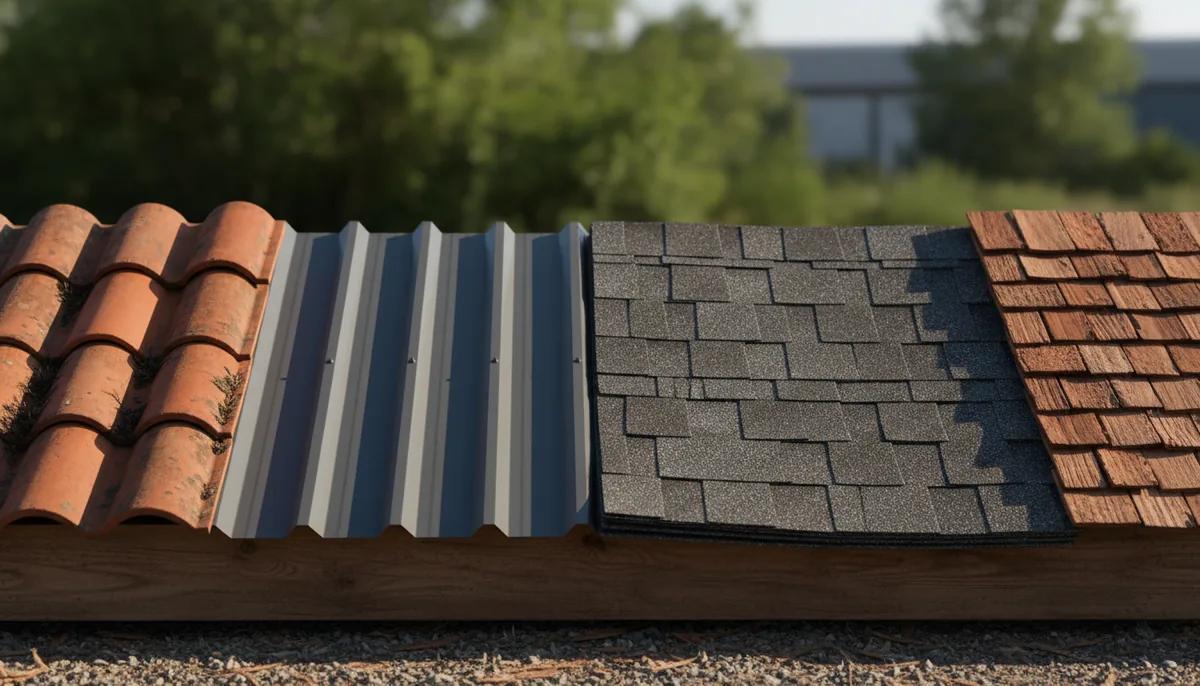
Metal roof maintenance Florida
By Bud Kettering, Roof consultant and inspector. Reviewed by Hal Winstead, Editor, licensed roofing contractor. I spent a Tuesday afternoon in Naples on a metal roof that was maybe ten years old, and the rust wasn’t the problem. The ridge cap was fine. The panels were fine. The problem was the little carbon-steel screws with the rubber washers—the ones the original crew used because they were cheaper. The washers had baked out and cracked, and water had been running down those threads for months, rusting the fastener heads to the point where one of them snapped off when I touched it. The roof looked perfect from the driveway. Underneath it, the deck was starting to stain.
That roof didn’t fail because metal is bad in Florida. It failed because nobody had ever come back to look at the fasteners. If you own a metal roof, or you’re thinking about one, the maintainance is not the panels. It’s the little stuff holding them down. And if you’re not sure what you’re looking at, it’s worth finding somebody who is—metal roofing companies in Florida can get you a second opinion, but I’d rather show you how to spot the problems yourself before you spend a dime.
I’ve been doing this for a long time. I crawl around in Florida attics with a torch and a moisture meter, and I spend an embarrassing amount of time on roofs that looked fine from the ground. Metal roofs are a different animal than shingle, but only sort of. The principles are the same. Water comes in at a failed closure, a wrong flashing detail, or a screw that backed itself out. Ninety percent of the time, the leak is not the metal. The metal is just a very expensive umbrella with a hole in one seam.
The fastener is the weakest link, not the panel
So let’s talk about those screws, because I of a religious conviction about this. A metal roof in Florida gets pounded by sun, then hit with a rainstorm, then the sun comes back and bakes whatever moisture is left. That cycle is murder on a rubber washer. I see it all the time. The washer cracks, water gets in, and the screw starts corroding. You don’t see it from the ground. You might not even see it from the roof if the head is still intact.
What I would actually do is schedule a fastener check every few years. Walk the roof and look for screws that are popped up, rusted, or missing. I carry a magnetic bit and I’ll gently re-seat a fastener that has backed out, but I never over-torque it—you strip the washer or you dimple the metal and create a pond. If a screw head snaps off the way that one in Naples did, the fix is to find the screw, pull it with pliers if you can, and re-drill a new screw right next to it with a dab of sealant. You don’t patch the old hole with caulk and call it a day.
Now, I’m not saying you should DIY this. Metal roofs are slippery when they’re dry and absolutely treacherous when they’re wet, and alot of them have a slope that will kill you. But I am saying you should know what to ask for when you hire someone.
Wait, doesn't a metal roof just... last forever?
I get asked this a lot. The honest answer is that the metal lasts. Galvalume and aluminum panels have a long life. The sealants and the coatings and the fasteners are the parts that don’t. A metal roof is a system. The panels are the biggest component, but they’re not the only component, and they’re rarely the first thing to fail.
Let’s talk about the salt, too. I work all over Florida, but if you’re within a mile or two of the coast, salt air is doing things to that roof that’s not happening to a roof in Orlando. I inspected a place in Key Largo where the aluminum panels were fine but the exposed steel trim at the gable end had surface rust you could scrape off with a fingernail. It was cosmetic, for now. In three years, that rust will start to eat into the trim’s thickness, and after that, you're patching holes in a piece that should have been replaced last spring. Here’s the plain rule: the closer you are to salt water, the more often you need to look at bare metal edges, cut edges, and scratches. Cut edges are where corrosion starts. I’ve seen more metal roofs fail at a scratched edge under a failed coating than I have from hurricane winds, and I’ve seen some dumb stuff.
And speaking of dumb stuff—one time a homeowner tried to fix a leak by slathering a whole tube of silicone across the seam. He made it worse. He trapped the water under the sealant, and the moisture had nowhere to go except sideways into the next bay of the standing seam. I had to peel that mess off with a scraper and then track the actual leak path with a moisture meter. It took me two hours. Silicone is not a roofing material. It is a temporary fix that is a permanent pain in the neck.
What I would actually do: Mark any fastener that’s popped or rusted with chalk, take a photo, and have a licensed contractor show you the replacement screws they plan to use. If you’re in a coastal county, I’d spec aluminum or stainless steel fasteners with EPDM washers. They cost more. The difference is nothing compared to the cost of a rot repair in an attic you never visit.
What a metal roof inspection looks like when I crawl up there
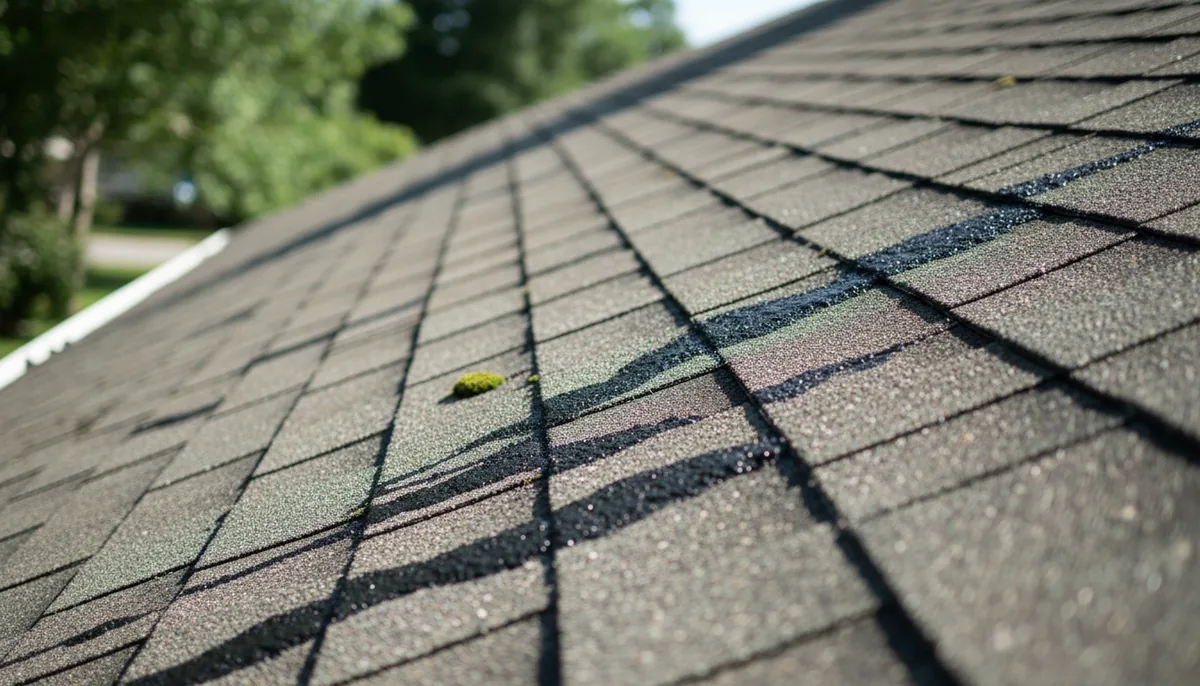
When I inspect a metal roof for a buyer or an insurer, I’m not doing a magic trick. I’m following water. I start at the penetrations—the vent pipes, the AC lines, the plumbing stacks—because that’s where the flashing gets hacked together. I carry a small torch, and I’ll run it along a questionable seam or a pipe boot and watch how the light behaves on the other side. If I see daylight through a laps, that’s a hole. It’s that simple.
A wind mitigation inspection is a whole other thing. That’s the one that insurance companies care about. Florida law says insurers have to offer a discount for certain features, and the standard form is OIR-B1-1802. It documents the roof covering, the deck attachment, the roof-to-wall connection, the geometry, the secondary water resistance, and the opening protection. If you have a metal roof with a proper deck attachment and a secondary water barrier under it, you can score well on that form, and that discount pays for the inspection many times over.
But here's the thing people miss. A metal roof won't get you a discount just for being metal. The structure underneath has to be up to snuff. I've inspected metal roofs over trusses with not a single clip to the top plate, and that's a fail no matter what the covering is. The metal might be beautifull, but if the roof-to-wall connection isn't there, you're not getting the discount, and you're not getting the insurance money if a hurricane comes through.
I have been wrong about this before, so I hedge. I never promise a homeowner they’ll qualify for a wind credit. I tell them what I see and what it’s worth getting fixed. The form has to be filled out by a licensed inspector, and the DBPR licence prefixes CCC and RC tell you who you’re dealing with. A CCC guy can work anywhere in the state. An RC guy is locked to his local jurisdiction. Always check the number against the DBPR roll before you let anyone, including me, tell you what your roof needs.
What I would actually do: If you have a metal roof and you’re buying insurance, pay for a wind mitigation inspection before you bind the policy. It typically costs less than the annual discount you can open up. And don’t get the inspection from the same guy who is trying to sell you a new roof. Get an independent set of eyes. I’m a legitimate inspector, but I’m biased—I get paid to find problems. You want a bias that is on the same side as your bank account.
The Permit Question and Why It Makes You Sweat
I know permits are a pain. I’ve seen contractors turn white when a homeowner asks if they pulled one. And I’ve seen homeowners try to skip the permit to save a couple hundred bucks and a couple days of hassle. In Florida, a roof replacement requires a permit from the local building department and an inspection. If a contractor offers to skip it, walk away. That’s not me being a stickler. That’s me telling you that an unpermitted roof can complicate an insurance claim and can absolutely torpedo a home sale when the buyer’s title search turns up work with no permit history.
I had a client in Port St. Lucie who bought a house with a metal roof that was installed without a permit. The seller had done it himself, and honestly, the work was decent. But when the buyer went to get insurance, the carrier asked for the permit documentation, and there wasn’t any. The whole deal almost fell apart over a roof that didn’t leak. There is a reason Florida Statute 627.70132 exists and why legislation like SB 4-D (2022) tightened up the rules around roofs and insurance. These laws aren’t there to make your life miserable. They are there because a roof is a major structural component, and when it fails, it can take the rest of the house with it.
Metal roofs and the "cool" factor
I’ll say one thing in favor of metal roofs that has nothing to do with leaks. They are genuinely better in the Florida sun. A dark shingle roof absorbs heat and bakes your attic, and your AC works harder than it should. A metal roof reflects a chunk of that solar radiation. Pair that with a radiant barrier in the attic and you have a house that is measurably cooler in the afternoon. The insurance discount is one savings mechanism. The energy savings is another. And if you live inland, away from the salt, a good metal roof with proper care will outlive most of the shingle roofs on your block.
But here is the catch I always tell people. Metal roofs cost more per square, and the price depends on pitch and access. A steep roof over a two-story house takes longer to walk, and it’s more dangerous. That cost gets passed to you. The material is just part of it. The trim, the closures, the fasteners, the flashing—those are where a contractor makes money and where a bad contractor cuts corners. I’ve seen metal roofs on expensive homes with the cheapest possible closures, and water blew right in during a thunderstorm. The metal was fine. The installation was crap.
Questions I get asked
How often do I really need to maintain a metal roof in Florida?
Honestly, I’d say a light visual check every year and a more thorough fastener and sealant check every three to five years. If you’re within sight of salt water, shorten that. If you have a lot of trees overhanging the roof, check more often, because palm fronds and twigs can scratch the finish and hold moisture against the metal.
Will a metal roof lower my home insurance?
Not automatically. It depends on the individual policy and the insurer. A metal roof can help you qualify for a wind mitigation discount if the deck attachment and secondary water resistance are documented on form OIR-B1-1802. But what any specific policy covers is between you and your insurer, so read your declarations page and ask your agent to put it in writing. Some carriers are more skeptical of metal roofs than shingles because they’ve seen cheap installs leak at the fasteners. You need the paperwork to prove your roof was done right.
Corrosion on my metal roof—is that a dealbreaker?
Depends what is under there. Surface rust on a galvalume panel can often be cleaned and primed and painted. But if the corrosion has eaten a hole through the panel, or if the fasteners are rusting from the inside out and staining the deck, you have a bigger problem. I’d use a screwdriver to gently probe any rusted spot. If it goes through, start planning a repair or replacement. If it doesn’t, treat it and monitor it.
Can I just coat my metal roof to make it last longer?
You can. A silicone or acrylic roof coating over properly cleaned metal can extend a roof’s life and seal tiny fastener leaks. But no coating is a substitute for replacing suspect fasteners or repairing a corroded panel. I’ve seen coatings fail in two years when they were put over rust or over a dirty, greasy surface. If a contractor tells you a coating will fix a leaking roof without asking to see the underside of the deck, get a second opinion.
What’s the first thing I should do after a hurricane?
Wait for the water to get in, don’t run up on the roof while the winds are still kicking. After it’s safe, walk around the inside of the house and look for water stains on ceilings and walls. If you see a stain, don’t patch the ceiling until you’re sure the roof leak is fixed. I use a moisture meter to trace where the water is coming in, because it never leaks right above the stain. It runs down a truss or a pipe and drops six feet away.
I found a leaking metal roof. Can I patch it myself?
Maybe. If it’s a popped screw or a failed washer at the seam, and the metal is in decent shape, re-seating a screw or replacing one is a manageable job if you can do it safely. But if the leak is at a valle or a penetration, you’re dealing with flashing that was cut wrong, and that’s not a patch, that’s a craft. I’ve made more money cleanning up DIY leak patches than I’ve made fixing actual lightning strikes. Don’t turn a one-hour repair into a four-day project.