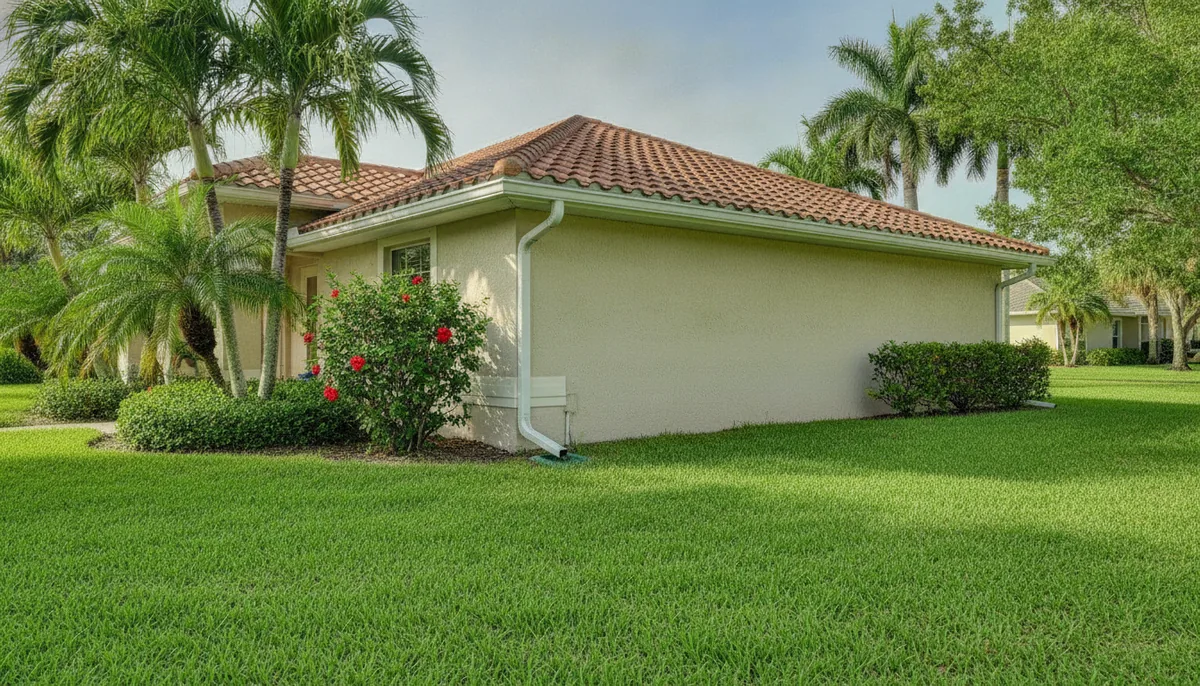
Metal roof vs shingle roof in Florida
By Bud Kettering, Roof consultant and inspector. Reviewed by Hal Winstead, Editor, licensed roofing contractor. I was up in a Cape Coral attic last June, torch in hand, chasing a leak that had stained a cathedral ceiling in a brand-new build. The roof was a "stone-coated steel" product, which should have been the last thing to fail. I found the problem. The manufacturer's own fasteners had backed out a quarter-inch because the crew had run them into treated plywood that was still wet from a rain delay. The wood shrank, the screws walked, and the homeowner had a waterfall inside his walls. A shingle roof in that same neighborhood two streets over had survived the same storm fine. And that’s the whole argument right there: it depends on what is under there.
I inspect roofs for buyers, sellers, and insurers. I spend my days crawling through Florida attics with a moisture meter and a flashlight, looking at what happens when a 140-mile-an-hour gust meets a flawed installation. If you’re doing the metal roof vs shingle roof in florida debate, you need to know that the best material in the world fails when it’s put on wrong. If you’re looking for contractors who do this for a living and not just for a season, you can search the metal roofing companies in Florida directory, which pings the DBPR rolls so you're not taking somebody's word for it.
Here is what thirty years of heat, salt, and hurricane season have taught me about the two big choices. I of been wrong about this before, so I’ll tell you where the trade-offs bite.
The wind test is about the deck, not the pretty face
Everyone focuses on wether the metal panel or the shingle can take a hit. That’s the wrong question. A shingle is essentially a fabric layer that sheds water. A metal panel is a giant sail. In a hurricane, the wind doesn’t rip a shingle off because the shingle is weak. It rips it off because the air pressure sucks it up, and then the next gust tears it. With metal, the wind pushes on the panel differently. But both fail the exact same way: they lift the fasteners out of the wood. If your roof deck is attached to the trusses with 6-penny nails instead of 8-penny ring-shank nails, the deck goes first, and both the metal and the shingles go with it. I’ve seen tile roofs leave the building and land intact on the lawn. The roof covering doesn’t matter if the deck is gone.
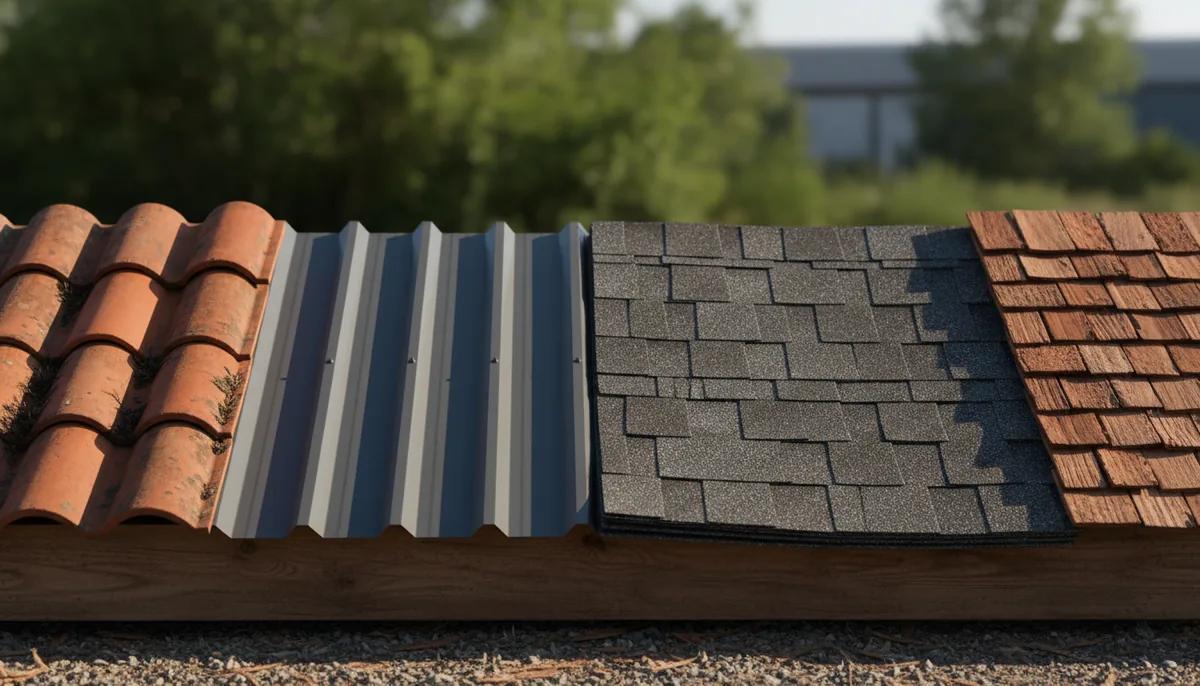
What the wind mitigation form actually asks
When an insurance company asks for a wind mitigation inspection, they want the form OIR-B1-1802 filled out. That form doesn't care if you have fancy metal. It asks what the roof covering is, how the deck is attached, how the roof is tied to the walls, what the roof shape does, and whether there’s secondary water resistance. That last one is huge. That’s the layer of tar paper or peel-and-stick membrane under the shingles or panels. If the main covering gets stripped off in a storm, that secondary layer is the difference between a dry attic and a soaked one. Florida law says insurers have to offer you a discount for qualifying features. I tell people all the time: pay for the inspection first, before you buy the metal roof. The inspection costs less than the annual discount you might open up. And if you have a gable end that’s going to catch wind no matter what you put on top, the discount might be smaller than you think.
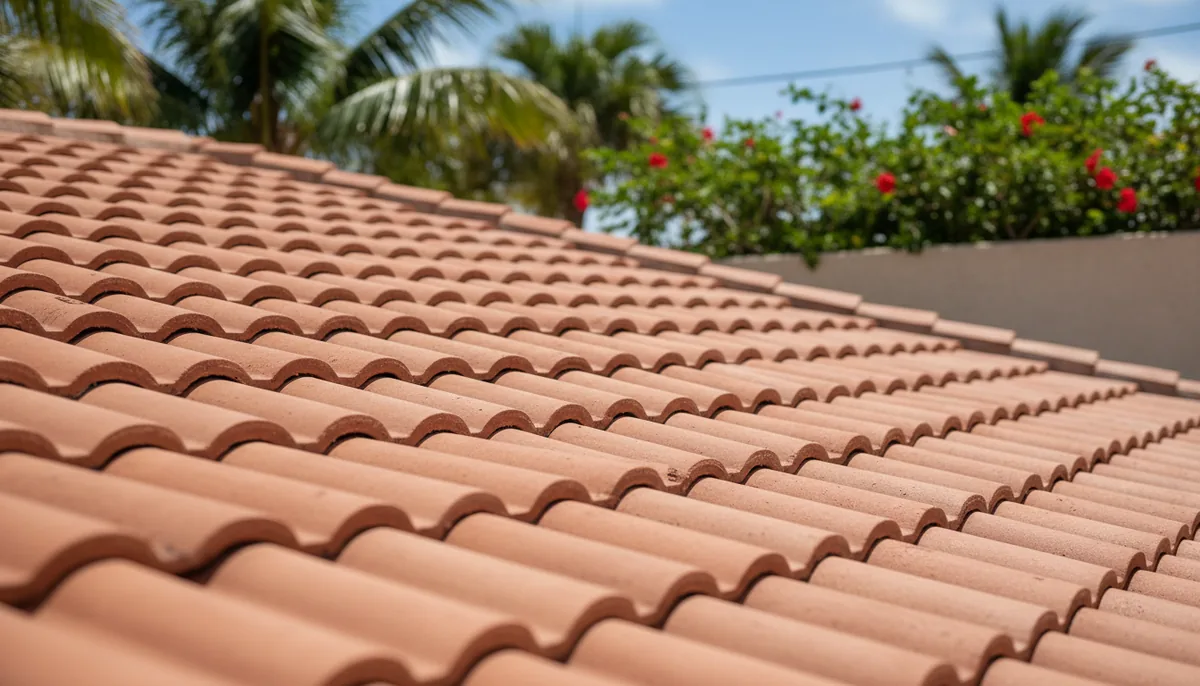
Corrosion is the quiet killer for metal
Shingles don't rust. Metal does. That seems obvious, but people forget Florida is basically a saltwater bath. A bare galvanized steel roof in the Keys will look terrible in five years. The panels might be fine structurally, but the finish washes away. I have crawled over metal roofs that looked like a bad case of acne from the underside because the cut edges at the ridge were never painted. The best metal roofs have a coating that’s baked on and aluminum or zinc in the alloy. But it doesn't matter what the top coat is if the roofer scratches it dragging a ladder across. One scratch in the wrong place, and you have a rust streak running down a white panel. I've been inside attics where the rust has eaten all the way through a 26-gauge panel in a decade because the condensation underneath had nowhere to drain. Shingles don’t have that problem. They just dry out and go brittle at the end of their life.
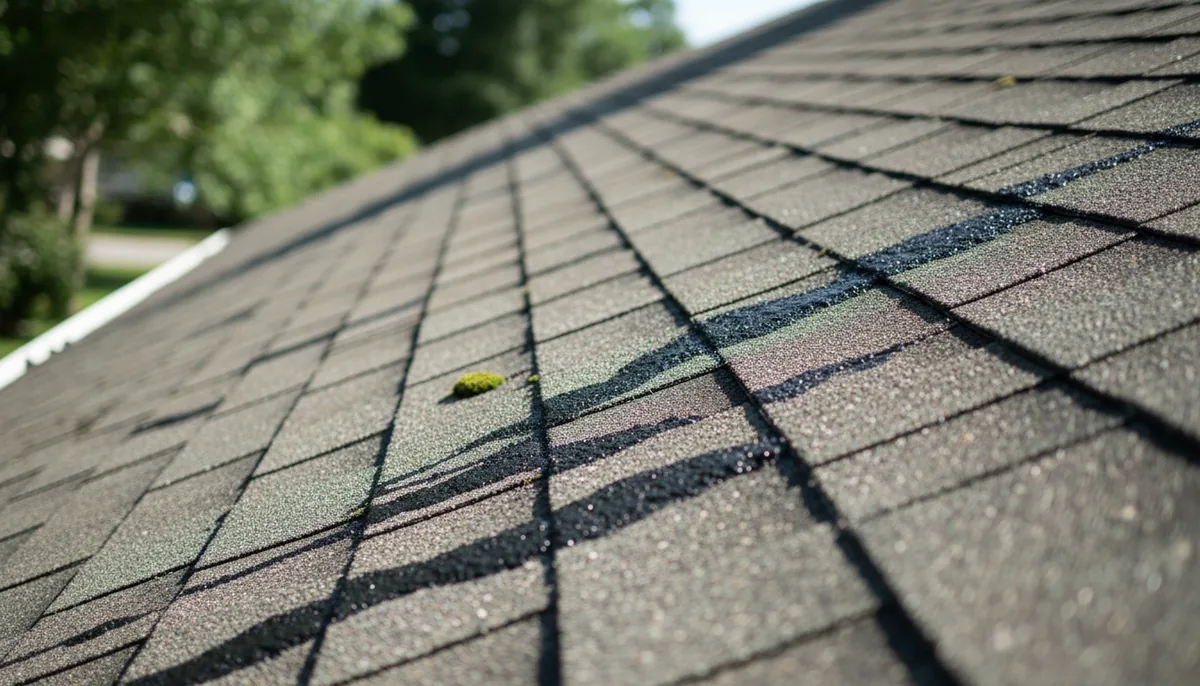
The heat game: reflective vs. conductive
Florida heat is a beast. A light-colored metal roof reflects a huge amount of solar radiation. That is a real benefit. It can cut attic temperatures significantly, which means your AC runs less. But here’s the trick: metal conducts heat like a wire. If you put metal right on top of the deck with no air gap, the heat that it gains from the sun goes straight into the plywood, and then straight into your attic. Shingle roofs are darker, so they absorb heat. But they tend to absorb it slowly and radiate it slowly. A metal roof with a proper vented air gap, or with a foam-backed system, is usually the better thermal performer. But a metal roof nailed flat to the deck in July will cook your attic just as well as a black shingle roof. I have walked on both in August, and I can tell you the difference is all about the air space.
The contractors make the decision
Florida roofing contractors are licensed by the Department of Business and Professional Regulation. You will see two kinds: a CERTIFIED contractor with a CCC prefix who can work anywhere in the state, and a REGISTERED contractor with an RC prefix who can only work in the county that licensed them. I will not inspect a roof on a house I’m buying unless the seller can show me the permit was pulled from the local building department and closed out. A roof replacement in Florida requires a permit and an inspection. Any contractor who offers to "skip the permit" is telling you they don't want an inspector seeing their work. And when you sell the house, the buyer’s insurance company will ask about the roof age, and the adjuster will ask for proof of permit. If you don't have it, your claim gets messy and your sale can die. Citizens Property Insurance Corporation and the private market have all tightened their rules since SB 4-D (2022) passed. That law changed how insurers have to handle roof claims, and pretty much every carrier now looks hard at roof age and condition before they write a policy.
What I would actually do: For a beach house within a mile of the salt water, I lean metal. Standing seam, not exposed fastener. The clips let the metal move with the heat, and you don’t have screwholes on the surface to leak. But I want to see the roofer’s plan for the cut edges and the fasteners into the deck. If the roofer says "we just screw it to the deck," I find a different roofer.
What I would actually do: For a suburban tract home with a 4/12 pitch and no ocean view, I would put architectural shingles on it, but I would pay the extra fifty cents a square for the peel-and-stick membrane over the whole deck, not just the eaves. That membrane is what keeps your drywall intact when the shingles leave in a Cat 3. Shingles are cheaper per square, and the labor market for shinglers is deeper. Metal is priced per square too, but the labor is more specialized, and the crew has to know how to match a standing seam machine to the panel length.
Digression: the customer who asked me to "fix that ridge cap with spray foam"
A fellow in Tampa had a metal roof with a leak at the ridge. He had a can of expanding foam and a ladder. He asked if I would just spray the gap from the outside. I told him I would, for the price of a new ridge cap and a full day of labor. He said it "sounded expensive." I drove away. The leak was because the ridge cap had been installed without the baffle that allows airflow, so condensation was dripping inside. Spray foam would of sealed it airtight, but also sealed the moisture in, guaranteeing rot and rust. People do daft things to roofs.
What a standard shingle roof gets you
Architectural shingles are the default for a reason. They are cheap, they look fine, and the installers are everywhere. A shingle roof will last twenty years, give or take, in Florida. It will fail sooner if you get a bad batch, or if the crew staples rather than nails, or if the ventilation is wrong and the deck rots from the underside. The thing I tell people is that a shingle roof is durable until it isn't. It fails all at once. When the wind gets under that first course, it peels back like a banana and takes rows with it. That's why the Florida Building Code has gotten strict about the nailing pattern. A few extra nails per shingle costs a little more but makes the roof dramatically harder to peel.
How metal surprises people at resale
Metal roofs cost more up front. I don't have a dollar figure for you because it changes with the price of steel and the pitch of your roof and the access. But you should expect it to be two to three times the cost of shingles, as a rule of thumb. Here is the surprise: a metal roof with twenty years left on it is a huge selling point, and insurance companies like them. They are less likely to have a leak from impact, and they handle the wind better if they’re installed right. So if you are selling, a metal roof can move the needle in a way that a fifteen-year-old shingle roof cannot. But a cheap, exposed-fastener metal roof that's rusted at the washers is the reddest of red flags. It looks terrible and it’s impossible to fix without replacing.
What I would actually do: Before I let any contractor start, I’d ask for the permit number. Then I’d call the local building department to confirm it’s active. Then I’d ask for his liability certificate and worker's comp certificate because that protects me if he falls off my roof. When he’s done, I’d schedule the final inspection myself if he won't. If the contractor balks at any of that, walk away.
Questions I get asked
Will a metal roof really lower my insurance?
It can, but not just because it's metal. Florida Statute 627.70132 requires insurers to offer discounts for wind mitigation features. The discount comes from the features on the roof—the deck attachment, the secondary water barrier, the shape of the roof—not from the material alone. A metal roof over a poorly attached deck gets you a small discount. A shingle roof with a proper nail pattern and a peel-and-stick membrane might get you a bigger one. You won't know until you get the form OIR-B1-1802 filled out by an inspector.
What lasts longer in Florida, metal or shingles?
Metal, generally. A good standing seam metal roof should last forty years or more if the finish holds up and the fasteners don't back out. Shingles you're lucky to get twenty-five. But I've seen metal roofs fail in eight because the installer didn't seal the end laps, and I've seen shingle roofs go twenty-five because the homeowner kept the attic ventilated and trimmed the trees. The material matters less than the install and the maintainance.
Is the "cool roof" thing real?
Yes, but it's not just metal. Light-colored shingles with reflective granules are real, and they work. The "cool" rating in Florida is mostly about solar reflectance. A white metal roof is the ceiling for reflectance. A gray metal roof is not much better than a white shingle. If you're chasing efficiency, get the lightest color you can stand in both materials.
Can I put metal over my old shingles?
I don't recomend it. You have to know what's under the metal. If the shingles are wet, or the deck is rotten under them, you are now trapping that moisture between the old shingles and the new metal. That’s how you get rust forming on the back side of a brand new metal roof. Tear off the old roof. It costs more, but it's the only way to see the wood you're actually fastening into. I have been wrong about a roof being dry before, and I have smelled the mold to prove it.
Why do you keep talking about the deck fasteners?
Because that is where Florida roofs die. A roof covering is only as good as the wood it's nailed to. If the decking is attached to the trusses with the wrong staples, it doesn't matter if you have a solid gold roof. The whole thing will peel off in the wind. When I do my inspection, I spend more time in the attic checking the nail pattern in the decking than I do on the roof itself.
There's no single right answer for Florida that fits every house. I'd rather buy a slightly less fancy roof installed by someone who pulls a permit and takes the wind mitigation form seriously than a top-end metal roof installed by a crew that leaves a gap in the ridge and calls it a day. Get the inspection. Read your policy declarations to see what your coverage actually says, because coverage varies by policy and I am not an adjuster. Go outside and look at your roof for any sign of rust or a lifted tab. And search the contractor's licence number on the DBPR roll before you sign anything. That takes two minutes and it has saved far more than one roof replacement.