
Roof damage claims public adjuster Florida: What Florida Homeowners Should Know
By Shelly Marchetti, Florida homeowner advocate. Reviewed by Hal Winstead, Editor, licensed roofing contractor.
I remember a July afternoon in Crestview, a roof just over seven years old, and a policyholder who waited eleven months to file because her adjuster told her she had "plenty of time." Then the insurer denied it, flat out, on a covered loss. She called me crying from her kitchen, and I had to tell her the truth: the deadline wasn't on her side anymore. That one hurt, because it was completely avoidable if she'd been told the rules upfront.
Before we get into the weeds, here's the first thing I tell every homeowner who calls about roof damage: don't hire anyone—public adjuster, contractor, or attorney—until you've read your policy's declarations page and made a list of what you actually saw. And when you need a good contractor, start with a directory that verifies licenses rather than a Google ad. That's why I point people to residential roofing companies in Florida before they let a stranger on their roof. You need to know who you're dealing with before you sign an assignment of benefits form, because that form can bind you to a contractor's payment terms before your insurer even sees the claim.
So let's talk about public adjusters, deadlines, and the stuff your neighbor probably has wrong about all of it. I've been doing this for years, and I have been wrong about this before, but I've also seen enough denial letters to know the patterns. Call it a working sense of what gets claims paid and what gets them killed.
The deadline that kills more claims than mold ever will
Florida Statute 627.70132 is the law that changed everything in 2022, and most homeowners still don't know about it. You get one year from the date of loss to file an initial or reopened claim. If you're filing a supplemental claim—say, your contractor finds more damage after the first check arrives—you get eighteen months from the date of loss. Not from when you discovered it. Not from when your roofer told you. The clock starts when the storm hit, or the leak started, or whatever caused the damage.
Let me repeat that, because it's the single most important sentence in this entire post: the clock runs from the date the damage happened, not from when you found it. I've seen claims denied where the homeowner was out of town for six months, came home to a ruined ceiling, and filed two weeks later. They were already past the deadline. It feels monstrous, but the law is the law, and the insurer gets a complete defense even on a covered loss if you miss it.
So here's my rule of thumb: the day you notice any roof damage, put a reminder on your phone for eleven months out. If you haven't filed by then, you need to be talking to someone who understands the statute.
What I would actually do: Set two phone reminders the same day you see damage—one for ten months, one for eleven months. You want a buffer to argue with the insurer before the deadline, not after it.
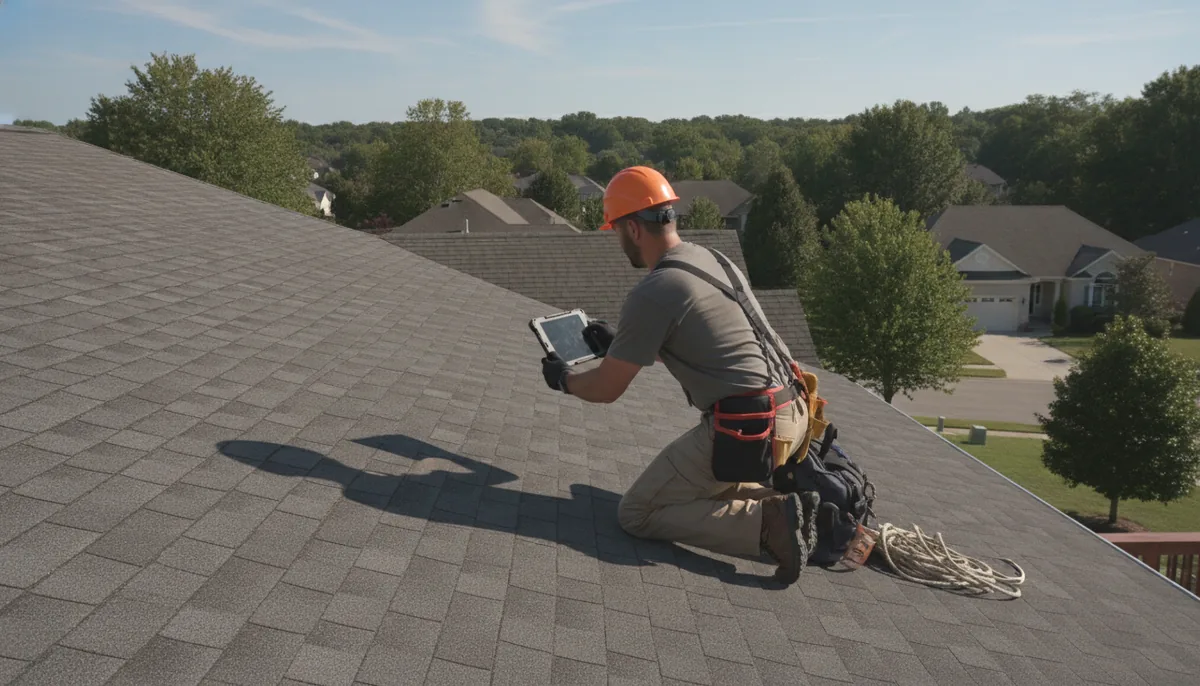
Roof damage claims public adjuster Florida: when you need one, and when you don't
Here's the thing about public adjusters: they work for you, not the insurance company. They're licensed by the state, and they take a percentage of your final settlement—typically around ten to twenty percent, though that depends on the claim and the adjuster. I'm not going to give you a dollar figure because it varies, but I will say that for a small claim, a public adjuster can eat up alot of your settlement. For a big claim, especially a total roof replacement with interior damage, they can pay for themselves.
But don't call one first. Call one after your insurer's adjuster has made their initial offer, or after you've recieved a denial letter you think is wrong. Why? Because public adjusters charge a fee based on the final settlement, and if your insurer was already going to pay fairly, you just gave away a slice of that money for nothing. I've seen homeowners hand over fifteen percent of a claim that was never going to be disputed in the first place. That's not a bad outcome, but it's wasted money.
On the other hand, if you get a denial letter that cites "pre-existing damage" or "wear and tear" and you know your roof was fine six months ago, a public adjuster can review the evidence, write a proper estimate, and often find things the insurer's adjuster missed or undervalued. Their entire job is to build a claim the way a contractor would, with line items for everything. That's a skill most homeowners don't have.
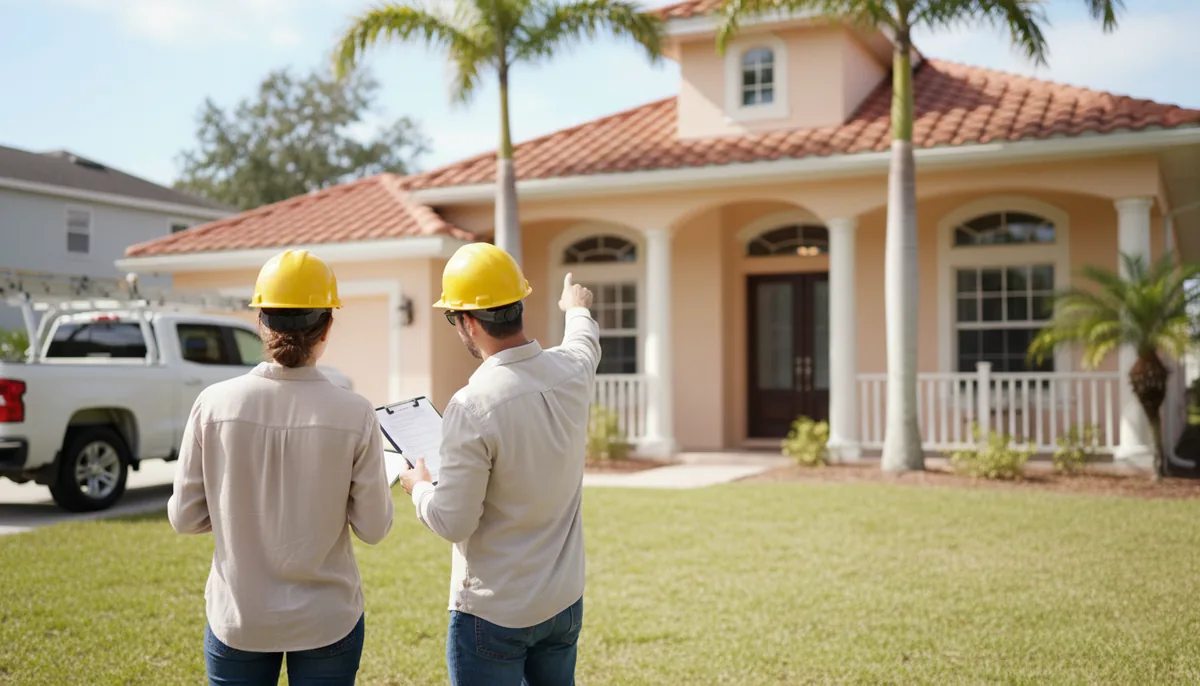
Why the 25% rule changed, and what that means for your roof
You've probably heard about the "25% rule." It used to be that if more than a quarter of your roof needed repair, the entire roof had to be brought up to current code. That meant a small storm patch could turn into a full replacement because of the building code, and insurers hated writing checks for that. But SB 4-D, effective May 2022, changed the math.
If your roof was built, repaired, or replaced under the 2007 Florida Building Code or any later edition, then only the portion being worked on must meet current code. The 2007 code took effect on March 1, 2009, so roofs completed before that date generally don't qualify for this protection. For those older roofs, the old rule can still bite you. This matters because it affects how much your insurer owes you. If your roof doesn't qualify under SB 4-D, a repair might trigger a full replacement cost under the policy's law-and-ordinance coverage—if you have it. Coverage varies by policy, so read your declarations page and check for that line item.
I've had homeowners tell me their roofer said the entire roof had to be replaced "because of the 25% rule." That might be true depending on the roof's age, but it might also be the roofer wanting a bigger job. Ask your roofer which building code your roof was built under. If they don't know, that's a red flag.
What I would actually do: Before you file a claim, ask your roofer for the year your roof was built and which building code it fell under. Write that down and keep it with your policy. It determines wether a repair stays a repair or becomes a full replacement.
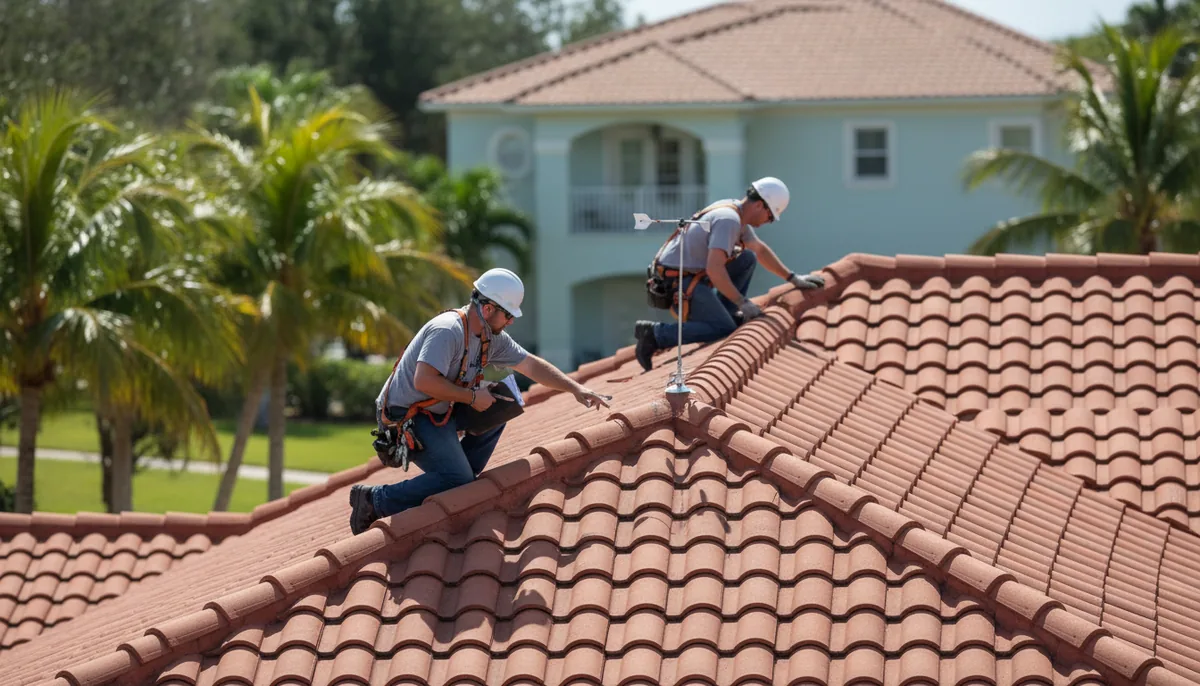
The wind mitigation inspection you keep putting off
Florida insurers are required to offer premium discounts for homes with certain wind-resistant features, and the only way to prove you have them is a wind mitigation inspection. The standard form is OIR-B1-1802, and it documents six things: roof covering, roof deck attachment, roof-to-wall connection, roof geometry, secondary water resistance, and opening protection. That's it. There's no secret seventh category.
Most homeowners don't get one, because nobody told them it exists, or they think it's a sales pitch. But here's the thing: the inspection costs a modest fee, and the annual discount can exceed that cost in the first year. It pays for itself. And sometimes the inspection reveals something you need to fix anyway, which is better to know before a storm than after. Just make sure the inspector is licensed and uses the official form. If they hand you a different form, walk away.
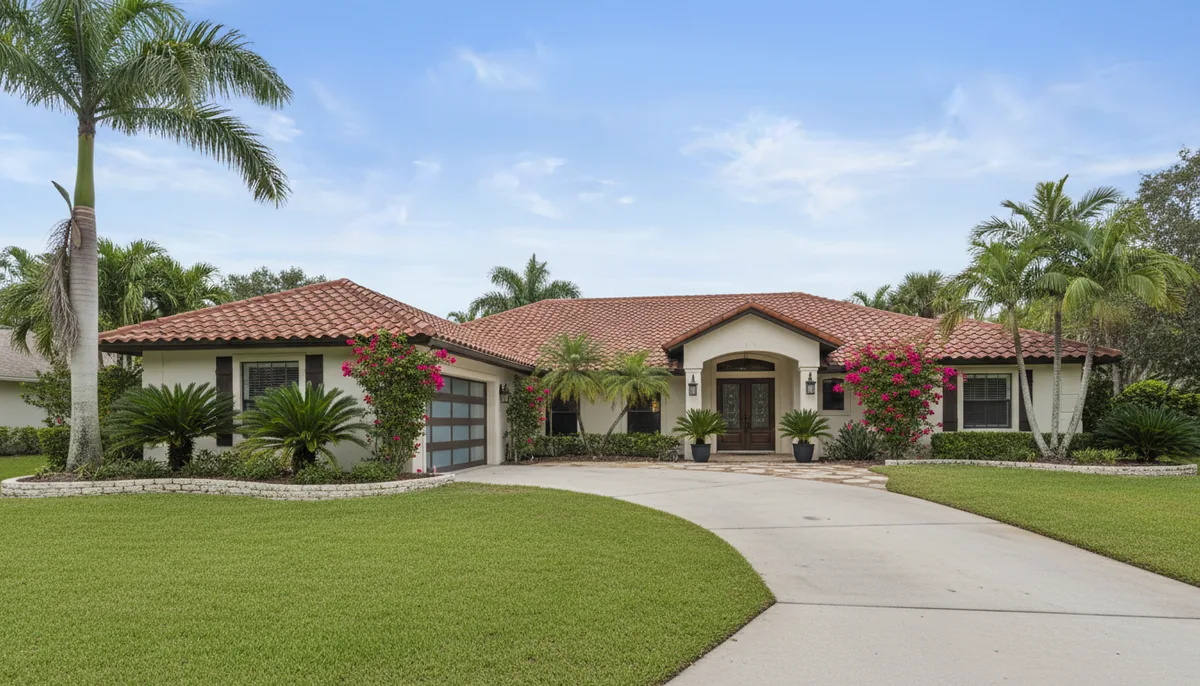
My Safe Florida Home and Citizens: what those names actually mean
My Safe Florida Home is a state program that offers free wind mitigation inspections and matching grants for qualifying hurricane-hardening improvements—but it only helps homeowners who meet it's criteria, and funding is appropriated per cycle. That means it can run out. I can't tell you whether it's open right now, because it changes, but it's always worth checking. If you qualify, free inspection plus a matching grant can soften the blow of upgrading your roof deck or installing better shutters. Those are real upgrades, not fluff.
Then there's Citizens Property Insurance Corporation, the state-backed insurer of last resort. You end up with Citizens when no private insurer will write your policy, and it's not a badge of honor—it means the private market has already decided you're risky. If you have Citizens and you're reading this because you have roof damage, your claim process is still governed by the same deadlines and rules. Don't assume the state-run carrier is more lenient. It's not.
Questions I get asked
How long do I actually have to file a roof damage claim in Florida?
You have one year from the date of loss for an initial or reopened claim, and eighteen months for a supplemental claim, under Florida Statute 627.70132. The clock starts from when the damage happened, not when you noticed it. Mark your calendar the day you see damage, not the day you decide to file.
What does a public adjuster cost, and is it worth it?
Public adjusters typically take a percentage of the settlement, and that percentage comes out of your final check. For a complex claim or a denial you disagree with, they can be worth it because they know how to document damage the way insurers expect. For a straightforward claim, you can probably handle it yourself. Decide based on the fight, not the fear.
Will my insurance company drop me if I file a claim?
I can't predict what your specific insurer will do, because that varies by company and policy. What I can tell you is that multiple claims in a short period are more likely to cause non-renewal than a single claim. That's not a reason to lie or hide damage—it's a reason to be sure your claim is legitimate before you file it.
Can I use a public adjuster if my claim was already denied?
Yes. But you need to act fast, because the one-year deadline for an initial claim still applies, and a denial letter doesn't pause the clock. If your claim was denied and you beleive it's wrong, find a public adjuster who will review the denial letter before you sign anything.
Does my policy cover my roof based on replacement cost or actual cash value?
That depends entirely on your individual policy. Some policies pay replacement cost minus your deductible, while others pay actual cash value, which deducts depreciation. You'll find this on your declarations page under "dwelling coverage" or "loss settlement." If you don't understand the line, call your agent and ask them to explain it in plain language.
Do I need a public adjuster for a small leak repair?
Probably not. A small, localized leak might be cheaper to fix than the percentage a public adjuster would take. But if that small leak turns out to be widespread damage once the roofer opens up the deck, you can always bring in a public adjuster at that point. Just remember the supplemental claim deadline gives you eighteen months from the date of loss, so don't wait too long.
One last gripe, and then I'll let you go. I had a homeowner in Pensacola call me last spring, asking if she should file a claim for a roof leak that started during Hurricane Sally—in September 2020. It was already April of the following year, and she'd been "waiting to see if it got worse." It got worse. The deadline had already passed, and she had no recourse. Wait too long, and the law doesn't care about your good intentions.
Before you sign anything, before you let a contractor talk you into a new roof you don't need, check your policy. Check the dates. Check the license. And if something feels off, get a second opinion from someone who doesn't profit from your claim. That's what I'm here for.
More from the site
- Florida insurance roof claim denied: What Florida Homeowners Should Know
- Denied roof claim florida: What Florida Homeowners Should Know
- Roof leak insurance claim florida: What Florida Homeowners Should Know
- Florida insurance roof replacement law pdf: What Florida Homeowners Should Know
- Roofing insurance claims florida: What Florida Homeowners Should Know