Roof damage hurricane insurance lawyer Florida: What Florida Homeowners Should Know
By Shelly Marchetti, Florida homeowner advocate. Reviewed by Hal Winstead, Editor, licensed roofing contractor.
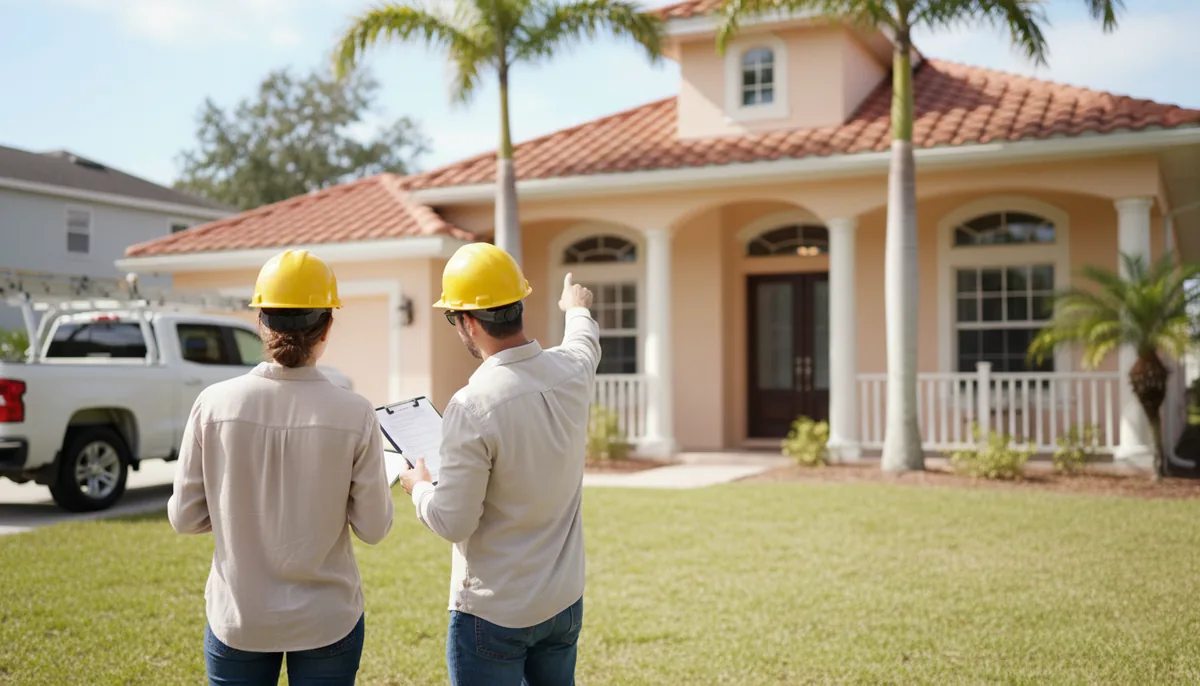
That afternoon in Cape Coral, I was standing on a tile roof with a homeowner named Gloria, and she kept pointing at a patch of fresh-looking shingles on her neighbor's house. "They got a whole new roof," she said. "Mine just leaks." Hers had a tarp on it, a denied claim in her hand, and a statutory deadline that had already passed while she waited for a second opinion. The denial letter didn't say she wasn't covered. It said she filed too late. That's the part that broke my heart. Missing a deadline gives the insurer a complete defense, even on a covered loss, and there is no appeal for that in the real world.
I've been doing this long enough to know most Florida homeowners don't read their own insurance policy until the adjuster is already standing on their lawn. You need to find your paperwork before the storm, not after, and you need to know your rights under the law. If the damage is already there, and you're hunting for storm damage roofing companies in Florida, start with a licensed contractor who can document everything, because that documentation is your only weapon later.
The biggest mistake I see is a homeowner who waits weeks, or even months, to file a claim because they are still "deciding what to do." The law does not care about your indecision. In Florida, you get one year from the date of loss to file an initial or reopened property insurance claim. A supplemental claim, which is the one you file when your contractor finds more damage than the adjuster wrote up, gets eighteen months from the date of loss. This is not a joke, and it is not negotiable.
That one-year deadline is real, and it starts when the hurricane hits, not when you notice
The clock under Florida Statute 627.70132 starts ticking on the date the damage actualy happens. Not the day you got the tarp. Not the day you finally cleared the tree debris enough to see the hole. The day the wind blew. In 2022, the legislature cut the time from three years down to one, and alot of honest homeowners got caught with their guard down. You live in Florida. You know the drill. A storm damages your roof, and the shingles look fine from the curb, so you put it off, and then the next rain pours in.
By the time you realize the damage is real, you might be outside the window. I have been wrong about this before, but I have never seen an insurer waive this defense. If you have any suspicion the storm hurt your roof, file the claim. You can always withdraw it if the estimate comes back low. You cannot get the time back once it's gone. And if you find an old leak that traces back to a hurricane two Februaries ago, that is a supplemental claim question, and the deadline is tighter than you think.
The law is blunt about this. Give the insurer notice within one year for the first claim, and within eighteen months for a supplemental one. The old three-year window is gone. Homeowners who remember the old rule are the ones getting denial letters today, and those letters are usually perfectly legal.
What a "covered loss" means on paper versus what it means on your roof
Coverage varies by policy. That is the most boring sentence I type all day, but it is the truest one. Your neighbor's policy might cover a new roof at replacement cost value, while your policy only covers actual cash value, which means they deduct depreciation and you get a check for the age of your shingles, not the cost of replacing them. Florida is a "replacement cost" state for policyholders who bought that endorsement. Don't assume you have it. Read your declarations page and the policy itself.
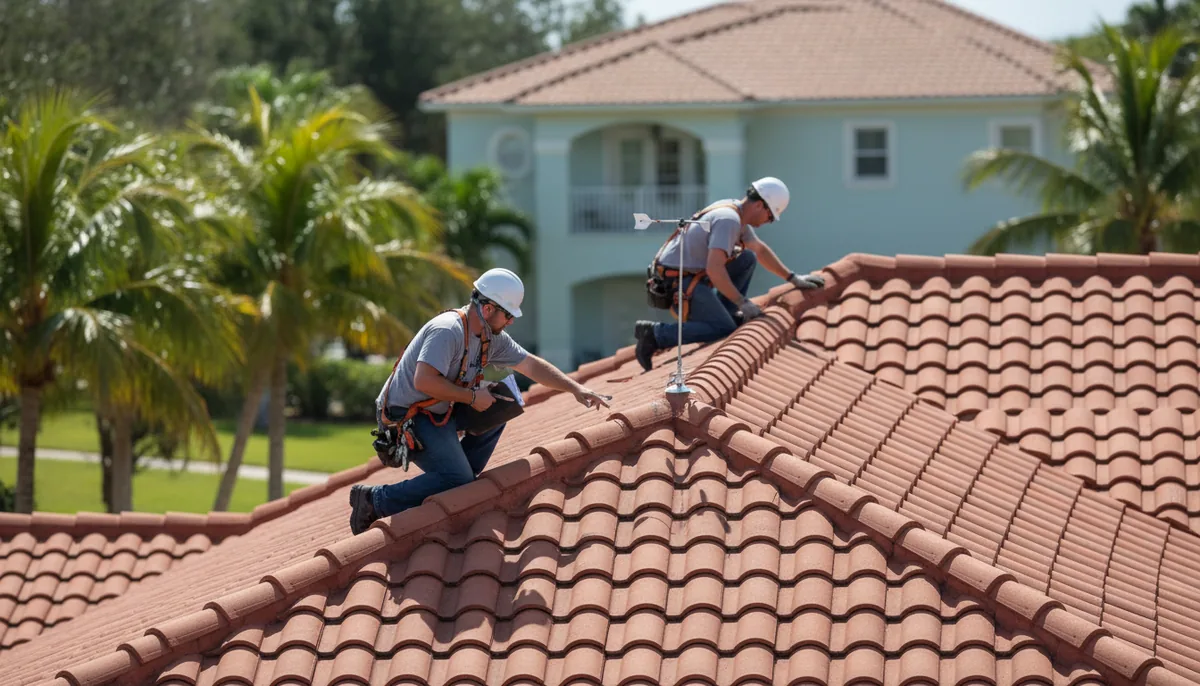
What does your roof actually look like under that first layer? A minor leak can hide a deck that's rotted out, or compromised flashing, or a dozen other things you can't see until the contractor starts pulling shingles. The insurer owes you for the covered damage, but they only owe what the policy says, and they only owe for what the contractor can prove. You need a written estimate that documents hidden damage statement by statement. If the estimate is vague, the adjuster will undervalue it.
I tell every homeowner the same thing: walk the roof with your contractor before the adjuster arrives. Point at the spots you're worried about. Ask the contractor to write down what they see, date it, and sign it. A good contractor will happily do this. A bad contractor will tell you not to worry about it. Worry about it.
What I would actually do: File the claim early, even if you're unsure. You are not locked into the repair. An early claim protects your timeline. A late claim protects nothing.
Why a wind mitigation inspection pays for itself, call it a hundred times over
Here's the part where I sound like a broken record. A wind mitigation inspection is not a mind-reading exercise, not a test, not a formality. It documents six things about your roof: the roof covering, the deck attachment, how the roof connects to the walls, the roof geometry, wether you have secondary water resistance, and what kind of opening protection you have on windows and doors. In Florida, insurers are required to offer discounts if your home qualifies for any of these features.
The standard form is called OIR-B1-1802, and if your roof was built or repaired after 2001 or so, there's a decent chance it has features that earn you a discount. The inspection costs a few hundred dollars, give or take, but the annual discount can be worth more than the inspection in the first year alone. I've seen homeowners pay for the inspection and get a discount that covered the cost in eleven months. That isn't a statistic, it's just math.
You want to schedule the inspection before you file a big claim, because the report is useful ammunition if the insurance company tries to say your roof is old and weak. A wind mitigation report is like a résumé for your roof. It proves what kind of shape your house is in. And if you don't qualify for discounts yet, the report tells you exactly what improvements would earn one.
When the state is your only option, you need to know who you're dealing with
If no private company will insure you, you end up with Citizens Property Insurance Corporation, which is the state-backed insurer of last resort. It's not a charity, it's an insurance company, and it has the same deadlines and the same rules as everyone else. You still have to file your claim in time. You still need a contractor who knows what they're doing. The only difference is the name on the letterhead.
I get a lot of calls from Citizens policyholders who assume that because the state is involved, the proccess is more forgiving. It's not. The adjuster works for the company, and the company works for it's bottom line. You need to approach this the same way you would approach any other insurer. Document everything. Read your policy. Don't wait.
The state also runs My Safe Florida Home, which offers free wind mitigation inspections and matching grants for hurricane-hardening work. Whether it's currently open depends on the funding cycle, because the money runs out and gets replenished unpredictably. It is absolutely worth checking whether the programme is open right now, because if it is, you could get a free inspection and grant money to strengthen your roof. A house that qualifies for wind mitigation improvements is a house that insurance companies actually want to cover.
The 25% rule changed, and your roofer might not have noticed
For years, the old rule was brutal: if more than a quarter of your roof was damaged, you had to bring the entire roof up to current code. That meant a small repair could trigger a full replacement. Then SB 4-D, which went into effect in May 2022, changed the game. If your roof was originally built, repaired, or replaced under the 2007 Florida Building Code or any later edition, a contractor working on a small section no longer has to replace the whole roof just because they touched it.
The kicker is in the details. The 2007 code did not take effect until March 2009. If your roof was completed before that date, the new rule doesn't apply, and you are still staring down the old 25% trigger. This is why I tell people to dig out their permit records. If you don't know what code your roof was built under, you don't know which rule applies to you. Your contractor, if they are licensed and certified, will know. If they don't know, find someone else.
What I would actually do: Get your roof's permit date before you talk to a contractor. One sentence from your county's building department will tell you whether the new rule helps you or not. That sentence is worth thousands.
Licensing matters, because a contractor without one can wreck your claim
Florida roofing contractors are licensed through the Department of Business and Professional Regulation, known as the DBPR, which keeps a public roll. If a contractor holds a licence that starts with the letters CCC, they are certified to work anywhere in the state. If it starts with the letters RC, they are registered, and they are limited to the local jurisdiction that issued the licence. Verify the number is active before you hire, because an active licence is your only real protection if the work goes sideways.
I met a woman in Naples who hired a "roofer" recommended by a friend of a friend. He took her deposit and disappeared for three weeks. She found out he wasn't licensed at all. She had no recourse through the DBPR roll, and the insurance company wouldn't touch the work because there was no licensed contractor to attest to the repairs. It cost her another six weeks and an extra day of water damage. Check the licence. Check it before you sign. Check it before you hand over a cent.
This is also the point in the conversation where I admit that the insurance companies do not fear you. They fear your paper trail. A licensed contractor who writes a clear estimate, takes dated photos, and shows up to the insurance inspection is worth more than any lawyer you could hire, because most claims never need a lawyer. They need a contractor who knows how to measure a roof properly.
When do you actually need a roof damage hurricane insurance lawyer in Florida?
Nine times out of ten, you don't need a lawyer. You need to file the claim on time, document the damage, and make sure your contractor fights for you. But there are moments when a lawyer becomes worth the money: if the insurer denies coverage on a loss you think is covered, if they lowball the estimate in a way that makes no sense, or if the claim is over fifteen thousand dollars and the adjuster is clearly stalling. That is the point where an attorney who knows Florida property insurance law is worth every penny.
A lawyer can't fix a missed deadline. A lawyer can't invent coverage that isn't in your policy. A lawyer can look at a denial letter and tell you whether the basis for the denial is legal or whether the insurer is just hoping you'll go away. That consultation is often free. Read your denial letter first, because the letter usually tells you exactly why they denied you, and that reason tells you whether you have a fight.
The truth about the insurance world in Florida is that it punishes the unprepared and rewards the annoying. Be annoying. Keep every email. Photograph every shingle. Ask for everything in writing. If your claim is valid and your paperwork is clean, the law is on your side. But the law has a timer on it, and that timer does not care if you were waiting for a lawyer to call you back.
Questions I get asked
How long do I actually have to file a hurricane claim in Florida?
You have one year from the date of loss for an initial or reopened claim, and eighteen months from the date of loss for a supplemental claim. This deadline applies to every property insurance claim in Florida, and it runs from the storm date, not from the day you discovered the damage.
What is the difference between a public adjuster and a lawyer?
A public adjuster works for you, not the insurance company, and they estimate your loss for the purposes of negotiating a settlement. A lawyer does not estimate anything. A lawyer reviews the denial letter and fights the insurer in court if needed. Most homeowners need a public adjuster or a good contractor before they need a lawyer.
My roof is old. Does that mean the insurance company won't pay?
No, but it means you need proof that the storm caused the damage, rather than normal wear and tear. The insurer will argue that an old roof simply gave out, which is excluded, instead of a hurricane ripping it off, which is covered. A licensed roofer's documentation is your best counterargument.
Can I keep the money from the claim instead of fixing my roof?
Your mortgage company, if you have one, will have something to say about that, because they hold an interest in the property. Your policy language matters here, too. If you have a mortgage, the claim check often gets made out to both you and the lender. Read the policy and the loss payee clause.
What if my contractor says I need a full roof but the insurance company only pays for a small repair?
That is the moment to ask whether your roof qualifies under the SB 4-D rule from 2022. If your roof was built under the 2007 code or later, the old 25% rule might not apply. If your roof is older, you might have a legitimate supplemental claim for the rest of the damage.
Should I get a wind mitigation inspection before filing a claim?
Yes, if you can. The inspection documents the quality of your roof's construction, and that report can be the difference between a fair settlement and a fight over whether your roof was strong enough in the first place. The form is OIR-B1-1802, and the discount it can open up is often worth the price of the inspection.
More from the site
- Florida roof replacement insurance: What Florida Homeowners Should Know
- Roof damage claims public adjuster florida: What Florida Homeowners Should Know
- Florida insurance roof claim denied: What Florida Homeowners Should Know
- Denied roof claim florida: What Florida Homeowners Should Know
- Roof leak insurance claim florida: What Florida Homeowners Should Know