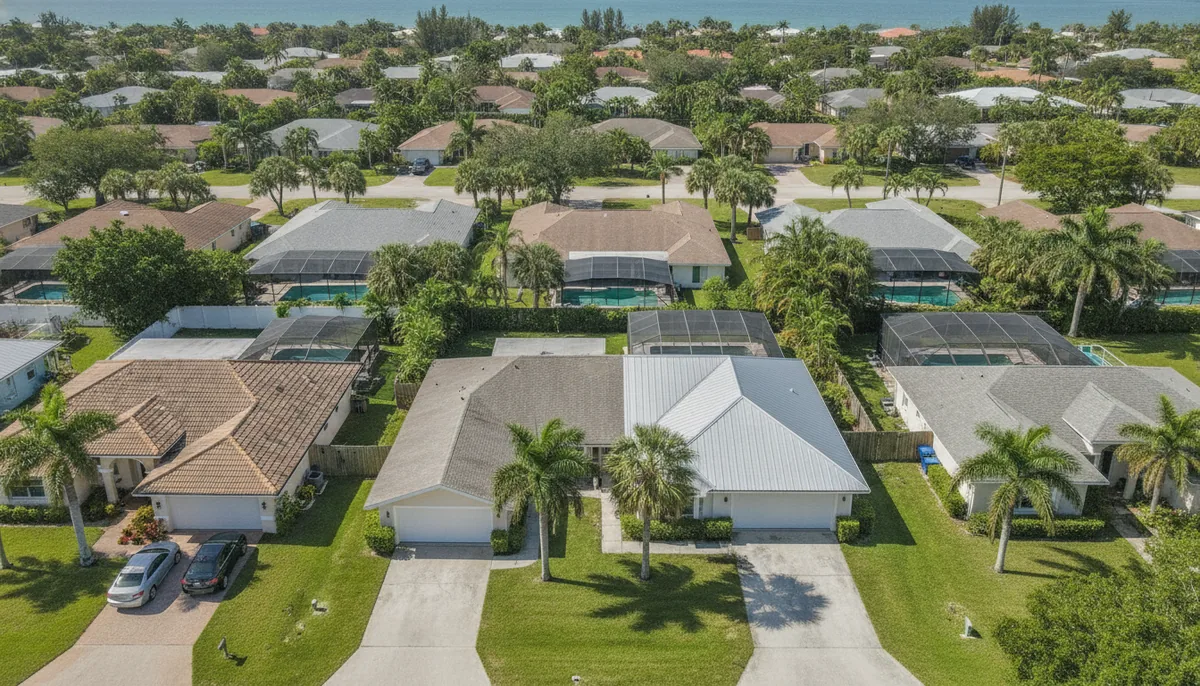
Roof damage insurance lawyer Florida: What Florida Homeowners Should Know
By Renata Alvarez, Former property claims adjuster. Reviewed by Hal Winstead, Editor, licensed roofing contractor. I spent the first week of September 2017 on a tile roof in Fort Myers, knee-deep in warm rainwater that had nowhere left to go. The homeowner was an older guy named Sal, and his barrel tile had taken a beating from Irma’s outer bands. The damage under the tile was real—decking that looked like wet cardboard, underlayment shredded to ribbons. But his insurer had denied the claim on “wear and tear,” and Sal had already signed a repair contract with a guy who showed up with a hammer and a truck full of soda cans. I was there because his daughter called a public adjuster, who called a lawyer, who called me to document what I saw before the repair crew made it disappear.
That claim never went to court. It didn’t need to. But it needed a lawyer to make the carrier blink.
If you’re reading this because you typed roof damage insurance lawyer florida into a search bar, I’ll be straight with you: you probably don’t need a lawyer yet. You need a roofer, a camera, and a copy of your policy. But you need to know exactly where the line is, because once you miss a deadline or sign the wrong piece of paper, a lawyer can’t always pull you back across it. The directory here tracks residential roofing companies in Florida and their current licenses, which is more than most homeowners ever check before a crew is already on their roof.
I’m not a lawyer. I’m not an adjuster anymore, either. I’m the person who stood on thousands of Florida roofs after the storms and watched every mistake a homeowner can make, plus a few that would embarrass a circus clown. This is the stuff I wish I could have said out loud while I was still on the carrier’s payroll.
The deadline that eats claims alive
Here’s the one that makes me want to throw a clipboard.
Florida Statute 627.70132, as amended in 2022, says you have ONE YEAR from the date of loss to notify your insurer of an initial or reopened property claim. One year for a supplemental claim? That’s eighteen months from the date of loss. The clock doesn’t start when you discover the damage. It starts when the damage happened. That’s the part that gets people.
So if a storm hits your roof on June 1 and you don’t notice the leak until next April, you have, give or take, sixty days to file. Miss that anniversary and the insurer has a complete defense, even if the damage is a textbook covered loss. I of seen exactly one homeowner successfully argue around it, and he had an adjuster who wrote the date of loss wrong on the original report. You don’t want to be the person relying on that.
I’ve been wrong about this before, so read your own policy and talk to someone who handles claims in your county. But the math is the math. If your roof leaked during last year’s hurricane and you’ve been “meaning to call,” stop reading and go file the notice.

When do you actually need a lawyer?
Here’s the honest answer, and it’s not what you want to hear.
You need a lawyer when the insurer has denied a claim that your roofer, your public adjuster, and the guy at the hardware store all agree is covered. You need one when the carrier lowballs the scope of work by “forgetting” half the roof. And you need one when the adjuster who inspected your roof wrote a report that looks like fiction.
But you don’t need a lawyer to file the claim. You don’t need one to get a second opinion. And you absolutely don’t need one to threaten the insurer with a lawsuit—that rarely makes them move faster, and it can make them dig in.
What a lawyer does well is read the policy language and find where the carrier violated it. Florida has some strong laws about insurer bad faith, and the fee structure means a carrier that drags a valid claim into court can end up paying your attorney’s fees on top of the claim. That threat is real use. But it only works if you have a documented, valid claim in the first place.
What I would actually do: Before you call a lawyer, get a written report from a licensed roofing contractor that says exactly what’s damaged and what caused it. Then ask the insurer for a copy of their adjuster’s report. Compare the two. If they disagree on the cause of loss, that’s an attorney conversation. If they disagree on price, that’s a negotiation conversation.

The “25% rule” change that still confuses everyone
You’ve probably heard that if more than 25% of your roof is damaged, the insurer has to replace the whole thing. That was true for a long time, sort of. It came from the Florida Building Code, not from insurance law.
Then SB 4-D (2022) changed it. If your roof was built, repaired, or replaced to the 2007 Florida Building Code or any later edition, only the portion being worked on has to meet current code. A full replacement is no longer automatically triggered just because you crossed some percentage threshold. The 2007 code took effect on March 1, 2009. So a roof completed before that date generally doesn’t qualify for the break.
What does that mean for your claim? It means your roofer can’t automatically tell the insurer “the whole roof needs replacement because we’re past 25%” and have it stick. The adjuster knows the rules changed in 2022. If you have an older roof, replacing the whole thing may still be justified, but your contractor needs to document why the repair can’t be made to match or why the rest of the roof is failing. That’s a much higher bar than it used to be.
I’ve stood on roofs where the “good” half was so delaminated that walking on it felt like stepping on cornflakes. That roof legitimately needed a full replacement. But the contractor needed photographs, a moisture meter, and a written explanation. “It’s past 25%” was never going to cut it.
What a wind mitigation inspection has to do with your claim
This one sounds like it belongs in a different article, but stay with me.
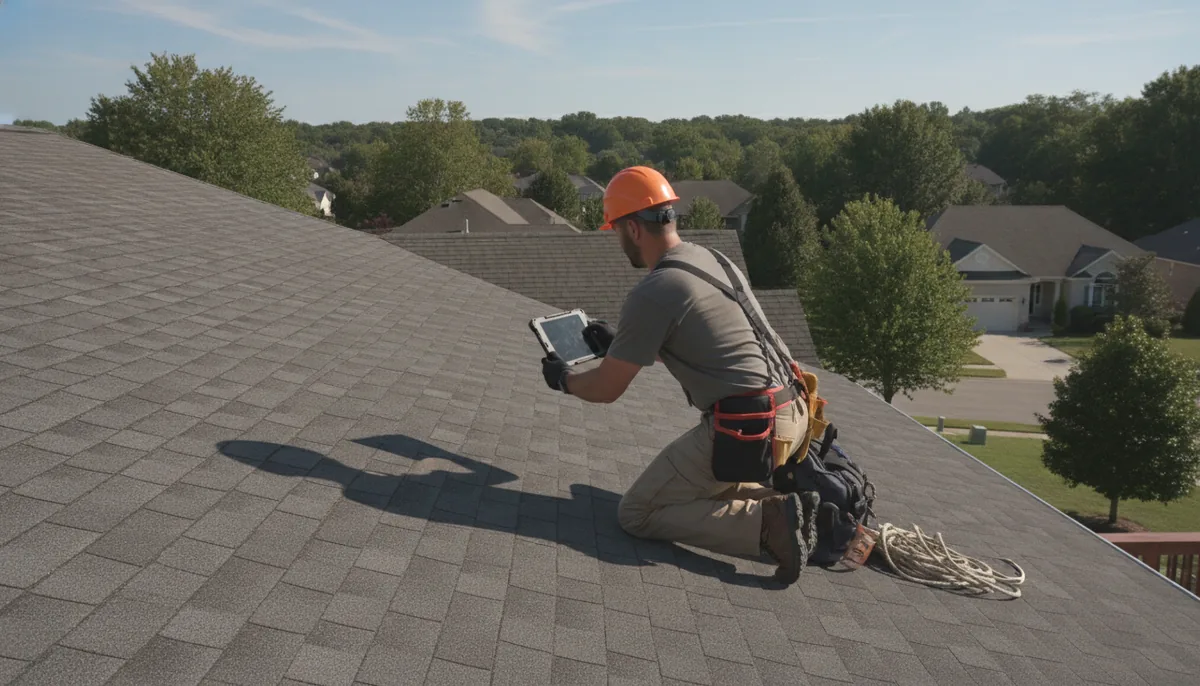
A wind mitigation inspection is a seperate inspection that documents how your roof is built to resist wind. It covers the roof covering, the deck attachment, the roof-to-wall connection, roof geometry, secondary water resistance, and opening protection. The standard form is OIR-B1-1802. Florida insurers are supposed to offer premium discounts for qualifying features.
Why should you care? Because that inspection gives you one of the few legitimate ways to lower your insurance bill without fighting anyone. And it gives you a document that predicts how your roof will behave in the wind. A home with hurricane straps, a sealed roof deck, and impact-rated windows is a better risk, and the discount reflects that.
But here’s the part nobody mentions: when you file a claim, the insurer’s adjuster is also looking at wether your roof was installed to code. If your mitigation inspection says the roof deck is attached with ring-shank nails and the actual roof has smooth shank nails that are already backing out, that gets interesting. Fast. The inspection is supposed to verify the house. It turns out to be most useful when the house doesn’t match the paperwork.
What I would actually do: Get a wind mitigation inspection before hurricane season, not after a loss. It costs a few hundred dollars, typically less than the discount it unlocks each year. And if you ever do have a claim, you’ll have a baseline document showing what your roof looked like structurally before the storm. That’s powerful when an adjuster tells you the damage was pre-existing.
Where “state-backed” and “state-run” start meaning different things
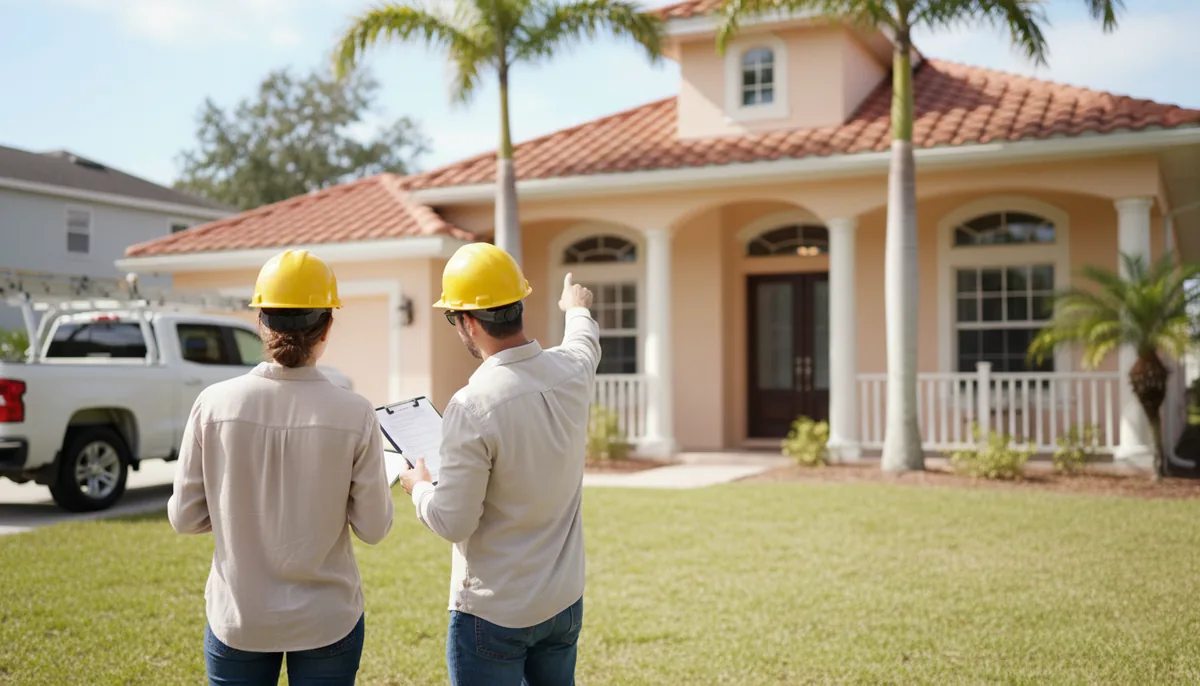
You might have heard two names thrown around: Citizens Property Insurance Corporation and My Safe Florida Home. They are not the same thing, and confusing them gets people in trouble.
Citizens is Florida’s insurer of last resort. If you can’t find coverage in the private market, Citizens is where you end up. It has a reputation for being more expensive and more particular about underwriting. When a storm hits a neighborhood full of Citizens policies, the claims proccess can move slowly, and the adjusters are handling volume you can’t imagine.
My Safe Florida Home is a state program that offers free wind mitigation inspections and matching grants for qualifying hurricane-hardening improvements. But funding is appropriated per cycle and it runs out. Don’t assume a grant is available right now—check whether the program is open before you plan your budget around it.
If you own a home that’s insured through Citizens, you should know what the roof requirements are before you file a claim. And if you’re a homeowner applying for a My Safe Florida Home grant, you need to understand that the grant has requirements that may not align with what your roofer wants to sell you. Grants don’t cover a full replacement just because you want one. They cover specific hardening improvements.
How to check a roofer yourself (four minutes)
Before you let anyone on your roof, understand the licensing system.
Florida roofing contractors are licensed by the Department of Business and Professional Regulation, or DBPR. A certified roofing contractor’s license begins with the prefix CCC and allows them to work anywhere in the state. A registered roofing contractor’s license begins with RC and only allows them to work in the local jurisdiction that licensed them. Always verify the number is active before you hire someone.
You can check this on the DBPR’s public license database. It takes four minutes and it can save you from the guy who is technically “licensed” in a county fifty miles away but has no business working on your roof. And I have seen registered contractors work outside their jurisdiction and then vanish when the claim went sideways.
The directory here verifies licenses against the DBPR roll, so you can also start there. But do your own check too. Four minutes.
Questions I get asked
Should I call a lawyer before I file a claim?
No. File the claim first and let the adjuster inspect. If the claim is handled fairly, you don’t need a lawyer. If it isn’t, you now have a documented claim and a documented denial or lowball offer to take to an attorney. Calling a lawyer first just adds a middleman and makes the insurer defensive from day one.
What if my insurance company denies the claim because of “wear and tear”?
Ask for the specific policy language they relied on and ask for their adjuster’s report. Then get your own licensed roofer to write a report that addresses the cause of the damage. If the roofer’s report documents storm damage and the insurer’s report doesn’t, that disagreement is exactly when you talk to a lawyer. The denial might be legitimate, but a blanket “wear and tear” without specifics is worth pushing back on.
How long do I actually have to file a claim?
Under Florida law, one year from the date of loss for initial or reopened claims. Supplemental claims get eighteen months. The clock runs from when the damage happened, not when you discovered it. If you’re even close to that one-year mark, file now and sort out the details later. Missing the deadline gives the insurer a complete defense.
Does the 25% rule mean I get a whole new roof?
Not anymore. Since SB 4-D was signed in May 2022, a roof that was built to the 2007 Florida Building Code or later only has to have the portion being worked on brought up to code. A full replacement is no longer automatically required. Your contractor has to justify why the entire roof needs replacement based on it's actual condition. On an older roof, that justification might exist, but it has to be documented.
Can my insurer drop me because I filed a claim?
They can, and it happens. That doesn’t make the claim illegitimate, but it’s a real risk. If you have a small claim that’s barely above your deductible, sometimes it’s better to pay for repairs out of pocket and keep your claims history clean. But if you have genuine storm damage, a denial on your record can hurt as much as a payment. Run the numbers before you file, not after.
What’s the difference between Citizens and my regular insurance?
Citizens is the state-backed insurer of last resort. If you’re insured there, you couldn’t find coverage in the private market. Your regular private insurer is answerable to shareholders and state regulators. Citizens is answerable to state statute and the pool of premiums. The claims process can feel different, and Citizens has had a reputation for being more aggressive about enforcing deadlines and policy conditions. Either way, read your policy.
More from the site
- Hurricane roof damage florida insurance: What Florida Homeowners Should Know
- Florida roof insurance claim: What Florida Homeowners Should Know
- Roof damage hurricane insurance lawyer florida: What Florida Homeowners Should Know
- Florida roof replacement insurance: What Florida Homeowners Should Know
- Roof damage claims public adjuster florida: What Florida Homeowners Should Know