Roof leak insurance claim Florida: What Florida Homeowners Should Know
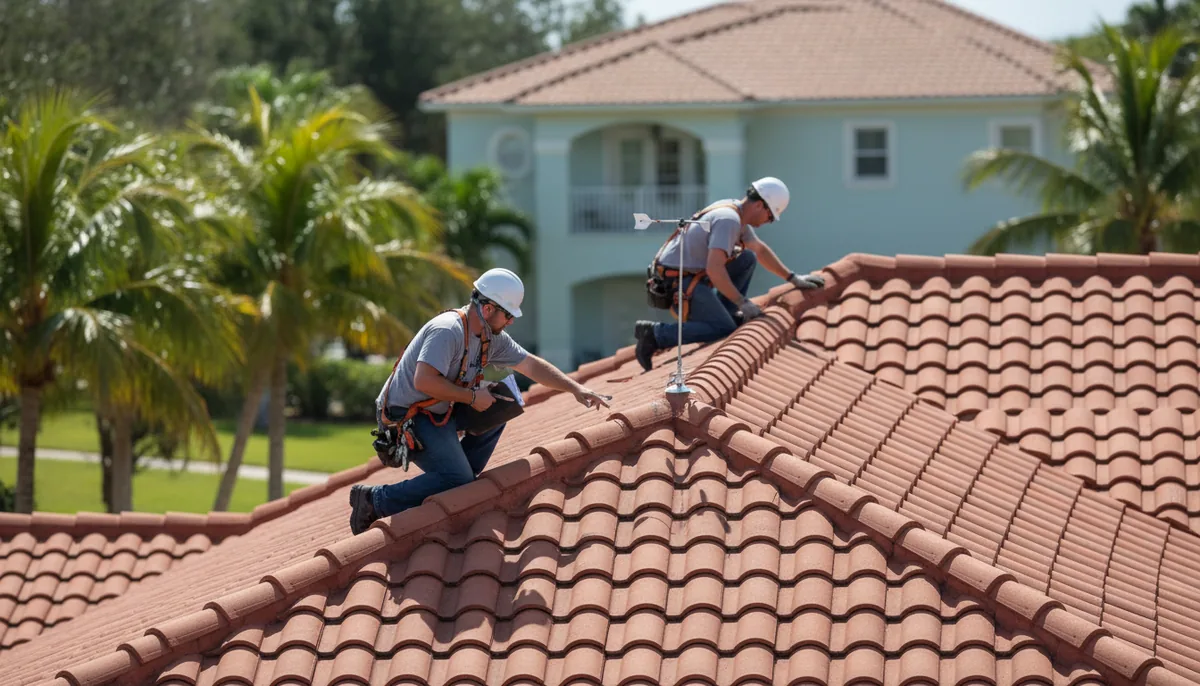
By Renata Alvarez, Former property claims adjuster. Reviewed by Hal Winstead, Editor, licensed roofing contractor. I spent the second week of July 2017 on a roof in Cape Coral that was barely seven years old. The owner had a bucket under a drip in the guest bedroom, and the ceiling was already starting to sag. She thought the shingles were old and worn. I walked the deck, found the boot around a vent pipe split wide open, and told her it was a maintenance item. Her policy didn't cover it. She looked at me like I had personally invented the exclusion. I didn't, but I was the one who had to stand in the heat and explain it.
That scene plays out every single afternoon across Florida, and most of the time the homeowner made an honest mistake. They waited. They thought a leak meant the roof was failing. They filed a claim a year after the rain stopped, or they tried to blame the insurance company for not fixing something the policy never covered. The truth is that a roof leak insurance claim in Florida is won or lost on two things: what the policy says and when the clock started running. You can control the second one. You need a good contractor for the first. That's why I tell people to check the leak repair companies in Florida before they even call their insurer, because a contractor who knows how to document a leak properly is worth more than any public adjuster you'll meet later.
The biggest trap I saw in nine years of adjusting isn't bad contractors or dishonest insurers. It's the deadline. You think you have time. You don't. Under Florida Statute 627.70132, the clock starts on the date the damage happened, not on the day you notice the stain on your ceiling. A hurricane blows through on September 15th, your roof leaks, but you don't see the water mark until November. That loss date is still September 15th. You get one year to file an initial claim. A supplemental claim, for additional damage discovered later, gets 18 months. Miss that window and the insurer has a complete defense, even if your roof is caving in and everyone agrees the policy covers it. They don't have to pay. I have denied claims where the roof was a total loss. I hated it. The law never gave me a choice.
What counts as a covered leak, and what doesn't
Here's the part nobody enjoys hearing. Most roof leaks are not covered by insurance. A leak from a storm is a different animal than a leak from neglect. Wind rips off shingles, rain pours in, that's usually covered. A slow drip from a failed seal around a pipe boot, or water finding it's way through cracked flashing, is often deemed a maintenance issue. It depends on what the policy says, and every policy is different, so stop asking your neighbor what their carrier did. Go read your declarations page and the exclusions section. If the roof deck is rotten because water seeped in for months, that's wear and tear. If a tree limb punched a hole and the rain came in that afternoon, that's a covered event. Don't call me for the verdict. Call your agent.
I have been wrong about this before, by the way. I once denied a claim for a leak I was sure was old seepage, and the homeowner produced a photo of the exact shingle torn off by wind two weeks earlier. It was a legitimate claim. I paid it. The point is that documentation matters more than your story. The more evidence you have about the specific wheather event that caused the leak, the smoother the process goes. A date stamp on a photo of the damage beats a heartfelt description of the storm every time.
The 25% rule is gone, unless your roof is old
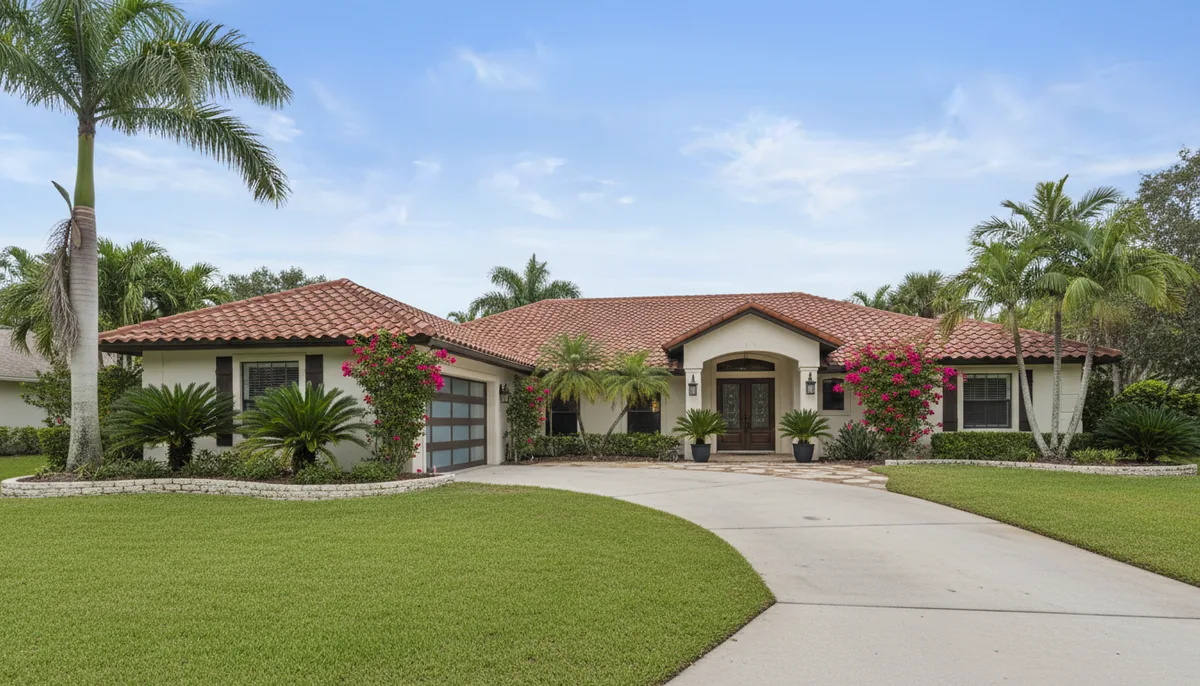
Contractors used to throw the 25% rule at you like it was gospel. If more than a quarter of the roof was damaged, the whole thing had to come off and be replaced to meet code. That rule came from the Florida Building Code, and SB 4-D (2022) changed it. If your roof was built, repaired, or replaced under the 2007 Florida Building Code or anything newer, only the part being worked on has to meet current code. A full replacement is no longer automatically triggered. The 2007 code took effect in March 2009, so roofs completed before that usually don't qualify. If you have a roof from the nineties, the old logic still applies in practice. If it's from 2015, your contractor can repair a section without dragging the entire roof into a code upgrade. Don't let anyone tell you differently.
What I would actually do: before you sign anything, ask the contractor whether your roof's age and permit history trigger a full replacement under the current code. Get it in writing. The insurance company will ask the same question later, and if the contractor's answer changes mid-claim, you're the one who eats the difference.
A wind mitigation inspection is worth real money
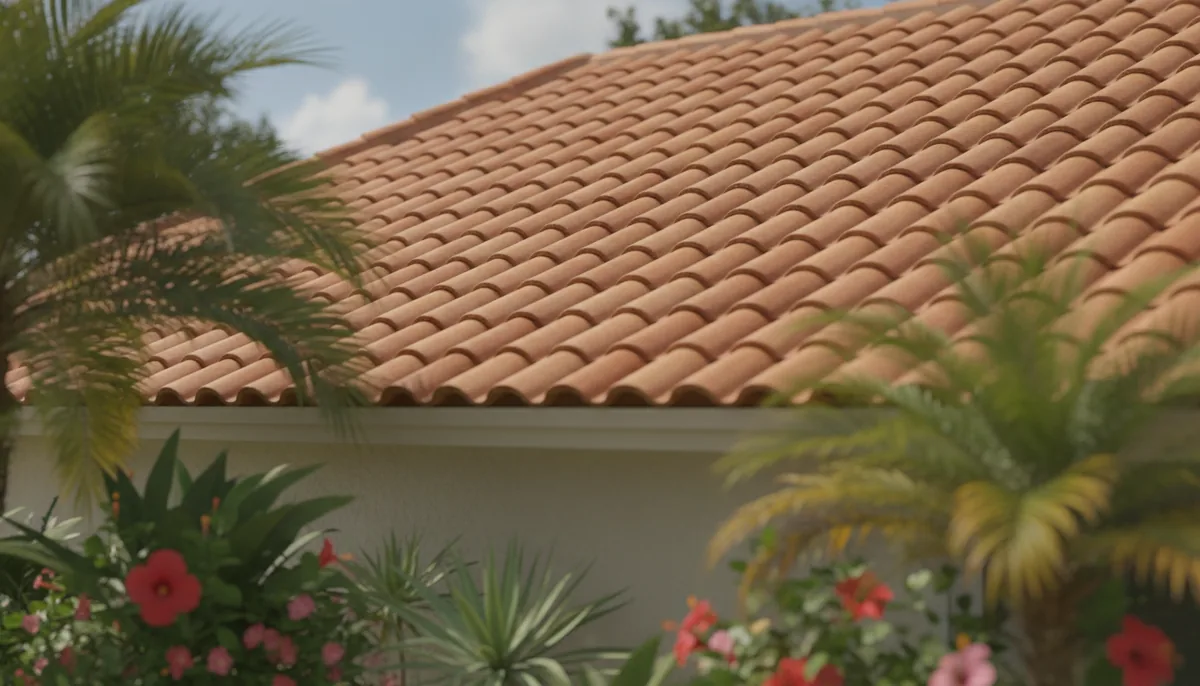
When I was on the cat team, I saw homeowners pass up a wind mitigation inspection because they didn't want to pay a hundred bucks. That's a mistake. The inspection documents six things about your roof. How the shingles or tiles are attached, how the deck is nailed down, how the roof connects to the walls, the shape of the roof, whether there's a secondary water barrier, and what the openings look like. Florida insurers have to offer discounts for qualifying features. The standard form is OIR-B1-1802. The inspection itself costs far less than the annual discount it can open up. I've seen premiums drop by a couple hundred dollars a year for a roof that had the right strapping. Over a decade, that's real money.
A quick aside. I once had a homeowner in Tampa argue with me for twenty minutes that his roof had hip straps because he installed them himself after watching a YouTube video. He was pointing at the aluminum vents. I didn't have the energy to explain the difference, so I just nodded and let the engineer handle it. People do odd things when they think they're saving money.
You do not have to use Citizens, and you should check it anyway
Citizens Property Insurance Corporation is the state-backed insurer of last resort. That means you generally get there after private carriers turn you down. It is not a reward. It is a life raft. But if you're in it, or you're applying for it, you need to know that they scrutinize roofs harder than some private companies do. They ask for photos, ages of roofs, maintenance records. You should of also know that a leak claim under Citizens goes through the same statute deadlines as everyone else. The clock doesn't pause because it's the state carrier.
There's also the My Safe Florida Home program. It offers free wind mitigation inspections and matching grants for hurricane-hardening work, for homeowners who qualify. Funding is appropriated per cycle, and it can run out. I can't tell you if it's open right now. I can tell you it's worth checking whether the program is currently accepting applications. If it is, get your name in early. It closes fast.
Why the contractor's license matters, and which one to look for
Florida roofing contractors are licensed by the DBPR. A certified contractor carries a license begining with CCC and can work anywhere in the state. A registered contractor has a license beginning with RC and is restricted to the local jurisdiction that licensed them. If someone shows up with an RC license and tries to work in a county that isn't theirs, that's a red flag. You can verify every single one of them against the DBPR online roll. It takes thirty seconds. Do it before you sign anything.
What I would actually do: the day before the adjuster comes, walk the roofline with your phone. Take photos of every suspected leak spot, every missing shingle, every piece of debris. Get your contractor on site to mark the damage with chalk or flags. A good contractor will meet the adjuster in person. A bad one sends a photo of the neighbor's house. I have seen that. It was an accident, but it nearly killed the claim.
Why the adjuster is not your enemy, but they are not your friend either
The person inspecting your roof works for the insurance company. That doesn't make them a liar. It makes them bound by the policy language and the law. They are not allowed to help you stretch a covered claim into a bigger payout. They also aren't going to volunteer the part of the statute that helps you. That's your job. Know the deadlines. Know your policy. If the adjuster says something about coverage that sounds wrong, ask them to show you the policy language. If they can't, call your agent. I have seen adjusters misremember exclusions. I have been that adjuster. It happens.
If your claim gets denied, read the denial letter carefully. Sometimes it says "the loss is not covered." Other times it says "the loss is covered, but you filed too late." Those are very different problems. The first one requires you to review your policy. The second one is a legal issue with the statute. If the denial is for a coverage reason and you disagree, you have the right to ask for a reinspection or file an appeal through your carrier's process. Just remember the deadlines are absolute. Haggling with the insurer doesn't pause the clock. Nothing pauses the clock. That's the part that trips everyone up.
Questions I get asked
Can I file a claim for a leak that started months ago?
Yes, but only if you're still inside the one-year window from the date the damage happened. The insurer will ask when the loss occured, and they will look for evidence of the date. If you can prove the damage happened during a specific storm, you're on stronger ground. If you claim it happened gradually over months, the insurer may call it a maintenance issue.
What if the adjuster says my roof is too old to cover?
Age alone doesn't void coverage. But if the roof is old and the damage looks like deterioration, the insurer will likely deny it as wear and tear. You need evidence of a specific weather event that caused the leak. A storm report or a dated photo of damage can help. Old roofs can be covered for storm damage, but the burden of proof is on you.
Should I get a public adjuster?
Sometimes, but not as your first move. A public adjuster takes a percentage of the settlement. If your claim is straightforward and you have good documentation, you can handle it yourself. If the claim is large, complicated, or the insurer is lowballing you, a public adjuster might be worth the cost. Just vet them like you'd vet a contractor.
Will my rates go up if I file a claim?
Possibly. Insurers can raise rates or non-renew policies after claims, even legitimate ones. That's not a reason to hide a real loss, but it is a reason to think before filing a small claim. If the repair costs less than your deductible, don't file. If it's barely above the deductible, weigh the long-term cost of a claim on your record.
Can I just have the roof repaired without telling the insurance company?
Sure, if you're paying for it yourself. But if you want reimbursement, you have to file a claim. Just keep in mind that repairs made before the adjuster sees the damage can complicate the claim. The insurer may not be able to verify the cause of loss if you've already covered it up. Document everything first.
What happens if my roof fails a wind mitigation inspection?
You don't fail or pass. The inspection just records what's there. If you're missing features, you don't get the discount. But you also learn what needs to be upgraded. In some cases, adding secondary water resistance or improving the roof-to-wall connection makes the roof safer and earns you a discount on the next inspection.
More from the site
- Florida insurance roof replacement law pdf: What Florida Homeowners Should Know
- Roofing insurance claims florida: What Florida Homeowners Should Know
- Roof insurance claims help florida: What Florida Homeowners Should Know
- Roof damage insurance claim florida: What Florida Homeowners Should Know
- Florida insurance roof replacement law: What Florida Homeowners Should Know