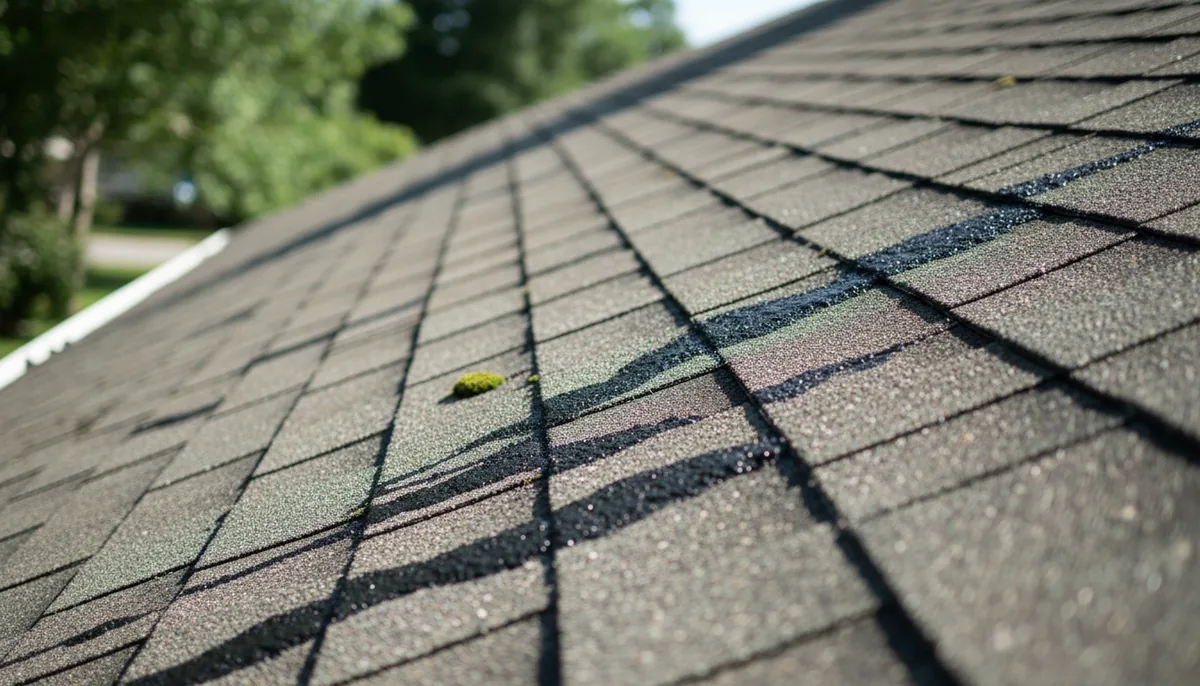
Roof maintenance Florida
By Bud Kettering, Roof consultant and inspector. Reviewed by Hal Winstead, Editor, licensed roofing contractor.
One muggy October afternoon in Cape Coral, I was flat on the trusses under a tile roof that had never leaked a drop, flashlight in one hand and moisture meter in the other. The roof looked almost new from the street. The decking around a plumbing vent did not. Water had been seeping behind that rubber boot for months, then wicking sideways along a nail shank, and by the time I found it the wood gave under the probe. That hidden rot is why I tell people to get three names from the roofing companies in Florida before storm season, not after the stain appears on the ceiling.
That roof had passed it's final building inspection, too. Nobody did anything criminal. It was just Florida: sun cooks the boot, rain finds the gap, and hot attic air carries moisture into wood that never quite dries. Roof maintenance Florida is mostly attic work from my chair. It is dark, dirty, and easy to skip.
I'm Bud Kettering. I inspect roofs for buyers, sellers, and insurers, and most days I finish with dust in my hair and pine needles down my shirt. I of been wrong about this before, and I will be wrong again. But after enough roofs, you learn to trust the dark side of the deck more than the pretty side.
Roof maintenance Florida starts where the light doesn't hit
Find your attic access panel, put your phone on video before you stick your head up, and talk out loud while you record. You are looking for dark streaks on the underside of the plywood, rust on nail heads, and gray or black rings around vent boots. A ring around a plumbing vent is the classic slow leak. Poke the wood with a screwdriver. If it gives like a sponge, the repair is already overdue.
The rubber boot on every vent pipe fails eventually. Call it age, call it UV, call it bad luck. The problem is usually not the top of the boot. It is the seal where the boot meets the pipe, or the fastener that missed the framing and left a hole under the flashing. Every penetration on a Florida roof is a little straw for water when the sealant dries out. That includes solar mounts, satellite dishes, and those decorative ridge caps people love.
Not every house has a walkable attic, and I'm not going to pretend a flat commercial roof is the same animal. If you can't get under the roof, you need someone with a thermal camera who will tell you what they can and cannot see. I'd rather hear “I can't tell from here” than “don't worry about it.”
What I would actually do: start in the attic and work your way down, not the other way around. If the wood is dry and solid, the rest is usually cosmetic; if it is soft, no amount of new shingles will fix what is underneath.
The five-minute walk that tells you more than the salesman will
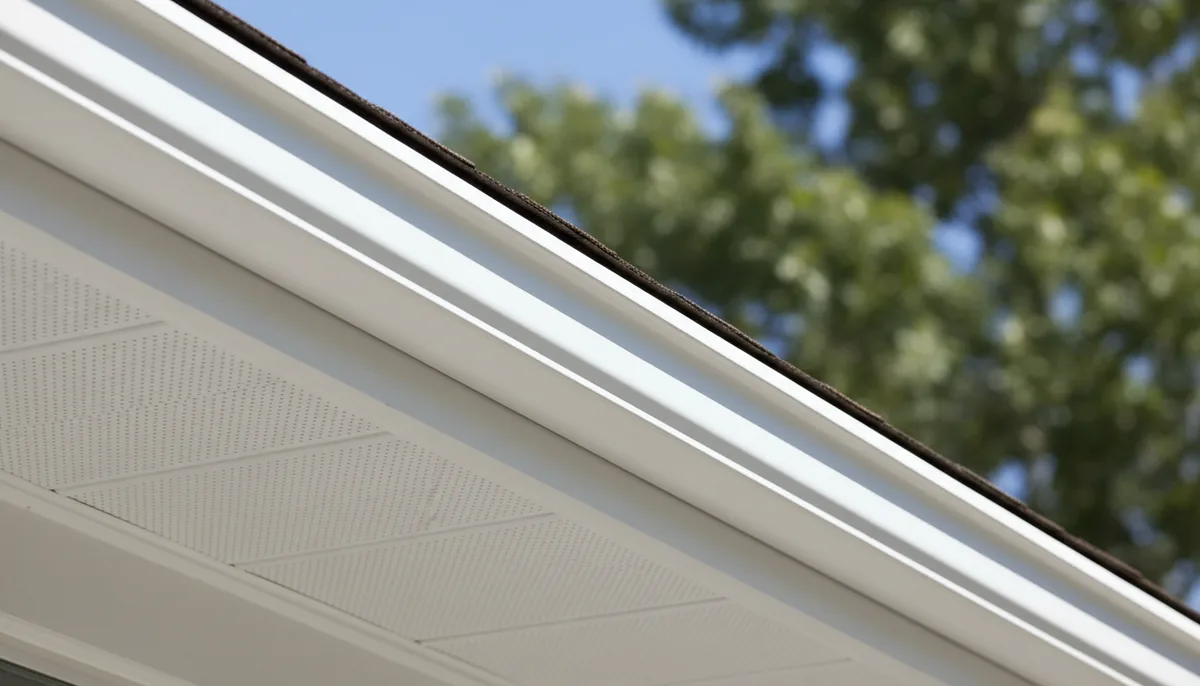
Before anyone climbs anything, walk the whole house and look at the ground first. Check the gutters and downspouts. A pile of granules under a downspout means an asphalt roof is shedding its surface. A gutted and dented gutter means something hit it hard enough to move metal. Look at the valleys from the ground with binoculars if you have to. That is where two roof slopes meet, and it is where water moves the fastest when debris builds up.
Then slow down around the pipes, skylights, and flashing. That is where I find the damage. Shingles are designed to shed water; pipe boots are designed to be the weak point. A cracked boot can look harmless from a ladder, but the water has already been inside for months doing exactly what water does.
The street view can lie. A brand-new roof can hide soft decking if the crew missed the permit and nobody checked underneath. An old roof can be perfectly sound if it was installed right. That sounds obvious, but clients hate it because it means you cannot judge a roof from a photo on a real estate listing.
Why I keep sending people for wind mitigation inspections
A wind mitigation inspection is not the same as a maintenance check, but it should be part of the same conversation. It documents the roof covering, roof deck attachment, roof-to-wall connection, roof geometry, secondary water resistance, and opening protection. The standard form is OIR-B1-1802. Florida insurers must offer premium discounts for qualifying features, and that form is how the discount gets justified.
I can't promise what your policy will do. Coverage varies by policy, and you need to read your own declarations page. What I can tell you is that a wind mitigation inspection usually costs less than the annual discount it can open up. In my line of work, I have never had a homeowner tell me the form was a waste of money. I have had homeowners tell me they wish they had done it before the old roof was replaced, not after.
If you're buying a house, get the wind mitigation inspection before you close, not after you become the owner of someone else's roofing decisions. If you're staying put, get one during a normal maintenance visit, especially if your roof has been replaced since 2001. The roof-to-wall attachment matters, and you can't see it from the driveway.
What I would actually do: ask one company to do the visual roof check and the wind mitigation form on the same visit. It may cost more than a bare-bones quote, but you want one set of eyes describing the entire roof.

Check the state licence before you check the shingles
Florida roofing contractors are regulated by DBPR. The DBPR licence prefixes CCC and RC are not interchangeable. A CCC is a certified contractor and can work anywhere in Florida. An RC is a registered contractor and can only work in the local jurisdiction that issued it. I don't care how good the sales pitch sounds. Verify the number is active before you sign anything.
And I'll allow myself one gripe here. “Licensed and insured” is a phrase people use as if it settled everything. It does not. I once asked a homeowner for his roofer's licence number, and he handed me his driver's licence. His driver's licence. The state licence number takes about thirty seconds to check. If the contractor cannot produce it, you have your answer.
Also remember that a roof replacement in Florida requires a permit pulled from the local building department, plus an inspection. A contractor who offers to skip the permit is a contractor to walk away from. An unpermitted roof can complicate an insurance claim and a future sale. I have climbed through plenty of attics under beautifull new roofs that had no permit history, and you can't trust what you can't verify.

The permit conversation nobody wants to have
People treat permits like paperwork. They are not paperwork. They are the only reason anyone checks that the decking nails are long enough, the underlayment is lapped the right way, and the flashing is installed before the shingles go on. The permit inspection is your roof's one official physical exam.
If a roofer offers a cash price with no permit, walk. If a roofer says the county is too busy and inspections take too long, walk. I am not a lawyer and I'm not a building official, but I have crawled under enough unpermitted roofs to know what happens when nobody looks. It costs you later, usually during a claim or a sale.
I won't guess what your insurance covers because coverage varies by policy. Read your declarations page. But an unpermitted roof is not a coverage question. It is a factual question that will sit in the records forever.
Questions I get asked
How often should I have roof maintenance done in Florida?
Once a year, and again after any storm that brings hail or measured wind. If you have big oak trees overhanging the roof or an older asphalt roof, make it twice a year. I say this as the guy who climbs around after the storm. I would rather climb your attic than read about your temporary tarp.
Can I do a roof inspection myself?
You can do the ground-level part and the attic part yourself, and you should. But I would not walk a Florida roof without training. Wet tile is slippery, and a fall costs more than any roof inspection. Take photos from a ladder if you are comfortable. Leave the walking on the roof to someone whose business insurance covers it.
Should I file an insurance claim for every leak?
No. A maintenance leak and a storm claim are different things, and claims history follows the house. Coverage varies by policy, so read your declarations page before making that call. I inspect roofs for insurers, and I will never tell you to hide damage. I will tell you to know what your policy covers before you trigger it.
Is a wind mitigation inspection the same as roof maintenance?
No. A wind mitigation inspection is a seperate form, OIR-B1-1802, that documents how the roof is attached and wether it has secondary water resistance. It is not a maintenance checklist. I recommend doing both near the same time so you are not paying someone twice for a ladder visit.
What should I do before hiring a roofer?
Check the state licence and the local permit, in that order. Get the contractor's licence number, confirm it is active, and make sure the written contract says they will pull the permit. If they balk at either one, that is your answer.