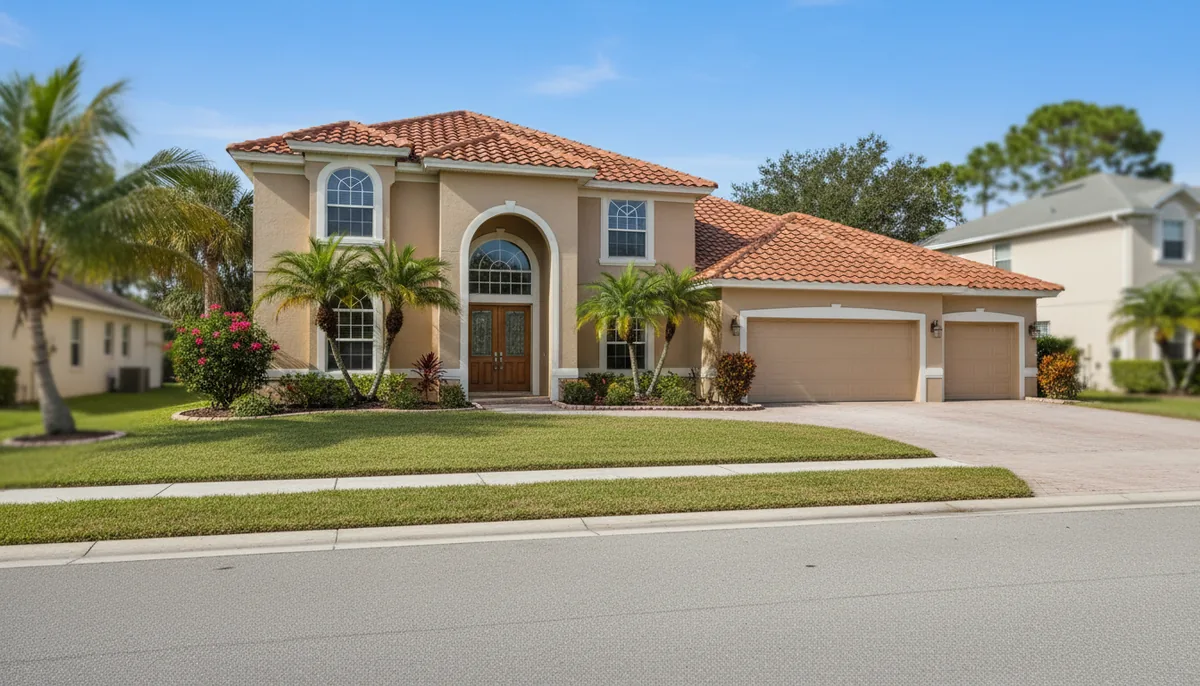
Roof replacement Florida: The Florida Guide
By Dale Prescott, Roofing contractor, Central Florida. Reviewed by Hal Winstead, Editor, licensed roofing contractor. That afternoon in Lakeland, we were three layers in on a tear-off when the sky let go. Not a sprinkle—a proper Central Florida gullywasher. The crew scrambled for tarps, but the real problem wasn't the rain. It was what the rain revealed: the roof deck underneath was mush. Rot had eaten the plywood around every vent pipe. The homeowner had hired us for a straightforward shingle swap, and we were about to break the news that his project had just doubled in scope. He stood there in the driveway, arms crossed, watching the water pour through his old attic vents. If you want to see who actually covers this work, roof replacement companies in Florida is where I would start.
I've been doing this for twenty-two years, running tile and shingle crews between Orlando and the coast. I've torn off more storm-damaged roofs than I care to count. And I will tell you straight: if you're looking at a roof replacement in Florida, the process is not just about picking shingles you like the color of. The state and your insurance company have rules that will dictate alot of what happens. Before you spend a dime, check out the roof replacement companies in Florida and make sure you know who you're dealing with.
The first thing you need to understand is that not all roofing contractors are created equal in this state. Florida roofing contractors are licensed by the Department of Business and Professional Regulation, the DBPR. A certified contractor's license starts with the prefix CCC, and that means they can work anywhere in the state. A registered contractor has a license starting with RC, and they can only work in the local jurisdiction that licensed them. I've seen guys drive two hours north of their registration area and start nailing shingles. It happens more than you'd think. Always verify the license number is active on the DBPR roll before you let a single truck pull into your driveway.
Now, about that permit. A roof replacement in Florida requires a permit pulled from your local building department. There will be an inspection. It's not optional, and if a contractor tells you they can skip it, you need to walk away right then. Watch them get back in their truck and leave. An unpermitted roof is a nightmare. It can complicate an insurance claim when the next storm hits, and it can absolutely kill a home sale when the buyer's title search or home inspection turns it up. Trust me on that one. I of been wrong about this before, but I'd rather lose a job than lose my license over an illegal install.
What changed about the 25% rule
Here is where a lot of people get confused, and honestly, it used to be simpler. Florida's old "25% rule" came from the Florida Building Code. The old rule said if you repaired or replaced more than 25% of your roof in any 12-month period, you had to bring the whole roof up to current code. That meant a small repair could trigger a massive, expensive full replacement. It made people squeamish about fixing storm damage.
But SB 4-D, effective back in May of 2022, changed the game. Under the new law, if your roof was built, repaired, or replaced to the 2007 Florida Building Code or any later edition, then only the portion being worked on must meet current code. A partial repair doesn't force you into a full replacement anymore. The catch is the date. The 2007 code took effect on 1 March 2009. So, if your roof was completed before that date, it generally does not qualify for this protection. If your roof is older than that and you need a repair, you might be looking at a full roof replacement Florida homeowners dread. It depends entirely on your specific roof's age and condition.
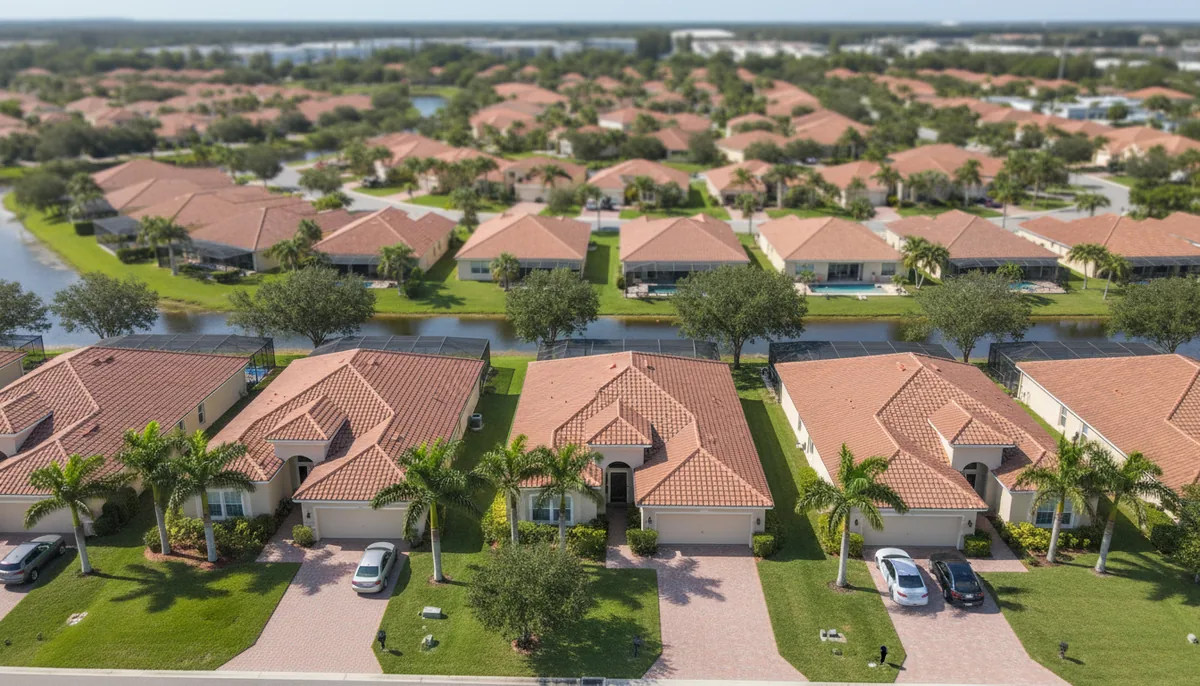
Why a wind mitigation inspection is worth your money
Let me tell you about a project that will save you cash. A wind mitigation inspection is a specialized look at how your roof is attached to your house. It documents the roof covering, the roof deck attachment, the roof-to-wall connection, the roof geometry, wether you have secondary water resistance, and your opening protection—things like shutters or impact glass.
Florida insurers are required to offer premium discounts for qualifying features. The standard form for this is the OIR-B1-1802. It always blows my mind when people skip this. The inspection typically costs far less than the annual discount it can open up. I've seen homeowners save hundreds of dollars a year on their premium just because they had the right hurricane clips and a sealed roof deck. It's a cheap way to make your insurance bill more bearable.
What I would actually do: Before you sign a contract, ask the estimator to walk the roof with you. Look at the decking from the attic if you can. If the wood feels soft or looks stained, that's a "full deck replacement" cost that is not in the base bid.
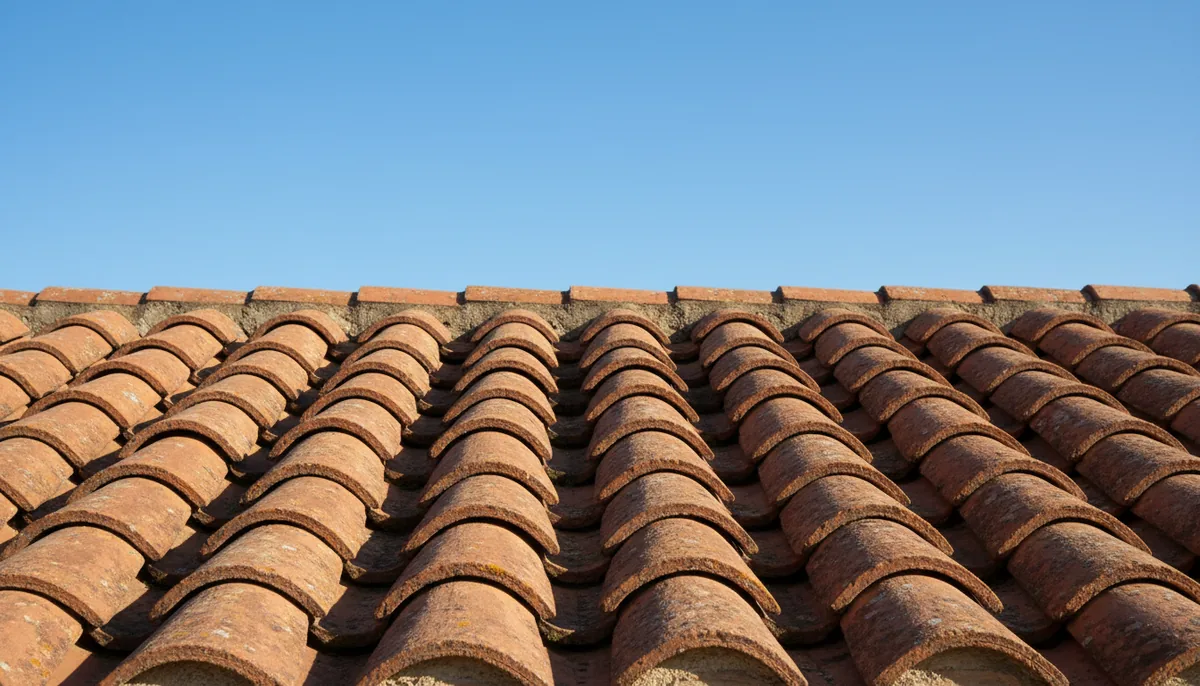
Roof installation Florida style: tile versus shingle
Choosing the material is the fun part, but it's a decision that has real consequences in this climate. Concrete tile is heavy, and I mean heavy. That changes the structural engineering of your roof. Some houses need extra framing to handle the load. Tile is beautifull and durable against the sun, but it can be brittle. Walking on it wrong cracks it. Shingles are lighter and cheaper, but they have a shorter lifespan in our UV furnace. I've seen architectural shingles last twenty years, and I've seen them fail in ten if the attic ventilation was poor. It depends on what is under there and how hot that attic gets. There is no single right answer. I'll put new dimensional shingles on my own house, but I've also set a lot of barrel tile on the coast where the owners wouldn't have anything else.
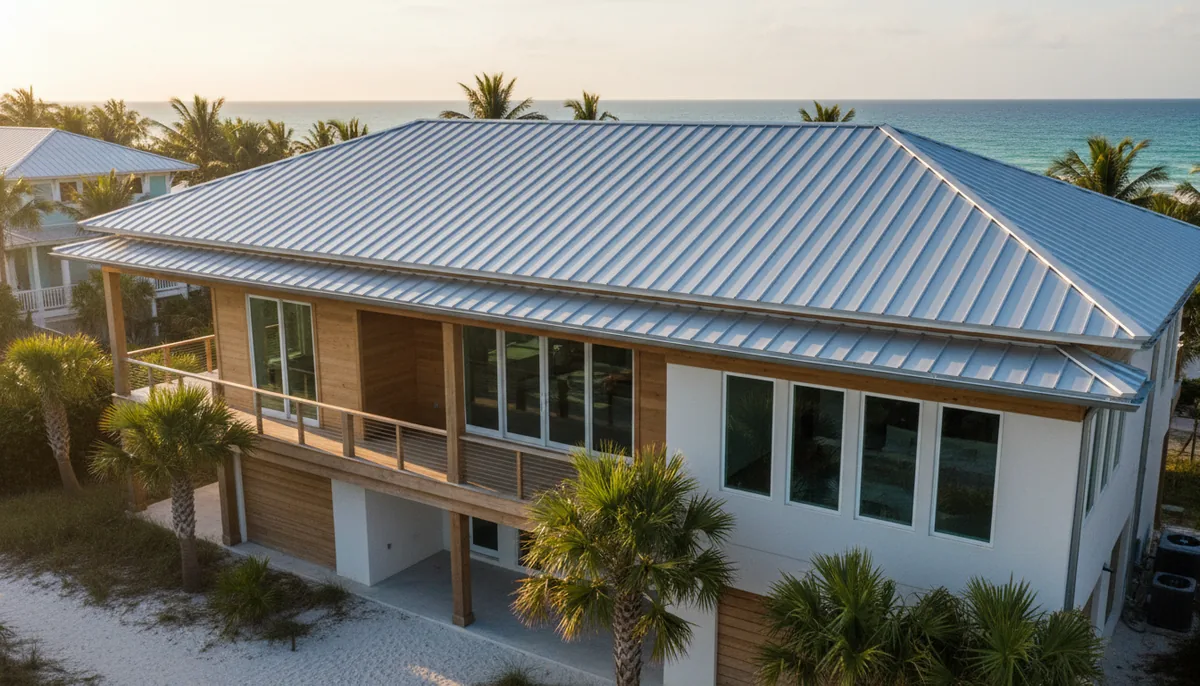
The real cost of a roofing project
People always want a number for a Florida roofing project, and I can't give you one that means anything. Every roof is priced per square—that's a 10-foot by 10-foot area, or 100 square feet—but the variables are brutal. Pitch matters. A steep roof is slower and more dangerous to work on. Access matters. If I have to haul materials up a ladder and down a hillside, that costs time. The deck condition matters, and I can't know that until the old roof is off. The only honest answer is that you need multiple quotes from licensed contractors who have looked at your specific house.
And let's talk about insurance for a second. I can't tell you what your specific policy covers because I'm not an adjuster, and every policy is different. Coverage varies. You need to read your declarations page. Know your deductible. Know if you have "actual cash value" or "replacement cost" coverage. I've had customers in Kissimmee discover their policy paid out based on the depreciated value of a 15-year-old roof, which was nowhere near enough to replace it. That is a conversation you need to have with your agent, not me. And don't even get me started on the people who file a claim for a leak and then cancel it because they think it will raise their rates. The damage just gets worse.
What I would actually do: Call the city or county building department yourself before you sign anything. Ask them what the current code requires for roof replacements in your area. Don't rely on the contractor to tell you. It takes ten minutes. It protects you.
Questions I get asked
How long does a roof replacement take?
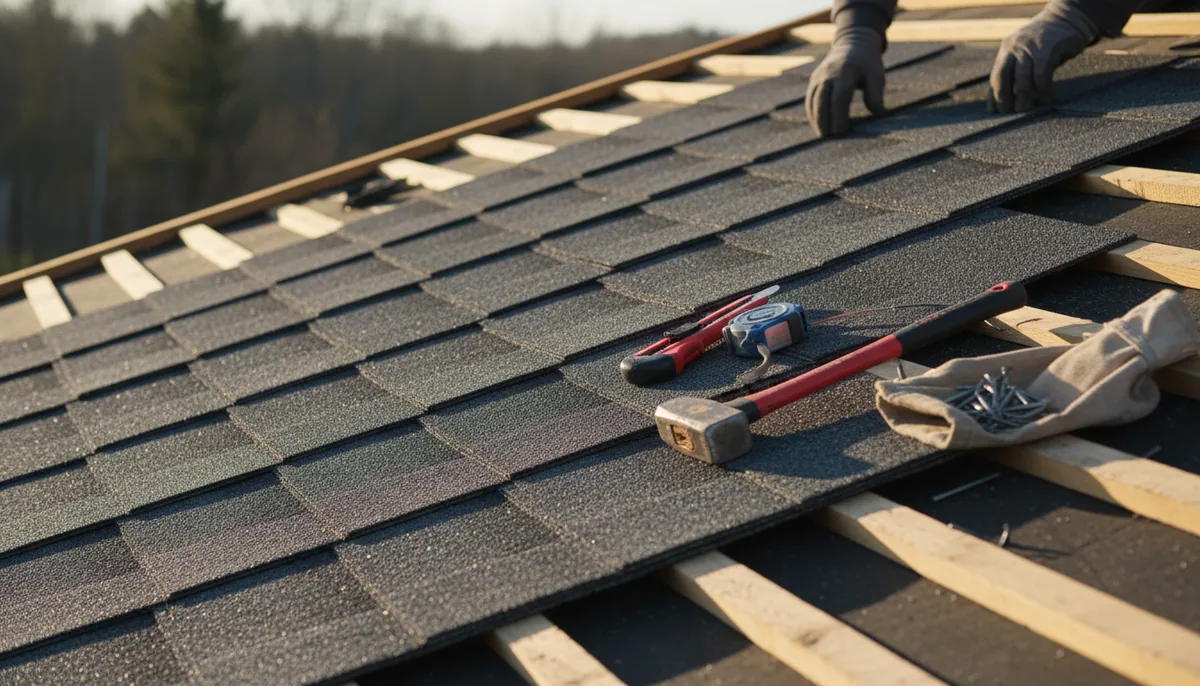
Most single-family homes take one to three days for a full tear-off and replacement, depending on wheather and crew size. A simple shingle roof on a ranch house can go quick. A complex tile roof with a steep pitch and a bunch of valleys might take a week. A big storm can make everyone wait on materials.
Can I just put a second layer of shingles on?
In Florida, you generally cannot repair a roof by adding a third layer. Most building codes only allow two courses of shingles. And here is the issue—you're hiding the condition of the deck. If that bottom layer is trapping moisture, your plywood is rotting and you don't even know it. We tear it all off to see what we are dealing with.
Will my insurance company drop me if I wait too long?
Insurers look at roof age and condition. If your roof is over 15 years old, many companies will require an inspection or proof of replacement to renew a policy. That's why organizations like Citizens Property Insurance Corporation and programs like My Safe Florida Home exist—to help people handle the high-risk market and understand mitigation. You can't fix a bad roof with a good policy.
What is the most common mistake you see homeowners make?
Hiring the cheapest guy with the shiniest flyer. They don't check the DBPR license number. Then the work is sloppy, the permit was never pulled, and they call me a year later when it leaks. I am not cheap. I'm not the most expensive either. But I can prove my license is active. That is the absolute baseline.
What is a secondary water barrier?
It is a self-adhering membrane applied over the roof deck, under the shingles or tile. It is not required everywhere, but it is a massive upgrade. If a shingle blows off in a hurricane, that membrane keeps the rain out of your house. It is one of the best things you can add during a full replacement, and it will often earn you a nice discount on your wind mitigation form.
Do I need to be home during the work?
The first day, yes. You need to walk the job with the foreman and point out where your leak is, if you have one. You need to show them where your outdoor spigot is. After that, let them work. Our crew shows up around seven. If you ask us a million questions while we'returning setting up a ladder, we are not doing our job safely.
Look, a roof replacement is a big project. It's loud, it's messy, and it's not cheap. But a solid roof over your head is the one thing that keeps every other part of your home dry and safe. Find a licensed contractor. Make sure the permit is pulled. And go get that wind mitigation inspection done while your new roof is still under warranty. You will sleep better the next time the storm track starts pointing toward the coast.