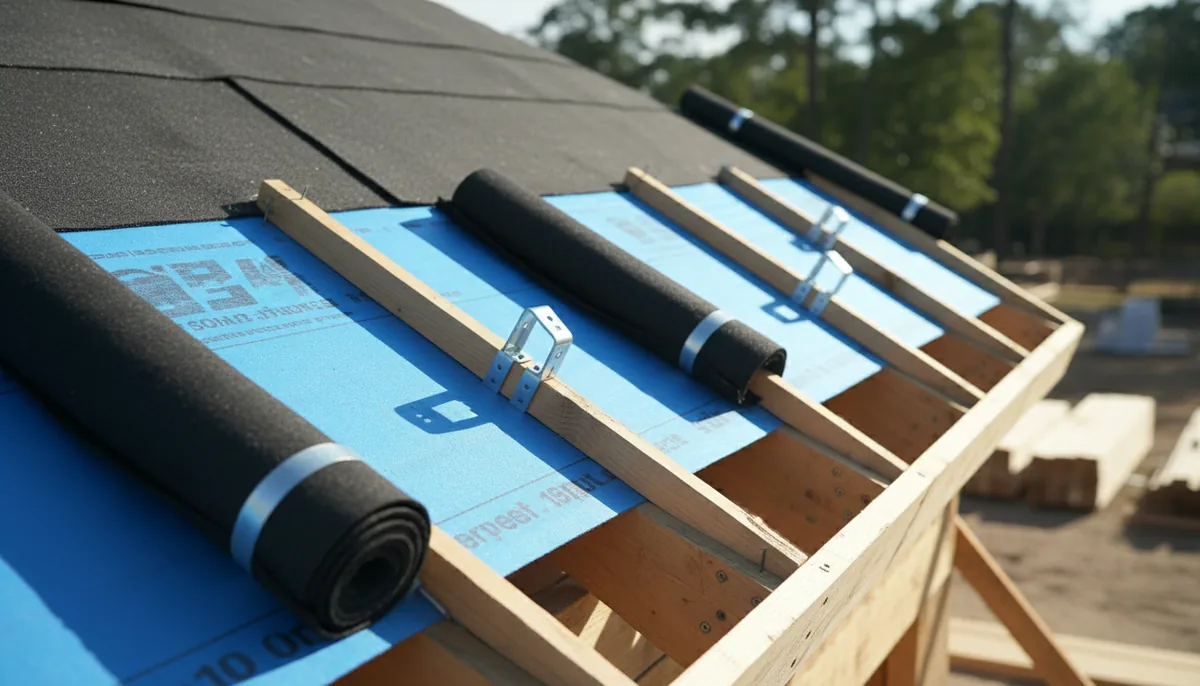
Roof vents in florida: The Florida Guide
By Dale Prescott, Roofing contractor, Central Florida. Reviewed by Hal Winstead, Editor, licensed roofing contractor.
That afternoon in Haines City, I climbed onto a three-year-old shingle roof that was already blistering in the Florida sun. The ridge vent looked fine from the street. Under the cap, the baffle was stapled shut, so the attic was baking and the shingles were telling on it. If your roofer can't show an active DBPR licence, that is your first red flag. Use the directory and compare roofing companies in Florida, then verify the license yourself before anyone sets a ladder against your house.
Roof vents in Florida are a simple idea: let hot air climb out near the ridge and let cooler air in lower down. The trouble is that simple idea gets complicated by hip roofs, tile profiles, soffit details, code, and the wheather. I've been running crews between Orlando and the coast for twenty-two years, and I still walk every roof before I tell somebody what vent to buy.
What are the best roof vents for Florida?
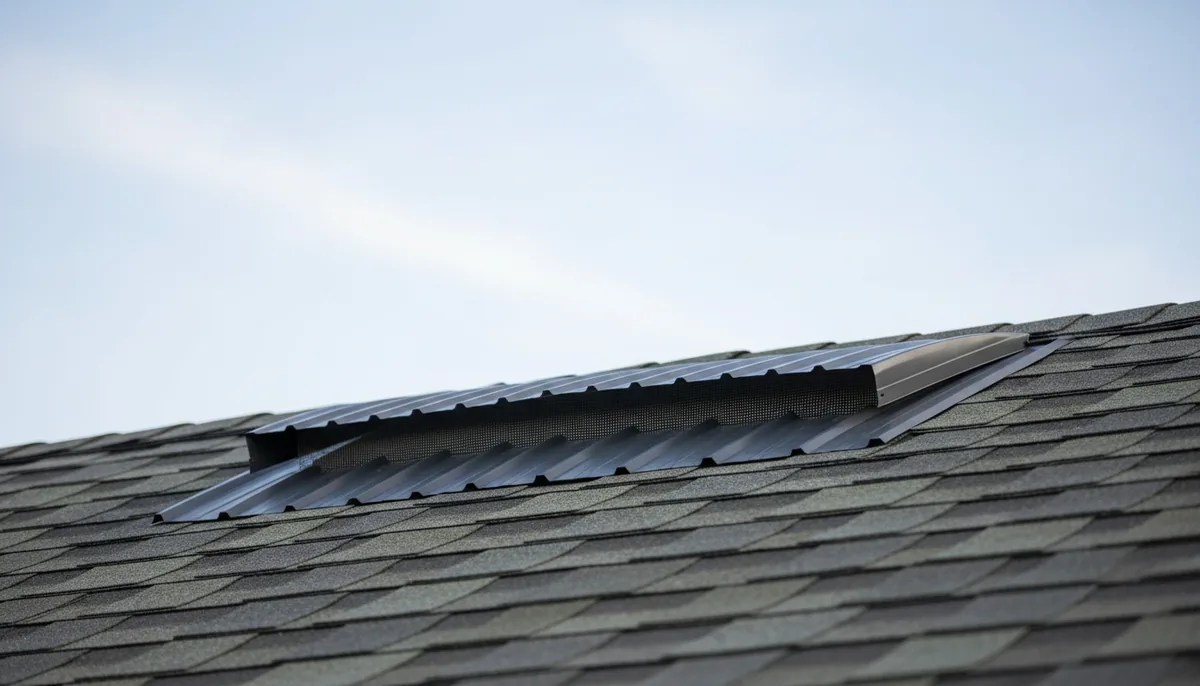
Plain answer: a static ridge vent with continuous soffit intake, when the roof allows it. No motor to burn out. No bearing to seize. No solar panel to cook in the afternoon sun. It uses the same heat and wind that are already up there working on your shingles. On a simple gable with a straight ridge and open soffit, that is the best roof vent for Florida that I know.
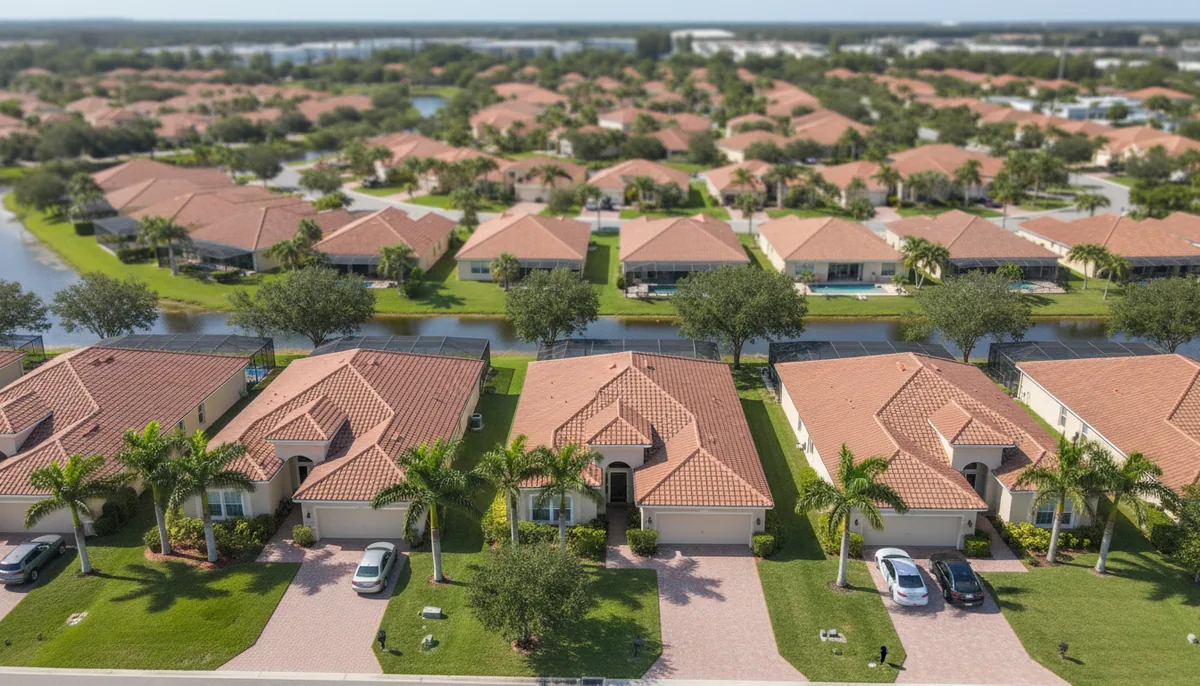
But a ridge vent is not always up to the job. A hipped roof in Central Florida often has a short ridge and eaves that dogleg around every bedroom. On that sort of roof I use low-profile off-ridge vents set high on the slope. They are not as clean-looking as a full ridge run, and the placement matters more, but they move air. The size and count depend on attic square footage and the net free area stamped on the vent. I do that math before I cut a hole. I don't guess.
What I would actually do: If the ridge is straight and the soffit is open, I put in a continuous ridge vent. If the roof is mostly hips with a short ridge, I use off-ridge vents on the upper slopes and make sure the intake matches. Powered vents come later, not first.
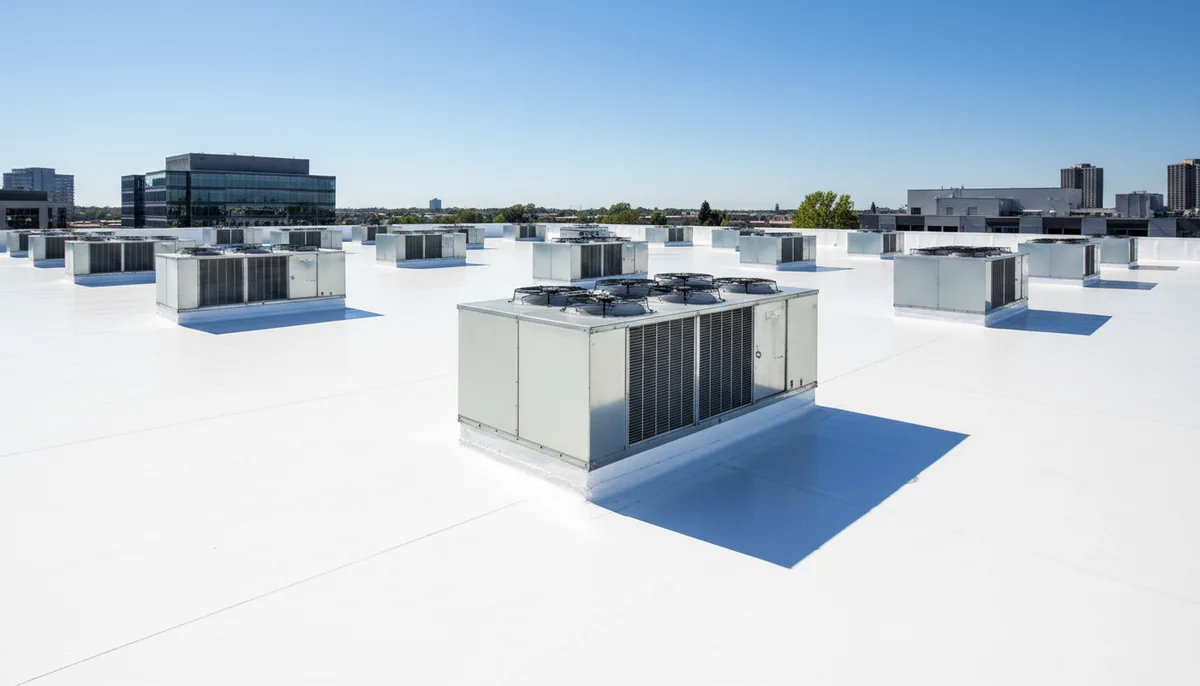
Air has to come from somewhere
A ridge vent with no undereave intake is like breathing with your hand over your mouth. You cut the exhaust, but if air cannot get in at the eave, it will find it's way from the living space through light fixtures and ceiling cracks. In Florida we don't want humid inside air pulled into an attic. It makes the attic stuffy and does no favors to the roof deck.
Before I quote a vent repair, I check the soffit. That means climbing down and looking up, not just measuring from the ridge. I have been wrong about this before. More than once, the soffit looked fine from the driveway and turned out to be solid wood behind a newer aluminum cover. No intake. No airflow.
Let me climb off my ladder and complain for a second: the worst vent job I see is a roofer who swaps out the ridge cap without ever checking what is feeding it. Somebody spends a thousand dollars and the attic still cooks. It is not the vent. It is the envelope.
What I would actually do: Before I add any exhaust, I get a flashlight and look at the rafter bays from the attic side. If the soffit is blocked, I fix that first. No intake, no vent.
The 25% rule changed, and most people still quote the old one
I hear the 25% rule more than almost any other roofing question. The version most people know is: if you repair more than 25% of a roof, you are forced to tear off and replace the whole thing. That was the old reading. SB 4-D (2022) changed it.
Here is how I understand it today. If the roof on your house was built, repaired, or replaced under the 2007 Florida Building Code or any later edition, then only the portion being worked on has to meet current code. A full replacement is no longer automatically triggered just because you cross that repair line. The catch is the date. The 2007 code took effect on 1 March 2009, so roofs finished before that date generally do not get the benefit.
This matters when a vent leak has rotted decking. A small repair can stay a small repair on a qualifying roof. On an older roof, the code can catch up with you and turn a leak into a reroof. I don't interpret code for a living. When a repair starts to cross into replacement territory, I call the local building department and ask the plan reviewer. That is not me being lazy. That is me not guessing with somebody else's money.
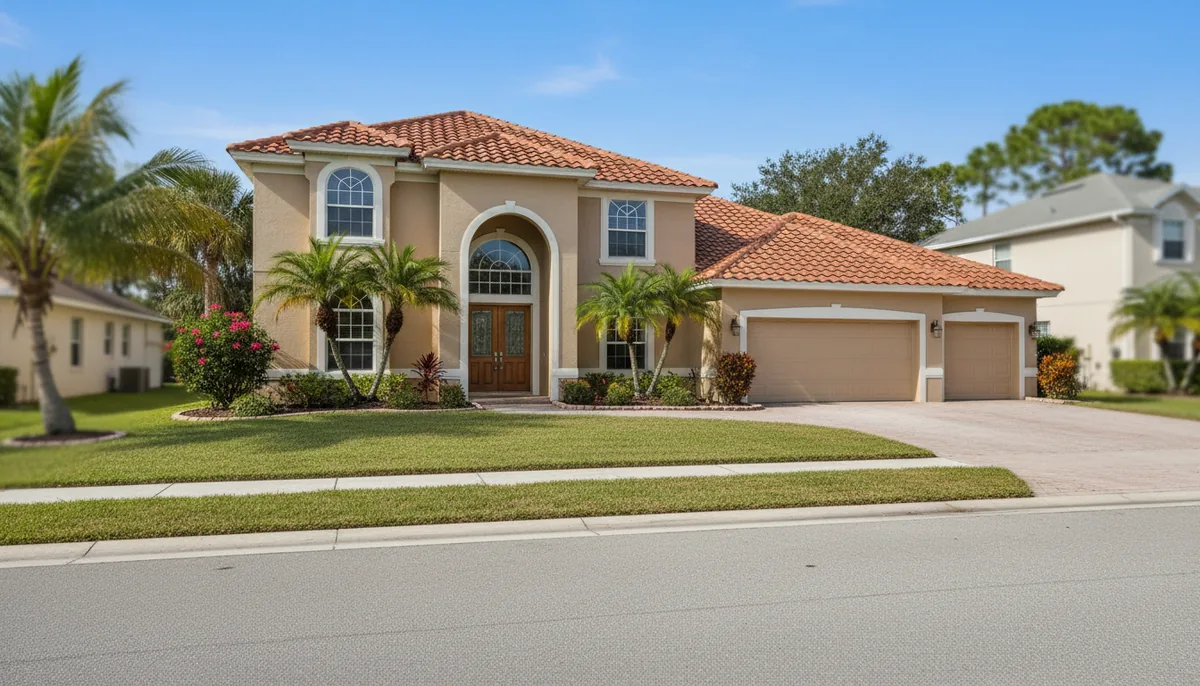
Permits, licenses, and the guy who wants to skip both
Roof vent work is roofing work, and in Florida the contractor needs to be licensed. Roofing contractors are licensed by the Department of Business and Professional Regulation. The DBPR licence prefixes CCC and RC tell you what you are dealing with: CCC means certified, and that contractor may work anywhere in the state. RC means registered, and that contractor may only work in the local jurisdiction that licensed them.
Always verify the number is active before you hire. The DBPR roll is free and takes two minutes. If the name on the estimate does not match the license, ask why. If the license has lapsed, that tells you something too.
Roof replacements also require a permit pulled from the local building department, and the work gets inspected. That is not optional, even when the job is a section of deck around a vent. A contractor who offers to skip the permit is a contractor to walk away from. An unpermitted roof can complicate both an insurance claim and a future sale. I pull permits because the law says so, and because I like being able to sleep.
What I would actually do: If a roofer says we can handle the permit later, I end the conversation. There is no later when the building department is closed and the shingles are already cut.
What a wind-mitigation inspection can tell you
A vent itself is not a line item on a wind-mitigation inspection. I get that question alot, so let me be clear about how the thing works.
A wind mitigation inspection documents roof covering, roof deck attachment, roof-to-wall connection, roof geometry, secondary water resistance, and opening protection. Florida insurers must offer premium discounts for features that qualify, and the standard form is OIR-B1-1802. The inspection usually costs far less than the annual discount can be worth. Ask your agent before you schedule it, and read your policy's declarations page so you know what your carrier will accept.
I am not an adjuster and I am not a lawyer. I can tell you what I see under the roof, but I cannot promise what your insurance policy covers. If a new roof is in your future, ask your agent wether a wind-mitigation inspection is worth doing while the roof is open.
Questions I get asked
Should I go with a ridge vent or a turbine?
Ridge vent, unless the ridge is too short or the intake is missing. A turbine has moving parts and bearings, and Florida salt air likes to eat moving parts. If you already have a turbine and it spins freely, leave it alone and keep it clean. If it is seized, replace it with a static vent.
Won't a power fan do a better job?
In my experiance, no, not in a tight attic with poor intake. A power fan can depressurize the attic and pull air-conditioned air through ceiling bypasses, which makes the house hotter and the attic more humid. If the attic is properly sealed and the intake is strong, a fan can help. I just prefer no moving parts on a roof.
Why is my Florida attic still hot with roof vents?
Because venting removes only part of the heat; it cannot make the attic the same temperature as the shade. Florida roofs take a beating from the sun. If you have ridge vents and open soffits and the attic still cooks, the problem is usually insulation, duct leakage, or not enough intake, not the vent itself.
Will a new roof with ridge vents lower my homeowners insurance?
Not by itself. Ridge vents are not a wind-mitigation feature. The savings there come from roof-to-wall connections, roof deck attachment, roof geometry, and opening protection. If your insurer offers discounts, they should tell you exactly what they need documented. Read your declarations page, then talk to your agent.
A roofer told me we have to replace the whole roof because of the 25% rule. Is he right?
Maybe, but not the way he said it. The old 25% rule no longer forces a full replacement on a roof that qualifies under SB 4-D (2022); only the portion being worked on has to meet current code. If your roof was finished before 1 March 2009, the old trigger can still pinch. Ask him to show you the reasoning, and call the building department.
How can I check if you are licensed?
Look up the license number on the DBPR roll and verify the prefix. CCC means certified and good statewide. RC means registered and limited to the jurisdiction that issued it. It takes longer to wash your truck than to check.