Roofing business for sale Florida: A Working Contractor's Take
By Marcy Doleman, Commercial roofing estimator. Reviewed by Hal Winstead, Editor, licensed roofing contractor. I spent last Tuesday morning on a TPO roof in Panama City, measuring a tear-off for a plaza that had three different roof systems already stacked on top of each other. The owner wanted a number by Friday. I found the second layer was still wet, the cover board was delaminating, and somewhere under all that was a hurricane clip that had let go. I told him we'd need to strip to the deck just to know what we were bidding. He didn't like that answer. I didn't like his roof.
A guy at the supply house heard I do this all over the state and asked if I'd ever thought about buying a roofing company. He'd seen a listing for a roofing business for sale florida and figured I'd want the inside scoop. I told him the truth. I've bid enough commercial work in enough counties that I know what a roofing company is actually worth, and it's rarely what the asking price says. If you're looking at roofing companies in Florida and daydreaming about owning one, let me save you some grief and a pile of due-diligence bills.
Understand who you're dealing with. I'm an estimator, not an accountant and not a broker. I price flat and low-slope work—TPO, modified, coatings—for warehouses, plazas, and schools. I have been wrong about this before, and I'll be wrong again. But I know what a crew is worth, what a contract backlog is worth, and what a license number is worth when the phone stops ringing.
Buying a name on the truck is the easy part
The listing will say "roofing company for sale florida -- turnkey!" and it will include a logo, three work trucks, and a stack of contracts. Fine. But what are you actually buying? If the contracts are with the owner personally, they don't transfer when you buy the LLC. You're buying the right to rebid work against a company that no longer has a salesman. Some multi-year service agreements do transfer, but you need to read the assignment clauses. I've seen a buyer assume a contract and then find out the school district requires a specific license qualifier to be on site. That's a conversation you want to have before closing, not after.
Ask what the gross margin was, not just the revenue. A roofing company can do $4 million a year and still lose money if the estimator was hungry and the project manager was lazy. I've bid against shops that were clearly buying work, and I don't envy the guy who inherits that backlog. Pricing is a mechanism, not a secret. If they won't show you their actual job cost breakdowns, walk away. You can't estimate what you don't know.
A Florida roofing license is not a business plan
Here's where people get tangled up. They see "florida roofing license for sale" and think a license number is the whole ballgame. Florida roofing contractors are licensed by the Department of Business and Professional Regulation, DBPR. A certified contractor holds a license begining CCC and can work anywhere in the state. A registered contractor holds a license beginning RC and can only work in the local jurisdiction that licensed them. The DBPR roll will tell you which one you're looking at, and wether it's active. Always verify the number is active before you hire someone, and before you buy their company.
One thing I see all the time in these listings: a guy will say he's selling his roofing company and the "license goes with it". It doesn't work that way. The license belongs to the qualifying person, and the license number is tied to their history—their tests, their experience, their background. You can't buy their license and stick it on your wall. If the owner is leaving, the new entity has to qualify with it's own certified or registered contractor. That might mean a new CCC number, which means a new application. The business sale is seperate from the license qualification. A smooth-talking broker might not mention that.
Wait, that reminds me. I had a customer once who printed a contract on his own letterhead and signed it "Registered Roofing Contractor RF####". I had to explain that RF is not a roofing prefix at all. It denotes a registered plumbing contractor. He was furious, not at me, at his own website designer. Anyway. Back to the point.
The permit thing will bite you
A roof replacement in Florida requires a permit pulled from the local building department, and an inspection. If a contractor tells you they can skip the permit, that's a walk-away moment. An unpermitted roof can complicate an insurance claim later, and it can absolutely kill a sale when the buyer's inspector pulls the permit history. If you're buying a company that has a habit of "repairing" roofs without permits, you're buying a liability. That history is public. The building department might not volunteer it, but it's there.
I've looked at companies where the owner bragged about doing 200 "repairs" a year without a permit. The math on that is ugly. Each repair was probably a partial replacement. And partial replacement triggers the 25% rule. For a long time, if you repaired or replaced more than 25% of a roof in any 12-month period, the Florida Building Code required you to bring the whole roof up to current code. That meant a full replacement. Then SB 4-D (2022) came along, effective May 26, 2022. The rule now is that if the roof was built, repaired, or replaced to the 2007 Florida Building Code or any later edition, then only the portion being worked on has to meet current code. A full replacement is no longer automatically triggered. The 2007 edition took effect on March 1, 2009, so roofs completed before that date generally don't qualify for the relaxed rule. I'm an estimator, not a lawyer, so I'd check with someone smarter than me on a specific roof. But if you buy a company that was ripping off partial repairs after a storm without checking the code edition, that backlog is a trap.
What I would actually do: Ask for a list of every job they did in the last 12 months that was a repair on a roof older than 2009. Then check the permit history on a handful. If the patches were done without inspections, assume the worst about the rest.
What about the storm work and insurance money?
This is where the gold rush mentality sets in. Someone sees a listing for a roofing business for sale florida after a bad hurricane season and thinks they're buying a license to print money. Be careful. Storm work is lumpy. The money comes in waves, and the waves bring out every out-of-state crew and every fly-by-night operator. That drives prices down, not up. The legitimate shops get squeezed by the adjusters and the public adjusters.
Look at the insurance side too. Florida Statute 627.70132 and the form OIR-B1-1802 are part of how roof claims get handled. I can't tell you what any specific policy covers because coverage varies by policy. You have to read your declarations page. But I can tell you this: if the company you're buying built its model on convincing homeowners to file claims for wear-and-tear roofs, that model is getting harder. Citizens Property Insurance Corporation and the other carriers have been tightening their rules. Insurers are also paying more attention to roof age. A company that depends on "storm chaser" volume is more fragile than one with a base of commercial maintenance contracts.
What I would actually do: Look at the mix of work. I want to see 60% or more of the revenue coming from repeat commercial clients, not storm chase jobs. Maintenance contracts, re-roofs on shopping centers, work for property managers. That base carries you through the slow years. Storm chase money is a bonus, not a foundation.
What is a roof actually worth? The assets versus the intangibles
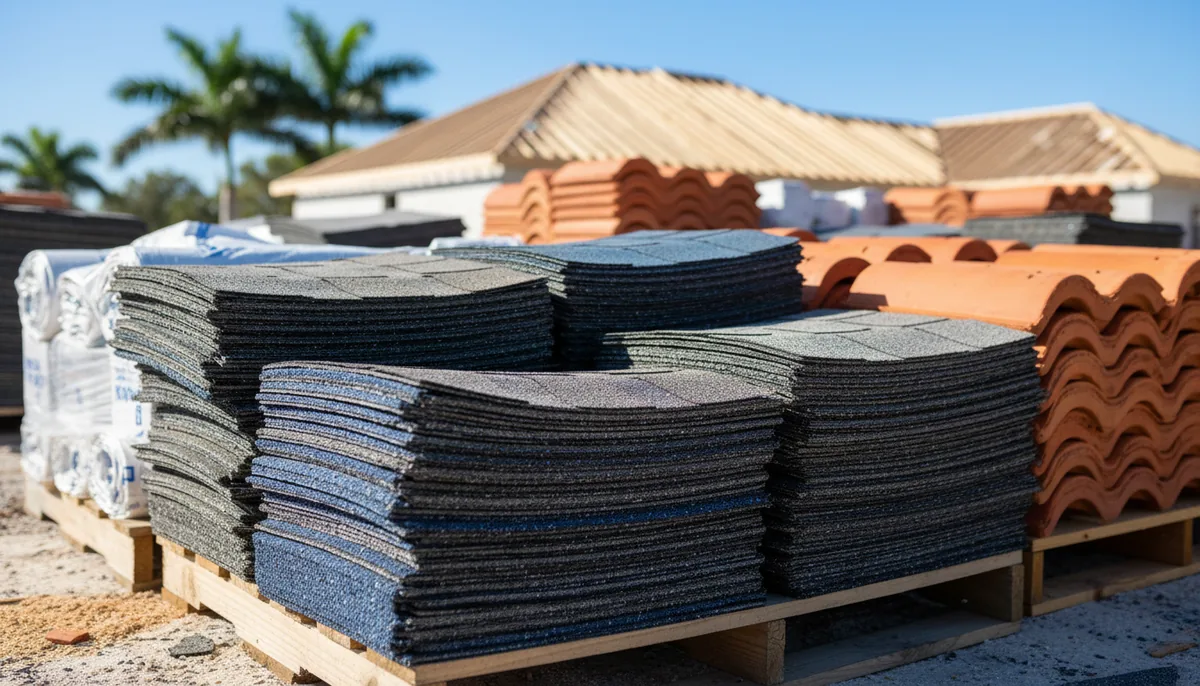
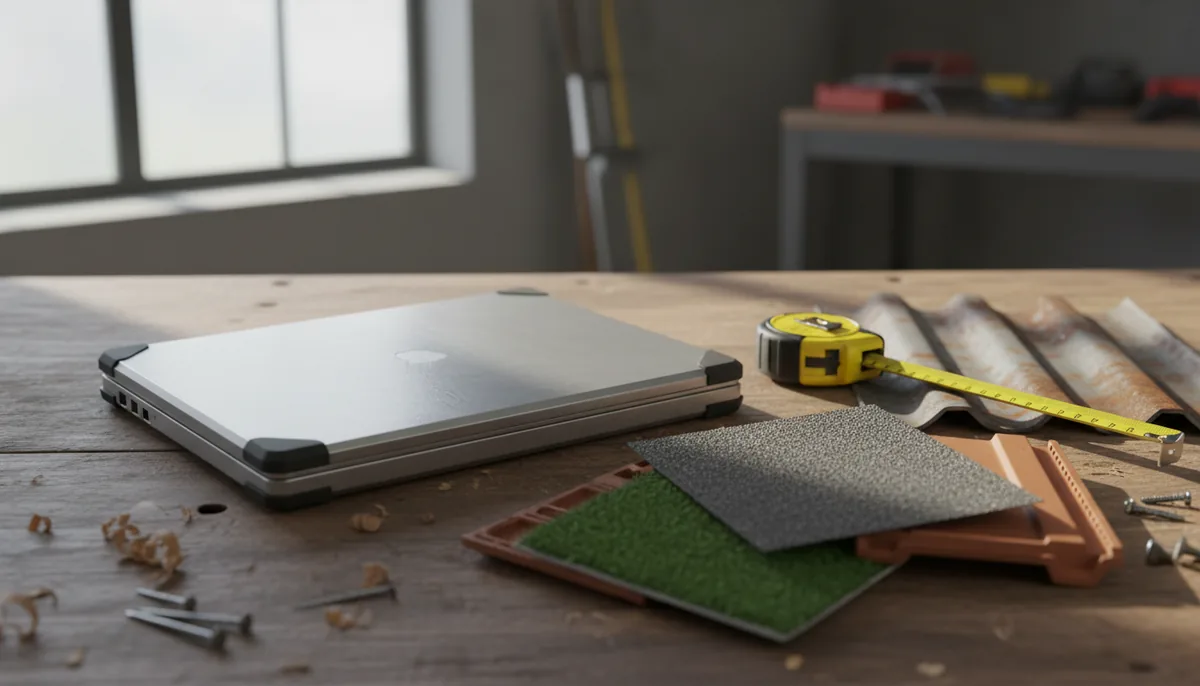
If a company has a warehouse full of TPO rolls, fasteners, and insulation, that inventory has a value. You can check current prices at any supply house. Trucks and crew are worth what they're worth. But a roofing company's real asset is its reputation with the local building department and the local GCs. That doesn't show on the balance sheet.
I've seen buyers pay way too much for a big backlog of signed contracts. Check whether those contracts are with real clients or related shell companies. Check the warranty obligations. If the company gave out 20-year workmanship warranties and they don't have the reserves to back them, you're buying a promise you can't keep. That's a fast way to end up in court.
Also ask about the crew. In Florida, if the workers were "independent contractors" but worked for that company full time, the new owner could inherit a workers' compensation mess. I've seen the state come after a buyer for unpaid premiums from the previous owner because the "new" company was a continuation of the same operation. That's a real risk. I'm not a lawyer, so don't take my word as gospel, but I've seen it happen. Buy the assets, not the old entity, and make sure the prior owner settles every obligation first.
Questions I get asked
Is a registered roofing contractor license worth less than a certified one?
For a business sale, yes, call it that. A registered license beginning RC only lets you work in the local jurisdiction that licensed you. A certified license beginning CCC lets you work anywhere in the state. If you're buying a company with an RC qualifier, you're buying a territory, not a state. That limits your growth.
Can I use the seller's license while I get my own?
No. The license is tied to the qualifying person. If the seller leaves, the license leaves with them. You need your own certified or registered contractor in place. Don't take over a single job without that.
How long does a new license take?
It depends on your experience and whether you qualify by exam or by endorsement. The DBPR has the actual requirements. I wouldn't bank on any quick timeline. Give or take. But I'd tell a buyer to start the application the day they sign a letter of intent, not the day they close.
What if the previous owner did a lot of work without permits?
Run. I have never seen a clean exit from that kind of mess. The permit history is public. An insurer will find it. A buyer's title company will find it. It will haunt you at the resale of the building, and it might haunt you on an insurance claim.
Is storm chasing still profitable?
It's profitable for the guys who are good at documentation and who know the code rules cold. It's a trap for the guys who think a hurricane equals free money. You have to do the work right, pull the permits, and satisfy the adjuster. Coverage varies by policy, so you have to read the declarations page like a hawk. The easy money days are over.
Should I buy a company or start my own?
If you don't already have a certified license and a track record with commercial GCs, buying a company with an established name might be worth the premium. But you're not buying the license. You're buying the phone number, the history, and the relationships. Make sure those relationships actually transfer. A GC might have worked with the old owner personally. Once he leaves, they might not take your call.
I've priced alot of roofs in this state, from the Panhandle down to the Keys. I've seen good companies sell for less than their trucks were worth because the owner needed out. I've seen bad companies sell for too much because the buyer fell in love with a logo. The deal is the same as a roof. You never know what's under the top layer until you tear it off. Do the due diligence before you sign, not after. The permit history, the warranty claims, the unpaid material bills—it's all there if you look. Bring a good accountant and a construction lawyer. And for the love of everything, verify the license prefix for yourself. CCC can work anywhere. RC stays local. Anything else you see on a card, ask a lot of questions.
More from the site
- Roofing license requirements florida: A Working Contractor's Take
- Roofing leads florida: A Working Contractor's Take
- Florida roofing license exam prep: A Working Contractor's Take
- Roofing license florida: A Working Contractor's Take
- How to get a roofing license in florida: A Working Contractor's Take