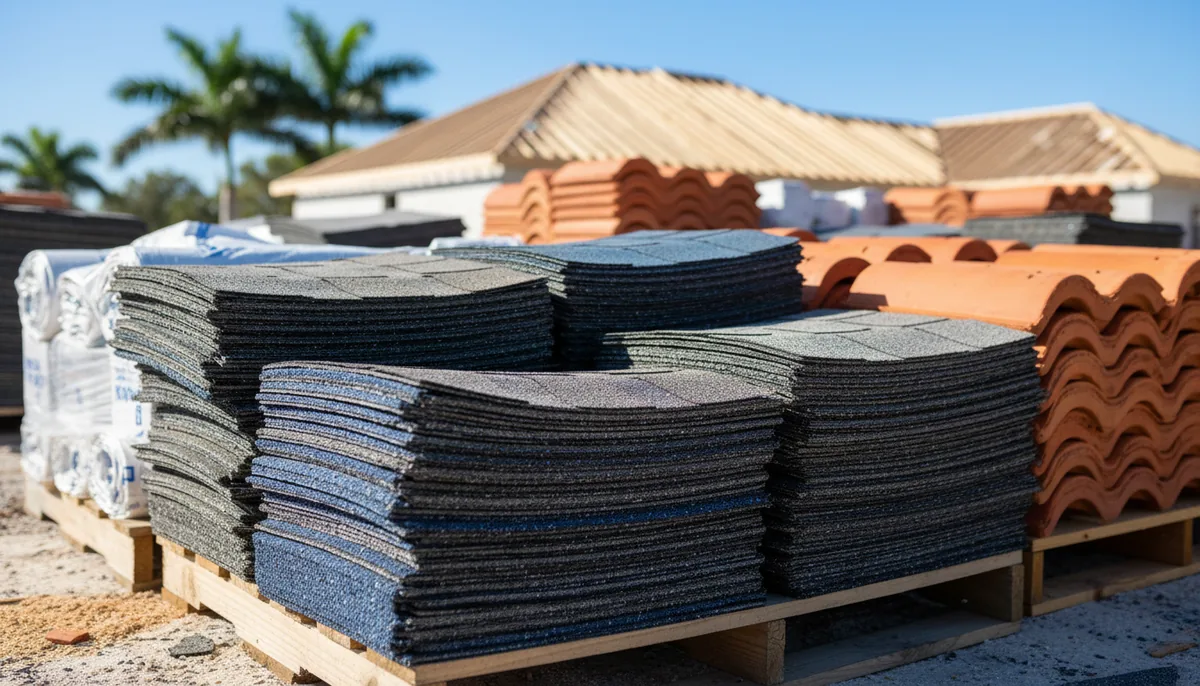
Sell a roofing business in Florida: A Working Contractor's Take
By Marcy Doleman, Commercial roofing estimator. Reviewed by Hal Winstead, Editor, licensed roofing contractor.
Midafternoon on a TPO roof in Fort Myers, the building owner’s son told me the patch over an old skylight didn’t need a permit because “we caught it early.” The patch was clean, but the paperwork was missing, and if you’re building a business to sell a roofing business in Florida, that missing paper is exactly what a buyer will price against you. A potential buyer can open this roofing companies in Florida directory and scroll past you to a dozen contractors with cleaner files.
I estimate flat and low-slope commercial work across the state—TPO, modified bitumen, coatings—for warehouses, retail plazas, and schools. August in Florida is it's own argument for working at dawn, but the heat is not what keeps me up. Missing paperwork is. I’ve bid re-covers in Jacksonville, school roofs in Broward, and enough fast-food plaza roofs to know that a nice membrane can hide an ugly history.
I’m not a lawyer or a licensed adjuster. Read this the way you’d read a warning from someone who prices risk for a living: with a flashlight and some skepticism.
Before you sell a roofing business in Florida, find the permit file
Most buyers don’t start with your trucks. They start with the DBPR roll and a list of addresses you’ve worked. The state’s roofing licences come with prefixes that mean different things. DBPR licence prefixes CCC and RC are the two to know. A CCC is a certified roofing contractor and can work anywhere in Florida. An RC is a registered roofing contractor and can only work in the jurisdiction that licensed them.
And RF is not roofing. RF is a registered plumbing contractor. I of seen an RF number described as a roofing licence, and I have to beleive most of the time it is an honest mistake. It is still a red flag. If you are selling, make sure your buyers know the difference before they check the roll themselves.
What I would actually do: Pull your DBPR record and take a screenshot before you talk to anyone. Then pull your last ten permits and put them in one file. If you find a gap, find out why before a buyer does.
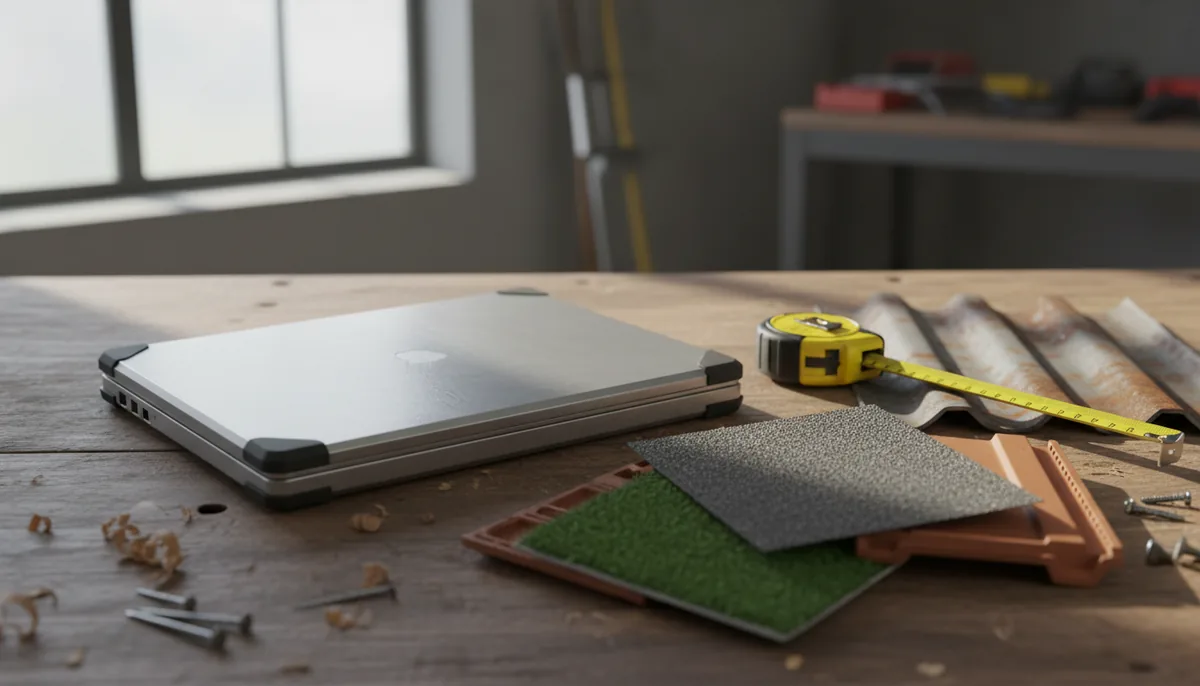
Roof permits are not paperwork; they’re a sales asset
In Florida, a roof replacement needs a permit from the local building department and an inspection. A contractor who offers to skip the permit? Walk away. An unpermitted roof can complicate an insurance claim and a future sale, and I say that from the field, not from a legal desk.
That Fort Myers patch drove the point home. It wasn’t leaking. It may have been the best patch on the roof. It still had no permit, no inspection, no record. If that roof gets sold twice—once as a building and once as a roofing company—the next owner is buying a mystery. Nobody pays full price for a mystery.
Permit history matters even more now because of the old 25% rule. For years, the rule said no more than 25% of a roof could be repaired or replaced in any 12-month period without bringing the whole roof up to current code. SB 4-D (2022), effective May 26, 2022, changed that. If a roof was built, repaired, or replaced to the 2007 Florida Building Code or any later edition, then only the portion being worked on must meet current code. A full replacement is no longer automatically triggered.
The 2007 code took effect on March 1, 2009. Roofs completed before that date generally don’t qualify for the more repair-friendly treatment. So when a buyer asks about your backlog, they’re not just asking how busy you are. They’re asking which code cycle each roof falls into. I have been wrong about this before. A permit date is not always the date the roof deck was actually installed.
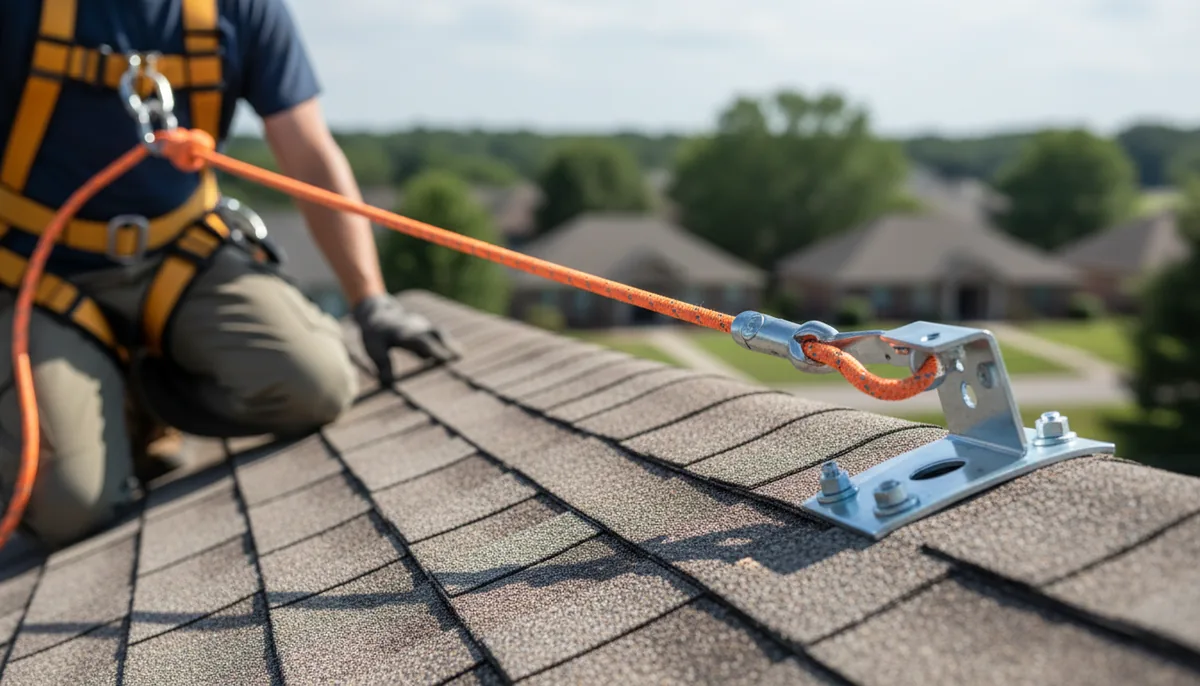
Insurance files, claims, and what I won’t guess about
A buyer will want to see your insurance history, and they will want to know how much of your work depends on insurance claims. I can’t tell anyone what a particular policy covers. Coverage varies by policy, and the only way to know is to read the declarations page. If you’re selling a roofing business, read your own policies the same way.
Some roofs get paid for by insurance carriers, and Citizens Property Insurance Corporation is a name that turns up on policies all over Florida. A buyer will ask how much of your backlog is maintainance and how much is claim-driven. That’s not a small question. Claim-driven work comes with a different paper trail.
What I would actually do: Read your own declarations pages before you list the business, and ask your agent what the policies do when ownership changes. I count only what is in writing.
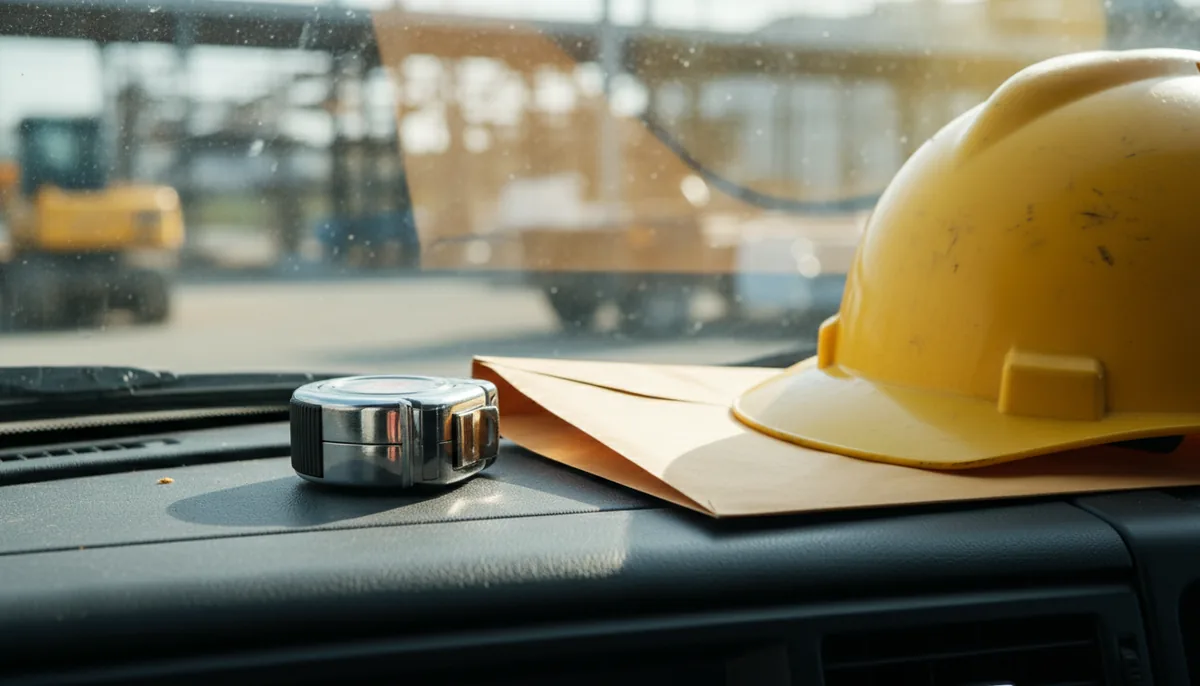
Why I keep job files like a buyer is reading them
Roofing is priced per square, and the number depends on pitch, access, and what is under the membrane. But after a few years, the physical roof means less to a buyer than the file behind it. I keep permit numbers, inspection resultes, dated photos, and a short note about the deck condition. A buyer can’t climb onto every roof you’ve ever coated. They can read your notes, though.
Every job file I trust has these in it:
- permit number and inspection status
- dated photos, not just finished photos
- a note on what we found when we opened the deck up
- a sign-off from the owner or manager
That’s not busywork. That’s your sale price.
What I would actually do: Keep a job file the way you’d want to receive one. When the last inspection passes, add the signed permit to the customer file and keep a copy for yourself. That file is the evidence when a buyer asks why your jobs are worth full price.
Questions I get asked
How long does it take to sell a roofing business in Florida?
It depends entirely on what is under the paperwork, and I won’t give you averages because I don’t keep them. A clean CCC number with organized permits can move faster than most owners expect. An RC number, gaps in records, or open permits? That stretches the timeline out.
Can I sell if I only have an RC licence?
Yes, but you’re selling a locally registered business, not a statewide one. An RC prefix means you’re registered to work in the local jurisdiction that licensed you, while a CCC prefix means certified work anywhere in Florida. A buyer whose plans don’t match the limits on your licence will simply lower the offer.
What does a buyer mean when they ask if a roof is “permitted”?
They mean you have a permit number and an inspection result from the local building department. Not a verbal “I think it passed.” Not a photo of the roof. A permit number and a signature.
If I can’t find permits for an old roof, is the sale over?
No, but it gets priced in as a problem. You can sometimes make it right with the local building department, but an unpermitted roof can still complicate an insurance claim and a future sale. The buyer will want a discount for carrying that risk. I don’t blame them.
What changed with SB 4-D (2022)?
It made repairs less likely to force a full roof replacement. The old 25% rule is what used to trigger the entire roof being brought up to code after a repair crossed that threshold. Now, for roofs built, repaired, or replaced under the 2007 Florida Building Code or later, only the portion being worked on has to meet current code. If your records show which code cycle each roof was built under, you’ve got an easier conversation. If they don’t, you’re guessing along with the buyer.
Why not just sell the trucks and the customer list?
You can, but you’ll be selling the part of the business that’s easiest to replace. Trucks age. Customer lists go stale. A history of clean, permitted, inspected work is the thing a buyer can’t go out and buy on short notice. That’s what you’re really selling.