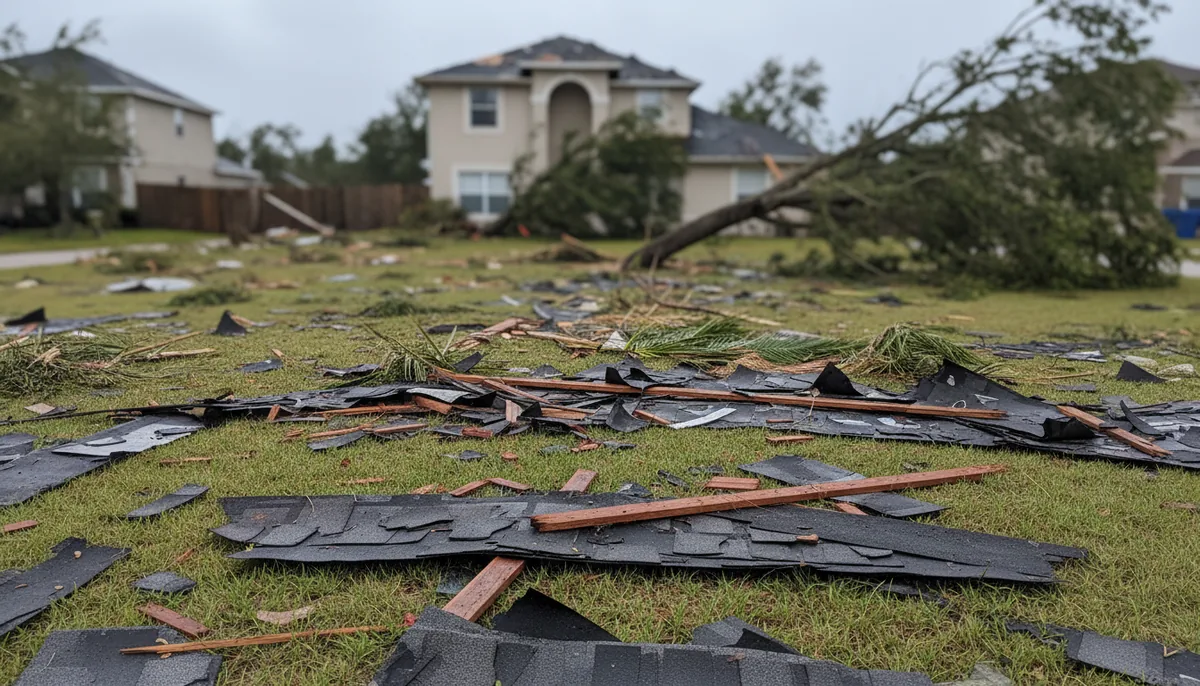
Storm damage roof replacement Florida — How Bad Is It, Really?
By Dale Prescott, Roofing contractor, Central Florida. Reviewed by Hal Winstead, Editor, licensed roofing contractor. That afternoon in Deltona is still burned into my memory. We were stripping a three-tab roof off a rancher a week after a squall line ran through, and the homeowner kept telling us it was just a few missing shingles. I pulled a corner of the underlayment near the chimney and a sheet of water that had been sitting there for days poured out over my boots. That roof was gone. Not because of the wind, but because the water had been getting in since the storm and soaking the decking and the trusses underneath. The homeowner had already signed off on a repair-only claim with his carrier. I had to tell him he was looking at a whole different job, and a much more expensive conversation.
I of torn off more storm-damaged roofs than I care to count. What I keep telling people is that a storm damage roof replacement in Florida isn't some simple yes-or-no question, no matter what a door-knocker with a clipboard tells you. It depends on what is under there, and it depends on the law, and it depends on your own policy. I am not a lawyer or an adjuster, so I will not pretend to give you either of those. But I have been standing on these roofs for twenty-two years, and I can tell you exactly what I have seen mess up a claim. If you are trying to figure out where to start, looking up a big list does help when you are on the phone all day, so have a look at the storm damage roofing companies in Florida directory if you want names in front of you—but remember the contractor is only half the story. The other half is the code and the insurance company.
The “25% rule” that everyone quotes
You have heard the old one, right? That if more than a quarter of your roof is damaged, you have to re-roof the whole thing. For years, that was the law in practice, coming straight out of the Florida Building Code. And then SB 4-D (2022) came through and messed with the clean math. Beleive me, I had customers who had memorized the old rule, and they looked at me like I was speaking Greek when I explained it changed.
Here is the deal now. If your roof was built, repaired, or replaced under the 2007 Florida Building Code (which took effect in March 2009) or any later code, then only the part of the roof you are actively fixing has to meet the current code. That means a full tear-off is not automatically triggered just because you cross a magic percentage number of damaged area. But listen to me: if your roof is older than that, or if it was built to a code from before 2007, you are likely looking at that old 25% trigger again. So when a guy tells you, “We only have to replace half,” ask him what code cycle your roof was built under. He may not know.
What actually counts as damage
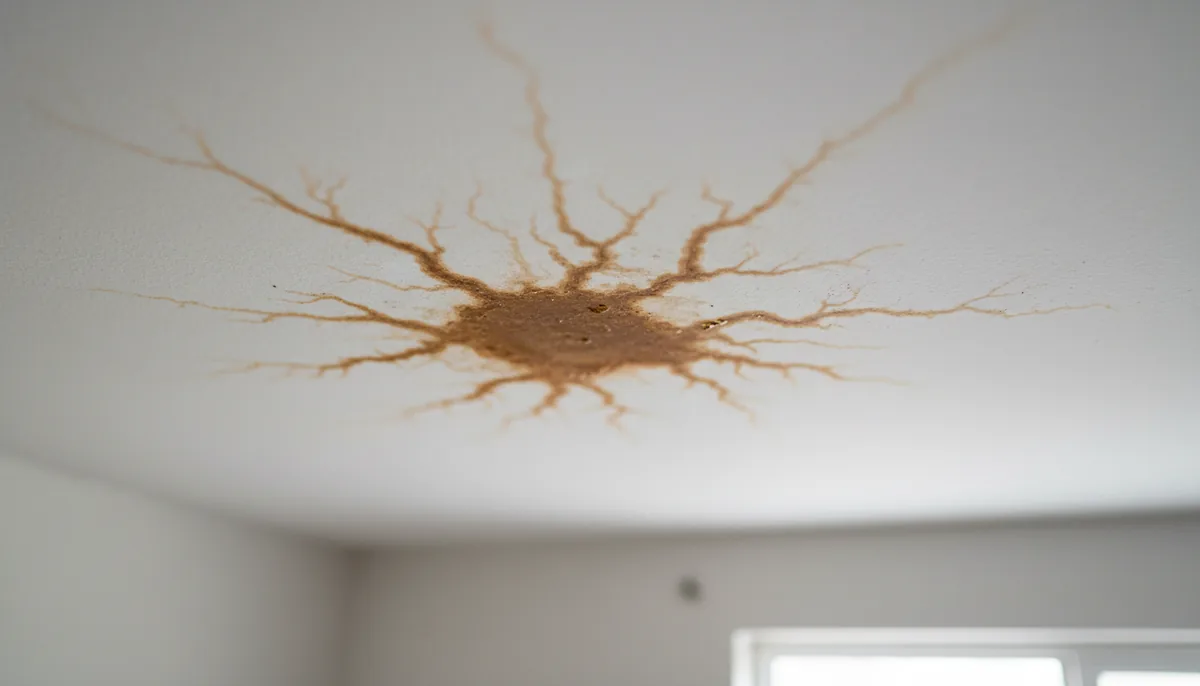
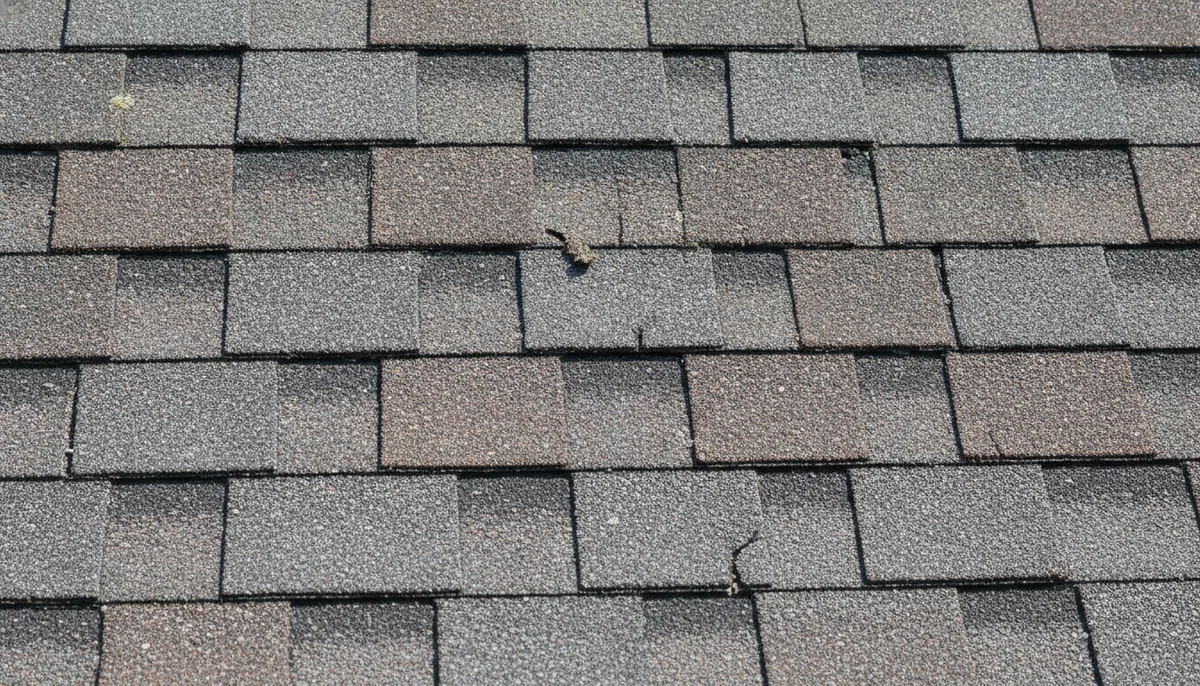
A lot of what people think is storm damage is not, and alot of what they think is cosmetic is the real problem. I get called out to look at a roof where somebody “knows” they have hail damage because the neighbor got a new roof. Florida hail is usually small, and I have been wrong about this before, but most of what I see here is wind. Wind lifts the shingles, and the next rain drives water up under them. That is the real enemy. I have seen a whole roof that looked perfectly fine from the street, but when I got a pry bar under the seams, there was nothing left holding them down but a memory. Granule loss is also a big clue—if the gutters look like a sandbox, your shingles are shedding.
But a roofer cannot make the call that something is a covered loss. We can tell you what is wrong, but the insurer decides what they will pay for. I hate that as much as you do. One thing I will tell you to do, before you file anything, is read your declarations page. Not the little summary, the actual page. Coverage varies by policy, and what my neighbor’s policy did may have nothing to do with what yours does.
The permit is not the bad guy
Here is a gripe I have earned. Every single time I pull a permit for a full replacement, the homeowner acts surprised. They think because it is an insurance job, the permit comes along for free or is not part of the proccess. No. A roof replacement in Florida requires a permit from your local building department, and they will inspect it. End of story. If a contractor offers to “skip the permit to save you time,” you do two things: you show him the door, and you thank the stars you found out before he started. An unpermitted roof can get your insurance claim tangled in knots, and when you go to sell the house, the buyer’s inspector will catch it. Then you are paying for the permit, the fines, and possibly the whole roof, twice over.
On that same note, check the license. A Florida roofing contractor is licensed by the DBPR. If the number starts with CCC, that is a certified roofing contractor who can work anywhere in the state. If it starts with RC, that is a registered contractor who can only work in the local jurisdiction where they were licensed. Verify the number is active. I only know this because I have to keep my own license active, and—this is the truth—I have had to fix roofs that were installed by guys who were not licensed to do the job at all. The directory has verified folks, but you can also check the DBPR roll yourself. It takes two minutes.
What I would actually do: Before you pay your deductible, walk your property and take pictures of every water stain, every pile of granules, every lifted shingle, and the date-stamped damage. Then read your policy’s coverage section once, slowly, with a highlighter. Know what you are claiming before you claim it.
That one-year clock is real
I want to tell you a story that makes me angry. I had a customer in New Smyrna Beach, hurricane came through, she had a few leaks. She called the adjuster, they paid for a patch, everyone moved on. Eighteen months later, she was in my office because the patch failed and the whole side of the roof was rotten. The damage was always there, but it wasn't visible until the patch gave way. When she tried to file a supplemental claim, the insurance company said no.
Under Florida Statute 627.70132, you have a pretty tight window. You have to give notice of an initial claim within ONE YEAR of the date of the loss, not from when you discover it. And for a supplemental claim, you have 18 months from that same date of loss. The clock does not care that you didn't know. Missing that deadline gives the insurer a complete defense. That one is a real problem, because storm damage in Florida is not always obvious. It can sit in the decking, soaking, waiting.
What I would actually do: Set a calendar reminder for one year from the date of any storm. Not from the day you file, but the day the storm happened. Because the moment a leak shows up later, you need to know exactly where you are on that timeline.
The insurance game changes the pricing
A lot of contracts on jobs after a storm come down to what the adjuster wrote vs. What the roof actually needs. The insurance company may write an estimate for a repair, but once the roofer opens it up, the decking is rotten. That is where the hard conversations begin. Your policy might have an exclusion for wear and tear, and time is what wears a roof out. The insurer will look at a 15-year-old roof and try to figure out what portion of loss is due to the storm and what is due to age. That is the law of the policy, not the contractor.
What I can tell you is the mechanism. The price of a replacement is usually figured per square—that is a 10-foot by 10-foot area—but your cost depends on pitch and access. A steep roof on a two-story over a pool with no room for a dumpster costs more than the same house on a single-story slab. Nobody can give you a real number over the phone without looking at it. Anyone who does is just guessing to get in the door.
Questions I get asked
How do I know if it is really a total loss?
You don’t, on your own. You can look for the obvious signs: curled shingle edges, exposed fastener heads, and tar paper that feels like tissue paper. But the insurance company is the one who decides what they owe for, and the roofer is the one who tells you what needs replacing to make it shed water. If your roof has multiple layers, or the decking is saturated, that often pushes it toward a full replacement even if the percentage of broken shingles looks small.
Should I wait to file a claim if the leak is only minor?
No. That is a trap. Remember the one-year deadline is measured from the date of the damage, not from when the water finally shows up on your ceiling. If a storm came through on September 1 and you see a stain on October 1 of the following year, you are already too late to file an initial claim. Report it, and let the insurance company tell you no. Do not do it for them.
What does “matching” mean for my tile roof?
If you have a discontinued tile, the insurance may owe for the portion that is damaged, and you are stuck paying to soundproof or blend the new tile to the old. That is not a roofer’s rule, that is a policy language question. You need to read exactly what your policy says about matching. I cannot tell you what your specific policy covers because they are all different, and I am not an adjuster.
Is Citizens different from a private insurance company?
Citizens Property Insurance Corporation is the state-backed insurer of last resort. They play by the same rules of the statute, and they use inspectors. You have to go through the same claims process, and you have the same deadline. And if there is a dispute, you have the same right to appeal. I will just say this: do not assume a state-backed company makes an exception for a late claim. They do not.
Can I get government money to help with a new roof?
There are programs like My Safe Florida Home, but they are not a blank check for a storm replacement. That program is more about retrofitting and strengthening, not just swapping out a damaged roof. Do not call me for help filling out the form. There is a specific form OIR-B1-1802 that some insurers require for certain claims, but do not trust a roofer to handle it. Your adjuster or agent will tell you if it applies to you. I am not a lawyer, so I frame it as a document that exists.
Why is my neighbor getting a new roof and I am not?
That is the one question that can make me mad. Either his roof was in worse shape than yours, his policy has different terms, or his contractor is better at documenting damage to the decking. Show me two identical houses and I can show you two different insurance outcomes because of the coverage they bought. It is not usually a conspiracy. It is usually paperwork.
Permits, policy language, and that calendar are the boring parts of roofing. I get it. You want to talk about shingle colors. I understand. But the storm damage roof replacement Florida requires is a business transaction before it is a construction project. Get the roof right, but pay attention to the paperwork first. It is what separates a smooth job from one that drags on for two years. If you get the documentation right, the roof is the easy part—I have been doing that part for twenty-two years.