What kind of roof is best in Florida
By Bud Kettering, Roof consultant and inspector. Reviewed by Hal Winstead, Editor, licensed roofing contractor. I spent last Tuesday afternoon in a walk-in attic in Cape Coral, and I’m still picking fiberglass out of my forearms. The homeowner had called me because his insurer flagged the roof during a renewal inspection. I crawled up there with a torch and a moisture meter, same as always, and found the problem fast: the roof deck was stained black along every single rafter bay, but the nail heads were bright and clean. That meant the shingles were venting hot air upward and condensation was kissing the underside of the deck every single night. The roof was only six years old. It had never leaked a drop. And it was rotting from the inside out because the attic wasn’t breathing. I see this all the time down here. That is what “best” actually looks like in Florida: a system, not a product.
The first thing I tell any buyer, seller, or nervous homeowner is that the best roof is the one that gets installed right, permitted right, and inspected right. You can buy the most expensive tile or standing-seam metal on the market, and a lazy crew with a nail gun can ruin it before lunch. That’s why I always tell people to start their search by verifying the contractor against the state roll and then checking local references, not by shopping prices. If you’re hunting for someone to do the work, a place like roofing companies in Florida is a fine starting point because they're tied to the DBPR data, but you still need to do your own homework. Florida roofing contractors are licensed by the Department of Business and Professional Regulation, and that number on the side of the truck is meaningless unless it’s active. A certified contractor carries a CCC prefix and can work anywhere in the state. A registered contractor has an RC prefix and is stuck working in the county or jurisdiction that licensed them. Don’t take their word for it. Look it up yourself.
You also need to understand how much of this is about the insurance market, which has re-shaped how we all think about roofs since the legislative changes around SB 4-D (2022). That law rewrote the rules on assignment of benefits and it changed how roofs are valued on claims. But for my money, the bigger day-to-day deal is Florida Statute 627.70132, which creates a roadblock for insurers trying to drop you just because your roof is old. It basically says an insurer can’t deny a claim solely on age if the roof is in good shape and has a reasonable remaining life. The trouble is proving that. Which brings us to the inspection form. A wind mitigation inspection documents six distinct things: the roof covering, the roof deck attachment, the roof-to-wall connection, the roof geometry, secondary water resistance, and opening protection. The standard form is OIR-B1-1802. Florida insurers are required to offer premium discounts for features that score well on that form. I’ve seen the annual discount dwarf the inspection fee more times than I can count, but I’ve also seen inspectors blow it by missing a single cable tie in a crawlspace.
What kind of roof is best in Florida? My short answer
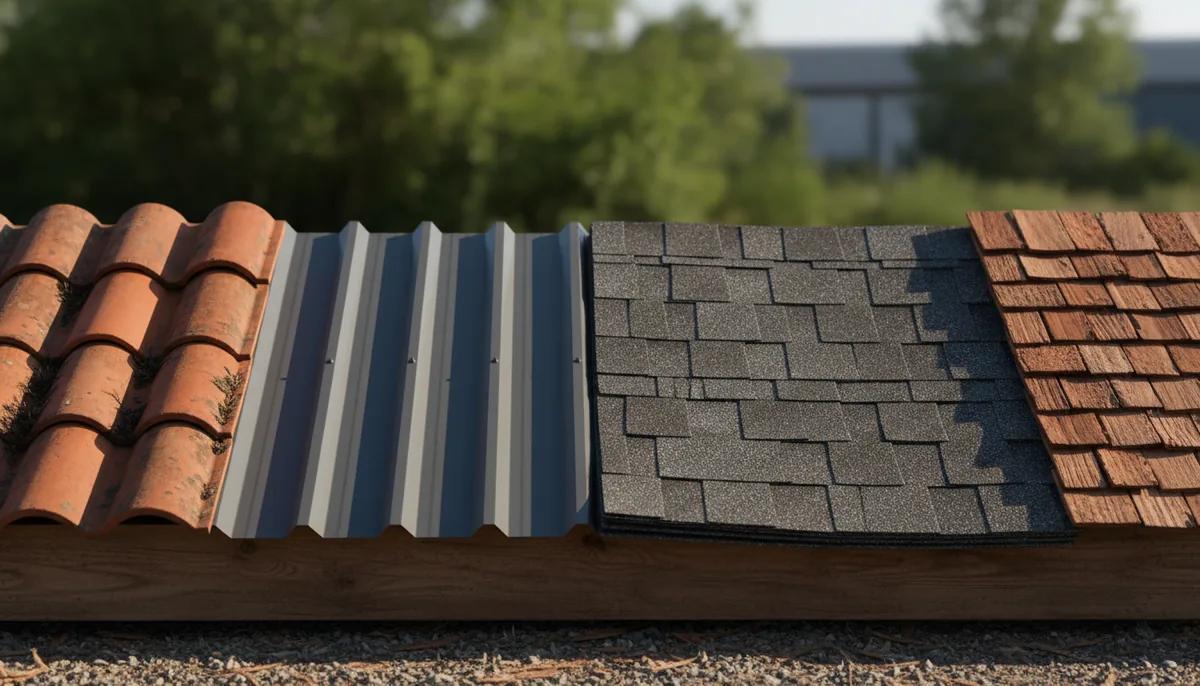
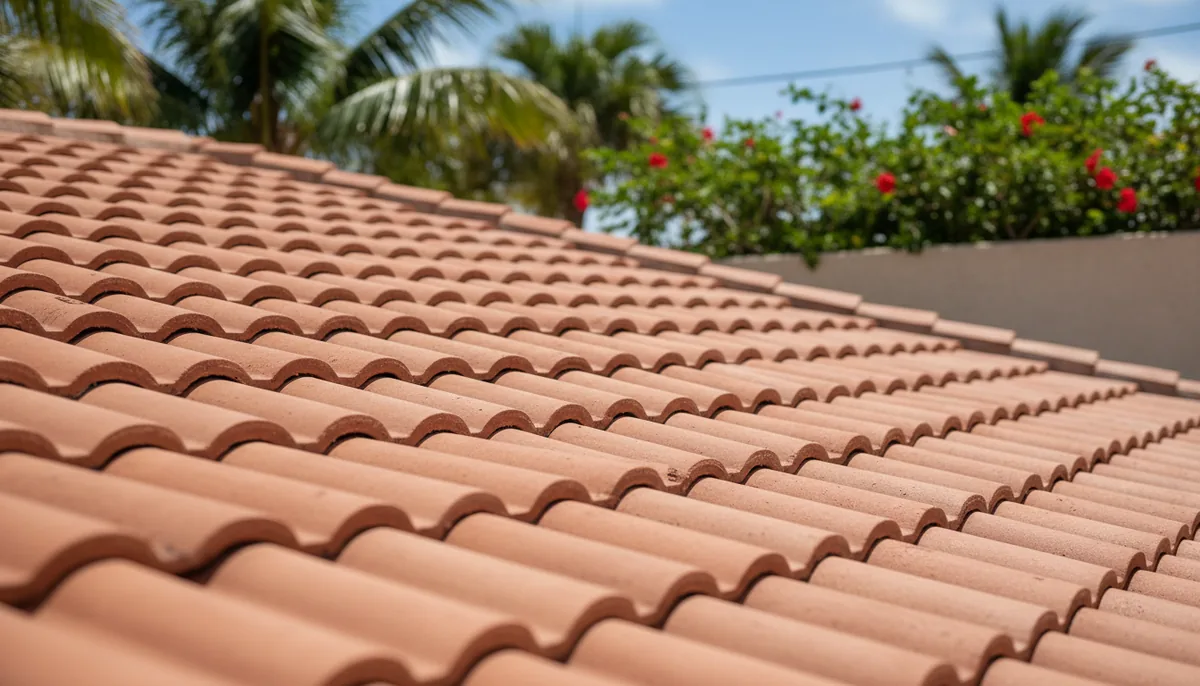
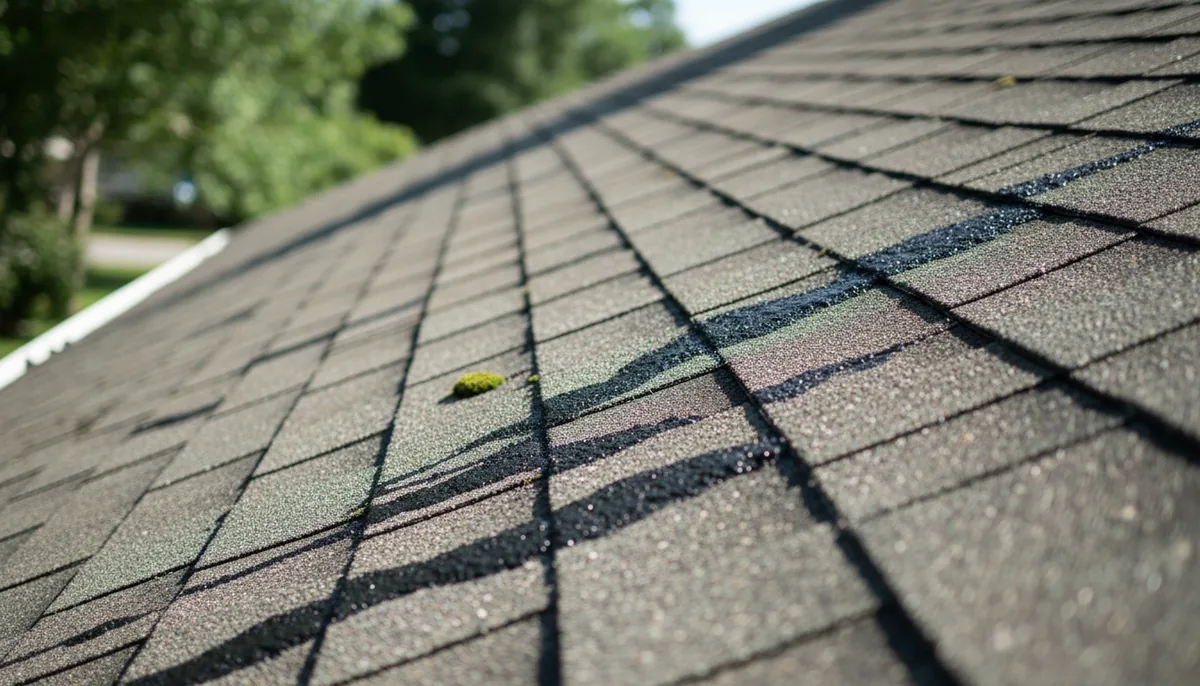
The honest answer is: it depends what is under the roof covering, what your budget allows, and wether you plan to ride out a hurricane in the house or evacuate and let the place fend for itself. But you want names, so here’s my rough breakdown. Asphalt shingles are the cheapest way to get a legal, insurable roof, and modern architectural shingles handle wind far better than the old three-tabs did. But they have the shortest lifespan in this climate, call it 20 years if you’re lucky and the attic is ventilated properly. Tile is gorgeous and heavy, and when it’s installed with foam adhesive rather than just mechanical fasteners, it is a beast against wind. The problem is the weight. Not every roof frame was built to hold concrete or clay tile, and that’s a structural question you cannot guess at. Metal is the one I hear people ask about constantly. Standing seam metal with concealed fasteners is arguably the most durable roof covering you can buy for a Florida home, because the fasteners aren’t exposed to the sun and the panels contract and expand without tearing out screws. But metal is expensive and it can dent, and if the crew uses exposed fasteners on a cheap metal roof, you’re just paying extra for a different set of headaches.
So why isn’t metal always the winner?
Cost, mostly, but also the fact that a metal roof is only as good as it's flashings and its attachment. I have been wrong about this before, so listen close. I’ve seen a beautifull standing-seam roof fail at the gable end because the crew nailed the trim in straight through the panel, which completely defeated the whole purpose of the system. I’ve also seen a cheap shingle roof sail through a storm intact because the deck was nailed off properly and the roof-to-wall connection was tied the way it should be. The roof covering matters. It always matters. But the deck attachment and the roof-to-wall connection matter just as much. And here is where I get to gripe: too many homeowners deck out their kitchens and then cheap out on the only thing standing between their TV and the sky. I get it, roofs aren’t a fun way to spend money. But I’ve stood in too many living rooms with a wet carpet and a hole in the ceiling where somebody’s ceiling fan used to be. The cheapest roof in Florida is the one you never have to replace twice.
The real question: what can your deck handle?
Before you fall in love with a product, you need to know what’s holding it up. If you have a truss roof built in the 1980s, it probably wasn’t designed for concrete tile. If you have an older roof with 1x6 plank decking, alot of modern roofing systems require solid plywood or OSB for the warranty to mean anything. And if you have a hip roof versus a gable roof, that changes the wind dynamics entirely. A hip roof is naturally more aerodynamic because the wind doesn’t have a flat gable end to push against like a sail. That geometry is part of the wind mitigation inspection, and it’s part of why I tell people not to obsess over the outer layer until they understand the structure underneath it. Dade County has been the test lab for this stuff for years. The codes there are stricter than the rest of the state, and for good reason. If a roofing system can survive a Hurricane Andrew recreation test, it can probably survive a typical Florida thunderstorm, give or take some flying debris.
If you’re replacing after a claim or a storm, slow down
This is where I see people make the biggest mistake. Your adjuster comes out, writes an estimate, and suddenly a storm-chaser crew from out of state is knocking on your door offering to cover your deductible. Walk away. I’m not a lawyer or a licensed adjuster, so I’m not giving you legal advice here, but I will tell you what I see from the inspection side. A roof replacement in Florida requires a permit pulled from the local building department, and it requires an inspection. Not an option, a requirement. A contractor who offers to skip the permit is a contractor to walk away from. An unpermitted roof can complicate both an insurance claim and a future sale, and it can leave you holding the bag when the city figures it out. I’ve inspected roofs where the homeowner proudly told me they “saved” a thousand bucks by letting the crew work off the books. They didn’t save anything. They bought a liability.
What I would actually do: Before I signed anything, I’d pull the contractor’s license number off the state roll and check that it matches the name on the contract. Then I’d call the local building department and ask if the permit history on the house shows a recent roof replacement. If there’s no permit, the roof covering is basically unproven in my book.
Let’s talk about the insurance inspection for a second, because I know half of you are reading this because your carrier sent you a nasty letter. A wind mitigation inspection is not a pass-fail test. It’s a scoring sheet. You get credits for different features, and the credits add up to a discount that varies by insurer. I have seen homeowners with a 15-year-old roof get a better insurance outcome than a neighbor with a brand new roof, because the older house had a hip roof, a secondary water barrier, and impact-rated windows. The new roof had none of that. That seems backwards to people, but the insurer is pricing the risk of a claim, not the age of the shingle. The form OIR-B1-1802 is the standard, and the inspection typically costs less than the annual discount it can open up in the first year. If you’re near the end of your roof’s life, it might not help, but if your roof has a few years left, it’s absurd not to get one.
What I’d put on my own house
If money were no object, I’d put a standing seam metal roof with a raised seam on my own home, and I’d make sure the crew installed a self-adhered modified bitumen underlayment underneath it for secondary water resistance. I’d do that because the roof deck is the part you can’t see, and the underlayment is the backup plan when the main covering fails. But money is always an object for most people, so I’d probably end up with architectural shingles, a sealed deck, and a crew that took the time to hand-nail the field of the shingle instead of relying on a nail gun that can over-drive every single fastening. And I’d vent that attic like it was my job, because it basically is. I have been in a thousand Florida attics. The ones that look like a sauna are the ones that fail early. The heat has to go somewhere, and if it doesn’t go out through the ridge vent or the gable louvers, it cooks your roof deck and your shingles from the inside.
What I would actually do: I’d check the Citizens Property Insurance Corporation website for their current wind mitigation guidance before I bought anything. They publish plain-language information about what features matter, and since they’re the insurer of last resort, their standards tend to influence what the private market does anyway.
The part nobody talks about: age and the insurance market
You might have heard that your insurance company is “forcing” you to replace a roof that isn’t leaking. Sometimes that’s true, and sometimes it’s just a new inspection proccess catching up to old roofs. Coverage varies by policy, so I can’t tell you what your specific policy says. What I can tell you is that you should read your declarations page like it’s a contract, because it is. If you have actual cash value coverage on an older roof, a claim after a storm will pay you the depreciated value, not the cost of a new roof. If you have replacement cost coverage, the math works differently. Don’t ask a roof inspector to explain your policy. Ask your agent to walk you through it line by line. And if you’re in a position where you need help paying for hardening improvements, look into the My Safe Florida Home program. It’s a state-run initiative that provides matching grants for hurricane mitigation work, including roof replacements if you qualify. The funding goes in cycles, so check the current status rather than assuming it’s open.
Questions I get asked
Is metal worth the extra money in Florida?
Yes, if you plan to stay in the house for twenty years and you want the lowest long-term maintenance of any roof covering. No, if you’re flipping the house in two years, because you won’t recoup the full premium at resale. Structurally, standing seam metal is excellent against wind, but the cheaper exposed-fastener metal panels are a different animal and I don’t recommend them.
Do I need a wind mitigation inspection if my roof is new?
That is exactly when you need one. The easiest time to document valuable features is the day the roof is installed, while the permits are fresh and the underlayment is visible. You can’t see the secondary water barrier once the shingles are on, so if you don’t get the inspection during the build, the inspector has to rely on the paperwork or trust the word of the contractor.
Will a new roof always lower my insurance bill?
Not automatically. The new roof removes the age penalty, but the discount depends on the whole wind mitigation score, which includes your roof-to-wall connection, your roof geometry, and your opening protection. I’ve seen new roofs on gabled houses with outdated windows get a smaller discount than older hip roofs with impact glass. Get the form OIR-B1-1802 from a certified inspector before you assume anything.
Can I just replace one layer of shingles?
In some cases, yes, but in Florida, you rarely want to. Building codes adopted after major storms often require you to strip down to the deck when you re-roof, and many insurers and manufacturers want that too. Laying new shingles over old ones hides the condition of the wood underneath, and in a state that gets 150 mph wind gusts, I’d rather see the deck than take a roofer’s word for it.
What is the biggest mistake you see on re-roofs?
Lousy attic ventilation, hands down. A crew can install a beautiful roof and then the homeowner or the insulation guy blocks every soffit vent with blown fiberglass. That traps heat and moisture, and the roof cooks itself. It isn’t the shingles or the metal that rots. It’s the wood that suffocates. Get up in your attic after the job is done and check that the vents are clear. It takes ten minutes and it will save you a fortune.
Should I use a certified or registered roofing contractor?
That depends on where you live. A certified contractor with a CCC prefix can work anywhere in the state and has met statewide licensing requirements. A registered contractor with an RC prefix is limited to the local jurisdiction that licensed them. If you live in a small town, your local registered contractor might be excellent and well within their rights to work there. The requirement is simply for you to verify that they are actually licensed for your specific location before you hire them.