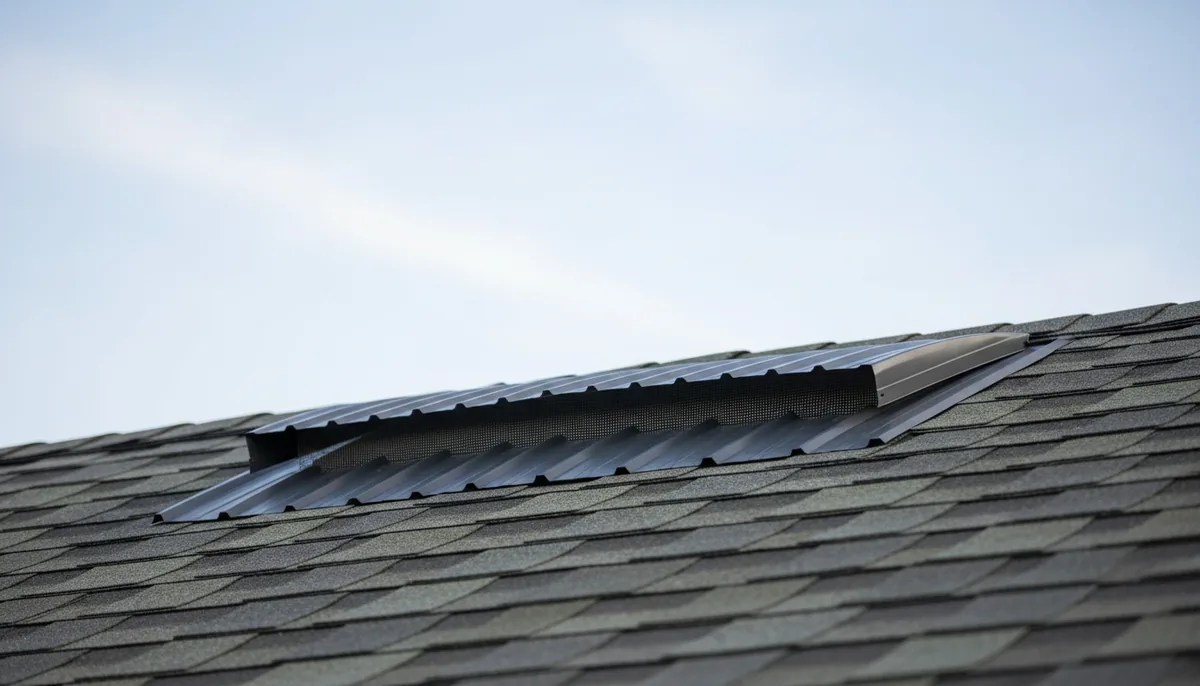
Florida roof repair: The Florida Guide
By Marcy Doleman, Commercial roofing estimator. Reviewed by Hal Winstead, Editor, licensed roofing contractor.
Last August I spent an afternoon on a TPO roof over a school in Naples, Florida, chasing a leak that had already dripped through a whole row of ceiling tiles in a kindergarten room. The roof was nine years old, which sounded fine until you looked at the seams—a row of them was open like a bad zipper, and someone had gone up there before me with white tape. That tape was already curling. That’s not repair. That’s a promise you’ll be back on the roof next month. If you’re trying to find roof repair companies in Florida, that difference is what you’re actually shopping for.
I’m Marcy Doleman. I estimate flat and low-slope commercial work—TPO, modified bitumen, coatings—for warehouses, retail plazas, and schools across the state. I’m not a lawyer, and I’m not an adjuster. I’m the person who walks the roof and tells you what a repair can and can’t do.
Florida roof repair starts with the leak, not the estimate
People call and say they have a small leak over the copier. By the time I get there, there’s a bucket the size of a landscaping pot under it. Water lies. It runs along the top of a metal deck, crosses a purlin, and drops out three feet from the actual opening. It will find the lowest spot on the ceiling, not the highest spot on the roof. So I don’t price a Florida roof repair from a photograph or a satellite view. I walk the whole roof and look for ponding, bad flashings, open seams, exposed fasteners, and anything that doesn’t belong.
One owner down in Fort Myers once asked if we could just coat the stained ceiling from the inside and put the roof off until the next budget year. In this climate, that’s how you buy a mold problem and still pay for the roof anyway. We patched the roof seam. Ceilings stay dry.
What I would actually do: Walk the roof with the estimator and ask them to point to the likely entry point. If their answer is a whole section of roof, get a second opinion before you authorize anything.
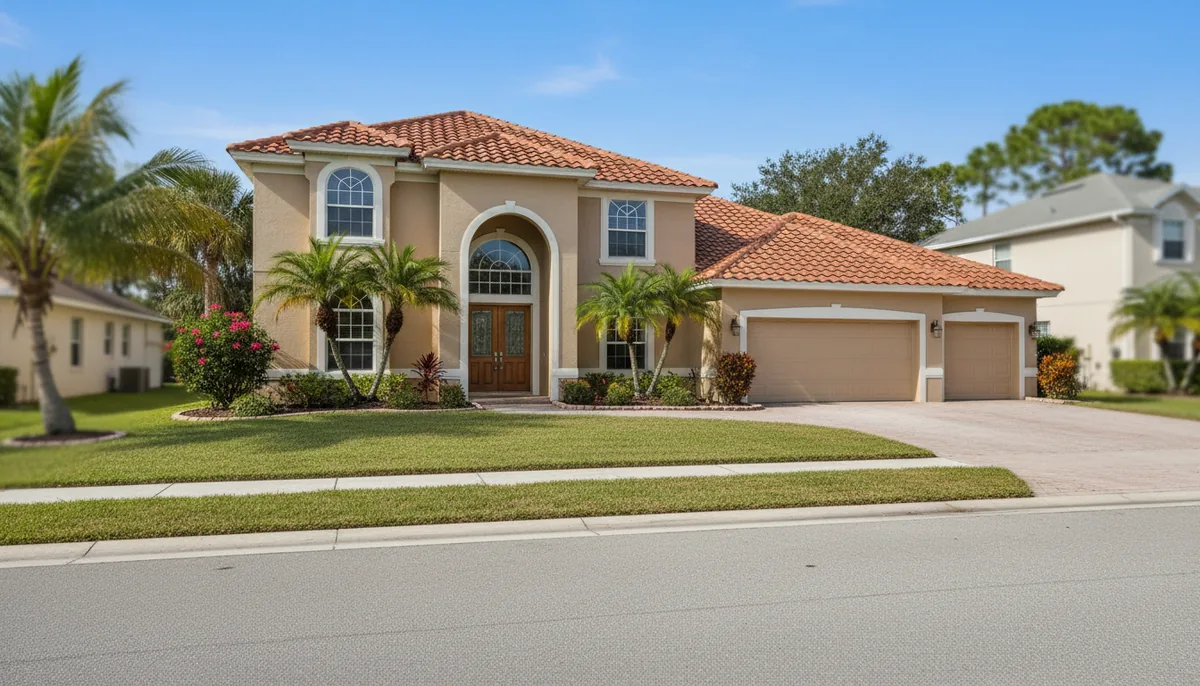
Before anyone climbs, check the DBPR licence prefixes CCC and RC
Florida roofing contractors are licensed by the Department of Business and Professional Regulation. I tell every facility manager the same thing: check the DBPR licence prefixes CCC and RC. A certified contractor’s license starts with CCC and can work anywhere in Florida. A registered contractor’s license starts with RC and can only work in the local jurisdiction that licensed them.
That’s not a small distinction. I’ve shown up to buildings where the roofer had an RC number from a county three hours away. The work may have been fine. The license was wrong. Verify the number is active on the DBPR roll before you sign anything. Don’t just take the company’s word. The roll is public, it’s free, and it takes two minutes.
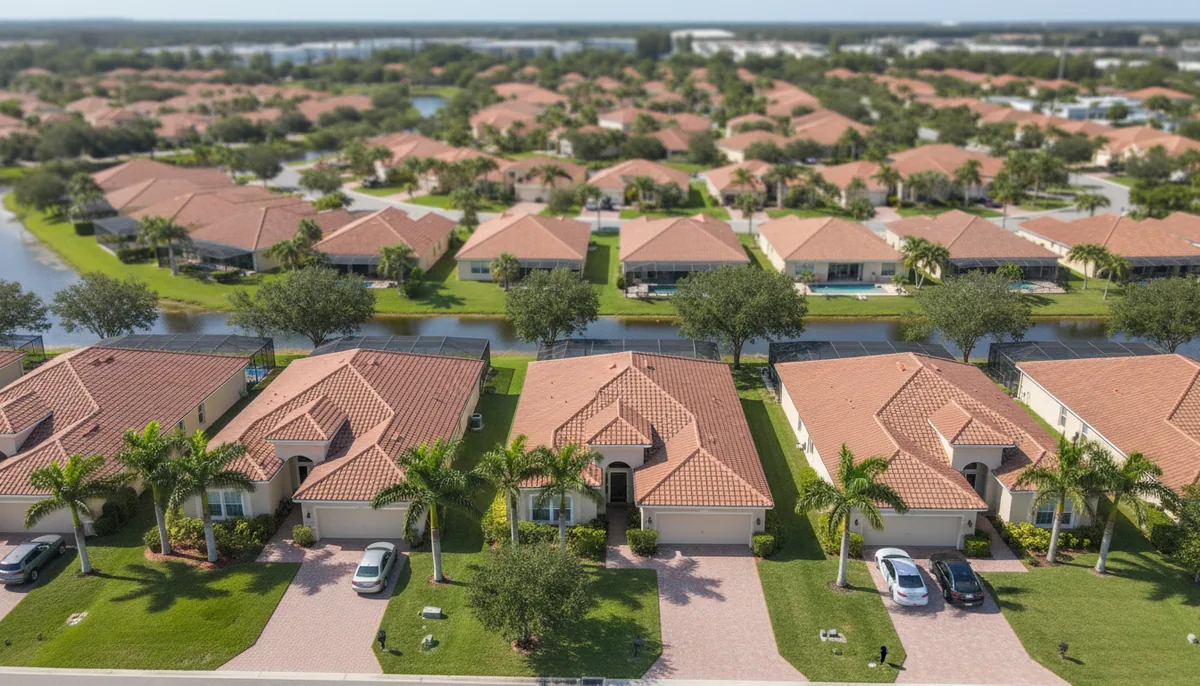
A permit is part of the job, not a reason to negotiate
A roof replacement in Florida requires a permit pulled from the local building department, plus an inspection. A contractor who offers to skip the permit is a contractor to walk away from. An unpermitted roof can complicate both an insurance claim and a future sale.
I know permits feel like overhead. They’re not. That inspection is somebody checking that the deck is sound, the flashings are right, and the roof won’t leave the building in a hurricane. On the commercial side, any replacement I price includes the permit fee as it's own line. If that line is missing, ask why. If the answer sounds like “the inspector is too busy,” that’s your cue to leave.
What I would actually do: Ask for the permit to be listed as a seperate line item and put the inspection on the project schedule. If a contractor tells you that you don’t need one, that’s your exit cue.
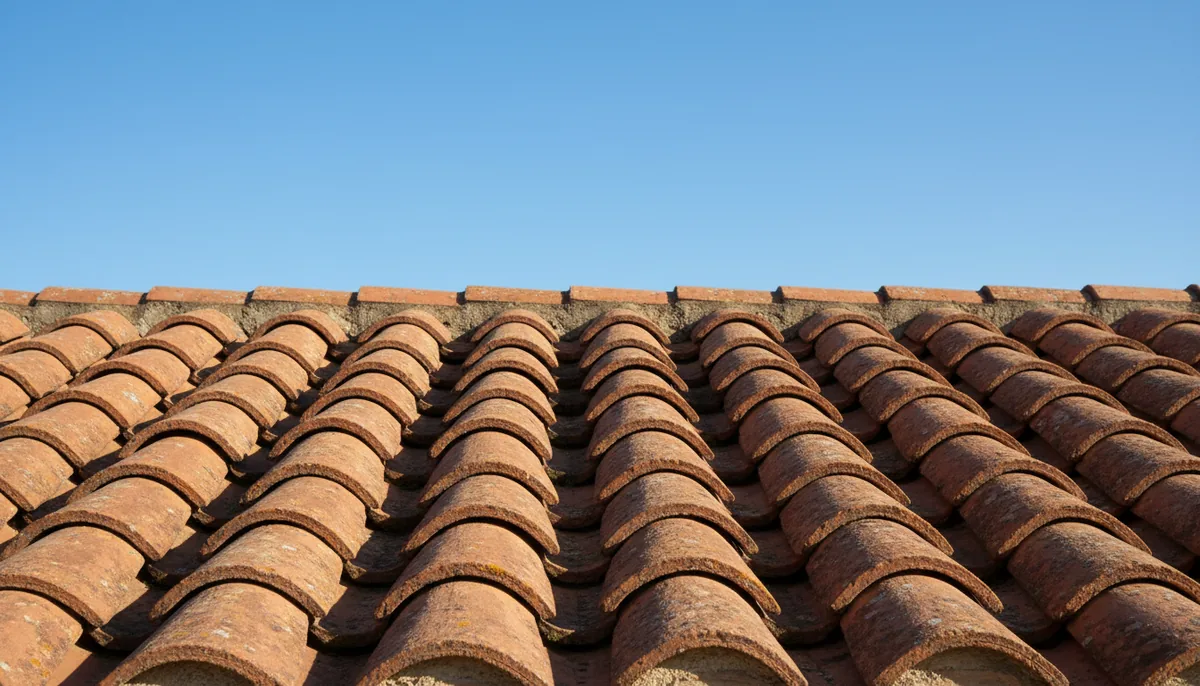
The 25% rule changed in 2022, but the old rule still spooks people
I can’t count how many building owners tell me they were quoted a whole new roof because of the 25% rule. The old rule came from the Florida Building Code: you could not repair or replace more than 25% of a roof in a 12-month period without bringing the whole roof up to current code. That rule caught alot of people by surprise.
Then SB 4-D (2022) changed it. If the roof was built, repaired, or replaced to the 2007 Florida Building Code or any later edition, then only the portion being worked on has to meet current code. A full replacement is no longer automatically triggered just because a repair crosses some percentage line.
Here’s the catch: the 2007 code took effect on March 1, 2009. Roofs completed before that date generally do not qualify. That’s why I always ask about permit history before I quote anything. The question is not “How old does the roof feel?” It’s “What code edition was this roof built or repaired under, and when?”
What I would actually do: Pull the roof’s permit history before you let anyone quote a full replacement. If the roof was built, repaired, or replaced under the 2007 Florida Building Code or later, ask the contractor to show you why the whole roof has to come off instead of just the damaged section.
Wind mitigation inspections can do more than save a premium
Here’s the part a lot of people don’t think about until the insurance bill arrives. A wind mitigation inspection documents roof covering, roof deck attachment, roof-to-wall connection, roof geometry, secondary water resistance, and opening protection. Florida insurers must offer premium discounts for qualifying features. The standard form is OIR-B1-1802.
That inspection typically costs far less than the annual discount it can produce. It can also tell you things that matter for a repair. If we’re already opening up the roof deck, maybe we can upgrade a connection and make the whole building more creditworthy. Not always. Sometimes the age of the roof is what it is.
I don’t sell insurance, so I always point people to their own agent and their declarations page. You will hear that form mentioned alongside Citizens Property Insurance Corporation and My Safe Florida Home, but the programs shift. Read your policy. Ask direct questions. Don’t assume a repair qualifies for anything.
Repair now or replace? I have been wrong about this before
When a roof is leaking and the repair costs half as much as the replacement, it’s tempting to patch it and move on. Sometimes that’s right. A 12-year-old modified bitumen roof with one bad flashing can absolutely be repaired. A 19-year-old roof with wet insulation and blisters all over the field is not a repair. You’d be renting time.
Roof age matters, give or take a few years, but so does installation quality. A manufacturer warranty doesn’t mean much if the heat welds were never done right. I’ve seen ten-year-old roofs that should have lasted twenty-five. I’ve also seen old roofs that somebody nursed along with smart, small repairs long past their expected life. Depends what is under there.
I’m honest about this because I have been wrong about this before. I’ve called a roof a replacement candidate and watched a contractor save it with a well-planned repair. I’ve also watched a roof I thought had two good years left die in one bad storm. Roofing out here will do that to you.
What I would actually do: Ask a contractor to split the quote into repair zones and price each zone separately. That way, if the leak moves or turns out to be in a different spot, you aren’t paying for a vague change order.
Questions I get asked
Can a leaking commercial roof be repaired without replacing the whole roof?
Yes, if the roof deck and insulation are dry and the membrane still has enough life left. The hard part is finding out wether the insulation is wet, because you can’t see that from the surface. I usually recommend core samples or an infrared scan before choosing repair over replacement.
Should I use a certified or registered roofing contractor?
If your building is within the jurisdiction that issued the RC license, a registered contractor can be perfectly fine. If it’s outside that jurisdiction, no. A certified contractor with a CCC prefix can work anywhere in Florida. Either way, verify the license is active on the DBPR roll before any contract gets signed.
Does every roof repair require a permit?
Not every minor repair does, but a roof replacement definately does, and many significant repairs do. The local building department is the one that draws that line, not the contractor. If you’re unsure, call the building department yourself. It usually takes five minutes.
What should I do when water shows up at a ceiling tile?
Catch the water, take photos, and then treat it as a roof problem, not a ceiling problem. The stain is just where the water ended up. Get the roof inspected before the interior dries out and hides the evidence.
Can I ask for a warranty on just the repaired section?
You can, and you should. A contractor who is willing to warranty a defined repair area is giving you an honest scope. If they say it’s impossible without replacing the whole roof, ask them to explain why.