Average cost for a new roof in Florida
By Shelly Marchetti, Florida homeowner advocate. Reviewed by Hal Winstead, Editor, licensed roofing contractor. I spent last Thursday afternoon in Port Orange standing in a puddle that used to be a guest bedroom. The homeowner had gotten three quotes, signed the middle one, and watched the crew flash the chimney with regular caulk. Not roof cement. Not metal flashing. Caulk. By the time I showed up, the laminate floor was buckling and the contractor wasn't answering his phone. That's the part they don't put in the estimate.
You'd think after a decade of this I'd stop being surprised. I'm not. I still get called in after the check clears, not before, which is why I keep telling people to slow down and look at the paperwork. When you start looking for roof replacement companies in Florida, the numbers fly at you fast. But the average cost for a new roof in Florida is less a number and more a question of who you hire, what you sign, and whether they bothered to pull a permit.
The first thing I do when someone hands me a quote is check the licence number. Florida roofing contractors are regulated by the DBPR, and there's a big difference between the two kinds. A certified contractor has a number begining with CCC and can work anywhere in the state. A registered contractor's number begins with RC and they're stuck working only in the local jurisdiction that licensed them. Both are legal, but I've seen homeowners assume the RC guy from the next county over could legally work on their house. He can't. And if the number isn't active, walk away.
The average is a range, and the range is a mess
I can't give you a flat dollar figure for the average cost for a new roof in florida because anyone who does is lying or guessing. The price moves with the size of your home, the pitch of the roof, how many layers are underneath, and whether the decking has rotted. I've bid jobs in Jacksonville that came in completely different from the same square footage in Naples, and that's before you factor in whether the crew has to haul shingles up a steep third-story or can stand flat on a ranch.
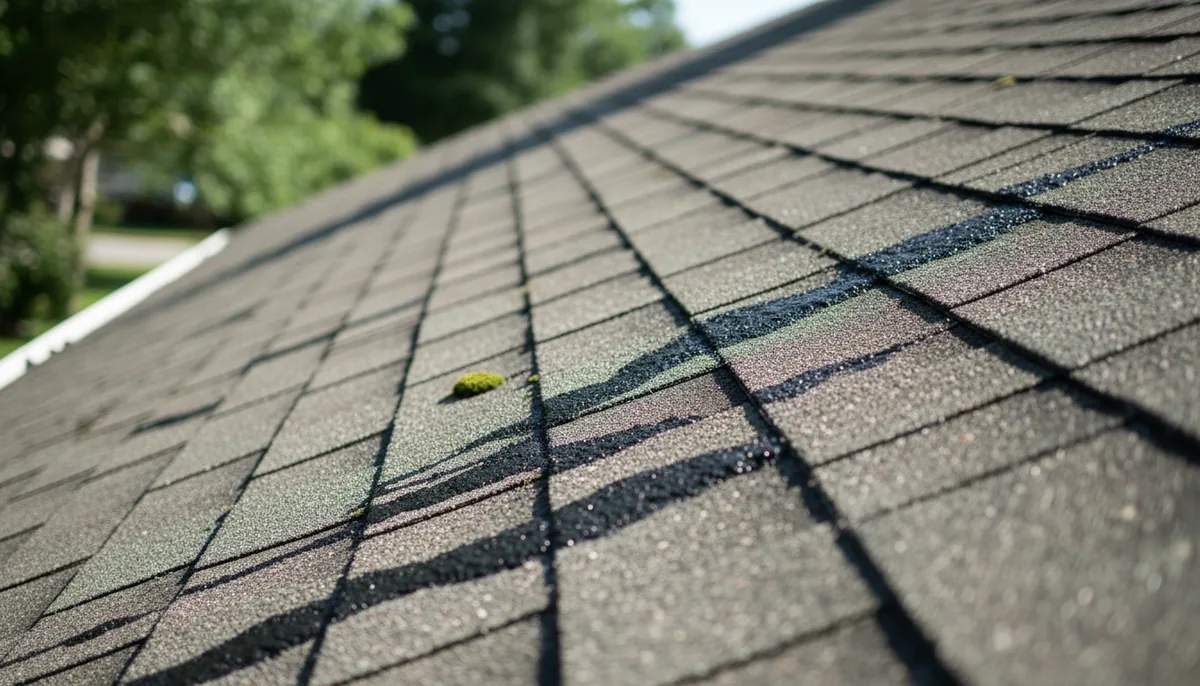
Most roofers price per square, which is a 10-foot by 10-foot area of roof. A typical home might have twenty-five to forty squares. Call it somewhere in the middle for a ranch. But the real swing comes from what's under the shingles. If the decking is wet, soft, or sagging, that's an extra charge per sheet. If the old roof has three layers of rotting felt, that's disposal plus labor. I have been wrong about this before, and so has every honest contractor I know.
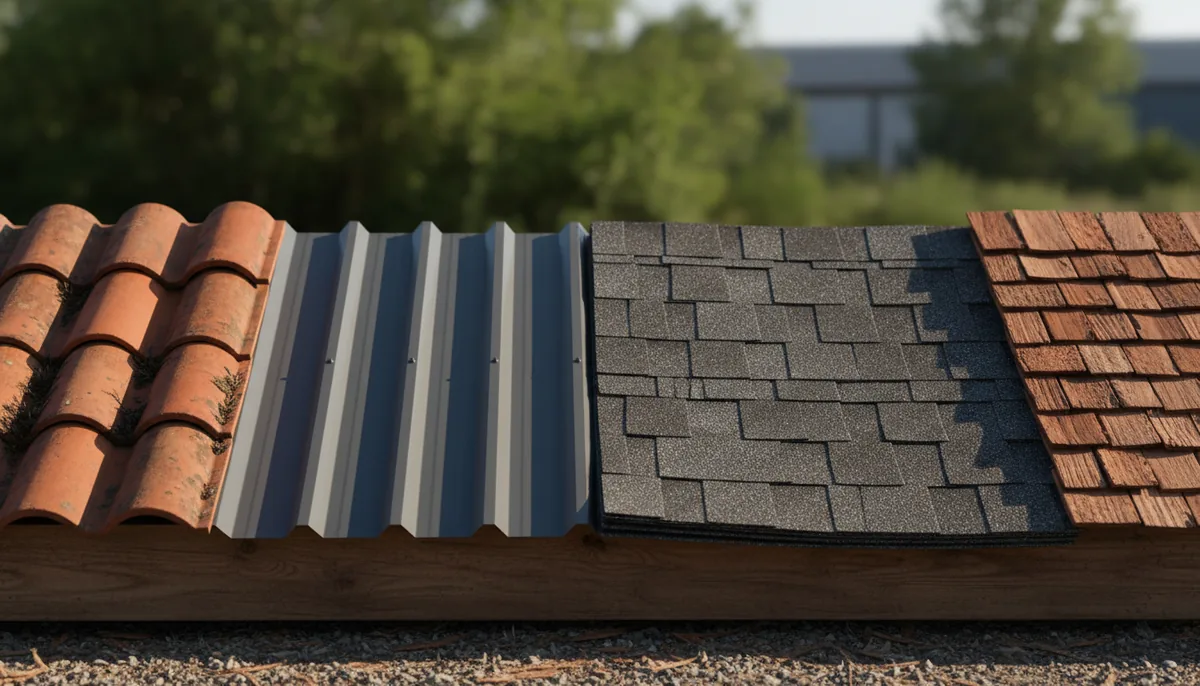
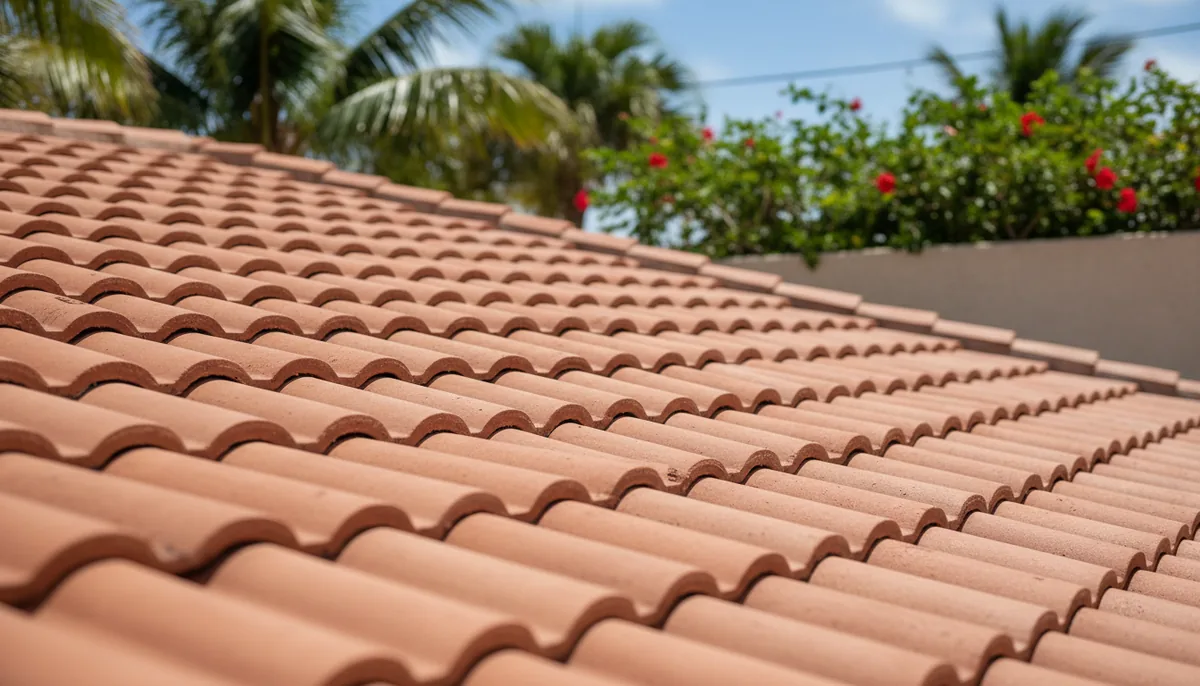
The material choice changes things more than the labor. Architectural shingles are the standard now, and they're a step up from the old three-tab. Metal costs more but lasts longer. Tile is heavy and requires a structural check. You don't need the most expensive option, but you do need to know what the quote actually includes. I've seen quotes where the "average" price suddenly didn't include new drip edge, ridge vent, or starter shingles. Read the line items like a detective.
What changes the price more than the shingle itself
Your roof's shape and access matter as much as it's size. A steep pitch means the crew needs safety gear and moves slower. A two-story house means more staging and more risk. A roof with alot of valleys, chimneys, and skylights means more flashing, and flashing is where lazy contractors cut corners to get their number down. If the access to your backyard is through a narrow gate, that's more time carrying materials by hand. All of this gets baked into the quote.
Then there's the wind mitigation inspection, which I bring up every single time because people forget it exists. It documents how your roof covering is attached, how the deck is fastened, how the roof meets the walls, the roof geometry, whether there's secondary water resistance, and how your openings are protected. The standard form is the OIR-B1-1802, and Florida insurers are required to offer premium discounts for qualifying features. The inspection costs less than most people expect, and the discount usually covers it within a year. I've seen it make a real dent in a premium, year after year.
That's the good news. There's also bad news, which is the insurance market itself. I can't tell you what your specific policy covers because that varies, and anybody who claims otherwise is selling something. Read your declarations page and look at the wind and hail provisions. Some policies have seperate deductibles for wind that are a percentage of the dwelling value, not a flat fee. That's a gut punch when you file a claim. Know it before the storm, not after.
What I would actually do: Get the wind mitigation inspection done before you sign the contract, then send it to your insurer. If the roof was installed with the right clips and straps, you're leaving money on the table every year you don't.
The permit is not optional, no matter what they tell you
I don't care how fast the contractor says he can finish if you skip the permit. A roof replacement in Florida requires a permit from your local building department, followed by an inspection. That's non-negotiable. If a contractor offers to skip it so the price comes down, that's your cue to show him the door. An unpermitted roof can make a mess of an insurance claim and scare off buyers when you sell. I've seen a closing fall apart over an unpermitted roof that the seller thought was a bargain.
The permit process also protects you from shoddy work. The inspector checks that the decking is sound, the underlayment is correct, and the nail pattern meets the wind code. Is it a perfect guarantee? No. I've seen inspectors miss things. But it's a hell of a lot better than nothing, and it gives you some use if the work fails later. A contractor who fights the permit is a contractor who doesn't want anyone looking at his work.
There was a recent state law, SB 4-D (2022), that changed some rules around insurance and roofs. And there's a statute, Florida Statute 627.70132, that says if you have an insurance claim for roof damage and the denial is based on the age of the roof, or the roof had a reasonable useful life remaining, it creates a presumption that the damage was covered. I can't give you legal advice, and you should talk to a professional about it, but I tell people to read their denial letters twice and check whether that presumption applies. Don't just take the adjuster's word for it.
A roof is an argument with gravity, and gravity wins eventually
Every roof in Florida is dying from the moment it's installed. The sun bakes the shingles, the humidity rots the decking, and the hurricanes test every nail. You're not buying a permanent fix. You're buying the best possible chance of surviving the next storm. That's why I push people to look at the whole picture, not just the bottom line.
Price matters, but it's a proxy for the contractor's labor, materials, and willingness to do it right the first time. The cheapest quote is often the most expensive one in the long run because you'll pay again in leaks, repairs, or an insurance fight. The most expensive one usually includes things the others left out. Pull up the DBPR roll, verify the licence prefix and make sure it's active, and don't be shy about asking to see proof of insurance.
What I would actually do: Ask the contractor which inspector from the local building department will be pulling the permit. If they're vague or say "we handle it all," ask for the permit number before any work starts. A real roofing company that does this every day won't blink.
Questions I get asked
Is the average cost for a new roof in florida something I can negotiate?
Sometimes, but you're better off asking what's included than asking for a lower price. A contractor who drops their price usually cuts something you can't see. Ask about underlayment, flashing details, and whether the decking replacement is included if it's rotten. If they say no, that's not a lower price, that's a future change order.
How long does a roof replacement actually take?
A normal residential house takes two to four days if the wheather cooperates and the crew isn't stretched across six jobs. Bad weather, rotten decking, or a steep pitch can stretch it into a second week. If somebody promises you one day on a complex roof, they're either magic or lying.
Do I really need a wind mitigation inspection?
Yes, if you want the discount. Most insurers require it to be current, typically within the last few years, before they'll apply the credit. The inspector checks the roof covering, deck attachment, roof-to-wall connections, geometry, secondary water resistance, and opening protection. It costs a bit, but the annual discount usually makes it back within the year.
What if the insurance company denies my roof claim?
Read the denial letter carefully, then read it again. Check whether the denial is based on wear and tear versus storm damage, and look at what it says about the roof's age and remaining life. Your policy is the final word, so review your declarations page and understand your wind deductible. If you think the denial is wrong, you can push back, but you might also want a public adjuster or an attorney to look at it.
What does Citizens Property Insurance Corporation have to do with my roof?
Citizens is the state-backed insurer of last resort. If you have a policy with them, they have their own rules and inspection requirements that can be stricter than a private carrier. If you're with Citizens, check their current guidelines on roof condition and age before you file a claim or start a replacement, because their expectations are not always the same as the rest of the market.
My contractor said the permit is included. Should I trust that?
Trust, but verify. Ask for the permit number once it's pulled and check it with your local building department. If the contractor can't produce a number after the work starts, that's a bad sign. You can also call My Safe Florida Home if you're looking for help with hurricane mitigation, though their funding and eligibility rules change, so check the current status.