Best roof for Florida
By Bud Kettering, Roof consultant and inspector. Reviewed by Hal Winstead, Editor, licensed roofing contractor.
On a hot October afternoon in Cape Coral, I climbed down from an attic with my shirt stuck to my back and told the buyer this one wasn’t ready to close. The roof was only two years old and looked perfect from the street; the moisture meter and a flashlight said someone had never counter-flashed around the chimney into the stucco, so water had been finding it's way behind the brick from the first real rain. If you’re already searching for a replacement, the roofing companies in Florida directory is a place to start comparing—just do it with the checklists I give you below.
I’m Bud Kettering. I inspect roofs for buyers, sellers and insurance companies, which means I spend my working life in Florida attics with a torch and a moisture meter. The torch is for seeing leaks in a dark attic, not for setting anything on fire. I don’t install roofs and I don’t sell material. That makes me unusual: I get paid for the answer, not for the install.
Here is the first thing I tell every buyer before they start choosing shingle colors: the best roof for Florida never comes out of a brochure. It comes out of a contract, a permit, and a wind inspection. Roofing is a system, not a skin.
What is the best roof for Florida?
Call it the roof that stays attached when the wind tests it and keeps the rain where it belongs. That sounds like a dodge, but I’ve been paid to say it too many times not to mean it. A beautifull new roof in Tampa can fail while an older, better-built roof with a dated color sails through a storm. What makes the difference is hidden.
In my line of work, hidden is the whole job. I look at the way the deck is fastened to the trusses. I look at the underlayment laps. I look at flashings around vents, skylights and chimneys. The material on top is just the part that takes the beating.
What I would actually do: If the house had a low slope and a questionable attic, I would not get emotionally attached to any one product. I’d build the system backwards from the deck up, then pick the covering that fits the slope, the wind zone, and my own back when it comes time to maintain it.
Roof types Florida homeowners actually choose between
I can list them without looking at my clipboard. Architectural asphalt shingles are the default for alot of Florida homes. They’re not romantic, but they work. Shingles weigh less, repair easily, and the good ones carry wind ratings. They fail when the crew shortcuts the deck or skips the sealed underlayment.
Standing seam metal shows up more every year. I like it: the panels can expand and contract, and when installed right the fasteners are hidden. There is also screw-down metal with exposed fasteners. It works for barns and carports, less for houses, and I’ve watched the rubber washers on those screws age and split in the Florida sun.
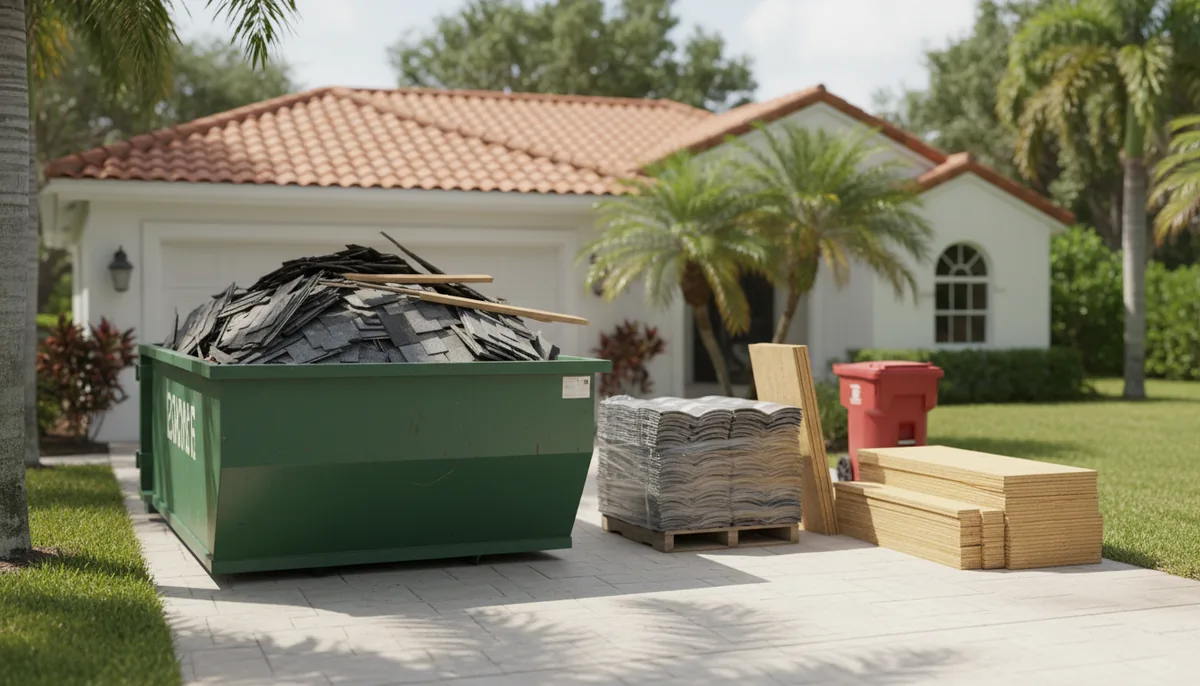
Concrete and clay tile covers a lot of Spanish-style homes. Tile handles heat and storm debris better than shingles in many ways, but it’s heavy and brittle underfoot. You have to walk it like you know how. Barrel tile can hide bad decking until somebody puts a foot through it.
Low-slope roofs get white TPO, PVC and EPDM. Those are good, tough membranes, but they need clean seams and proper terminations. I inspect an ugly flat-roof seam just as hard as a shingle valley.

What is the best roofing material for Florida?
People always want a champion. The honest answer: it depends on pitch, access, and what’s under the roof. Roofing is quoted by the square, but the material list is only part of the quote. The bigger part is labor, and that’s where the best material in Florida can go wrong.
For a pitch I can see clearly from the attic, I like standing seam metal and good concrete tile. For a standard subdivision roof with trusses set on regular spacing, a quality architectural shingle will do the job if the underlayment is sealed and the nails hit the deck in the right place. So what is the best roofing material for Florida? The one that got installed on a permitted job, by a crew that fixed the flashing instead of covering it.

Best roof for Florida homes: call it a system, not a single material
Best roof for Florida homes starts with the deck. If the plywood is rotten, no tile or metal panel will save you. I’ll say that again because it’s the part people skip: no flashing detail matters if the deck underneath is rotten.
The roof-to-wall connections matter too. Those are the metal ties and straps that keep a roof from leaving in a hurricane, and they live in the attic where nobody looks. Wind mitigation inspections check them, and I do too. The roof deck attachment—every fastener holding sheathing to the frame—also has to be present. You would not trust a table with three legs and no glue. Same idea.
Let me save you from the two worst roofing mistakes I see. First: not pulling a permit. A roof replacement in Florida requires a permit from the local building department and an inspection. A contractor who offers to skip the permit is a contractor to walk away from. An unpermitted roof can complicate an insurance claim and a future sale. Second: hiring without checking the DBPR roll. Ask for the contractor’s DBPR licence number and pull it up on the state roll. The DBPR licence prefixes CCC and RC tell you most of what you need: CCC can work anywhere in Florida; RC can only work in the jurisdiction that issued it. Verify it before you sign anything.
What I would actually do: I would ask for the contractor’s DBPR licence number, pull the local permit records, and ask how many inspections the building department will make before I paid anything past the initial materials. If they tell me a permit isn’t needed, I would not hire them.

How the Florida roof types line up with a wind mitigation inspection
A roof doesn’t have to be new to earn a discount, but it does have to be documented. That’s what a wind mitigation inspection is for. The standard form in Florida is OIR-B1-1802. It documents roof covering, roof deck attachment, roof-to-wall connection, roof geometry, secondary water resistance, and opening protection. Florida insurers must offer premium discounts for qualifying features. Wether you go through Citizens Property Insurance Corporation or a private insurer, take that form to your agent and ask which features already count on your house.
Roof geometry is one line on that form. That is why you hear me talk about hip roofs versus gable roofs. Hip roofs generally handle wind better than gables because they give the wind fewer flat surfaces to push against. But a hip roof with sloppy deck nailing can still fly. Secondary water resistance is the line that rewards a sealed deck. That is where self-adhered underlayment pays you back.
Opening protection is the other part. Even a perfect roof can lose windows to wind-borne debris, and once that happens the pressure gets inside the house. Shutters or impact glass matter to the same wind-mitigation score as the roof. If you don’t have opening protection, a well-attached roof matters even more.
Remember, I’m not a lawyer or a licensed adjuster. I can tell you what the form records and why your insurer should have a copy. I can’t tell you what your policy owes.
Questions I get asked
Will my insurance company pay for the roof?
Read your declarations page. Coverage varies by policy, and nobody can promise anything until the claim is reviewed. I can tell you whether your roof has damage, but the dollar answer comes from your insurer, not from me.
Should I choose metal or architectural shingles?
Metal is my usual answer for a homeowner who plans to stay put and wants a roof that handles Florida heat and wind, but only if it’s standing seam with concealed clips. Shingles cost less per square and are easier to patch after storm damage. The contractor matters more than either product.
Is a roof permit really required?
Yes. In Florida, a roof replacement requires a permit pulled from your local building department and an inspection. Walk away from any contractor who says you don’t need one. An unpermitted roof is a problem that shows up years later in an insurance claim or a home sale.
How do I check if a roofer is licensed?
Ask for their DBPR licence number and look it up on the DBPR roll. A certified contractor’s number starts with CCC, and they may work anywhere in Florida. A registered contractor’s number starts with RC, and they are limited to the local jurisdiction that issued the licence. Verify the number is active before you sign.
Will a wind mitigation inspection really lower my premium?
It can, if your house has qualifying features. Florida law requires insurers to offer premium discounts, but the roof covering, deck attachment, roof geometry and opening protection are what get documented on form OIR-B1-1802. The inspection typically costs far less than the yearly discount it can open up.