Best roofing material for Florida homes
By Bud Kettering, Roof consultant and inspector. Reviewed by Hal Winstead, Editor, licensed roofing contractor.
I was in a Palm Harbor attic last July, torch in hand, when I smelled it: asphalt. Not the new-shingle smell. The other one. The one that means a roof covering has cooked itself into brittleness long before it's time. The homeowner had a 12-year-old architectural shingle roof that was already curling at the edges and losing granules in the gutters. It wasn't a bad install, either. It was just the wrong material for the place. The sun had beaten it down, and the afternoon thunderstorms had finished the job. I told her the truth — she'd be lucky to get a few more years out of it.
That's the thing about this state. If you're weighing up the residential roofing companies in Florida to fix a leak, or you're buying a place and wondering whether to re-roof before you move in, the material choice matters more than the color. More than the price per square, even. Florida is a different climate from everywhere else in the country. The sun is brutal. The hurricanes are a fact of life. And the building code has been getting stricter every few years for a reason. I've crawled over hundreds of roofs from Jacksonville down to Key West, and I've seen what works and what doesn't. Let's walk through it.
Start with the wind, because the sun is only going to get worse
People call me up and ask for a moisture meter reading on a ceiling stain, but the real question they're asking is always the same: what's the best roofing material for Florida homes? The answer depends on what is under there. It depends on the pitch. It depends on your budget. But mostly it depends on wind. The Florida Building Code has been updated after every major storm, and the current rules for high-velocity hurricane zones are strict. A roof that just sits there in the sunshine is only half the job. It has to hold when the air itself is trying to peel it off.
I have been wrong about this before, but I'll say it straight: give me a properly installed metal roof with a high wind rating over just about anything else for a single-family home. It handles the heat, it sheds rain, and when the wind does its worst, the panels stay put if the fasteners hold. But metal has its own problems. It’s loud when the rain hammers down, and it’s not cheap. And if a contractor installs it over the wrong kind of decking, you can get condensation issues that rot the framing from the inside. I've seen it.
What I would actually do: Before you buy any material, get a copy of your local building department's wind zone map. If you're in Miami-Dade or Broward, the code is different from the rest of the state, and a contractor who doesn't know that is a contractor to walk away from.
The hybrid approach most people skip
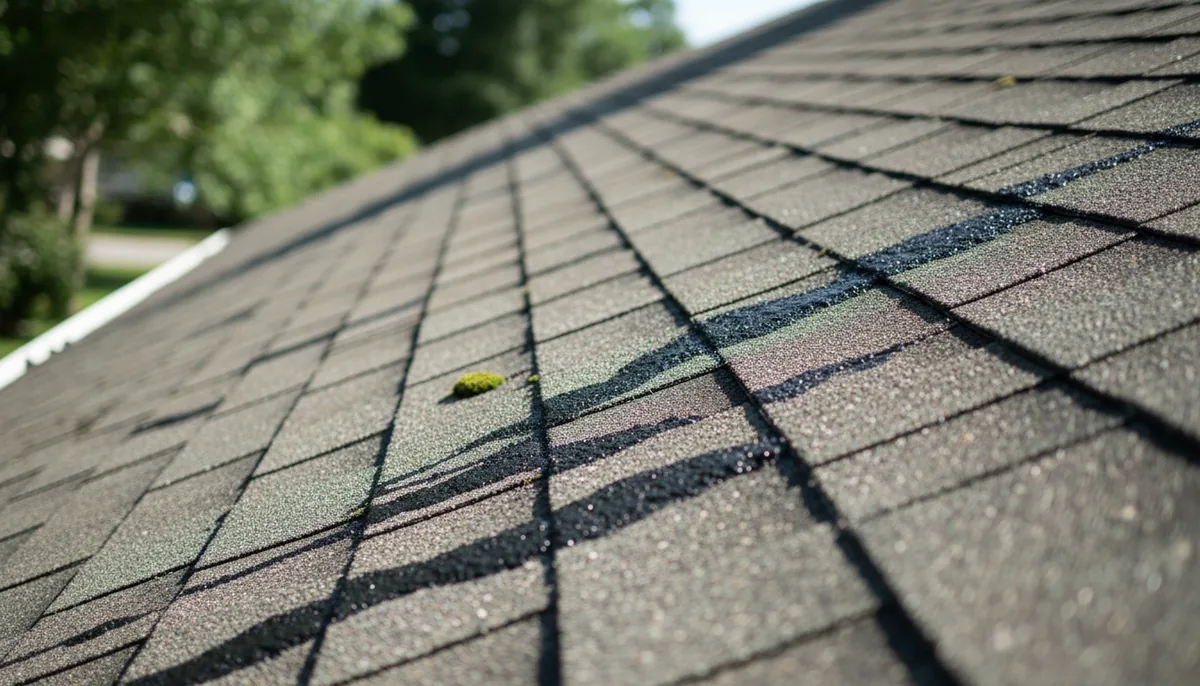
Here's a dirty secret from someone who spends too much time in attics. The best roofing material for Florida homes is often less about the top layer and more about what's underneath it. If the deck is nailed down per code, and the underlayment is a peel-and-stick membrane designed for high wind, then even a modest asphalt shingle roof can perform okay. The problem is that most homeowners never see the underside. They see the shingles from the curb. I've inspected roofs where the top looked fine and the deck was rotted because the installer skipped the secondary water barrier.
The code has improved this. After the 2022 legislation, and the stricter building codes that followed, new roofs in Florida have to do alot more to resist uplift. But the quality of the install is still the biggest variable. I can tell you more about a roofer from their flashing details than from their brochure. A good crew will spend an hour on the valleys and the pipe penetrations. A bad crew will spray foam in there and call it done.
Asphalt shingles are still the cheapest square footage, but
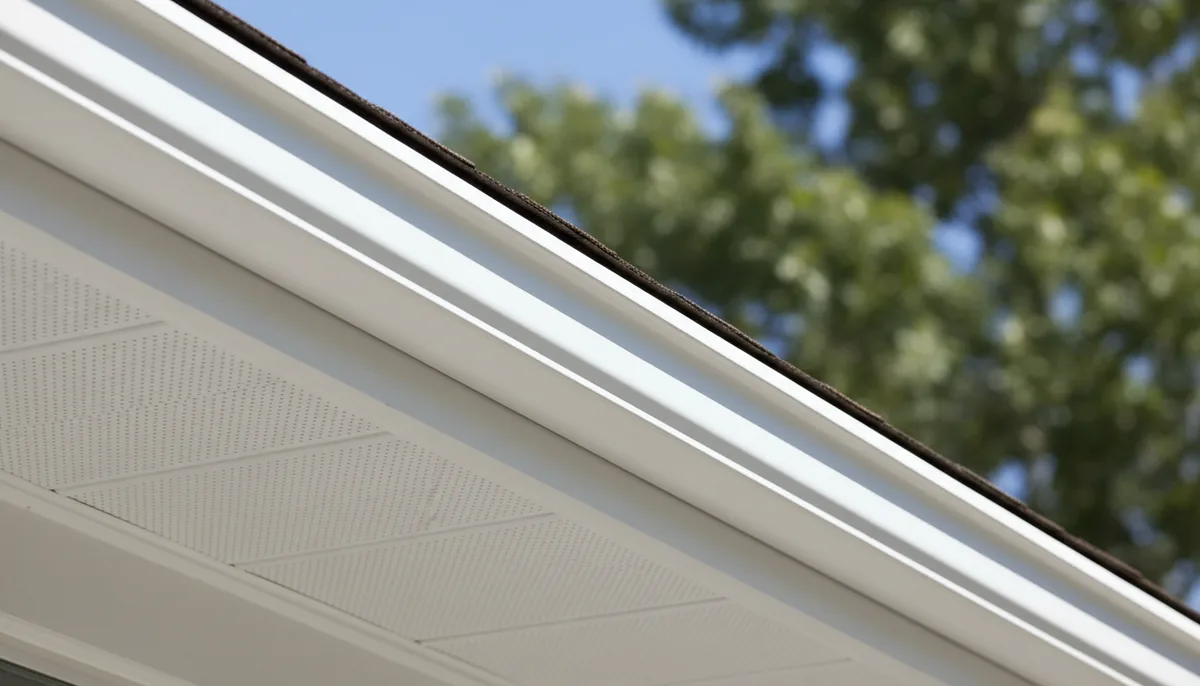
I'm not going to tell you asphalt shingles are the best roofing material for Florida homes, because they aren't. But I will tell you why they're the most common. They're priced per square in a way that fits a lot of budgets. The architectural shingles with a wind rating that meets code are heavy, and they do handle the heat better than the old three-tab style. If you're on a fixed income, or you're just trying to put the house on the market, a new asphalt roof can get you through.
But the sun is a slow killer. Give or take, in Florida, you're looking at a shorter lifespan than the 30-year warranty would have you beleive. The warranty is a marketing document, not a promise about the wheather. I've seen 10-year-old roofs that looked 20. And if a contractor tells you to skip the permit to save time, remember what I said: an unpermitted roof can complicate both an insurance claim and a future sale. A roof replacement in Florida requires a permit pulled from the local building department, and an inspection. That inspection is your friend, not your enemy.
Tile and concrete: heavy, expensive, and sometimes beautiful
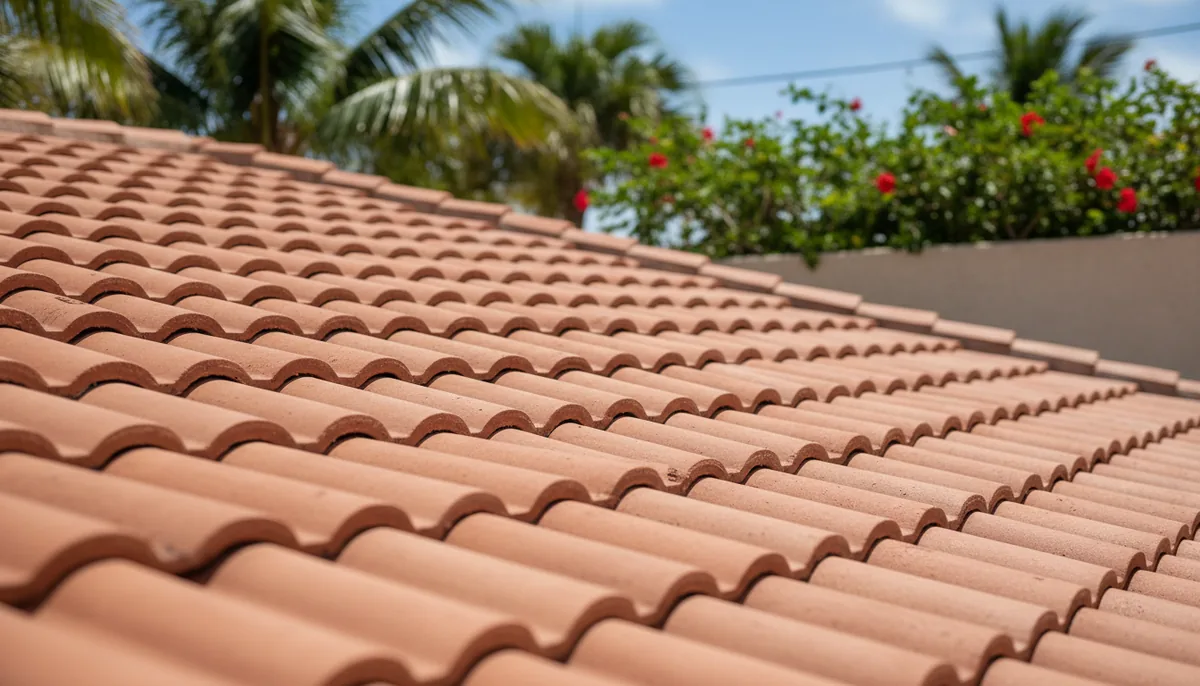
Clay and concrete tile roofs have a reputation for lasting forever, and that's not entirely wrong. They're heavy, so the framing has to be able to support the weight. They're expensive, so your budget has to support it too. And when they fail, they can fail in a dramatic way. I've been on roofs where the tiles themselves were fine, but the fasteners holding them down had rusted through, and a good gust would have sent them flying like shrapnel. A tile roof needs a strong deck, a strong attachment, and a contractor who understands the uplift forces on the individual tiles. Get that right, and you can have a roof that outlasts the mortgage.
What I would actually do: If you're drawn to tile, ask to see the fastening schedule in the manufacturer's installation instructions. Not the sales sheet. The actual instructions. If the contractor doesn't have them on hand, that's your answer.

Standing seam metal is the king, but it costs like a king
Let's be honest about the premium for the very best. Standing seam metal with concealed fasteners is probably the best roofing material for Florida homes if you want maximum protection and a long service life. There's no exposed screw heads to back out over time. The panels expand and contract without tearing the fasteners out. And the installation method allows for a high wind rating that can open up discounts. A wind mitigation inspection documents the roof covering, the roof deck attachment, the roof-to-wall connection, the roof geometry, the secondary water resistance, and the opening protection. Florida insurers must offer premium discounts for qualifying features, and the standard form is OIR-B1-1802. The inspection typically costs far less than the annual discount it can open up. Get the form done.
But I've stood in the sun in a Tampa backyard and watched a crew unload huge metal panels, and I know the labor involved. It's not just the material cost. The install is a craft, and the people who do it well charge accordingly. If you're planning to stay in the house for twenty years, it pays for itself. If you flip houses, it's probably overkill.
A quick gripe about the weather
I've lived through enough hurricane seasons to know that the scariest part of a storm isn't always the wind. It's the storm surge, and that's not the roof's problem. But the rain after the storm finds every weakness. And between storms, the Florida sun is just relentless. I've seen roof coatings that were supposed to be reflective and energy-saving peel off within two years. I've seen foam roofs that were repaired so many times they looked like a patchwork quilt. The heat comes through the deck and bakes the attic space, and if the ventilation is poor, you're cooking the roofing from the inside out. A reroof is a chance to fix the ventilation at the same time, and a lot of contractors never mention it because it's not part of the job they bid on. Ask about it.
What the licence actually tells you
A lot of folks read a contractor's ad and think the licence is a gold stamp. It's not exactly that. Florida roofing contractors are licensed by the Department of Business and Professional Regulation, which we all just call the DBPR. A certified roofing contractor holds a licence with a prefix that begins CCC and may work anywhere in the state. A registered roofing contractor holds a licence begining RC and may only work in the local jurisdiction that licensed them. Always verify the number is active before hiring. You can do that on the DBPR's public roll. Don't take the contractor's word for it, and don't take my word for it either. Look it up yourself. It takes two minutes.
The licence matters for more than just accountability. It matters for the permit. The local building department will check that the contractor is licensed and insured before they issue the permit for your roof replacement. If a contractor offers to skip the permit, they're not doing you a favor. They're exposing you to liability. And when the time comes to make an insurance claim after a storm, the carrier will likely ask about the age of the roof, the permit history, and the inspection results. A roof with no permit history is a red flag.
Code changes and your insurance
The laws around roofing have shifted in recent years. SB 4-D (2022) changed how insurance claims and roof deductibles work in Florida. And Florida Statute 627.70132 requires insurers to offer premium discounts for homes that meet certain wind mitigation standards. I'm not a lawyer and I'm not a licensed adjuster, so I won't pretend to advise you on your specific policy. But I can tell you that the insurance companies are looking at the same OIR-B1-1802 form I use. If your roof has a secondary water barrier and a sealed roof deck, it should score better. That score translates into a discount, call it a small one or a meaningful one, but it's real.
I had a customer in Cape Coral a few years back who called me out because her premium had jumped. She had a metal roof over a sealed deck. She had never had a wind mitigation inspection done. We did the form, she sent it to her agent, and the annual discount was more than my fee. It's not a trick. It's just a process that a lot of homeowners never know about until a consultant like me wanders through their attic.
Questions I get asked
Is a metal roof worth the extra cost in Florida?
Yes, if you're staying in the house for the long haul and you want the best chance of surviving a hurricane with minimal damage. Metal has a higher material cost and a definite installation skill requirement. But it performs better against high wind, it reflects more solar heat, and it doesn't absorb water the way some other materials can. The trade-offs are the upfront price and the noise in heavy rain.
Should I buy a house with an old tile roof?
Maybe, but only if the underlying deck and the tile fasteners check out. A tile roof can hide rot underneath because the top layer looks fine from the street. I've crawled under tile roofs where the wood deck was delaminated and spongy. Budget for a full inspection before you commit. A few hundred dollars on a moisture meter is nothing compared to a surprise reroof.
Can I just put a second layer of shingles over the old ones?
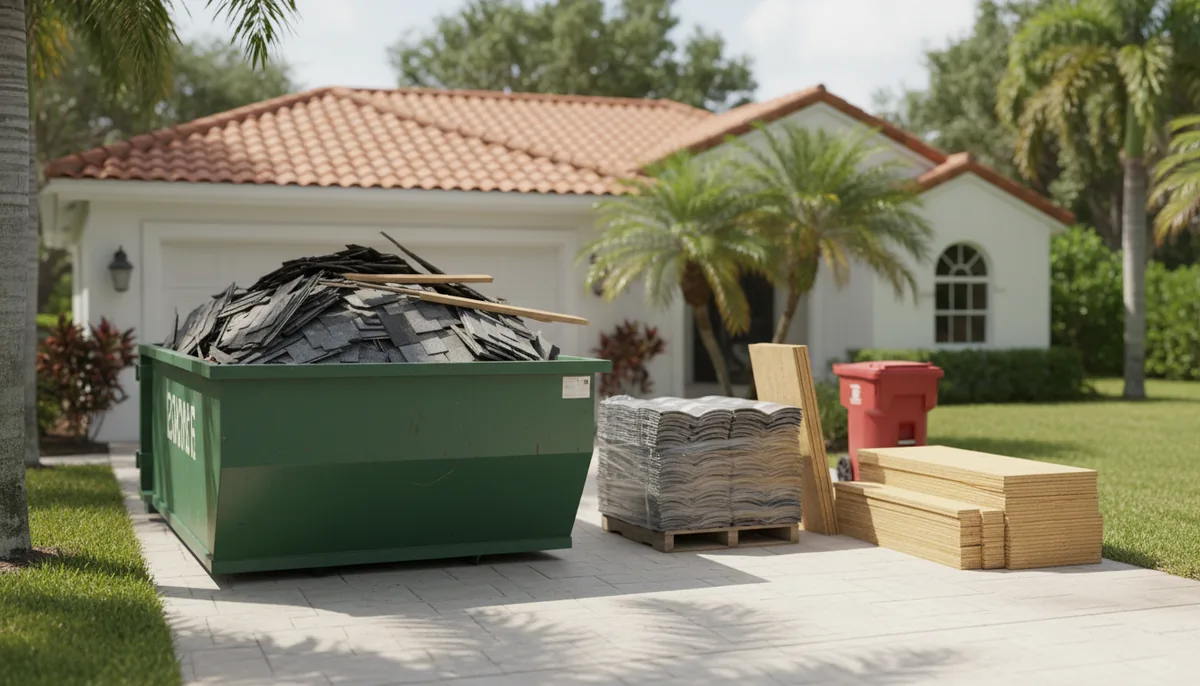
You can physically do it, but I don't recommend it in Florida. A second layer hides the condition of the first layer, adds weight to the framing, and makes the roof hotter because the old layer is still there. Most building codes have gotten strict about this. Tear-off is the right move. It's messy and it costs more, but it's the only way to know what you're actually working with.
What does a wind mitigation inspection cost?
It depends on the company and the access to your attic, but it's generally a modest fee priced far below the annual discount it can open up. The inspector checks the roof covering, the deck attachment, the roof-to-wall connection, the geometry, the secondary water resistance, and the opening protection. The whole thing takes about an hour. The form is standard across the industry, so you can shop around for a fair price.
Do I need a permit for a roof replacement in Florida?
Yes. A roof replacement requires a permit pulled from the local building department, and it requires an inspection. If a contractor tells you to skip the permit, walk away. An unpermitted roof can complicate an insurance claim and a future sale. I've seen a sale fall apart over an unpermitted roof that was only three years old. The buyer's inspector found it, and the whole deal went sideways.