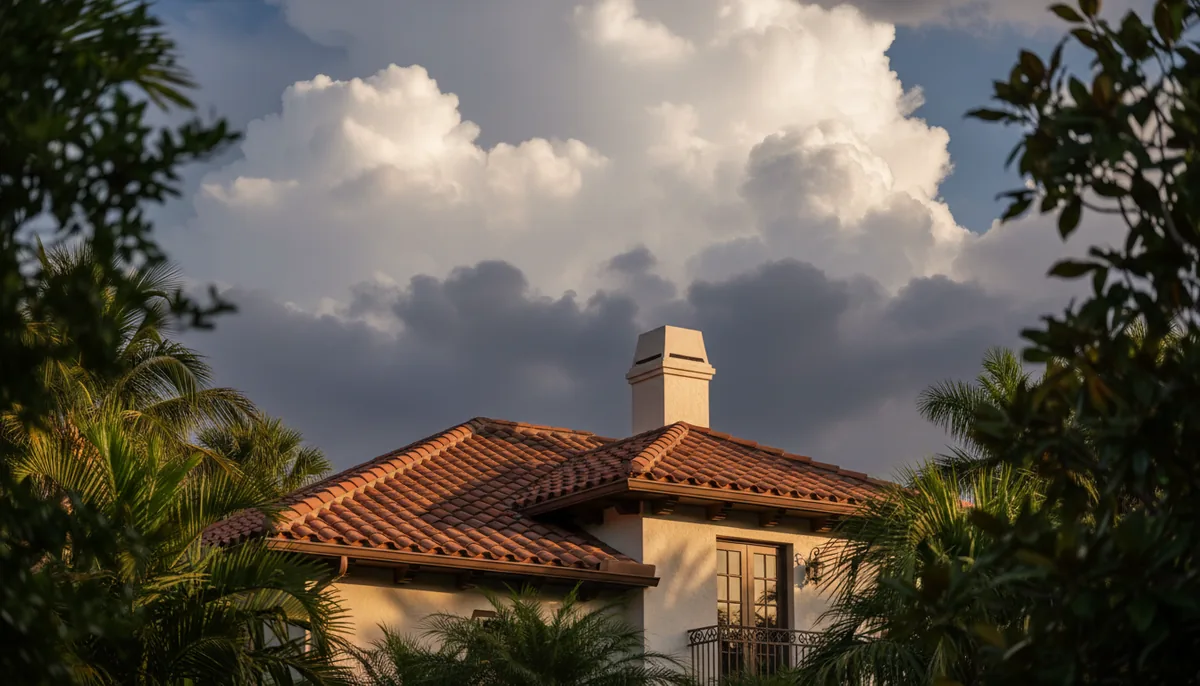
Black roof in florida: The Florida Guide
By Dale Prescott, Roofing contractor, Central Florida. Reviewed by Hal Winstead, Editor, licensed roofing contractor.
August in Lakeland, and I'm standing on a black architectural shingle roof that's been cooking for eleven summers. The afternoon sun had pushed the deck past what a bare hand could stand, and when we lifted the first tab, the mat crumbled – fiberglass baked brittle. That's the side of a black roof in Florida nobody photographs: it doesn't fade away, it shatters. Before you spend a cent, talk to a few roofing companies in Florida who have to warranty these things, because the color is the easy part.
Let me tell you straight. I've replaced alot of black roofs, and not all were failures. But a bunch were. Owners said it looks sharp – and it does, for a while. What they didn't hear is how sharp that color is on your energy bill and on the lifespan of the shingle.
The physics is simple. Black absorbs more sunlight than white. That's not a Florida feeling, that's radiant heat. Your attic gets hotter, your AC runs longer, and the roof surface swings extreme every time a thunderhead rolls past. A gray or tan shingle rides through the day on a flatter temprature curve.
One digression before we get deep. A homeowner in Clermont asked if we could spray his black shingles silver with some fancy reflective paint he saw on a reel. Told him that's how you void a warranty and get a roof that looks like a melted satellite dish. So he painted his mailboxes instead. Some folks.
What a black roof in Florida does all day
Every black roof is a solar collector. From nine to four, the temperature up there gets to a point where you don't even want to touch the tool belt bucket. That heat drives down into the attic, then works on the insulation, then starts selling tickets to your living room. If you have ridge vent and open soffits, a lot of the heat escapes. If not, you're asking your AC to fight a radiant oven.
It's not just home comfort. That rooftop heat accelerates everything on your roof deck. The shingle's asphalt softens, the nails in the deck get warm, and the sealant strips cook. And black hides the algae every Florida roof fights. On a white roof you see the ugly blue-black streaks. On a black roof you don't see them, but the algae is still chewing into the granules.
What I would actually do: put a light or medium-reflective shingle on your house. If you simply refuse to give up black, make it a metal roof with a cool coating, and promise me you will let the attic breathe with a proper ridge and soffit system.
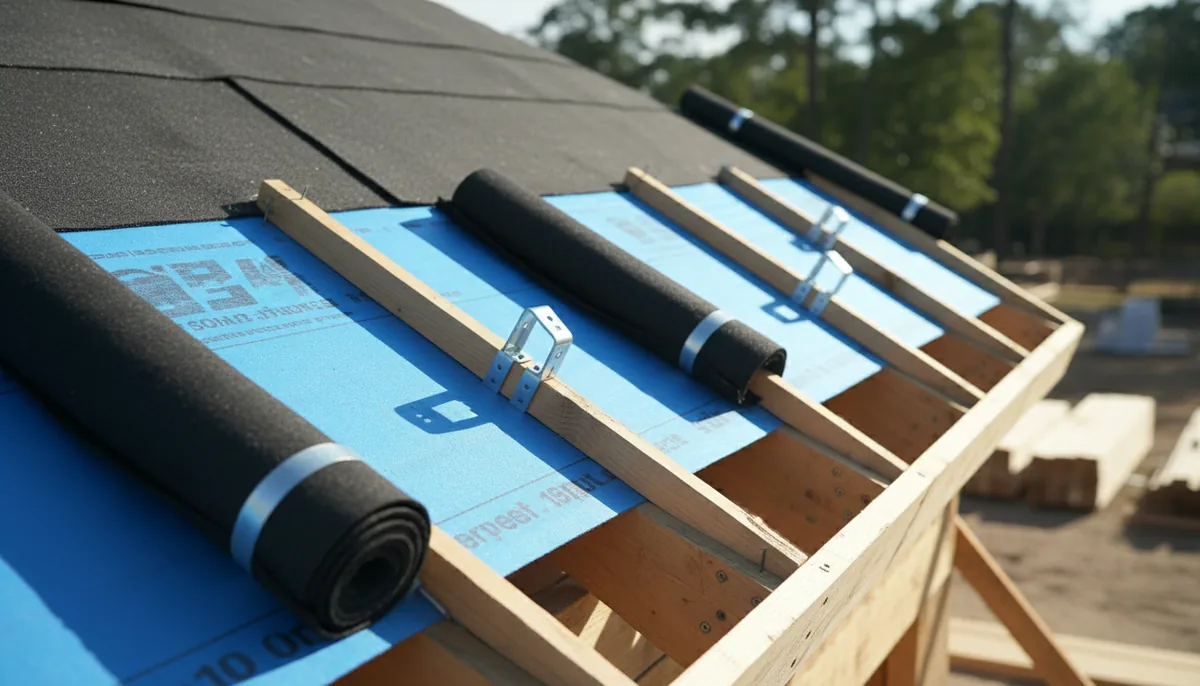
Why black shingles don't live long in this climate
Up north, black roofs last twenty years because the sun angle is weak and the afternoon isn't trying to boil the asphalt out of the mat. In Central Florida, black shingles get hit with both barrels: hard UV from above, heat radiating from the deck below. The material becomes stiff, then brittle. A little rain gets under the edge. A tropical thunderstorm pushes water sideways, and the shingle cannot flex the way it did in year two.
You notice it in the granules first. The coarse surface gets thin, patches go bald, and then the asphalt starts showing through. Once the granules are gone, sunlight attacks the base directly. That's the point of no return. Some black shingles still look okay from the street while their integrity is shot – that's why a homeowner will argue with me about a replacement. Then the next storm tears it along a crack I couldn't photograph.
I of been wrong before. Newer "cool black" shingles have larger reflective granules, and they run measurably cooler. They cost more. They help. In my experiance they don't make black last like white, but they take it from short-lived to merely mediocre. Depends on pitch and access.
Insurance, wind mitigation, and why your color is not on the form
The insurance game does not care about pigment. Wind mitigation inspection is what your insurer looks at. The standard documenting form is form OIR-B1-1802, and it lists roof covering, deck attachment, roof-to-wall connection, roof geometry, secondary water resistance, and opening protection. That's it. No checkbox for "black".
Florida insurers are required to offer premium discounts for qualifying wind mitigation features. The inspection typically costs far less than the annual credit it can pay back. And the biggest bang typically comes from how the roof deck is nailed and wether there's a sealed roof-to-wall connection – not the color of the shingle.
If your policy is through Citizens Property Insurance Corporation, the same form matters even more. My Safe Florida Home is another place to look if you're planning inspection work. A black roof with correctly spaced nails on a well-vented deck is safer in a storm than a white roof with a lazy stapler.
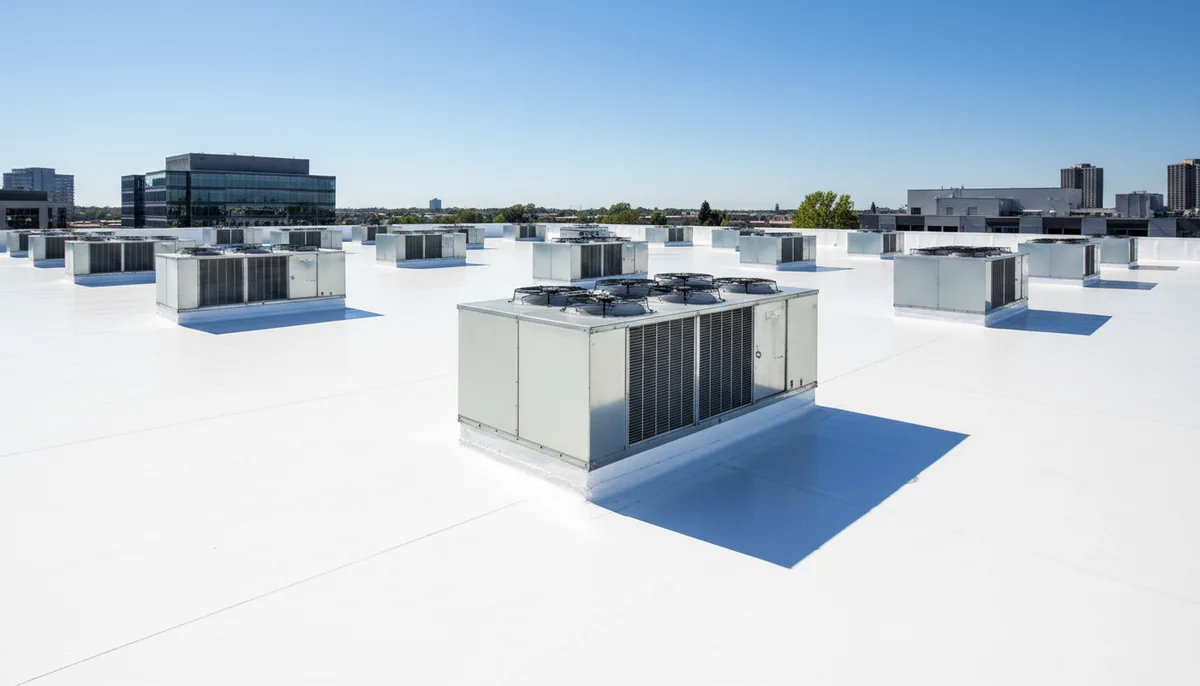
What I would actually do: spend the extra money on the nailing pattern, the ridge attachment, and a synthetic underlayment that wraps into the gable end. Your wind mitigation score is where the real money returns. Color is identity politics for asphalt.
Permits, SB 4-D, and the 25% rule everyone misremembers
Florida used to have a hard rule: fix more than a quarter of your roof in any year, and you had to bring the whole roof up to current code. That 25% trigger wrecked more than one homeowner's budget after a storm. Then SB 4-D (2022) came along. For roofs built under the 2007 code edition or later, you can repair just the damaged portion and only that portion must meet today's code. Older roofs still kick the whole roof into compliance – meaning a full tear-off.
But never skip the permit, no matter what the rule says. A roof replacement in Florida requires a permit from your local building department and a final inspection. A roofer who suggests you don't need one? Walk away. An unpermitted roof can complicate an insurance claim and will likely show up on a seller's disclosure.
On licensing, keep it simple. Look up the DBPR licence prefixes CCC and RC. A certified license (CCC) works anywhere in the state. A registered license (RC) only works in the jurisdiction that licensed it. Verify the number is active on the DBPR roll before any of us climbs your ladder.
I am neither a lawyer nor an adjuster. I'm a guy who has seen a legal fight over a roof twice – both times the contractor had pulled no permit. Both times the homeowner lost.
Questions I get asked
Does a black roof raise my insurance bill?
No, not directly. Coverage varies by policy, and insurers look at condition, wind mitigation features, and age. A black roof in poor condition is a bigger risk, but color alone is not a rating factor.
What color roof is best in Florida?
For shingles, light gray, white, tan, or beige are kindest to your HVAC and your roof life. For metal, choose a cool-coated panel with a light color. If you choose black, expect trade-offs.
How long will a black shingle roof last here?
Depends on pitch, ventilation, deck condition, and how many storms roll through. Call it eight to twelve years in Central Florida under direct sun, compared with fifteen-plus for a comparable light shingle. I've been wrong about this before, but not often.
Can I change my black roof to white without a tear-off?
No honest roofer will paint an existing shingle roof. Coatings can peel and they void most manufacturer warranties. A tear-off and replacement is the only reliable route.
Does a black metal roof behave the same as a black shingle roof?
No. Metal handles the heat but passes different thermal movement. A black metal roof with a cool coating and a thermal break under it will age better than black asphalt. Underlayment still matters.