Clean mold off roof Florida — How Bad Is It, Really?
By Dale Prescott, Roofing contractor, Central Florida. Reviewed by Hal Winstead, Editor, licensed roofing contractor.
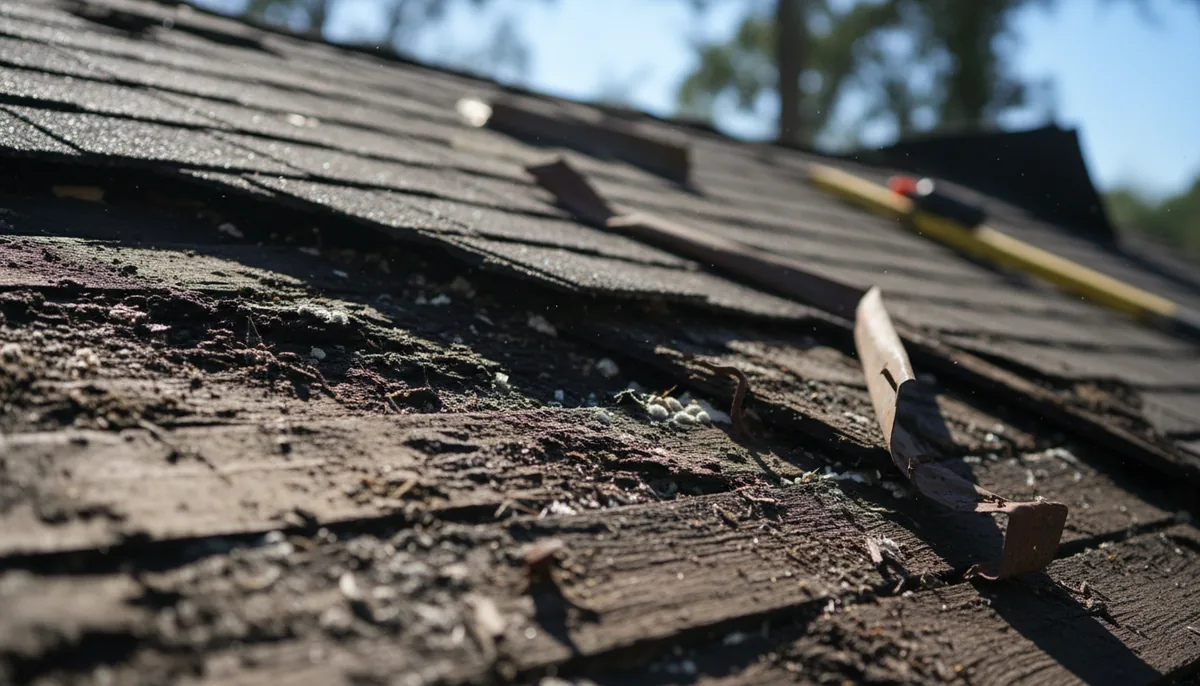
I was standing on the edge of a clay tile roof in Sanford one August afternoon, watching a thunderhead stack up over Lake Monroe, and the back slope of that roof had gone black. The homeowner said he’d had someone clean the mold off the year before. It wasn’t mold. It wasn’t algae, either. The crew had pressure washed the tile hard enough to strip the glazing, and after that every bare clay tile soaked up moisture like a sponge. It took two summers for the cracks to open, and the ceiling stains started showing up before the rain even got there. That’s why, when somebody asks me about how to clean mold off roof Florida, I point them to the roof cleanning companies in Florida and tell them to read this before they sign anything.
Quick answer: most of the black streaking on Central Florida roofs is algae, not mold. It doesn’t turn your attic into a horror movie. It holds moisture against the roof, and over the years it can make granules let go and tile laps stay damp. So it isn’t harmless. But it reacts to cleaning with chemistry and low pressure. Asphalt shingles do not react well to a pressure washer.
And one thing people forget: a clean roof can still leak. If the stain on your ceiling showed up before you started staring at the roof, clean the roof if you want, but fix the leak first. A roof that looks spotless and a ceiling that still drips is not a win.
Clean mold off roof Florida: how bad is the black stuff, actually?
Call it moderate. Not panic, but not “ignore it forever.” Algae likes shade and damp, so it shows up first on the shadier slopes and under overhanging oaks. During a long rainy year, it spreads. It doesn’t burrow into shingles, but the longer it sits, the more it holds dew and rain against the surface. Granules that stay wet don’t stay put as well, and granules are what keep the Florida sun from baking the asphalt underneath. Still, there’s a difference between an ugly roof and a leaking roof.
By the way, if you wait until August to look at your roof, you’re looking at the worst version. August in Central Florida isn’t a month. It’s a season. It rains, then it steams, then it rains again. Algae loves that. Moss can move in on older roofs, too.
What I would actually do: Look at the roof up close before you clean anything. Dark streaks on the shingles are an apperance problem. A stained ceiling is a flashing, vent, or deck problem. Fix the leak first, then clean the roof only after the roof is dry and you know what the cleaner is planning to touch.
Pressure washing is how a roof gets ruined, not cleaned
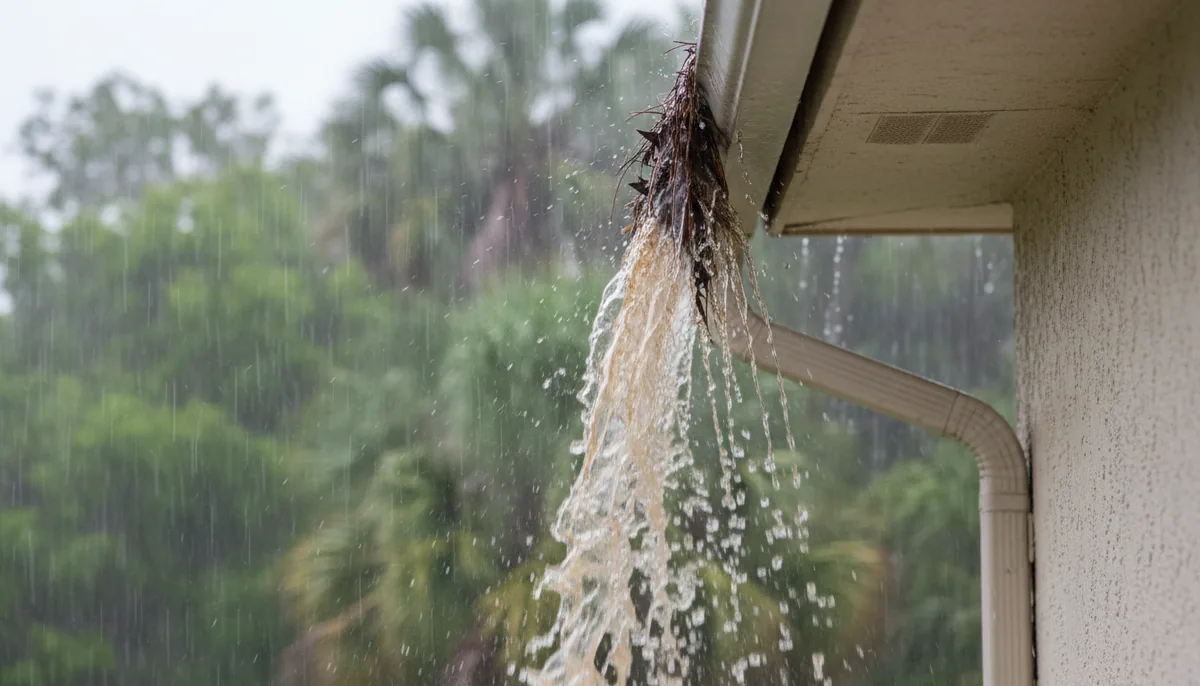
I of torn off roofs where I could point to the exact path of the pressure washer. On asphalt shingles, the blast knocks granules off and leaves a low spot in the shingle. Every storm after that works on that low spot. Worse, if the wand points up the slope, water shoots under the edges of the shingles and into the attic side of the deck. You can’t see that damage until the deck rots or the ceiling stains.
On tile, pressure washing strips the surface and knocks tile loose from the little tabs that hold them down. A cracked barrel tile is an easy leak to miss because the water runs sideways along the deck before it ever drips into a bucket.
Soft washing is the word you want to hear. It isn’t a wide-tip pressure washer with less “umph.” It’s low pressure plus a mix that kills the algae, then a gentle rinse. The liquid does the work. If somebody says they’ll blast the mold off, send them down the road.
What I would actually do: Ask every roof cleaning bid what pressure they run at the surface. If they can’t say “low pressure” or “soft wash,” don’t hire. If they won’t get on the roof to look at the pitch and the flashing first, that tells you exactly how carefull they’ll be when the wand is in their hand.
The Florida roof law people still get wrong
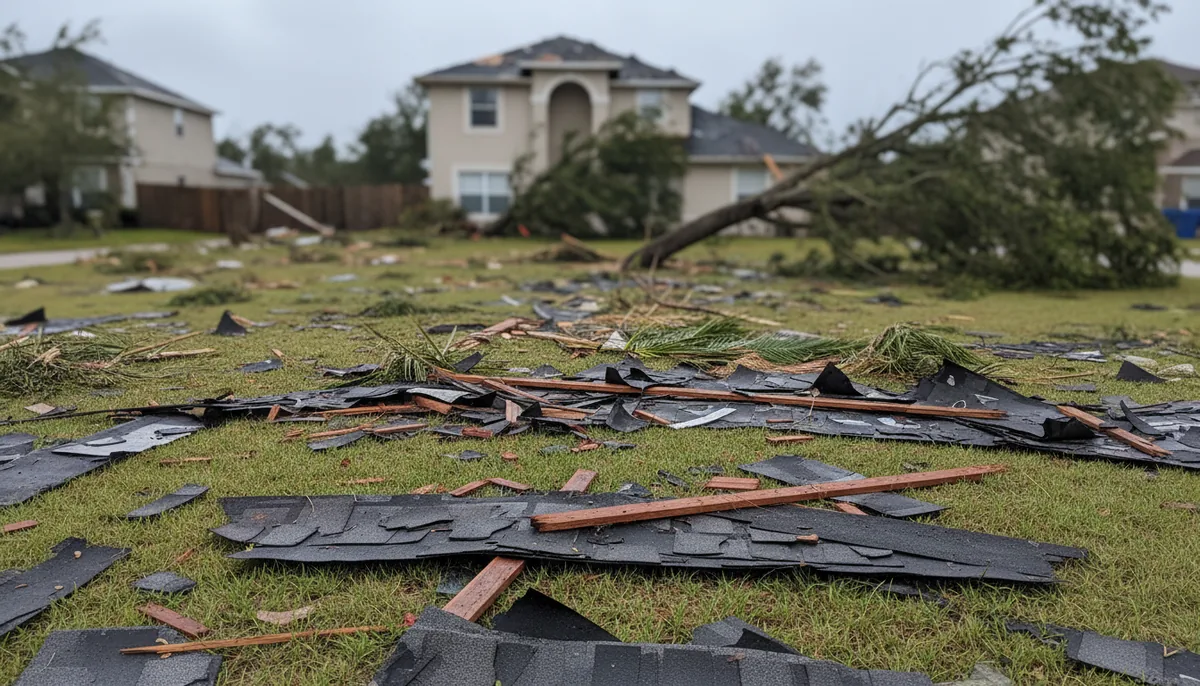
The old 25% rule still floats around in truck talk. Under the older Florida Building Code, if more than a quarter of the roof got repaired or replaced within any 12-month period, the whole roof had to be brought up to current