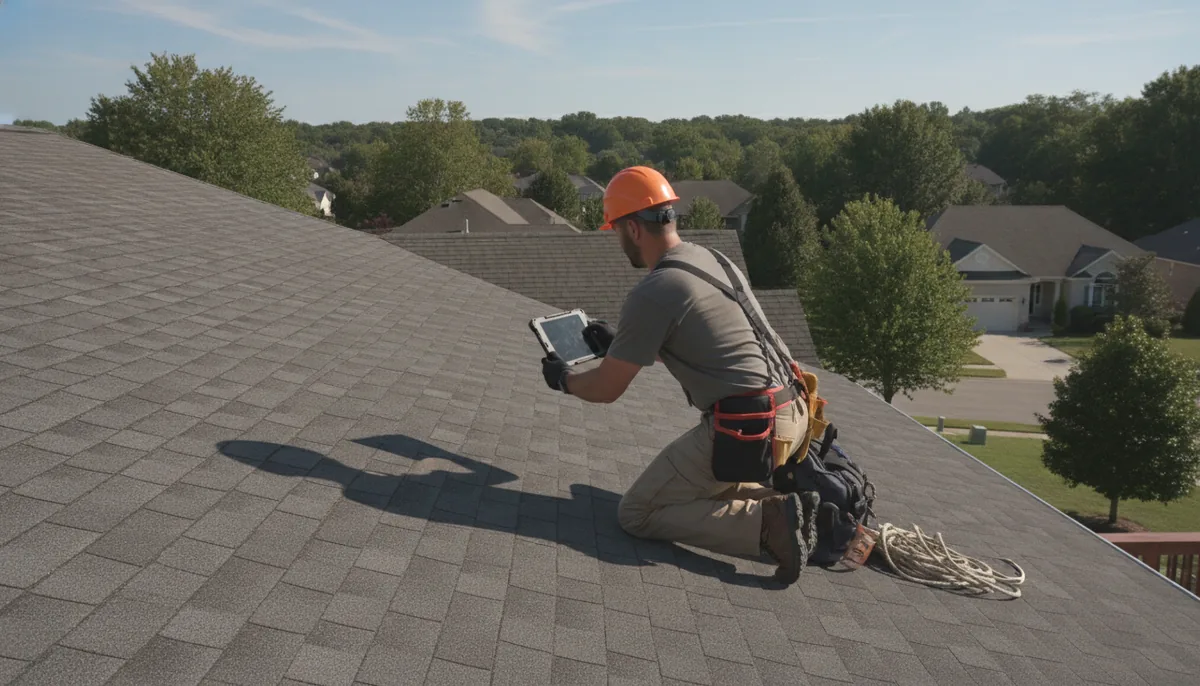
Does insurance cover roof replacement florida: What Florida Homeowners Should Know
By Renata Alvarez, Former property claims adjuster. Reviewed by Hal Winstead, Editor, licensed roofing contractor.
That July afternoon in Cape Coral is the one I think of when someone asks wether insurance covers roof replacement in Florida. The homeowner had genuine wind damage — torn shingles, a deck that had shifted — but he filed seventeen months after the storm because his brother-in-law told him insurers stall if you call too soon. The leak got bad. The stall was his. By the time he had estimates from roof replacement companies in Florida, he’d already missed the filing deadline in Florida Statute 627.70132, and no roofer can carry a claim past that.
I’m Renata Alvarez. Nine years adjusting residential roof claims across Florida, two of those hurricane seasons on catastrophe response. I’ve crawled across more shingle and tile than I care to remember, and I of been wrong about this before. But here’s one thing I stopped being wrong about early: coverage is a contract. It runs on dates and definitions. The roof is just the reason you opened the contract.
So if the search that brought you here reads "does insurance cover roof replacement Florida," you’re not alone, and it’s not a dumb question. It’s incomplete. The real question is whether your policy covers your roof replacement, at this address, for this loss date, under this policy form. I’m not a lawyer and I’m not your adjuster anymore. I’m just the person who has read a few thousand of these files.
The one-year deadline is where homeowners lose
Florida Statute 627.70132, as amended in 2022, gives you one year from the date of loss to notify your insurer of an initial or reopened property insurance claim. Supplemental claims get eighteen months for damage found after the original claim. The clock runs from the date the damage happened — not the date you found it, not the date a roofer pointed at it, not the date water finally showed up on your ceiling.
Before that change, the window was three years. A lot of old advice still runs on three-year logic. I hear it constantly. "You’ve got time." If a storm hit your roof eleven months ago, you don’t have time. You have this month. Missing the deadline gives the insurer a complete defense, even on a loss that is otherwise fully covered. I’ve watched that gut people.
What I would actually do: Send your insurer written notice of the claim before you get a single estimate. You don’t need to know the damage amount to file a claim. You can sort numbers out later; you cannot sort out a missed deadline.

Your policy is the contract — read it before the roofer does
Here is the honest answer I gave for nine years: it depends entirely on what your policy says. Coverage varies from one policy to the next, and nobody can tell you what yours covers except the document itself. The declarations page shows your roof limit, your deductible, and the endorsements you actualy paid for. The policy form tells you how the insurer treats wind, hail, and depreciation. Read both before you call anyone.
Most homeowners read the premium and skip the terms. Then a storm comes, and the first time they see the word "actual cash value" is when they’re standing in their driveway crying. The time to learn what your policy pays is at renewal — not after the water stains. And here’s the part that surprises people: a roofer sees broken shingles and says "storm." An adjuster has to prove cause. Wear and tear doesn’t become a claim just because it finally started leaking.
What I would actually do: Pull the last full policy document your insurer sent at renewal, not just the declarations page. Look up "roof," "wind," and "exclusion." If you don’t understand a sentence, email your agent and ask what it means before you ever file.
The old 25% rule changed — that changes your claim size
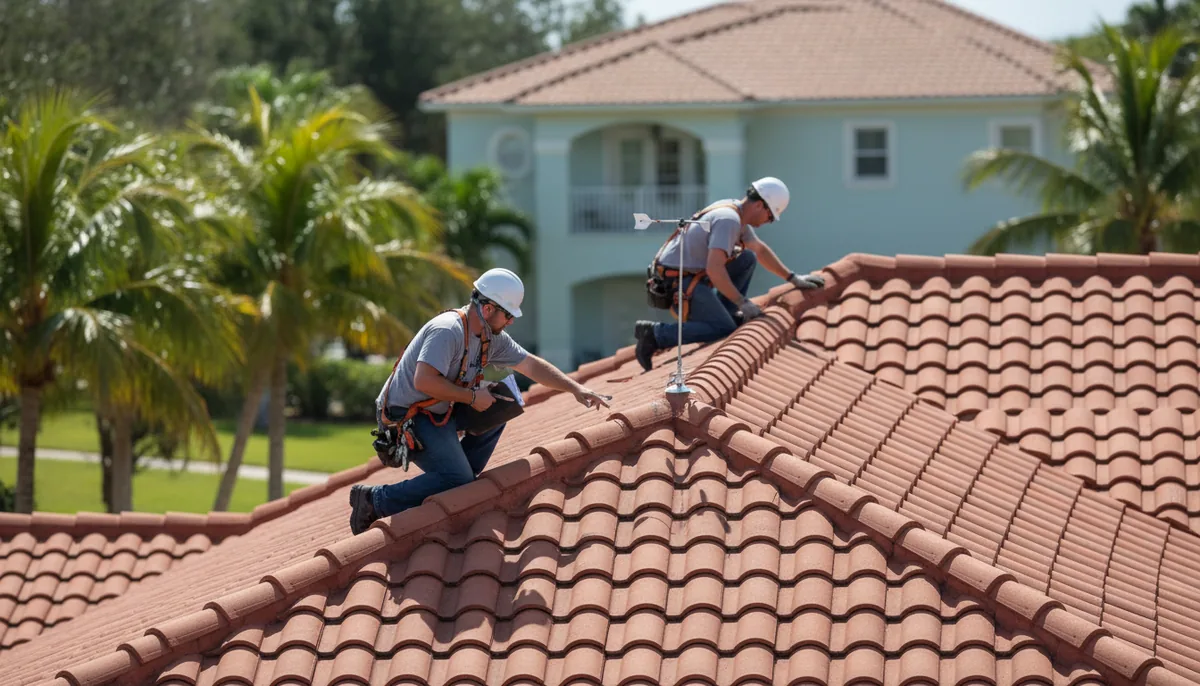
Florida roofers used to talk about the "25% rule" all the time. It came out of the building code: if you repaired or replaced more than a quarter of a roof in any twelve-month period, the whole roof had to be brought up to the current code. That single rule turned a modest repair into a full roof replacement on paper — and it drove alot of insurance dollars.
SB 4-D (2022) changed that. If the roof was built, repaired, or replaced under the 2007 Florida building code edition or any later one, then only the part being worked on has to meet current code. The full replacement is no longer automatically triggered just by crossing that old 25% mark. Roofs finished before that code edition took effect — call it around March 2009 — generally don’t qualify, so the age of your roof’s code edition matters more than the age of your shingles.
This is where I will allow one digression, because I’m still not over it. A homeowner in Fort Myers once "repaired" his own roof with a tarp, six cinder blocks, and duct tape. It was not a repair. The tarp beat granules off every shingle it touched for two months. There are things you can do while you wait for an adjuster, and then there is whatever that was.
The point is this: the insurance question and the code question are seperate. Ask a roofer whether the work legally requires only the damaged part to meet code, or whether the whole roof is in play. That answer changes your number.
The wind mitigation inspection is the cheapest discount you’ll buy
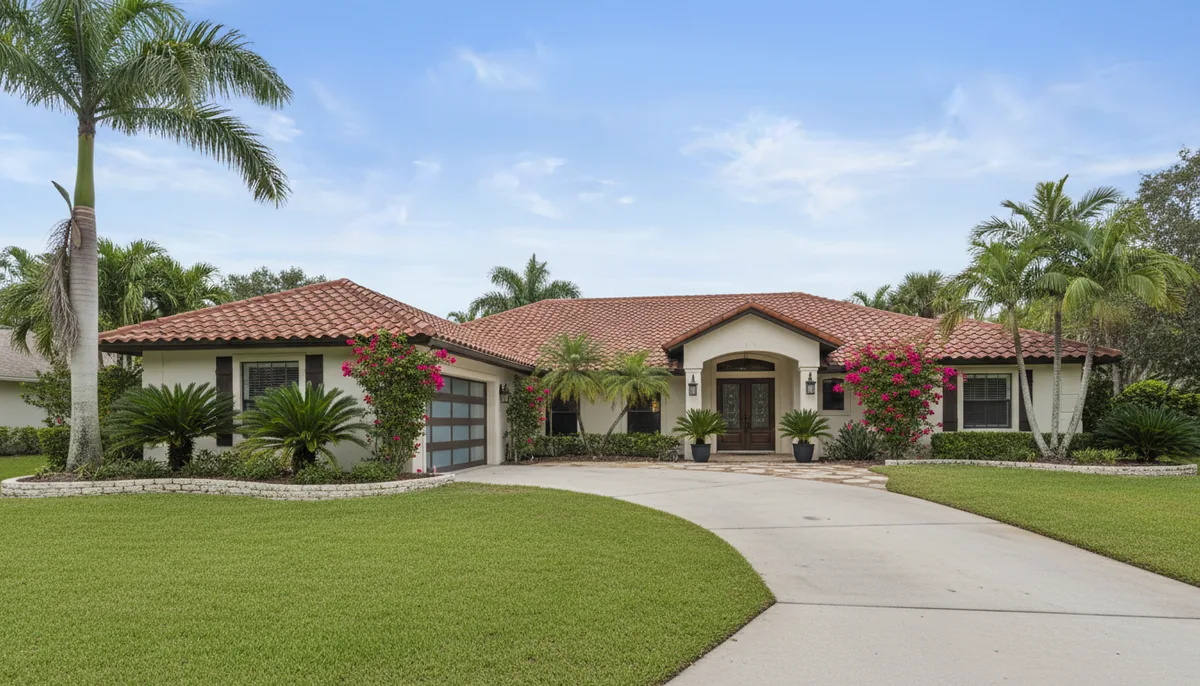
Florida’s standard wind mitigation inspection form, OIR-B1-1802, is how your insurer decides which discounts you get for features that keep a roof on the house during a storm. The inspector documents the roof covering, deck attachment, roof-to-wall connection, roof geometry, secondary water resistance, and opening protection. Florida insurers must offer premium discounts for qualifying features. The inspection costs far less than the annual discount it can open up.
Timing matters more than people expect. If you’re replacing a roof, schedule the inspection before the roofer covers the deck. Once the new shingles or tiles go down, nobody can verify the nail pattern or the roof-to-wall ties without tearing the new roof apart. A five-minute look at an open deck
More from the site
- Supplemental roof claim florida: What Florida Homeowners Should Know
- Florida building code for roof replacement pdf: What Florida Homeowners Should Know
- Central florida insurance roof restoration: What Florida Homeowners Should Know
- Insurance roof replacement florida: What Florida Homeowners Should Know
- Roofing insurance florida news: What Florida Homeowners Should Know