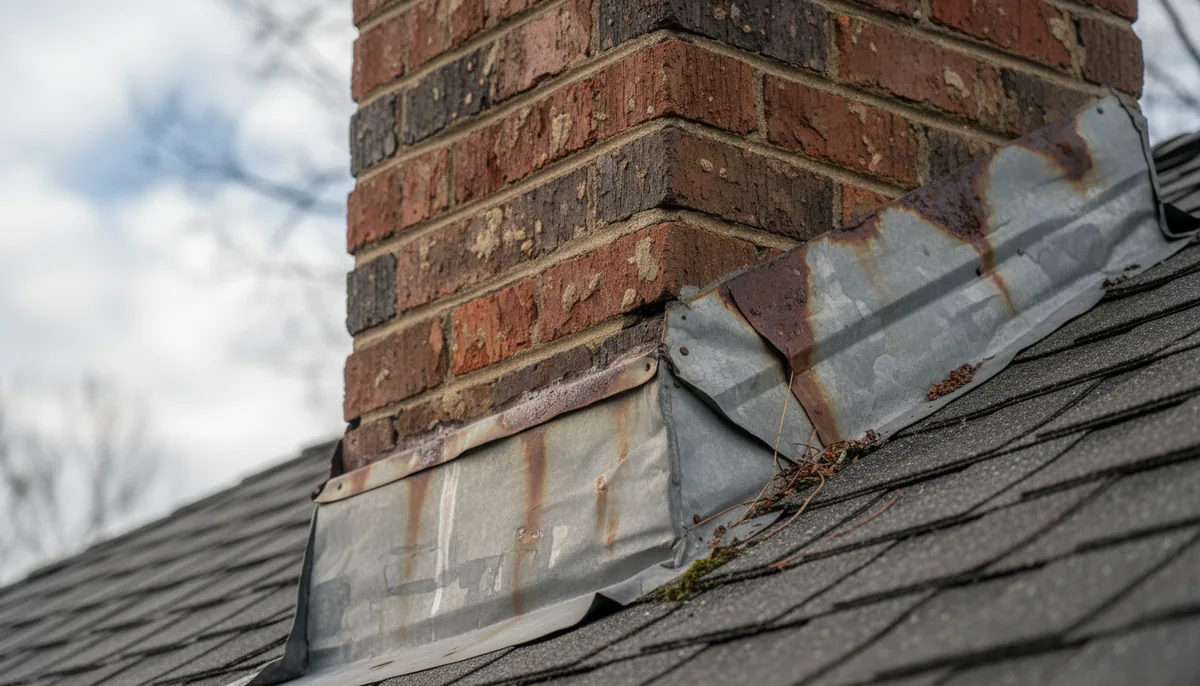
Emergency roof repair ne Florida storm damage — How Bad Is It, Really?
By Dale Prescott, Roofing contractor, Central Florida. Reviewed by Hal Winstead, Editor, licensed roofing contractor. It was a Tuesday afternoon in September, and I was standing on a tile roof in DeLand that had met the wrong end of a falling oak limb. The homeowner was a retired schoolteacher, and she kept saying the same thing over and over. “Is it going to cave in?” The limb had punched a hole the size of a beach ball through the barrel tile and the plywood deck, and through that hole I could see her dining room table with a sheet of plastic draped over it. She had a bucket catching drip water that was already half full. That’s when I learned the first thing I’ll tell you about storm damage: the roof is always worse than it looks from the yard, and the water is always finding a way down.
I walked her through the whole thing—what was an emergency, what could wait, and what her insurance was going to ask for. I've torn off more storm-damaged roofs between Orlando and the coast than I care to count, and this one was about as textbook as they come. That same week, I had three other calls from the same storm system, all of them asking the same question. People see a missing shingle or a tarp flapping and they don't know if they're looking at a $500 fix or a $30,000 replacement. If you're in that boat right now, you need real answers, not a sales pitch. The first thing you need to do is get eyes on it, and if you don't have a contractor you trust yet, you can find a list of verified storm damage roofing companies in Florida that aren't going to vanish after the check clears.
Don't panic yet, though. Let's talk about what that hole in your roof actually means.
First, stop the bleeding. Then stop the panic.
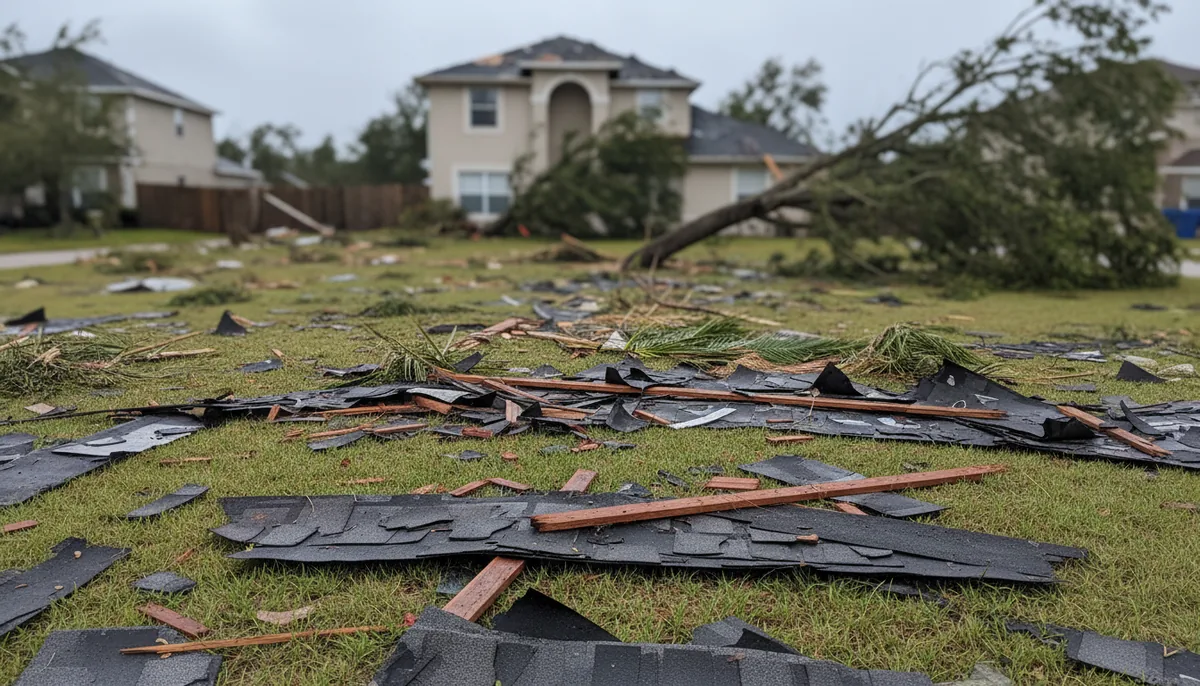
Your roof is a system. When it gets opened up by a storm, the damage isn't just the hole you can see. The water that ran down your rafters, soaked into your insulation, and dripped through your ceiling drywall is part of the damage too. The tarp is temporary, but it is the most importent temporary thing you'll ever buy. Get one up there before the next squall line comes through. A good roofer will do that as part of the emergency service call, not as a seperate upcharge that requires a second mortgage.
The real question is always about the extent of the damage under the shingles or tiles. I have been wrong about this before. A roof that looks like it just needs a few new shingles might have decking that's rotted to the point where you can push your thumb through it. Conversely, I've seen a roof that looked like a bomb went off that only needed a few sheets of plywood and some new felt. The only way to know is to get somebody up there to actually pull back the material. That takes time, and time is not your friend during Florida storm season.
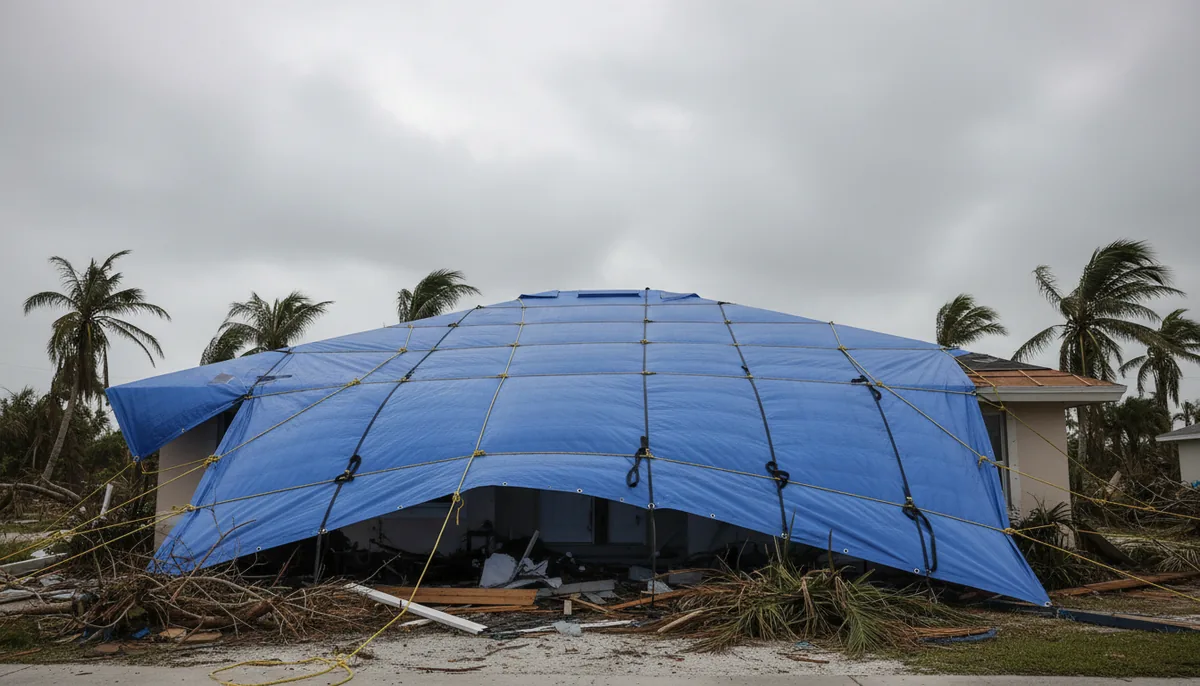
The 25% rule is gone. Here is what that means for you
For years, I had to give homeowners the worst news in the business. Florida had what we called the 25% rule. If your roof had more than a quarter of it's area damaged, the building code forced you to bring the whole roof up to current code standards. For an older roof on a ranch house, that was often a full replacement you weren't planning on. It caught a lot of people off guard.
That changed in 2022. The state legislature passed SB 4-D, and the old automatic full-roof trigger is mostly gone. Under the new law, if your roof was built, repaired, or replaced under the 2007 Florida Building Code or anything newer, only the section you're working on has to meet the current code. You don't automatically have to redo the whole thing just because the damage crossed an arbitrary percentage line. The catch is the date. The 2007 code didn't take effect until March 1, 2009. If your roof is older than that, you're likely still looking at a full replacement because the roof itself doesn't qualify for the partial repair exception. I'd say about half the roofs I look at in this part of Central Florida were put on before 2009, so check your records or just ask your roofer to verify the permit history.
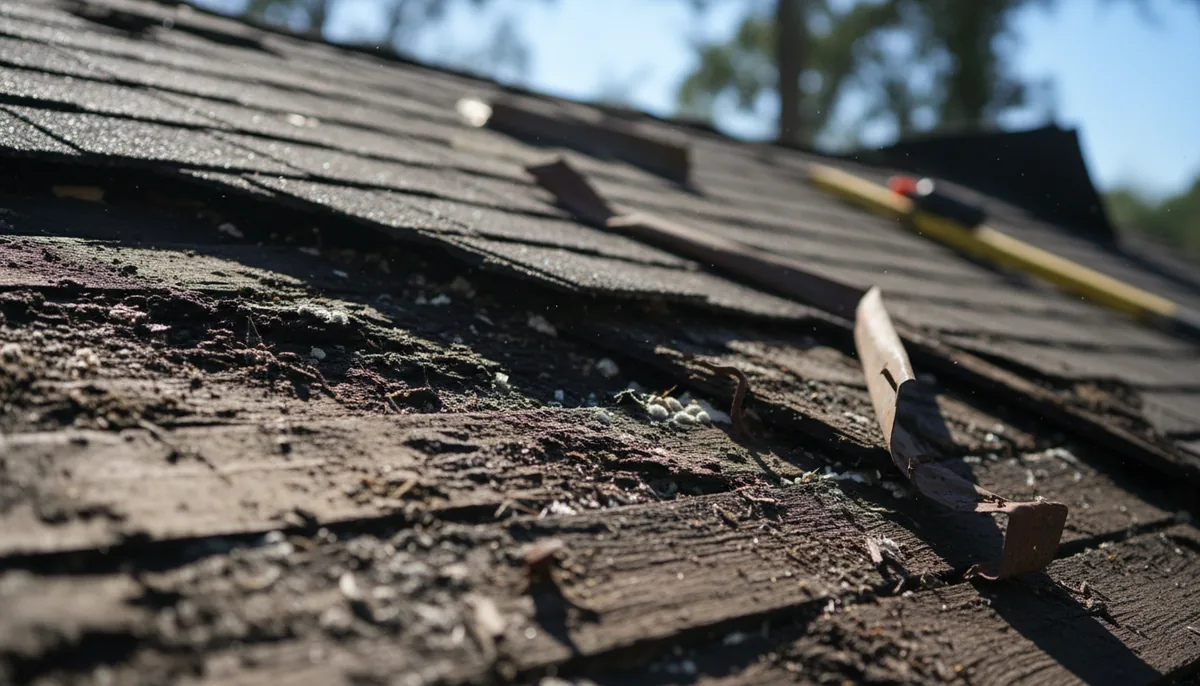
You have a deadline, and it's shorter than you think
Here’s where I have to put my foot down. I'm a contractor, not a lawyer, and I don't play one on the phone. But I know enough to tell you to read your insurance paperwork today, not next month. Florida Statute 627.70132 sets a hard deadline for telling your insurer about damage. For a first claim or a reopened claim, you have one year from the date of loss. For a supplemental claim—that's when you find more damage after the initial repair starts—you have 18 months.
The kicker is that the clock starts ticking on the day the storm hit, not the day you notice the leak. That's a change that has bitten more than a few of my customers. If Hurricane Whatever blew through in September but you didn't notice the water stain until February, you haven't got until next February to file. You've already missed the deadline. Missing it gives the insurance company a complete defense, even if the loss is totally covered. I have seen people eat the cost of a $20,000 roof because they waited eighteen months to call. Don't be that person. Look at your policy's declarations page and call your agent to confirm your specific coverage. I can't tell you what your policy covers because coverage varies wildly from one policy to the next, but I can tell you that the deadline is real, and it is not your friend.
What I would actually do: If my roof was damaged recently, I'd take photos of the damage from the ground and the roof, cover any breaches with a tarp, and call my insurance company within the week. Not next month. This week.
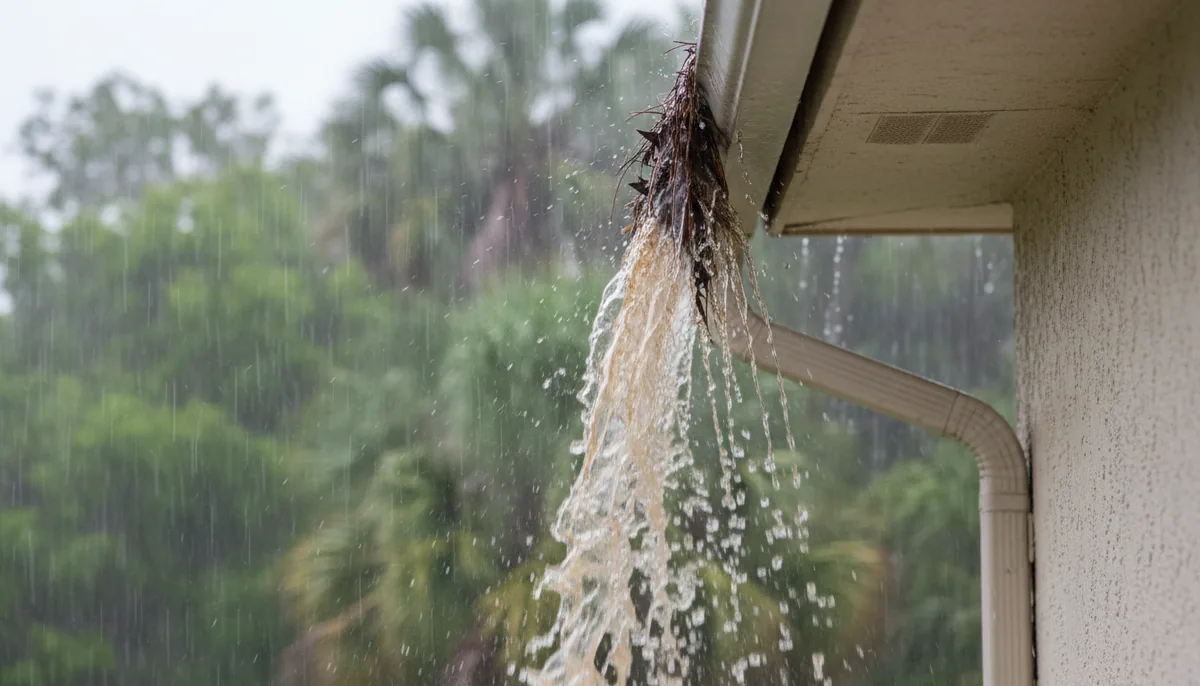
The permit is not optional
Nobody likes paperwork. I get it. But if a contractor tells you that you don't need a permit for a roof replacement in Florida, you need to show them the door. A roof replacement requires a permit pulled from your local building department, and it requires an inspection. That permit is your paper trail. Without it, you can have a nightmare on your hands when you try to file an insurance claim later or sell your house.
An unpermitted roof is a red flag that travels with the house. The buyer's inspector will find it, the buyer's lender might balk, and you'll be stuck negotiating a price cut or paying for a new roof out of pocket just to make the sale work. The inspection part is also there to protect you. I might grumble about the inspector taking his time, but I want him to look at my flashing and my nailing pattern. It means the work actually got done right, and there's a government official who agrees with me.
Who is actually licensed to work on your roof?
Florida roofing contractors are licensed by the Department of Business and Professional Regulation, the DBPR. You need to understand the two license types. A certified contractor has a license number starting with CCC and can work anywhere in the state. A registered contractor has a number starting with RC and can only work in the local jurisdiction where they got the license. That's a big distinction, especially if your house is on the line between counties or if you're dealing with someone who came up from South Florida after a storm looking for work.
I can't tell you if any specific company is good, and I won't. The Florida Roofing Directory verifies licenses against the DBPR roll for me. You should of do the same. Pull up the DBPR website and check that the license number is active. It takes two minutes. A valid license number means they have the insurance and the bond required to work in this state. It doesn't guarantee they won't drop a hammer on their foot, but it means you have some recourse if they do.
What I would actually do: I'd ask for the license number before I let them set a ladder on my property. Then I'd check it on the DBPR site right in front of them. A legitimate contractor won't flinch.
The insurance company's side of the story
You need to understand what your adjuster is looking at. They are looking for pre-existing damage, for wear and tear that has nothing to do with the storm, and for signs that the roof was already failing. If your roof is 20 years old and the shingles are brittle, and then a storm comes and takes a few of them off, the adjuster might rightfully say that the loss is only for the shingles that blew off, not for your entire tired roof. That's not the insurance company being evil. That's the policy working the way it was written.
Your job is to make the distinction clear. A new tear-off and replacement is priced per square, and the final number depends on pitch and access. A repair is different. The adjuster will want to see that the damage is from wind or impact, not from age and neglect. If you have a roofer who knows how to document storm damage—that means marking up photos, measuring the exact area, and describing the cause of loss in language an adjuster can't misinterpret—that makes the whole proccess smoother. We are not just there to swing hammers. We are there to tell the story of your roof to the person writing the check.
My Safe Florida Home and other help
There is a state program called My Safe Florida Home that helps with things like wind mitigation inspections and grants for hardening your home against storms. It isn't a roofing program, but if you qualify, the inspection can give you a credit on your insurance and a list of improvements that could make your roof survive the next storm better. It doesn't pay for a full replacement, but it can help with things like reinforcing your roof-to-wall connections or upgrading your secondary water barrier. I bring it up because a lot of my customers have never heard of it, and it's one of the few things the state does that actually puts money back in your pocket.
The one storm after the other down here makes it easy to just look up at the sky and worry. But you are better than that. You know that a roof is just a series of nails, felt, and shingles held together by friction and gravity, and you know that when it fails, you have options. The first one is to make the call. The second is to make it soon.
Questions I get asked
How do I know if I need a full roof replacement or just a repair?
The answer depends on what your roofer finds when they pull back the damaged area. If the decking is solid and the underlayment is intact, you can probably get away with a repair. If the wood is rotted, the underlayment is shredded, or the damage covers a large area, you might be looking at a full replacement. Just remember that if your roof was installed before 2009, the SB 4-D rules probably don't apply to you, and you'll likely need to replace the whole thing anyway.
Will my insurance company drop me if I file a claim?
That's a policy question, not a roofing question. Coverage is specific to your situation. I will tell you that we've all seen the landscape change in Florida, but you are paying premiums for a reason. Read your declarations page, and if you're scared of a rate hike, you need to weigh that against the cost of paying for the roof yourself. It's a math problem only you can solve.
Can the insurance company use the age of my roof against me?
Yes. It is a factor in how they calculate the actual cash value of your claim versus the replacement cost. An older roof has depreciated, so if a storm takes thirty percent of it off, you may only get a check for the depreciated value of the damaged section, not the cost of a brand new roof. That's why the condition of the undamaged portions matters so much.