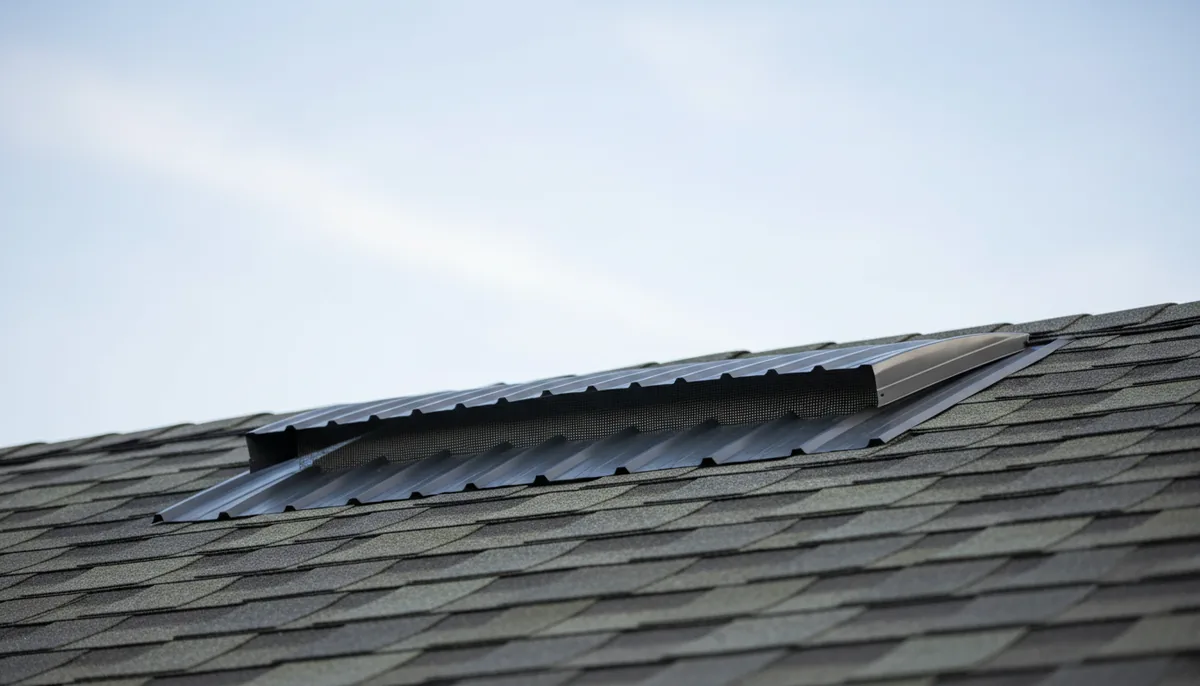
Florida native roofing: The Florida Guide
By Marcy Doleman, Commercial roofing estimator. Reviewed by Hal Winstead, Editor, licensed roofing contractor.
Looking for Florida Native Roofing, Inc.? They are listed in this directory, in Palm Bay, with their Florida DBPR licence number and whether that licence is currently active. See the Florida Native Roofing, Inc. listing.
I was up on a TPO roof in Ocala, middle of July, heat coming off the membrane like a griddle, when the building owner asked me why we couldn't just patch the old modified bitumen and call it a day. I knelt down, put my palm flat on the blistering surface, and pulled up a piece of the old cap sheet that crumbled like a stale cracker. That roof was done, and I had to be the one to tell him his "cheap fix" was going to cost him double in eighteen months. That's the job, right there—telling people what they need to hear before the wheather does it for you.
I'm Marcy Doleman. I estimate commercial flat and low-slope work across this state, which means I spend my life looking at warehouses, retail plazas, and school roofs that have seen better decades. I've been wrong before, and I'll be wrong again, but the thing I'm never wrong about is this: Florida does not forgive a bad roof decision. Between the sun, the sideways rain, and the fact that a Category 2 breeze will turn a loose flashing into a waterfall, you have to treat a roof like the serious piece of infrastructure it is. If you're starting a search for help, make sure you're looking at roofing companies in Florida who understand the local game, not some out-of-state outfit chasing storm work.
Here's a gripe I can't help myself from airing. I have stood on roofs in January wearing a t-shirt while the rest of the country is shoveling snow, and I have also stood on the same roof in what felt like a sauna with a hair dryer aimed at my neck. The weather here is not a minor consideration; it is the entire ballgame. And yet, I still get calls from owners who think a roof is just a flat thing that sits on top of their building until it leaks. It's not. It's a system, and it needs to be treated like one.
What "Florida native roofing" means on a permit
The first thing to understand is that the term doesn't mean a material. It means a method. Roofing in Florida is governed by a building code that accounts for high-velocity hurricane zones, and a contractor who knows what they're doing builds to that code from the deck up. There's no national standard that applies here the way it does in Ohio. When I write an estimate for a roof replacement in Tampa or Fort Myers, I am not just pricing the membrane and the insulation— I am pricing the attachment pattern, the fasteners, the edge metal, and the way the whole assembly ties into the walls.
That's why you need someone who actually works here. The nuances of wind uplift and secondary water resistance aren't things you pick up from a YouTube video. And if a contractor tells you they can skip the permit and just get it done, you walk. A roof replacement in Florida requires a permit pulled from the local building department, and an inspection. An unpermitted roof is a nightmare you don't want to own; it can complicate an insurance claim and it will absolutely come up when you try to sell the building. I have seen deals fall apart over an unpermitted roof. Don't let that be you.
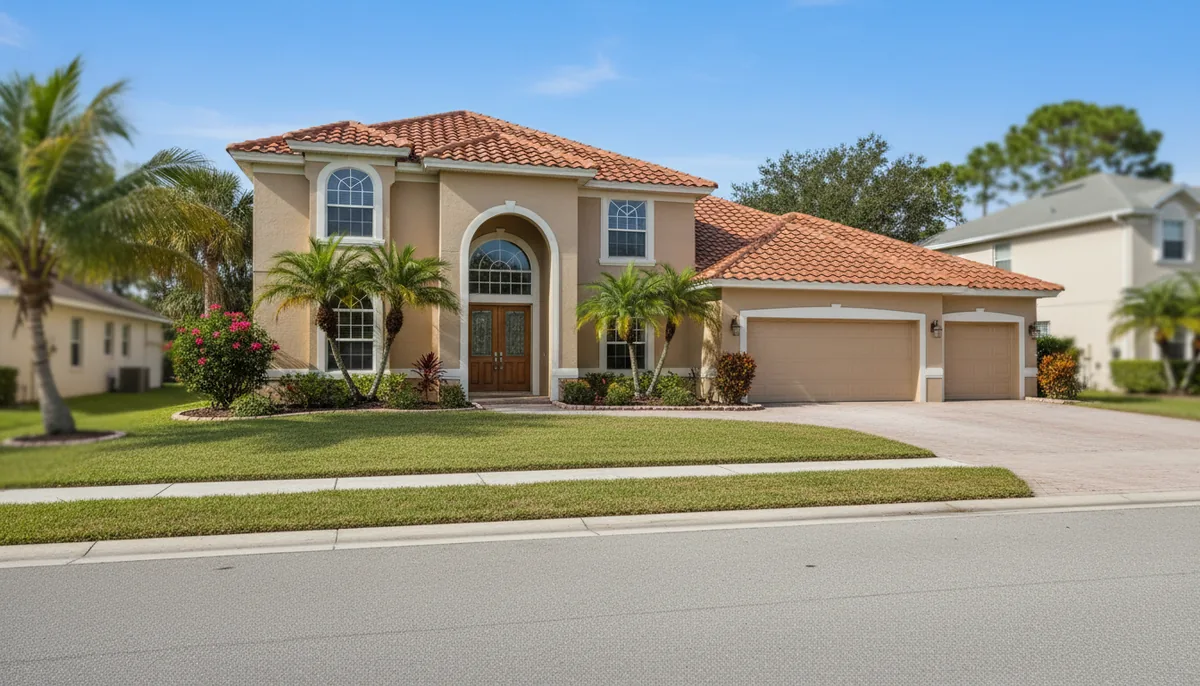
Checking the license before they so much as step on a ladder
Before we talk about anything else, we need to talk about who is allowed to do this work. Florida roofing contractors are licensed by the Department of Business and Professional Regulation, which we all just call the DBPR. There are two flavors of license, and the distinction matters. A certified roofing contractor holds a license that begins with the letters CCC, and that person can work anywhere in the state. A registered roofing contractor holds a license begining with RC, and that person is restricted to the local jurisdiction that licensed them. I've seen an RC guy from one county get a call to do a job two hours away, and I've had to be the one to break the news that he can't legally do it.
Always verify that the license number is active before you let anyone start ripping off your old roof. You can check the roll right on the DBPR website. It takes two minutes. A guy can be the nicest person in the world and still have a revoked license. Don't take their word for it, don't take their business card for it. Check the number yourself. I check my own subs against the roll before I let them on a project, and I've been doing this for years. You should of check too.
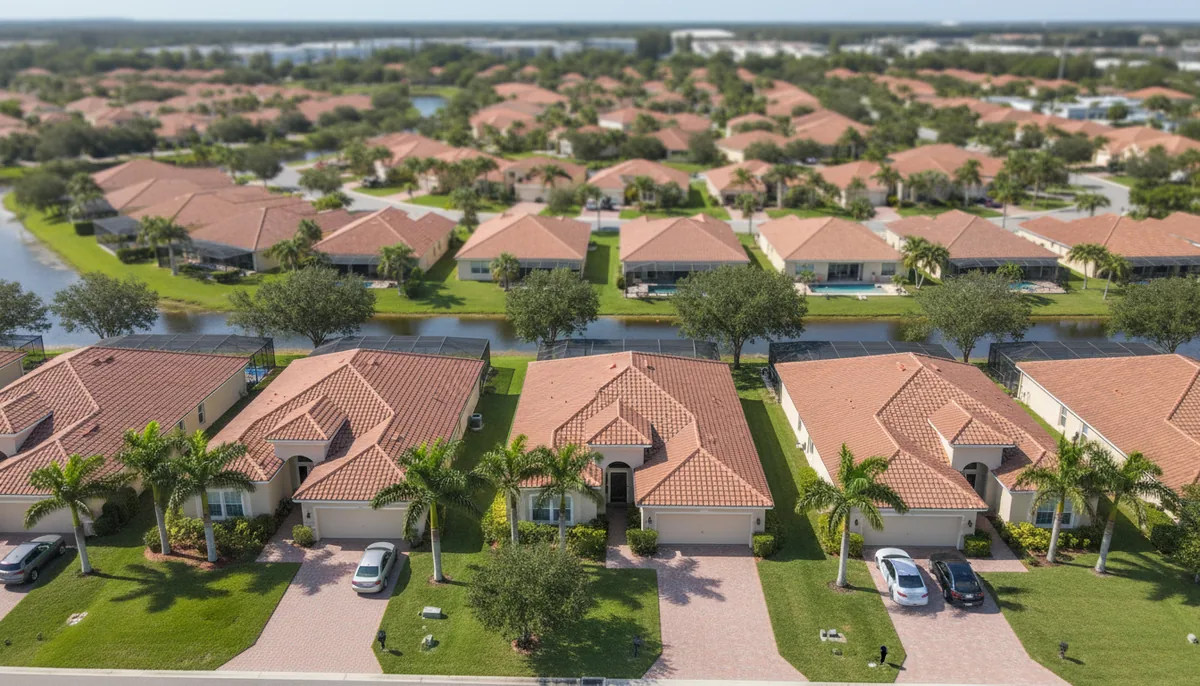
The 25% rule just changed, and a lot of people missed it
Here's where it gets tricky, so pay attention. For years, the Florida Building Code had this thing we all called the 25% rule. It meant that if you repaired or replaced more than 25% of your roof in any 12-month period, you had to bring the entire roof up to current code. That could force a full replacement you weren't planning on, and it made a lot of owners skittish about fixing genuine problems. The rule was a bear to work around.
But then the Legislature passed SB 4-D, which took effect on May 26, 2022. That changed the game. Now, if your roof was built, repaired, or replaced under the 2007 Florida Building Code or any later edition, then only the portion you're working on has to meet current code. A full replacement isn't automatically triggered anymore. The 2007 code took effect on March 1, 2009, so roofs completed before that date generally don't qualify for the easier path. Call it a reward for having a newer roof, and a headache for those of us with older buildings.
I still see contractors and building owners operating under the old assumption, thinking that a minor repair will balloon into a full replacement. That's why I tell my clients to ask the question directly: does the age of my roof mean this repair triggers a code upgrade for the whole thing? The answer depends on when the roof was originally completed, so I always pull the permit history before I give a definitive answer. Depends what is under there. It always does.
What I would actually do: Before I bid a repair on an older roof, I would pull the original permit and check the completion date against that March 2009 cutoff. If the roof predates it, I'd flag the risk. If it's newer, I'd write the scope for the repair only and make sure the building department sees it the same way.
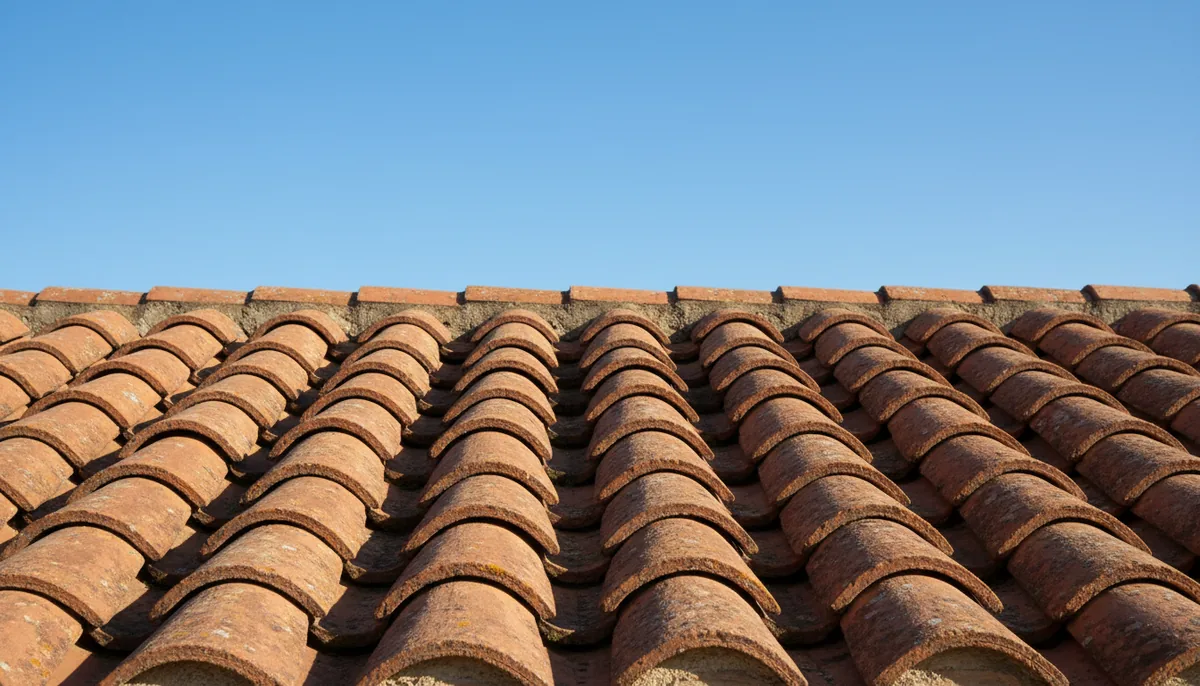
Wind mitigation: the cheapest money you'll ever make
Here's something that drives me crazy. A wind mitigation inspection can save you real money on your insurance premiums, and most owners have never heard of it. The inspection documents six things: the roof covering, the roof deck attachment, the roof-to-wall connection, the roof geometry, the secondary water resistance, and the opening protection. The standard form for this is OIR-B1-1802, and Florida insurers are required to offer premium discounts for qualifying features. I have seen these inspections open up savings far larger than the cost of the inspection itself.
The thing is, I'm not a licensed adjuster and I'm not an insurance agent, so I can't tell you exactly what your policy will reward. Coverage varies by policy, full stop. But I can tell you that the mechanism exists, and that it's worth your time to ask about it. The inspection is usually done by someone who knows what they're looking at, like a wind mitigation inspector, and it costs a fraction of what it can save you on an annual basis. A roof with proper hurricane ties and a sealed deck is worth more than just reassurance—it's worth a discount in black and white.
I did a job down in Cape Coral a few years back where the owner had been paying top dollar for years. We did a wind mitigation inspection as part of the roof replacement, and the features we installed—the deck attachment, the secondary waterproofing, the whole works—qualified them for discounts they didn't even know existed. It was like finding money. And all it cost them was the time to schedule the inspection.
What I would actually do: I wouldn't let a roofer hand you a wind mitigation form and call it a day. I'd hire an independent inspector who isn't trying to sell you a roof. The whole point is to document what's actually there, not what a salesperson wants you to beleive is there.
Why the price per square depends on more than you think
When I send out a bid, it's priced per square, which is roofing jargon for a 10-foot by 10-foot area, or 100 square feet. But that number I quote depends on a ton of variables. Pitch matters, though honestly, for commercial work it's usually flat or low-slope. Access matters—can we get a crane in, or are we hauling material up an interior stairwell? The condition of the existing deck matters, and that's a big unknown until we open things up. I have been wrong about this before, where I looked at a deck from underneath, figured it was solid, and then pulled off the old layers to find rot that needed replacing. It happens.
The bottom line is that I can give you an accurate number after I see the roof, not before. If a contractor gives you a firm bid over the phone without ever looking at your building, that's a red flag. They're either guessing high to cover their own risk, or guessing low and hoping they don't hit the bad spots. Neither is good for you.
Questions I get asked
Why won't you give me a price over the phone?
Because I haven't seen your roof. I'm happy to give you a ballpark range based on square footage, but the actual number depends on the condition of the existing membrane, the amount of wet insulation, the flashings, the penetrations, and what access looks like for the crew. There are too many variables to guess and be honest.
Do I need a full replacement or can I just coat it?
It depends on what is under there. Coatings are a legitimate system, but they need a sound substrate to work. If the old membrane is delaminating or the insulation underneath is wet, a coating is just an expensive way to trap moisture against your deck. I always do a moisture survey before I recommend a coating over an existing roof.
What's the deal with that Citizens insurance company?
Citizens Property Insurance Corporation is the state's insurer of last resort, and they have their own requirements for roof inspections and condition. If your property is insured through Citizens, read your policy carefully and check their guidelines. I'm not an expert on their underwriting rules, and they change, so I point people to their own declaration page and their agent.
Is a metal roof better than TPO?
For a commercial flat roof, I usually lean toward TPO or modified bitumen, depending on the building. Metal has it's place, especially on a steep-slope or a specialty project, but for a big box store or a school, a single-ply membrane is often the more practical and cost-effective choice. It depends on the budget and the existing structure.
Can you help me with my insurance claim?
I can give you a detailed scope of work and a line-item estimate that you can hand to your adjuster. But I'm not a public adjuster and I'm not going to act like one. I can document what's wrong and what it should cost to fix it. The rest is between you and your policy.
How long will my new roof last?
Give or take twenty to thirty years for a properly installed TPO or modified bitumen system, assuming it's maintained and you don't get hit by a named storm. But that's a lifetime prediction, and I've seen roofs fail early because of poor installation and roofs last longer because they got lucky. The best thing you can do is hire someone who knows what they're doing and keep the penetrations sealed. That's the secret. That's always the secret.