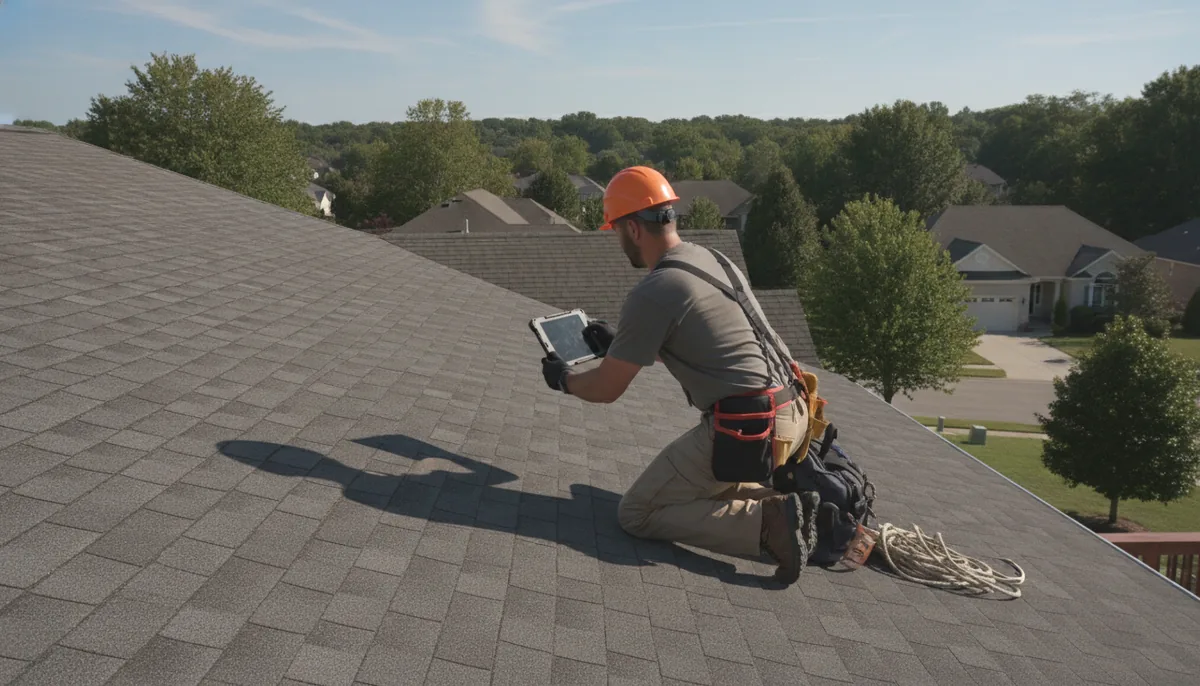
Florida roof permit: What Florida Homeowners Should Know
By Renata Alvarez, Former property claims adjuster. Reviewed by Hal Winstead, Editor, licensed roofing contractor. I spent the better part of a Tuesday afternoon in Cape Coral standing on a barrel-tile roof that was only three years old, watching a homeowner argue with a contractor about permit stickers. The roofer had done the work without pulling a permit, the insurer had denied the claim on a technicality, and the homeowner kept saying, "But the work was good." It was good work. Didn't matter. The permit was missing, and that gave the adjuster an out. I've seen that movie end badly more times than I can count. If you are about to hire anyone to touch your roof, or if you are staring at storm damage and wondering what comes next, you need to understand how permits, licenses, and deadlines actually work in Florida. And if you are shopping around, start with the residential roofing companies in Florida directory, but verify everything I tell you against the state rolls before you sign anything.
The worst part of my old job was telling people their claim was denied for reasons that had nothing to do with the damage. The roof leaked. The wind blew. The coverage was there. But the paperwork wasn't, or the deadline had passed, or the contractor they hired didn't have the right license. You can avoid almost all of that by learning a few basic rules before the storm, not after it. Let me walk you through what I actually checked on every file that crossed my desk.
The permit rule changed in 2022, and most people still quote the old one
Ask ten Florida homeowners about the "25% rule" and nine of them will tell you that if you repair more than a quarter of your roof, you have to replace the whole thing. That used to be true. Back when I started adjusting, it was the law of the land, and it caused alot of full replacements that probably weren't neccessary. Then SB 4-D (2022) came along and changed the math for a lot of people.
Here is the short version. If your roof was built, repaired, or replaced under the 2007 Florida Building Code or anything newer, then only the section you are actually working on has to meet the current code. You don't automatically trigger a full replacement just because you cross that 25% threshold. The catch is the date. The 2007 code took effect on 1 March 2009. If your roof went on before that date, the old rule generally still applies to you. I of been wrong about this before, and I have seen adjusters argue it both ways, so if you are close to that date line, get a structural inspector's opinion in writing before you commit to anything.
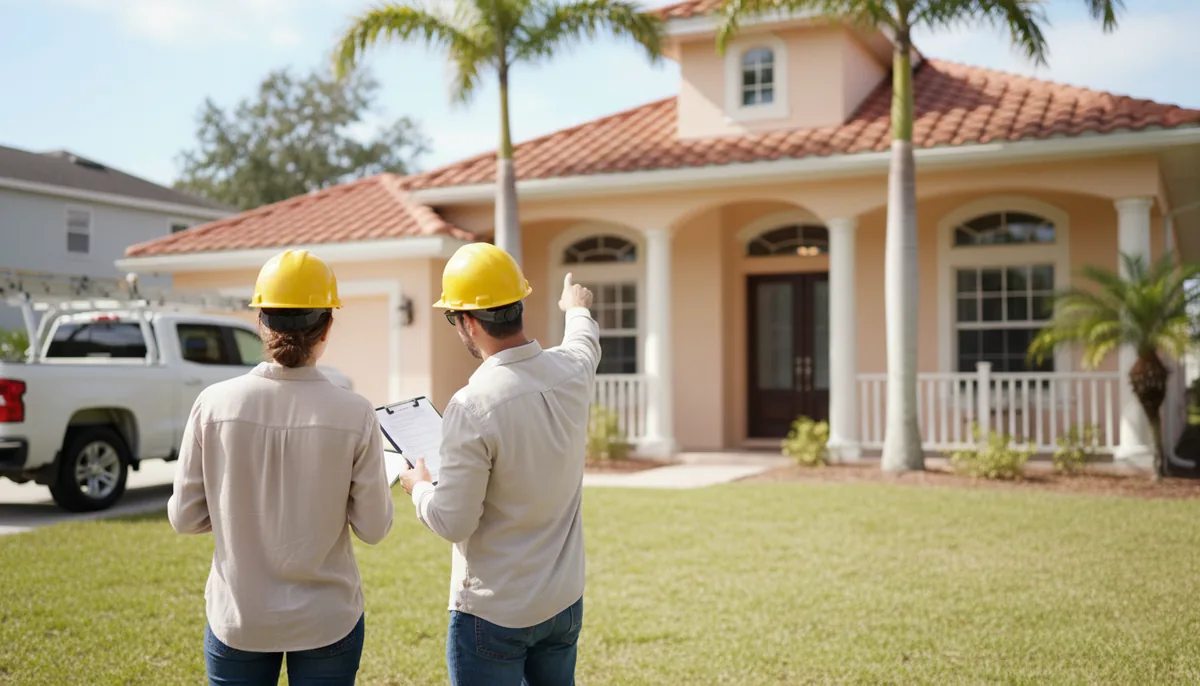
The clock starts when the damage happens, not when you notice it
This is the one that breaks my heart. Florida Statute 627.70132 sets the deadline for notifying your insurer about a claim. It used to be three years. In 2022, it got cut way down. You now have one year to file an initial claim or a reopened claim, and eighteen months for a supplemental claim, all measured from the date of loss. Not the date you discovered the leak. Not the date the contractor finally came out. The date the damage happened.
I remember a lady in Fort Myers who had a slow leak that she didn't catch for almost a year. By the time she called her insurance company, the deadline had passed. Her policy covered the damage. The loss was real. It didn't matter. The insurer had a complete defense just because she missed the window. Read your declarations page. Know your coverage. And if you think you have damage, file the notice early. You can always amend it later. What you cannot do is turn back the clock.
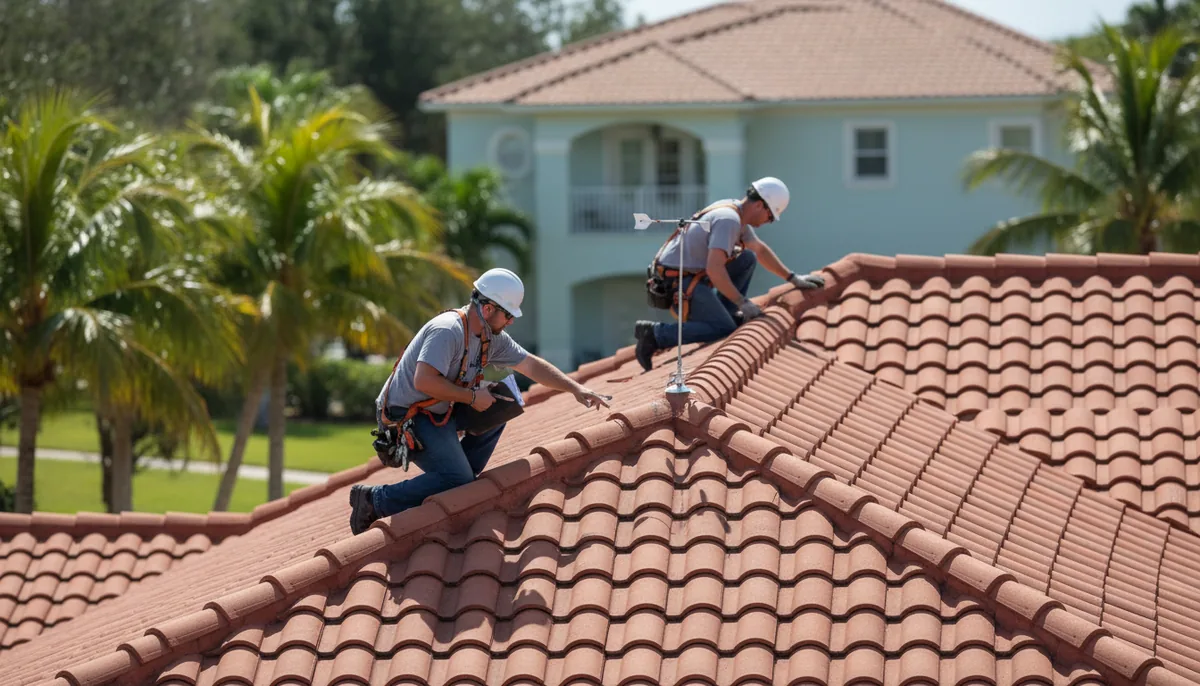
Certified versus registered: the two-letter difference that matters
Every roofing contractor in Florida is licensed by the Department of Business and Professional Regulation, the DBPR. You will see two kinds of licenses, and you need to know the difference because it can bite you at the permit counter.
A certified roofing contractor has a license that starts with CCC. That license is state-wide. They can work anywhere in Florida. A registered contractor has a license starting with RC, and that one is local. They can only work in the jurisdiction that licensed them. If you hire a registered guy to roof a house in the next county over, you are hiring someone working outside their legal authority. A local building department can flag that. Your insurer can flag that. And if something goes wrong, your permit could be void, which means your claim could be denied. Do yourself a favor. Look up the license number on the DBPR roll and check that it is active before you let anyone on a ladder.
What I would actually do: Before I signed anything, I would pull the contractor's DBPR license number and run it right in front of them. It takes two minutes. Any legitimate roofer expects it.
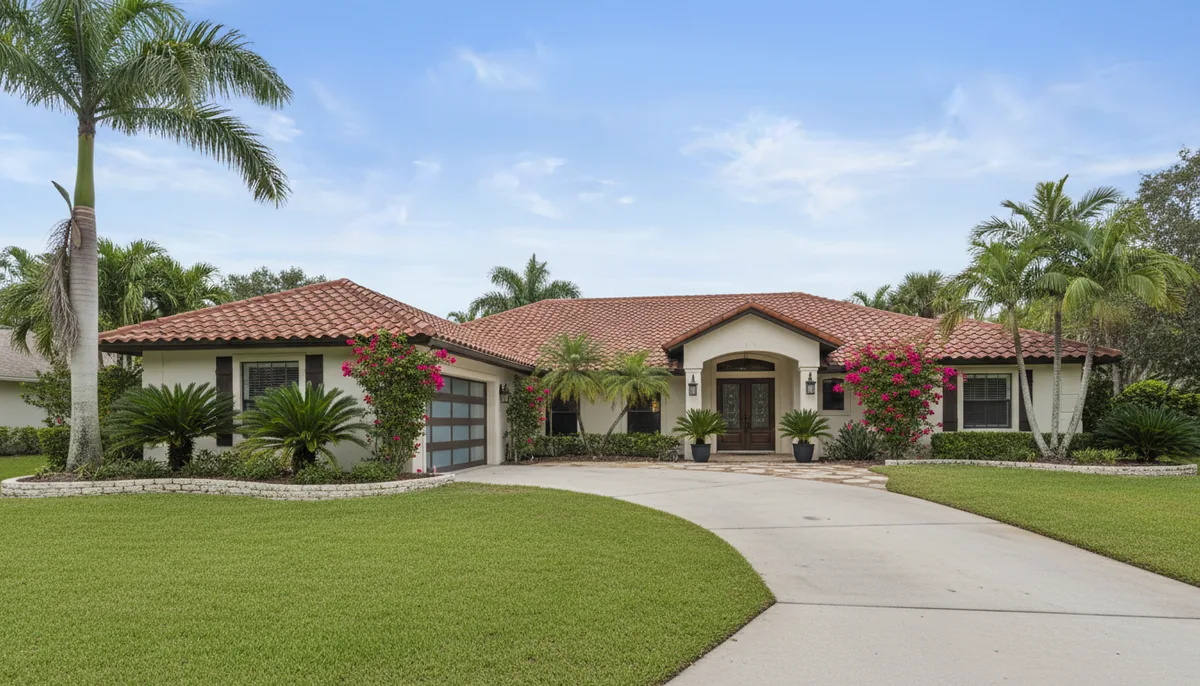
What a wind mitigation inspection actually buys you
Somewhere along the way, homeowners got the idea that a wind mitigation inspection is some kind of scam to sell new roofs. It isn't. It is a document, officially called form OIR-B1-1802, that records how your roof is built. It looks at the roof covering, deck attachment, roof-to-wall connections, roof geometry, secondary water resistance, and your window protections. That is it. There is no magic and no sales pitch involved.
What that form does is tell your insurance company what discounts you qualify for. Florida law requires insurers to offer premium discounts for features that withstand wind better. A hip roof gets a different score than a gable roof. A home with hurricane straps gets a better rate than one with toenails. The inspection costs something, but the discount usually pays for it in a year or two, depending on what is under there. I have seen people shave hundreds off their annual premium just by getting the form filed. It is one of the few things in this state that actually works in the homeowner's favor.
When you end up with Citizens or a state grant
If you cannot find coverage in the private market, you will likely end up with Citizens Property Insurance Corporation. That is the state-backed insurer of last resort. They are not a charity and they are not a bargain. They are what you get when nobody else will take you. If you are with Citizens, you need to be even more careful about your roof and your deadlines because they have a reputation for scrutinizing claims hard.
There is also a program called My Safe Florida Home that can help. It offers free wind mitigation inspections and matching grants for hurricane-hardening improvements, but only to homeowners who meet their criteria. Every year the funding is different, and it can run out fast. I would not assume it is open right now. I would check wether the program is currently accepting applications before you plan any spending around it.
What I would actually do: If a grant program matters to your budget, I would put a calendar reminder to check the program's status every few months, not once. Funding cycles are unpredictable, and the window can open and close before most people notice.
The permit itself is not optional
Here is where I sound like a scold, but somebody has to. A roofing permit is not a suggestion. It is how the local building department verifies that the work meets code. When you pull a permit, an inspector shows up and checks the install. When you skip it, you save a little time and maybe a little money, but you create a permanent problem. If you ever file a claim, the adjuster can pull the permit history. If it is empty, they will assume the worst. I have seen claims denied outright because the roof was installed without a permit, even when the roof was fine. The insurer cannot verify the work, so they treat it as uninsurable.
Contractors who refuse to pull a permit are telling you who they are. Beleive them. A reputable roofer builds the permit fee into the price and schedules the inspection automatically. The only contractors who fight permits are the ones who know they cannot pass the inspection.
Questions I get asked
Does my homeowners insurance cover a roof replacement because it is old?
No. Age alone is not a covered loss. Standard policies cover sudden and accidental damage, like wind or hail, not deterioration from time. If your roof is old and worn, that is a maintenance issue. Read your declarations page to see what your policy actually promises.
Do I need a permit for a small repair?
Under Florida law, most roof repairs need a permit. The exact threshold depends on your local jurisdiction, but "small" rarely means "exempt" when you are working on the roof envelope. If the work involves replacing decking, flashing, or any structural component, you almost certainly need one. When in doubt, call your local building department and ask.
What happens if I sell my house without a permit for the roof?
The buyer's inspector will likely find it, and the title company or the buyer's lender will make a fuss. You might have to get a retrofit inspection or take a price cut. Some counties will flag the property record. I have seen sales fall through over missing roof permits, so it is cheaper to do it right the first time.
How do I check if my contractor is licensed?
Use the DBPR website and search the license number. You are looking for an active status and a license prefix that matches the work they will do. CCC means certified and state-wide. RC means registered and local only. If the number comes back invalid or inactive, do not hire them.
Can I file a claim myself without a public adjuster?
You can always file a claim yourself. You do not need a public adjuster, and you do not need an attorney just to start the process. Just be honest, document everything, and remember the deadline under Florida law. If the claim is large or complicated, a licensed public adjuster might be worth the cost, but that is a decision you make after you read your policy.
What if my roof is older than 2007 and I get a big repair estimate?
Then the old rules might still apply to you, and you could be looking at a full replacement to meet current code. That is a conversation between you, your roofer, and your insurer. Get the code interpretation in writing from the building department before you spend any money. A verbal opinion from a contractor is worth exactly what you paid for it.
More from the site
- Supplemental roof claim florida: What Florida Homeowners Should Know
- Florida building code for roof replacement pdf: What Florida Homeowners Should Know
- Central florida insurance roof restoration: What Florida Homeowners Should Know
- Insurance roof replacement florida: What Florida Homeowners Should Know