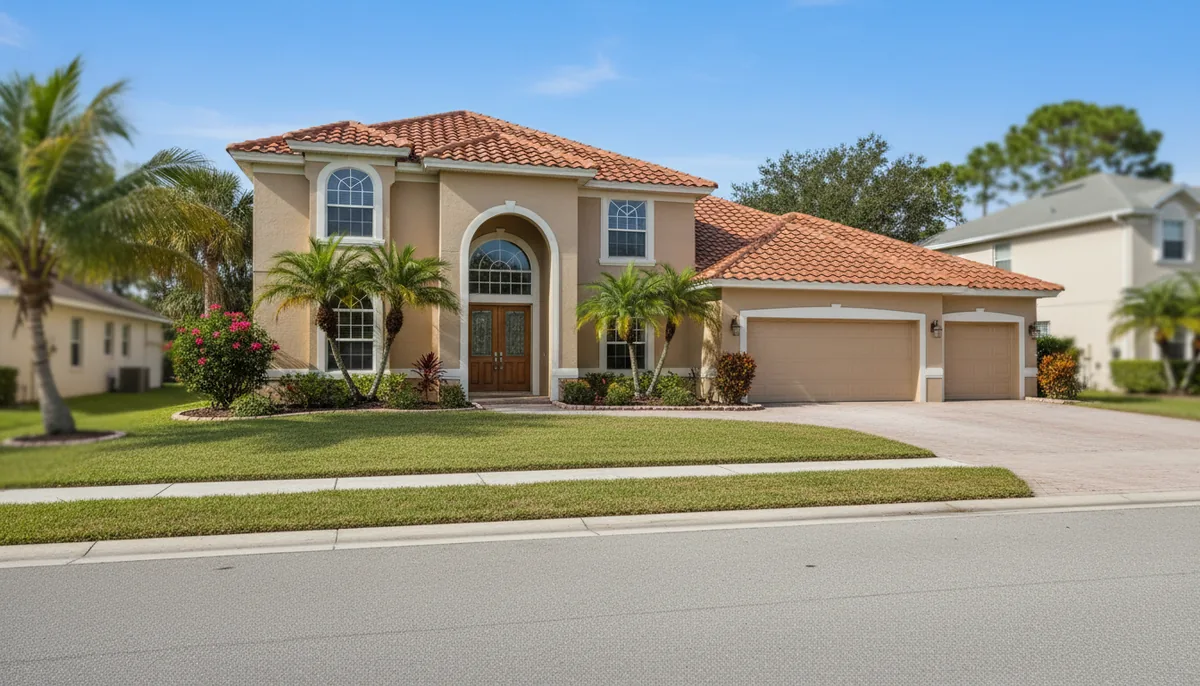
Florida roof repairs: The Florida Guide
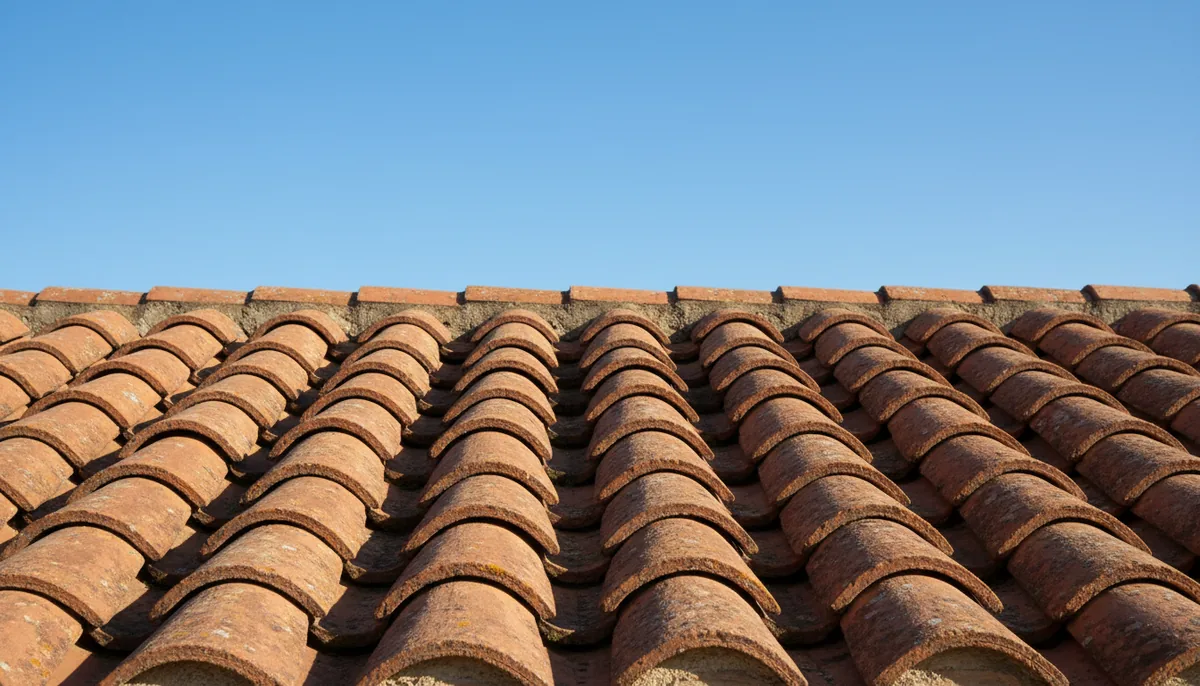
By Dale Prescott, Roofing contractor, Central Florida. Reviewed by Hal Winstead, Editor, licensed roofing contractor. Last April I was stripping concrete tile off a roof in DeLand when the ridge line let go and settled a good two inches. We'd been up there maybe an hour. The homeowner came out in his bathrobe with a cup of coffee and asked if the popping noise was something to worry about. I told him the popping noise was the least of it. Underneath the tile, the original framer had skipped the underlayment where the hip met the main slope, and water had been chewing on the deck for years.
That's the thing about Florida roof repairs—you don't know what you're in for until you're in for it. So when you need help, you need somebody who'll be honest about that. I've run tile and shingle crews between Orlando and the coast for twenty-two years, and I still don't guess. What I can do is walk you through the stuff that matters: licences, permits, insurance, and why a simple repair might trigger a whole new roof. Start with the directory and look for roof repair companies in Florida that show their DBPR number—then go verify it yourself. Takes two minutes.
The rules here trip up contractors as much as homeowners. Some of that changed recently, and alot of what you hear from your neighbor is stale.
What counts as a repair in Florida depends on what's underneath
Florida roof repairs are not like fixing a faucet. The code treats a repair differently from a replacement, but the line shifts depending on how much roof is involved and how old it is. Some little leaks can be patched. Other "leaks" turn out to be a rotten deck under a perfectly good shingle. I've been wrong about this before. Unless a contractor cuts a test hole or pops a few tiles, nobody can promise whether it's a repair or a replacement. Anybody who promises over the phone is guessing with your money.
So the first step is always the same: get somebody to look under the surface. A repair quote isn't worth the paper it's printed on until that happens. And once you see what's under there, the next question is what the building code says about it.
The 25% rule changed—and here's what didn't change
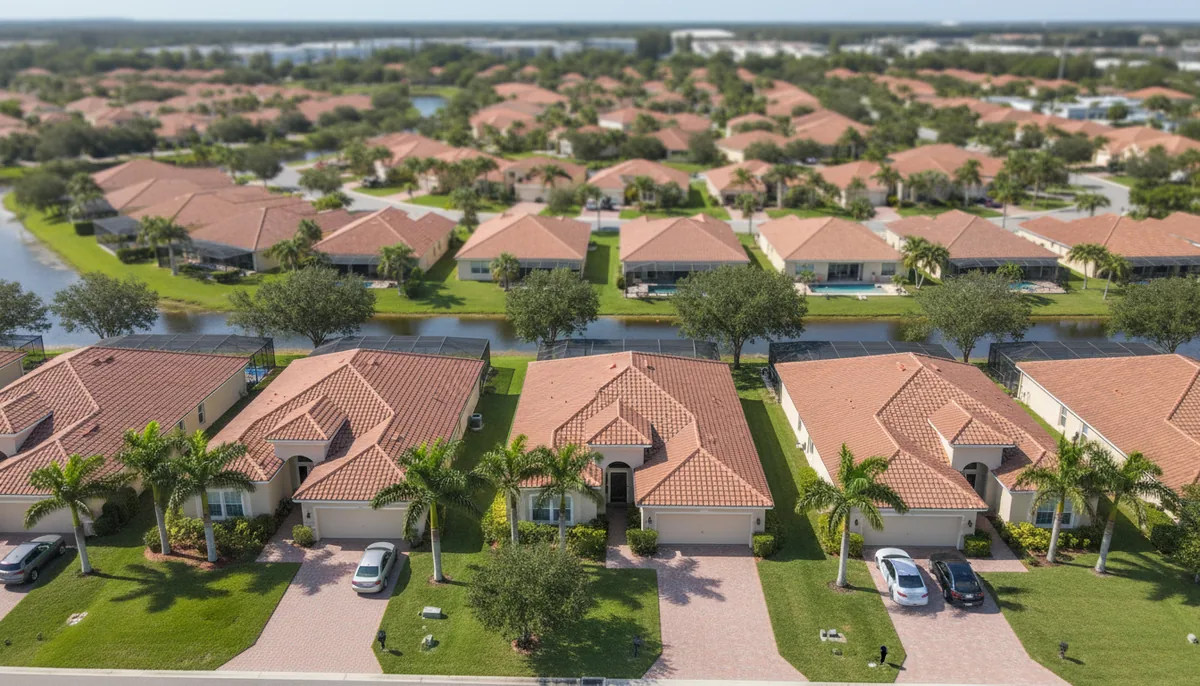
For years, Florida's building code had a nasty little trap. If you repaired or replaced more than 25% of a roof in any 12-month period, you had to bring the whole roof up to current code. That forced plenty of partial repairs into full replacements. Then SB 4-D (2022) came along and softened it. If the roof was built, repaired, or replaced to the 2007 Florida Building Code or a later edition, then only the portion you're working on must meet current code. The 2007 code took effect in March 2009, so roofs from before that generally don't qualify.
What does that mean on the ground? A newer roof can often get a repair without yanking the whole thing off. An older roof? The old rule can still clamp down. And some contractors still quote the pre-2022 rule like it's 2019. Get it in writing, and call your local building department to ask which code your roof falls under. They'll tell you. That's their job.
Permit? You bet your mortgage you need one
A roof replacement in Florida requires a permit from the local building department, plus an inspection. That's not a suggestion. A contractor who offers to skip the permit is a contractor to walk away from. An unpermitted roof can complicate an insurance claim and gum up a home sale worse than a leak ever could. I've watched closings go sideways over a roof with no paper trail.
Here's my one digression for the day. A few years ago a guy in Orlando told me he didn't need a permit for a full tear-off because it was, and I quote, "just maintenance." I asked what trade school taught him that. He didn't call me back. It's not common, but it happens.
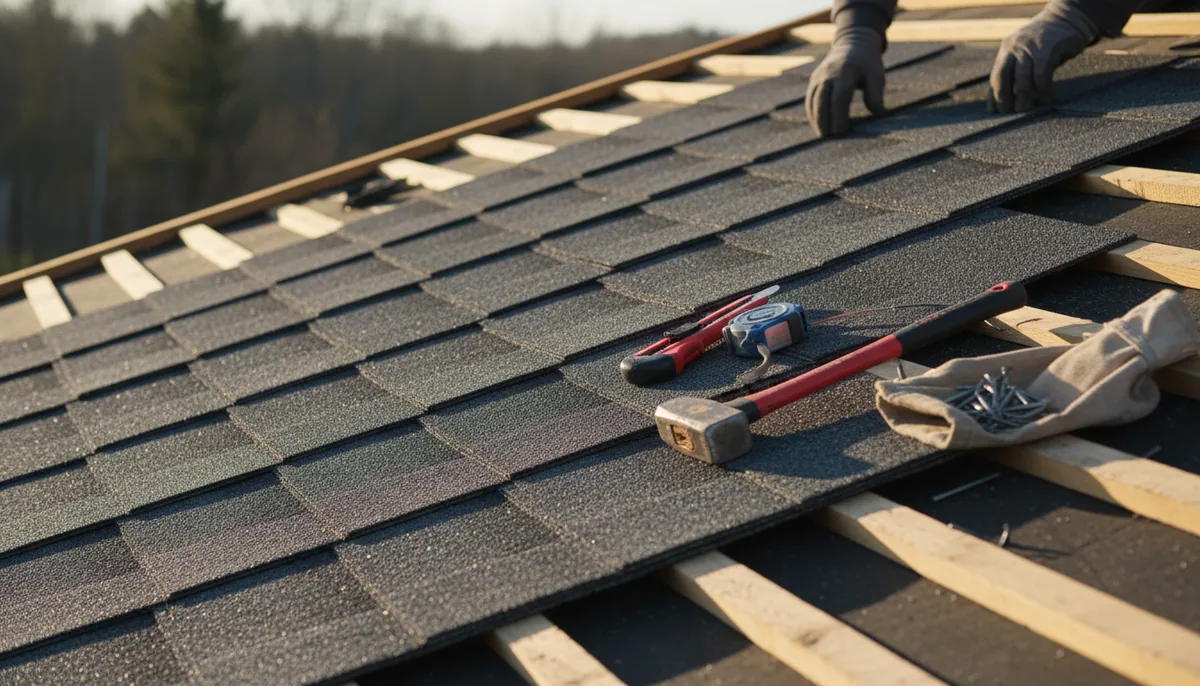
What I would actually do: Before I quote you even a small repair, I cut a small test hole near the suspect area to see what I'm working with. It costs a little. It saves a lot. If a contractor won't do it, they don't want you seeing what's under there.
Check the DBPR licence before you let anybody up a ladder
Florida roofing contractors are licensed by the Department of Business and Professional Regulation. Remember the DBPR licence prefixes CCC and RC: a certified contractor with a CCC can work anywhere in the state. A registered contractor with an RC can only work in the local jurisdiction that issued it. Don't take the card at face value. Look the number up on the DBPR roll and confirm it's active, because expired licences and sweet talk go together like humidity and mildew.
I've had homeowners call me after another crew left them halfway through a job. First thing I do is look up the licence. Half the time it doesn't even exist. The directory listings get checked against the DBPR roll, but you should still check yourself. It takes less time than a coffee run.
Wind mitigation inspections: the cheapest money you never spend
A wind mitigation inspection documents your roof covering, roof deck attachment, roof-to-wall connection, roof geometry, secondary water resistance, and opening protection. It's all about how the roof stays on when a named storm comes calling. Florida insurers are required to offer premium discounts for qualifying features. The standard form is form OIR-B1-1802. The inspection itself usually costs less than the annual discount it can open up—not always, because access can be a bear, but usually.
If you're with Citizens Property Insurance Corporation, the same general idea applies: they have their own rules, and you still need to read your policy. And the state's My Safe Florida Home program has helped people with wind mitigation work before; check whether it's accepting applications when you read this. Don't ask me to keep up with those deadlines—I just nail roofs down.
What I would actually do: I look the permit and the wind mitigation form over myself before I start. If a homeowner doesn't have an OIR-B1-1802 on file, I tell them to get one. It's not my license to give advice, but it's my neck to know what the roof actually does.
Insurance and the part you have to read yourself
I didn't go to law school. I went to "hang off a ridge in August" school, which is real. So here's the honest truth: I cannot tell you what your insurance policy covers. Neither can your neighbor or your brother-in-law. Coverage varies by policy, full stop. Read your declarations page. If you're dealing with a claim, talk to an adjuster or a public adjuster. Florida Statute 627.70132 is part of the legal machinery around roof claims, but that's for them to walk you through, not me.
What I can tell you is that the roof itself needs to be legal and sound before insurance questions even make sense. A permit, an inspection, and a roof built to code give you a much stronger position than a roof that was half-patched and never recorded. That's not legal advice. That's common sense.
Sometimes a full replacement is unavoidable. Sometimes a repair really will hold. The difference usually lives under the tiles, and you only get one look before the price gets set.
Questions I get asked
How do I know if I need a repair or a full replacement?
You need somebody to look under the roof covering. If the deck is rotten or the framing has shifted, a repair won't hold. If it's just shingles or tiles around a flashing, a repair is usually fine. The only way to know is to get up there and look.
What's the difference between certified and registered contractors?
The DBPR licence prefixes CCC and RC tell you that a certified contractor can work anywhere in Florida, while a registered contractor can only work where they're licensed. Always check the DBPR roll for an active number in the name of the contractor you're hiring.
Does a small roof repair require a permit?
Most local building departments require a permit for anything beyond spot repairs, and a full replacement definately requires one. Ask your local department, not the contractor. If somebody tells you no permit is needed, get a second opinion and get it in writing.
Will insurance pay for a new roof because the old one is worn out?
I can't speak for your carrier, and whoever does should of a license to do so. Age alone isn't usually enough to trigger a replacement. A hurricane-storm loss is another story. Read your policy and file a claim if you beleive the damage came from a covered event.
What is a wind mitigation inspection?
It's an inspection that looks at how your roof is attached to your house and how it handles wind pressure. The standard form is form OIR-B1-1802. Florida insurers have to offer discounts for features that qualify, so the inspection can pay for itself in savings.
How long does a roof repair take?
That depends on the roof. A small repair can be done in a morning. A significant repair might take a few days. Pitch, access, wheather, and what's under the existing cover all matter. I've been wrong about this before—there's always a chance the wood is worse than it looks.