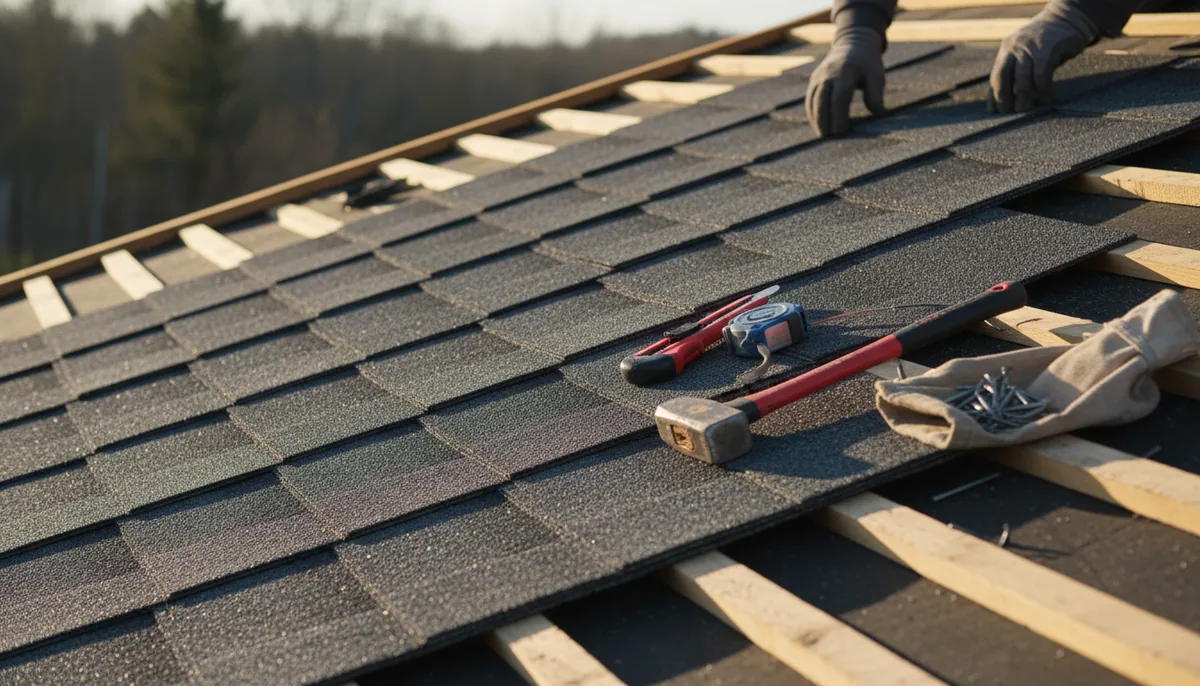
Florida roof restoration: The Florida Guide
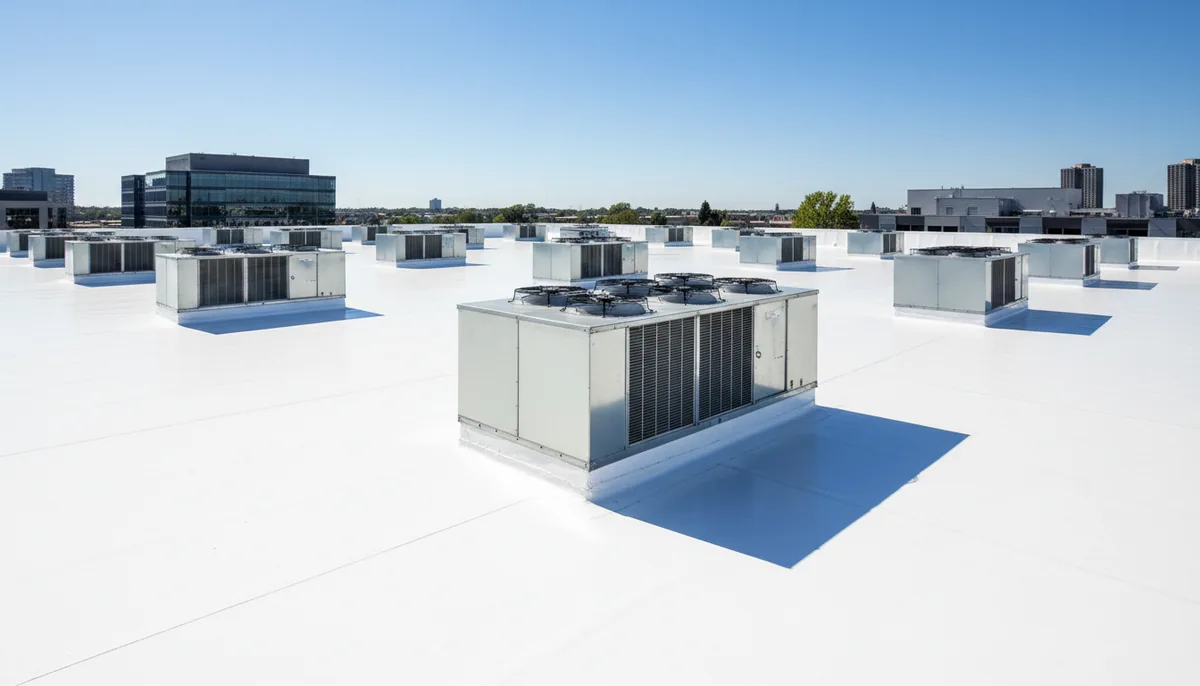
By Marcy Doleman, Commercial roofing estimator. Reviewed by Hal Winstead, Editor, licensed roofing contractor. I spent an afternoon last spring on a warehouse roof in Jacksonville, looking at a TPO membrane that was maybe twelve years old and wrinkled like an elephant's knee. The owner wanted to know if we could restore it, which is a fair question. But the wrinkles weren't the problem; the problem was that somebody had patched a roof drain with a piece of metal flashing and a tube of caulk that had long since baked into a brittle crust. We found the leak, but only after we'd already hosed down a good thirty feet of that deck looking for it. That is the real world of flat roof work. For the shortlist itself, roofing companies in Florida is where I send people.
You can't just look at a roof from the parking lot and tell a customer yes or no. I've been wrong about this before, usually when I was in a hurry. When you are dealing with low-slope commercial roofing in this state, the substrate, the drainage, the original installation and the maintenance history all matter. That's why I write my estimates the way I do, and it's why you need a contractor who does more than drive by and squint. If you are starting your search, you can check a list of roofing companies in Florida on the directory site, but knowing what questions to ask them is half the battle.
Let's get one thing straight first. I'm an estimator, not a lawyer and not a licensed adjuster. What I know is what I see on roofs every day and what I have to deal with on permits and insurance paperwork. This is the practical version of what you need to know about roof restoration in Florida, and I'll tell you where I'm hedging.
What I mean by "roof restoration"
Restoration is a specific word in our trade, and it gets thrown around too loosely. To me, restoration means extending the life of an existing roof membrane without tearing it off. For alot of commercial roofs, that means a fluid-applied coating over the existing surface, like silicone or acrylic. On a modified bitumen roof, it might mean a new coating layer or a carefully done re-surfacing. On TPO, sometimes you can coat it, but the preparation is brutal; everything has to be scrupulously clean.
The thing about restoration is that it only works if the substrate underneath is sound. If you have wet insulation or a deck that's rusting out, you are just painting over a corpse. It will look good for a minute, and then it will fail. A good contractor will do moisture testing and cut test patches to see what is under there. If someone is quoting you a restoration without doing that investigation, call it a red flag.
A restoration is slower than a replacement in some ways. You have to chase the wheather, because coatings don't like rain or even heavy dew. But it can cost a fraction of a full tear-off, and it keeps thousands of pounds of old roof out of the landfill. For the right roof, it is a genuinely good option.
The 25% rule and how it changed
Here is where the conversations get complicated. For years, the rule in Florida was that if you repaired or replaced more than 25% of a roof in any 12-month period, you had to bring the whole roof up to the current Florida Building Code. That rule caused a lot of headaches, because a big storm would damage 30% of a perfectly good older roof, and suddenly the owner was facing a full replacement they couldn't afford.
That changed with a law called SB 4-D (2022). Under the new rules, if your roof was built, repaired, or replaced to the 2007 Florida Building Code or any later edition, only the portion you're working on has to meet the current code. A full replacement is no longer automatically triggered. That is huge.
But pay attention to the date. The 2007 code took effect on 1 March 2009. If your roof was finished before that date, the older rule generally still applies to you. I have seen perfectly good roofs from 2005 that got tied into a full replacement nightmare because of the percentage rule. If your building is older than 2009, this is the first question you need to ask a contractor before they even start talking about repairs.
Your roof's actual birthday matters
Knowing when your roof was installed is not just trivia. It determines how your permit will be handled. A roof from 2004 is in a totally different legal position than one from 2010, even if they look similar from the ground.
Here is what I tell my customers: go dig up the original permit or the final inspection paperwork. If you don't have it, the county might have a record. If you can't find it anywhere, we may have to pull a record or have the local building department do a records search. This is not me being difficult. It changes the scope of work, the price, and the timeline.
And while you're digging, check the plate for the contractor's licence number. Florida roofing contractors are licensed by the Department of Business and Professional Regulation. A certified contractor has a licence that begins with CCC and can work anywhere in the state. A registered contractor has a licence that begins with RC and can only work in the jurisdiction that licensed them. You can verify the number on the DBPR roll yourself. Do it. It takes two minutes.
What I would actually do: Before I ever set foot on a roof for a final bid, I ask for the original permit close-out. If they don't have it, I tell them we will need to budget for a records search. A roof's installation date determines wether the old 25% rule or the SB 4-D exemption applies. You can't price that until you know.
Permits and the guy who wants to skip them
I am going to complain about something for a second. Every few months, I get a call from a property manager who says, "The other roofer said we don't need a permit for this patch." No. Stop. In Florida, a roof replacement requires a permit pulled from your local building department, and it requires an inspection. A repair often does too, depending on the scope. A contractor who offers to skip the permit is a contractor you walk away from. I don't care how good their price is.
An unpermitted roof is a landmine. It can complicate an insurance claim if a storm hits and the adjuster notices the work was never inspected. It can absolutely wreck a future sale when the buyer's attorney does a records search. And it tells you something about how that contractor operates. If they are cutting corners on the paperwork, what corners are they cutting on the flashing details?
I have had to walk away from a job because the owner wanted me to make the insurance company "not notice" a pre-existing condition. Not my job. I price what I see, and I document what I can't see.
Wind mitigation inspections are worth your money
This is the one thing I tell every school district and retail plaza owner to do, even if they aren't re-roofing. A wind mitigation inspection is a specific, documented look at how your roof is attached to your building. It checks the roof covering, the deck attachment, the roof-to-wall connection, the geometry of the roof, the secondary water resistance, and the opening protection on the windows and doors.
The inspector fills out a standard form called the OIR-B1-1802. That form is what your insurance company looks at. Florida law requires insurers to offer premium discounts for qualifying features, and that form is the key that unlocks the discounts. The inspection typically costs far less than the annual discount it can earn you. I have seen it save building owners thousands a year.
What I would actually do: If you own a commercial building and your roof is over five years old, I would schedule a wind mitigation inspection this year, before hurricane season, not during. Even if the report doesn't qualify for every discount, you will learn exactly how your roof is attached. That is information you need when you are negotiating an insurance renewal or planning a restoration.
The insurance dance
Here's where I have to be careful and honest. I can't tell you what your specific insurance policy covers. Every policy is different, and I have seen some wild differences in the fine print. You need to read your own declarations page and talk to your agent.
What I can tell you is the mechanism. An insurance adjuster may write a scope for a repair, but your contractor may find a much larger problem once they start pulling membrane back. This happens all the time. When we open up a "small leak," we sometimes find wet insulation, a rusted deck, or termite damage in the wood blocking. That means a supplement has to be filed with the insurance company. The original scope was just the visible part of the iceberg.
This is why it is so important to hire a contractor who understands how to document a supplement. If they don't take photos of every layer as they pull it up, you are going to fight a losing battle with the carrier. Some contractors are fantastic roofers but terrible at paperwork. For an insurance job, you need both skills.
Also, remember that your roof's age and installation date are critical in an insurance claim. The rules I mentioned earlier about SB 4-D come into play here. If your roof is newer and only part of it is damaged, you might be able to repair just that portion. If you are stuck under the old 25% rule because your roof predates 2009, the claim might trigger a full replacement. That is a huge difference in cost, and it is entirely based on that date we talked about.
What a restoration actually costs
I can't give you a dollar figure, and you should be suspicious of anyone who does over the phone. Roofing is priced per square, which is an area of 100 square feet, but the variables are brutal. The pitch matters. Access matters. How many layers are you covering? Is there a parapet wall that needs terminations? Are there a hundred penetrations like pipes and curbs, or just a few?
That said, I can tell you roughly how a restoration price compares to a replacement. A restoration is usually less expensive than a tear-off. It also takes less time and avoids the dumpster fees and the disruption to your operations. A school doesn't want a dumpster in the parking lot during the first week of classes. A retail plaza doesn't want scaffolding over the storefronts during the holidays.
But restoration has it's own hidden costs. The surface preparation is everything. If the roof has ponding water, you have to fix the drainage or the coating will just sit in a puddle. If there is old, loose coating, it has to be scraped off or mechanically removed. If there are blisters in the old membrane, they need to be cut out and patched before you coat. None of that is free labor.
I'll hedge like this: a restoration only makes sense if the roof is fundamentally sound. If the insulation is dry, the deck is good, and the membrane is just old and weathered, go for it. If there is moisture in the system, you are wasting your money. A moisture survey is the best money you will spend in the decision process.
Questions I get asked
How long will a roof restoration last?
A good coating system on a properly prepared roof should give you another ten to fifteen years, but that depends on the product and the application. I have seen silicones go longer than that, and I have seen acrylics fail early because they were applied over a dirty roof. The lifespan is mostly about prep and the number of mils applied.
Can I coat my TPO roof?
Sometimes. TPO is challenging to coat because the surface is slick and the seams can be tricky to prepare. If the TPO is still adhered well and the seams are intact, a coating can extend its life. If the TPO is shrinking or delaminating, no coating will save it. We cut a test patch and probe the seams to find out.
Does a restoration require a permit?
It depends on the scope and your local jurisdiction. Generally, if you are just applying a coating that is not part of an approved roofing system, some jurisdictions treat it as maintenance. But if you are making structural repairs, replacing wet decking, or altering the flashing, you will need a permit. Ask your local building department before you start, not after. I've seen building officials cite owners for unpermitted coating work because the coating was considered a roof covering.
What is the difference between a certified and registered roofing contractor?
A certified roofing contractor has a CCC licence from the state and can work anywhere in Florida. A registered contractor has an RC licence and can only work in the jurisdiction that issued it. Always verify the licence is active on the DBPR roll. A licence that is suspended or expired will not protect you when something goes wrong.
Will my insurance rates go down if I restore my roof?
Not automatically. A restoration does not guarantee a discount. To get a wind mitigation discount, you need the inspection we talked about, documented on the OIR-B1-1802 form. The quality of your roof-to-wall connections and deck attachment is what drives those discounts. If your roof is in bad shape, fixing it might prevent a rate increase at renewal, which is almost as good in my book.
How long does a restoration take to install?
A restoration is generally faster than a replacement, but it has a longer weather window. Coatings need dry conditions to cure. For a sizable warehouse roof, you might be looking at a couple of weeks of work, but the schedule depends heavily on the forecast. In Florida, the afternoon storms are the enemy. We chase the weather all summer.
One last thing. I keep a picture on my phone of a roof I restored in Pensacola a few years back. It was a modified bitumen roof that was alligatoring and checking, and the owner was sure it needed a full replacement. We did a moisture survey, found it was dry as a bone, and coated the whole thing. It saved them sixty percent of the replacement cost, and the coating was still going strong when I drove by last year.
That is the good side of this business. But I also keep a picture of a roof in Fort Myers where a previous contractor coated over wet insulation. It looked beautifull from the parking lot. You could bounce a quarter off it. Six months later, the moisture migrated and the coating blistered into bubbles the size of dinner plates. The owner had to pay for a full tear-off anyway, plus the cost of the coating they had already paid for.
Don't be that second story. Get the moisture survey. Pull the permit. Check the licence. And if a contractor tells you they can skip the permitting process entirely, honestly, just show them the door.