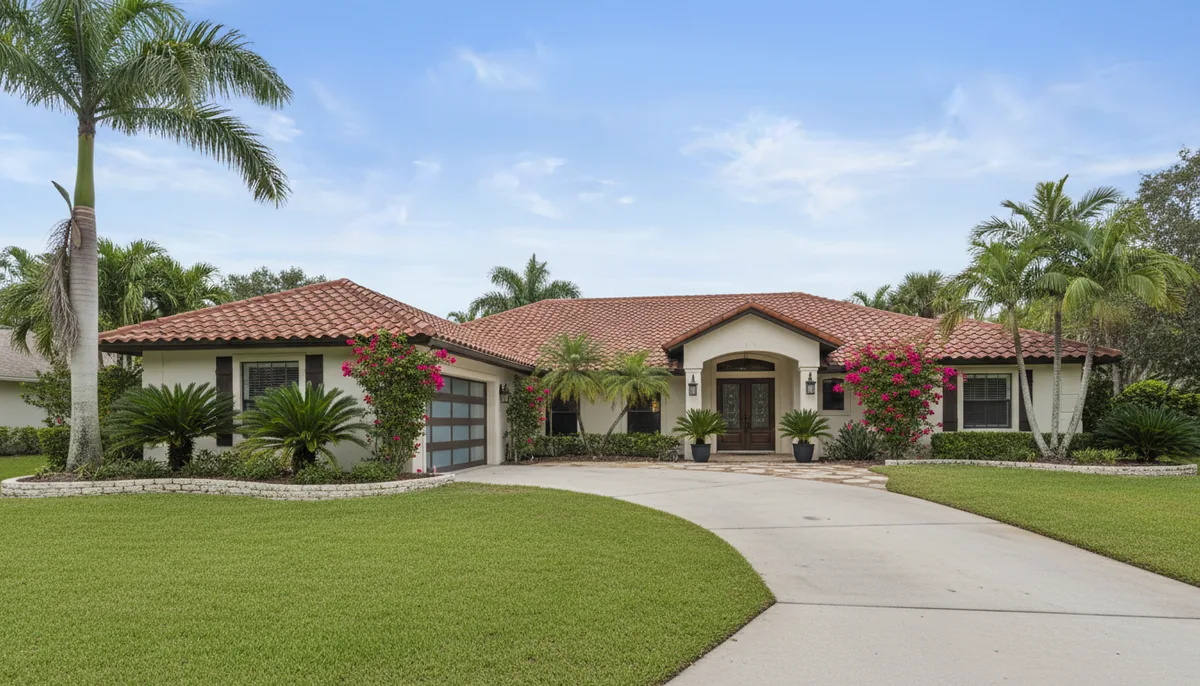
Florida roofing code news: What Florida Homeowners Should Know
By Renata Alvarez, Former property claims adjuster. Reviewed by Hal Winstead, Editor, licensed roofing contractor. It was late October, and I was standing in a Cape Coral driveway with a homeowner whose tile roof had taken a beating from Hurricane Irma. He pointed at a spot over the garage where the underlayment had torn, and he told me he had just found a roofer. Then he told me he had first noticed the leak back in September. That is when my stomach dropped. He had waited over a year to file, and Florida Statute 627.70132 was about to eat his claim alive.
Florida roofing code news is moving fast, and the rules that used to save you are not the rules anymore. The deadline to file an initial claim used to be three years. It is now one. I of stood on too many roofs and delivered too many bad explanations to homeowners who had no idea the law had changed. If you are looking for work, you need a contractor who actually knows the current code and the insurance game, which is exactly why I point people to the list of residential roofing companies in Florida before I start any deeper advice.
The worst part is that the clock does not care when you discovered the damage. It runs from the date the damage happened. Hurricane passes on September tenth, you find the leak on April fifth, and your claim is already late. I have been wrong about this before, so I tell people to read the date on their own paperwork. This is not a drill.
SB 4-D killed the old "25% rule" for newer roofs
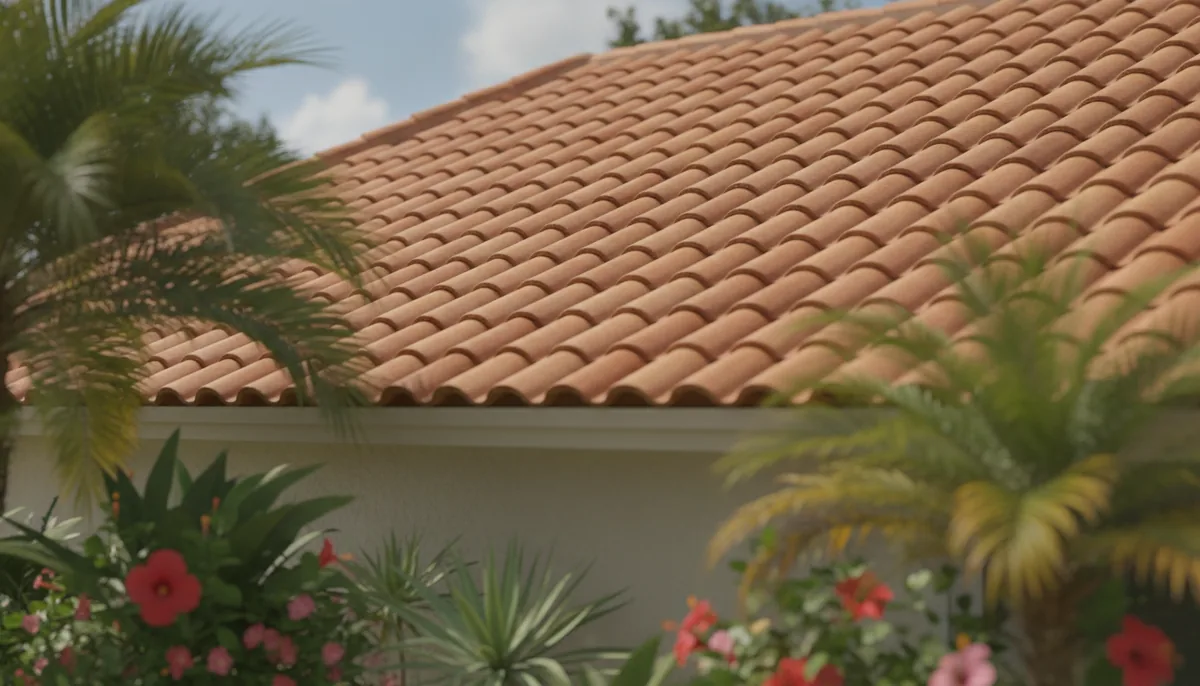
If you have owned a Florida home for a while, you have heard somebody say that if you repair more than 25% of your roof, you have to replace the whole thing. That was true, sort of, for a long time. The old rule came from the building code, and it forced a full replacement if you touched more than a quarter of the roof in a twelve-month period.
SB 4-D (2022) changed that. If your roof was built, repaired, or replaced under the 2007 Florida Building Code or any later edition, the 25% trigger is gone. That code edition took effect on March first, 2009. So call it this way: if your roof is newer than that, you can repair just the damaged section and it has to meet current code, not the whole roof.
But here is the catch that catches people. If your roof was built before that date, the old logic can still bite you. You might get told you need a full replacement simply because the code considers the whole roof nonconforming. It depends what is under there and what your local building official says. Do not assume the roofer who wants to sell you a full roof is giving you the legal answer. Some are. Some are not.
The one-year deadline is real. It hurts.
For any initial or reopened property insurance claim, you have one year from the date of loss. For a supplemental claim, you have eighteen months. Miss it, and the insurer can deny you completely. Not because the loss is not covered. Because you did not tell them in time.
I have seen adjusters celebrate these denials. I have seen familys in tears over them. The law is the law, and it is not going to bend because you were busy. The date of loss is the date the damage happened. It is not when the roofer pointed it out, not when the shingle finally blew off in a later storm, not when you got around to cleanning the gutters.
What I would actually do: pull out your insurance declarations page right now, and put a recurring reminder in your phone for every major storm that passes within a hundred miles of your house. If you see any damage, even if you are not sure it is covered, file the notice. You can always withdraw it. You cannot rewind the clock.
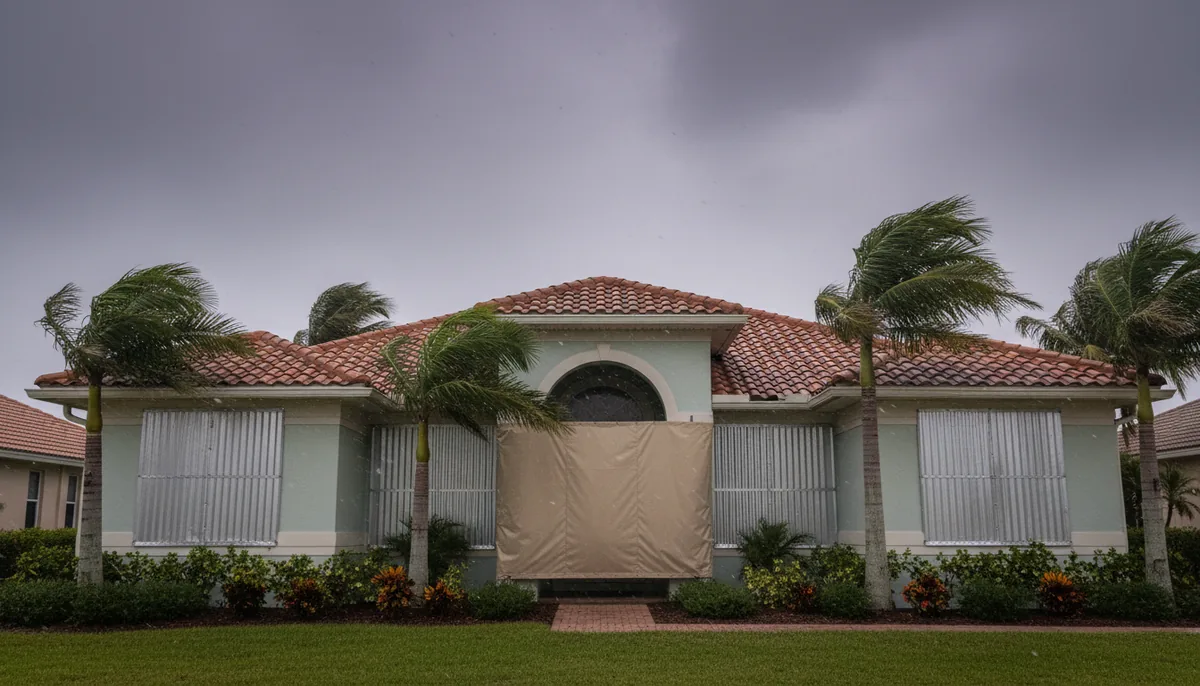
Wind mitigation inspections are the cheapest upgrade you will ever price
A wind mitigation inspection is not a roof inspection, it is a check of specific features that make your roof hold together in a storm: the roof covering, the deck attachment, the roof-to-wall connection, the roof geometry, wether you have secondary water resistance, and how your openings are protected. The standard form is OIR-B1-1802.
Florida insurers are supposed to offer premium discounts for qualifying features. That means the inspection can pay for itself in one billing cycle. I had a homeowner in Tampa who grumbled about the cost of the inspection, then his premium dropped by a few hundred dollars a year. He stopped grumbling.
And if you qualify, My Safe Florida Home is worth checking. It is a state programme that offers free wind mitigation inspections and matching grants for hurricane-hardening work. Funding is appropriated per cycle, and it can run out fast. Never assume it is open right now. Just check whether the programme is active. It changes more often than a summer thunderstorm.
What I would actually do: before you pay for a full mitigation inspection, ask your agent if your current policy already reflects a wind mitigation credit. If it does, find out what features are on file. If it does not, go get the inspection. The discount hangs around for years.
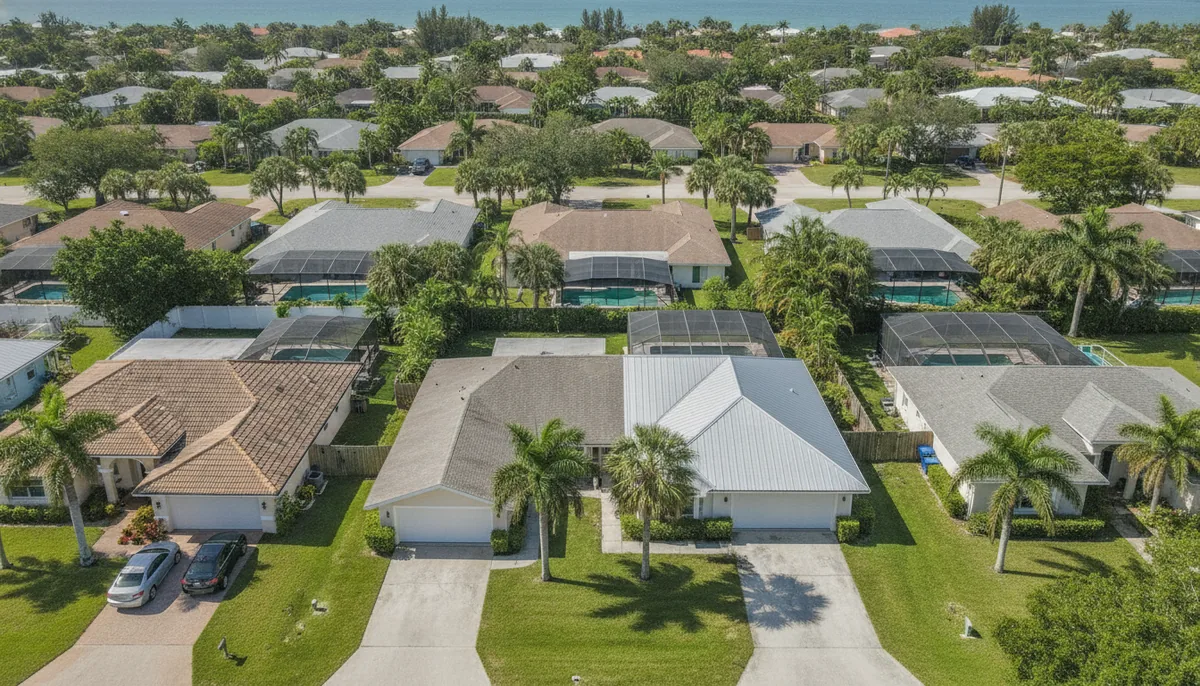
Licensed roofing contractors come in two flavors
The Department of Business and Professional Regulation, the DBPR, handles roofing licenses. There are two license prefixes you need to know: CCC and RC.
A certified roofing contractor, license starting with CCC, can work anywhere in the state. A registered roofing contractor, license starting with RC, can only work in the local jurisdiction that licensed them. If somebody shows you a license and the prefix starts with RC, and they are standing on your roof in a county they are not registered in, that is a problem.
Always verify the license is active before you hire. The directory does that verification against the DBPR roll, but you should do it yourself too. It takes two minutes. I have met people who hired a guy with a lapsed license and then discovered there was no coverage when the work went sideways. You do not want to be that person.
The other thing I will tell you is that the cheapest bid is not the cheapest roof. I have adjusted enough claims to know that a roof installed by someone who does not know the current code can fail in the first storm, and then you get to deal with the insurance company telling you it was not properly installed. That is a fight you will lose.

My one digression about the weather
Florida has two seasons: hurricane season and the part of the year where the roofer tells you it is too hot to install shingles. I have adjusted claims in August where the shingles were literally sliding off the roof because somebody. Installed them. Too. Hot. Never schedule a shingle roof replacement in the middle of a Florida summer afternoon. The asphalt needs to seal, and it will not seal properly when the sun is cooking it. Call it a professional pet peeve.
So what actually counts as the news
The big story is the deadline. I cannot overstate this. Florida Statute 627.70132 took the old three-year window and cut it down to one year for initial claims. That is the single most expensive mistake I see homeowners make. They wait. They think they have time. They do not.
The other story is SB 4-D. It changed how much roof you have to replace. But it did not help every roof equally. If your roof predates the 2007 Florida Building Code, the old 25% logic can still force a full replacement. If your roof is newer, you can repair smaller sections. You need a contractor who understands which category your roof is in before they start quoting you.
Coverage varies by policy, and I cannot tell you what your specific policy covers. Read your declarations page. Talk to your agent. Understand your deductible. The more you know before the storm hits, the less you will panic after it does.
Questions I get asked
If I found damage last year but just realized it was covered, can I still file?
Probably not for an initial claim if the one-year mark has passed. The deadline runs from the date of loss, not the date you discovered the problem. If you are inside the window, file immediately. If you are not, you may still have options through a supplemental claim, but you need to act fast.
Does the 25% rule still exist?
For roofs built under the 2007 Florida Building Code or later, SB 4-D removed the automatic full-roof trigger. You can repair just the damaged portion and bring that portion up to code. For older roofs, the full replacement requirement can still be triggered. It depends on your roof and local enforcement.
Is a wind mitigation inspection worth the money?
I have never met a homeowner who regretted getting one. It usually costs far less than the annual premium discount it can generate. Even if you do not qualify for every credit, you are still walking away with a detailed look at how your roof is attached, and that is valuable information before a storm.
What is Citizens Property Insurance Corporation?
It is the state-backed insurer of last resort for homeowners who cannot find coverage in the private market. If a private insurer will not write your policy, Citizens may be your option. It is not a sign of failure, but it is usually a sign that your roof is older and you should be planning for replacement.
What is the difference between a certified and registered roofing contractor?
A certified contractor has a CCC license and can work anywhere in Florida. A registered contractor has an RC license and can only work in the jurisdiction that licensed them. Verify the license number is active with the DBPR before you sign anything.
Can I trust a roofer who says I need a full roof?
You can trust that they want to sell you a full roof. You cannot trust that they are right without checking. Get the actual code analysis, not a sales pitch. Ask them to explain why the whole roof must be replaced if the damage is only over the garage. If they cannot explain it clearly, find another roofer.
More from the site
- Florida roofing code changes 2015: What Florida Homeowners Should Know
- Florida building code roofing news: What Florida Homeowners Should Know
- Roofing insurance central florida: What Florida Homeowners Should Know
- Florida wind mitigation roofing: What Florida Homeowners Should Know
- Florida building code roofing 2024: What Florida Homeowners Should Know