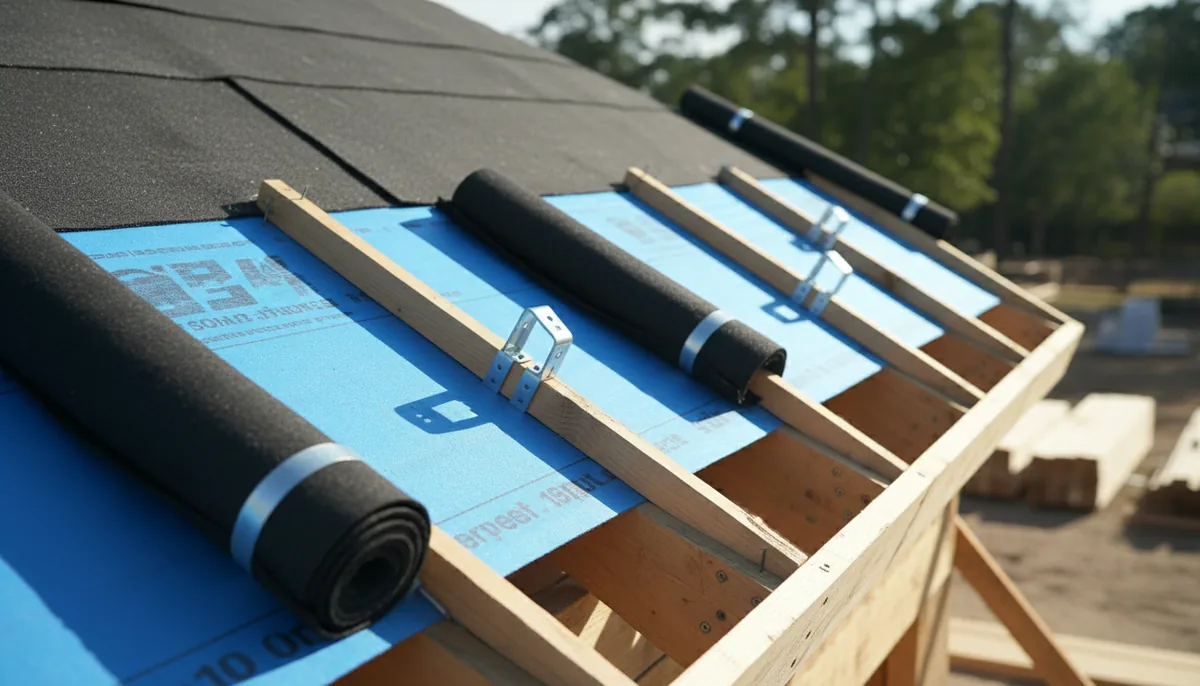
Florida roofing codes: The Florida Guide
By Dale Prescott, Roofing contractor, Central Florida. Reviewed by Hal Winstead, Editor, licensed roofing contractor.
One hot afternoon in Winter Park, I had three guys stripping barrel tile off a house near the lake, and the deck under a valley was so rotten my hammer went throught it like wet cardboard. The homeowner had been told by a previous roofer the roof was fine. If you start with roofing companies in Florida, be ready to do your own checking—license first, permit second.
I've been running tile and shingle crews between Orlando and the coast for twenty-two years. I've torn off more storm-damaged roofs than I care to count. Most of what I know about the Florida roof code I learned standing in the sun next to an inspector who didn't care who I was.
So let's talk about the roof code the way I talk to a homeowner on a ladder. No fine print theater. Just what matters.
What exactly is the Florida roof code now?
The Florida roof code isn't one little pamphlet you can memorize. It's a statewide baseline, then local amendments on top of it. A house in Orange County can have different requirements than one in Volusia, and a city near the coast will hammer down harder on wind uplift.
That said, the code works on what you touch. A lot of people think a new roof means the whole house has to be brought to some impossible current standard. It doesn't. Code follows the work. If I'm replacing a section of roof, that section has to meet the current rules. The section I leave alone stays as it was.
I've been wrong about this before, so let me put it plainly: code is not a design guide. It's a floor. You can build higher than it, and on a Florida house you probably should.
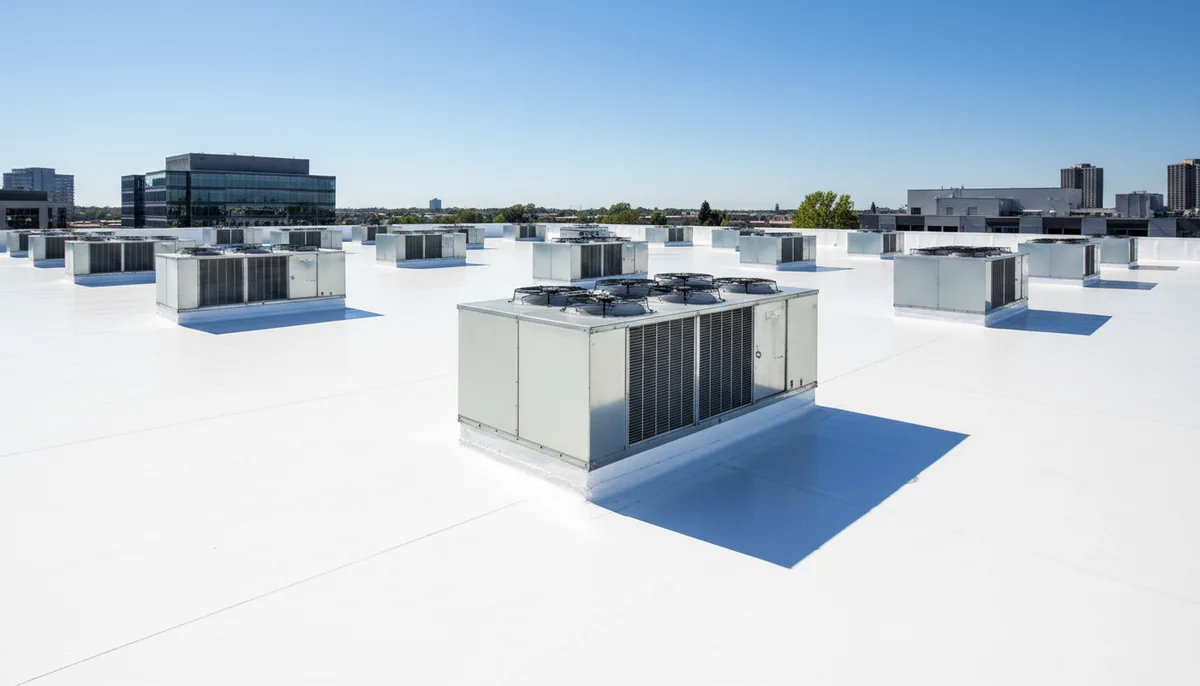
Roofing codes in Florida: permits come first
Roofing codes in Florida are enforced through the local building department, not through some state inspector showing up at your door. That means a permit. A roof replacement in Florida requires a permit pulled from your local building department, and then an inspection.
I know the permit feels like overhead. It isn't. It's the paper trail that says an actual human being checked the nail pattern before the shingles went down. On a re-roof, there's a moment when the deck is bare and you finally see what's under there. That's the moment the inspector wants to see.
The contractor who offers to skip the permit? Walk away. I don't have a softer way to say it. An unpermitted roof can turn into a problem on an insurance claim, and it will make a future buyer or lender nervous. Saving $200 on a permit can cost you alot more later.
What I would actually do: Before I quote a re-roof, I pull the permit history for that address. If I find unpermitted work already on the house, I tell the owner what it means and price accordingly. I don't pretend it doesn't matter.
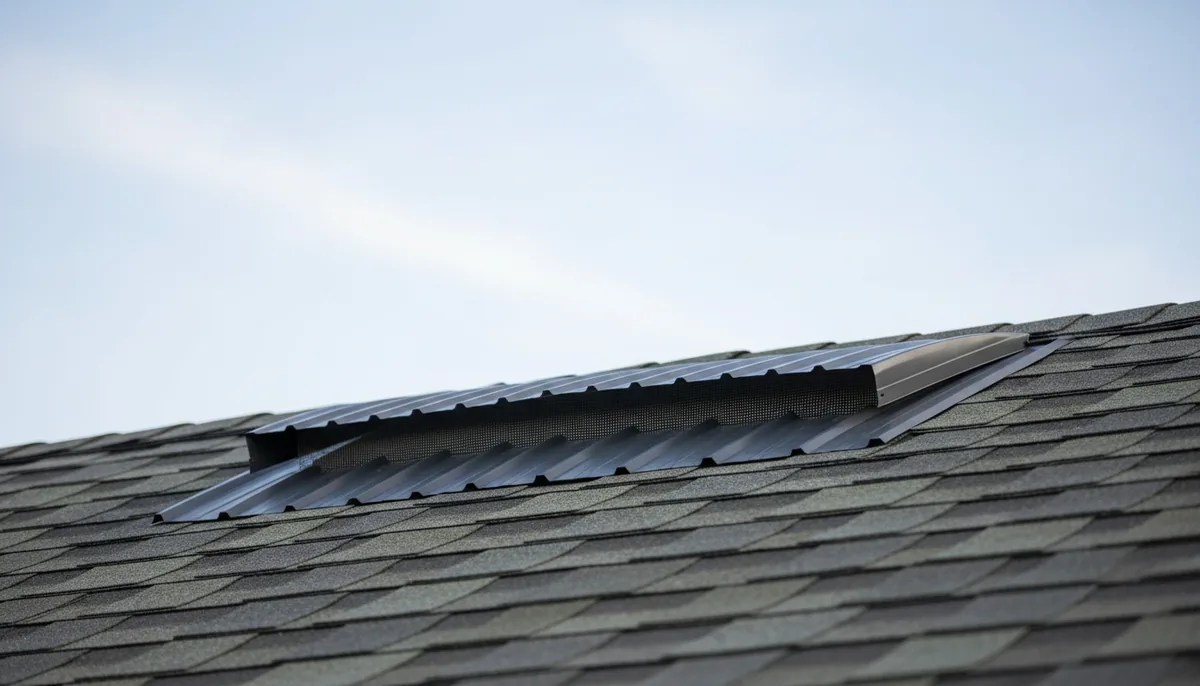
The old 25% rule and what SB 4-D (2022) changed
If you've been in Florida long enough, you've heard the "25% rule." It came out of the old building code: repair or replace more than 25% of a roof in any 12-month period, and the whole roof had to be brought up to current code.
Then things shifted. SB 4-D (2022) changed that. If the roof was built, repaired, or replaced under the 2007 building code or any later edition, then only the portion being worked on has to meet current code. A full replacement is no longer automatically triggered just because you crossed that 25% mark.
Here's the catch: the 2007 code took effect on March 1, 2009, so roofs completed before that date generally don't qualify. That's a lot of roofs in Central Florida. An older roof can still force a full replacement when a repair crosses the old threshold.
Does that mean you can patch a 2002 roof forever? Not really. The building inspector isn't the only person in this conversation. Your insurance company may have it's own rules about roof age. That's not code. That's underwriting. Different thing.
What I would actually do: If I can't verify what code the existing roof was built under, I bid the repair carefully and add a note that the permit office may require a tear-off. Depends what is under there, and I don't guess on someone else's money.
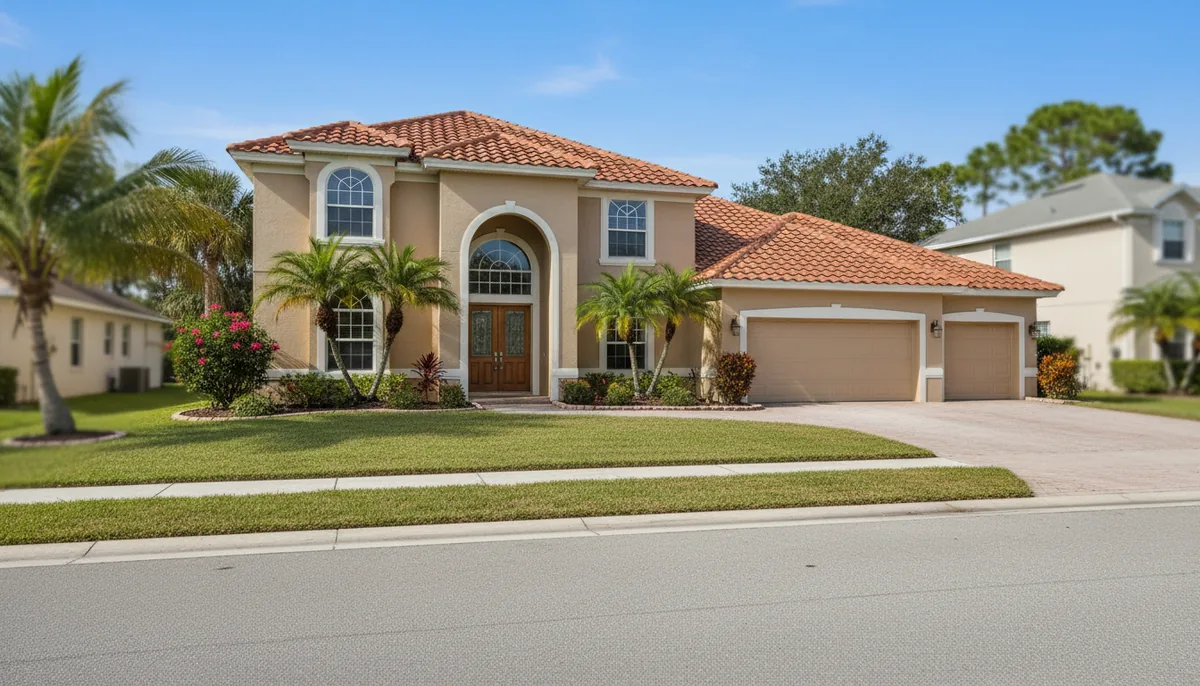
A Florida license letter tells you more than a company name
When you hire a roofing contractor in Florida, your first check should be the license number, not the fancy truck. The Department of Business and Professional Regulation handles that. The DBPR licence prefixes CCC and RC tell you instantly what the contractor is allowed to do.
A CCC license is a certified roofing contractor. That license lets you work anywhere in the state. An RC license is a registered roofing contractor, and it only lets you work in the local jurisdiction that issued it. Same state, different reach.
Always verify the number is active before hiring. That takes three minutes on the DBPR website, and you should do it before the estimate, not after the crew shows up. I've had homeowners call me after signing a contract with somebody whose license lapsed two years earlier. Don't be that person.
Also, don't assume a company name tells you who's licensed. State law requires a licensed contractor for roofing work, but the guy selling the job isn't always the guy swinging the hammer. Check who holds the number.
Wind mitigation inspections: not code, but it will change what you pay
This is the part people forget. The building code inspection protects you from a bad roof. A wind mitigation inspection protects your wallet.
After a roof replacement or even after a repair, a certified inspector can document how the roof is actualy built. The standard form is form OIR-B1-1802. It records roof covering, roof deck attachment, roof-to-wall connection, roof geometry, secondary water resistance, and opening protection.
Why should you care? Because Florida Statute 627.70132 says insurers have to offer premium discounts for qualifying wind mitigation features. The amount depends on your policy and on what the inspection finds, so read your declarations page before you assume you're already getting it.
This inspection is seperate from the code inspector's visit. City inspections don't automatically fill out a wind mitigation form. You have to request it, and you usually pay an inspector to do it on the side.
If you're with Citizens Property Insurance Corporation or any private carrier, the same basic idea applies: give the insurance company proof of a stronger roof and they should discount for it. The state's My Safe Florida Home program has also helped people with mitigation work, though that one depends on funding cycles. Not every roof will qualify for every discount, but it's worth asking.
What I would actually do: After a re-roof, I'd pay for my own wind mitigation inspection and send the completed form to my insurance agent. The cost is usually small compared to the yearly discount, and for a homeowner with an older premium, it can pay for itself pretty quick.
Questions I get asked
Does my roof automatically have to be replaced after a storm?
No. It depends on the damage and on what was there before. A newer roof that meets current code may only need the damaged section fixed. An older roof, or one that failed badly, can trigger a full replacement. The permit office makes the final call.
Can I repair the roof myself if I own the house?
Some Florida jurisdictions allow an owner to pull a permit for their own home, but the work still gets inspected. It's not a code loophole. And if you hire a crew to do it without a licensed contractor, you've just turned a straightforward roof job into a legal problem.
What if my roofer and my insurance adjuster disagree about what's damaged?
I'm not an adjuster, and I don't play one on the job. What I can tell you is that the evidence matters more than the loudest voice. Get the permit history, get the inspection photos, and read your policy declarations page to see exactly what coverage you bought.
Why does my insurance company care about the roof age?
Because that's their business model, not a building code issue. The code says what has to be on the roof. Your policy says what they're willing to insure at what price. Two different questions. If your carrier writes to you about roof age, call them and ask specifically if it's an underwriting requirement, not a code requirement.
Is a wind mitigation inspection worth it on an older roof?
Usually, but I hedge because not every roof qualifies. If the roof has older deck attachment or no secondary water resistance, the discount may be smaller. The report still gives you a picture of the house. I've seen homeowners use that report to plan their next roof. That's never wasted money.
What's the most common roofing code mistake you see?
People patch around a problem instead of opening the roof up and seeing why it failed. Water is patient. A small leak from a valley can rot out a foot of deck, and the shingles on top still look fine. The code inspector will make you fix the deck. Do it before they force you to.