Florida roofing experts solar panel removal: The Florida Guide
By Marcy Doleman, Commercial roofing estimator. Reviewed by Hal Winstead, Editor, licensed roofing contractor.
A hot Thursday in Fort Myers, and I'm standing on a school gym roof built in 1974, pricing a re-roof around a solar array that is eight years old. The panels look fine from the parking lot. The roof under them is a different story — my probe went through the deck at the first seam I touched. That is why, when an owner asks where to find somebody, I send them to the solar roofing companies in Florida page and tell them to check the licence before anyone climbs up.
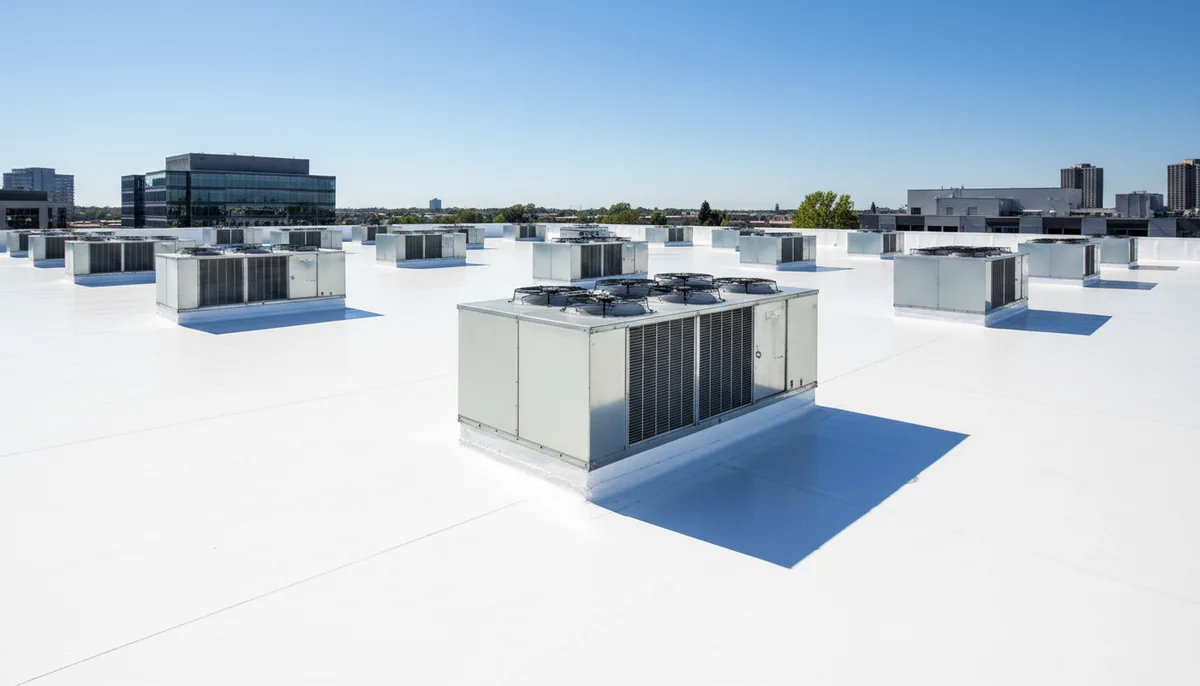
Removal is the easy part. A crew with cordless ratchets can unbolt a warehouse array in a day and stack the racking on pallets. The hard part shows up once the array is off and you can finally see what it was hiding. Water doesn't need a big leak to wreck a low-slope roof. It creeps along a fastener line, sits in a soft spot, and waits for an afternoon thunderstorm.
I estimate flat and low-slope commercial work across Florida — TPO, modified bitumen, coatings — for warehouses, retail plazas, and schools. Every one of those roofs is a different animal, but they all share one habit: they hide damage under whatever sits on top.
What Florida roofing experts know about solar panel removal that most homeowners don't
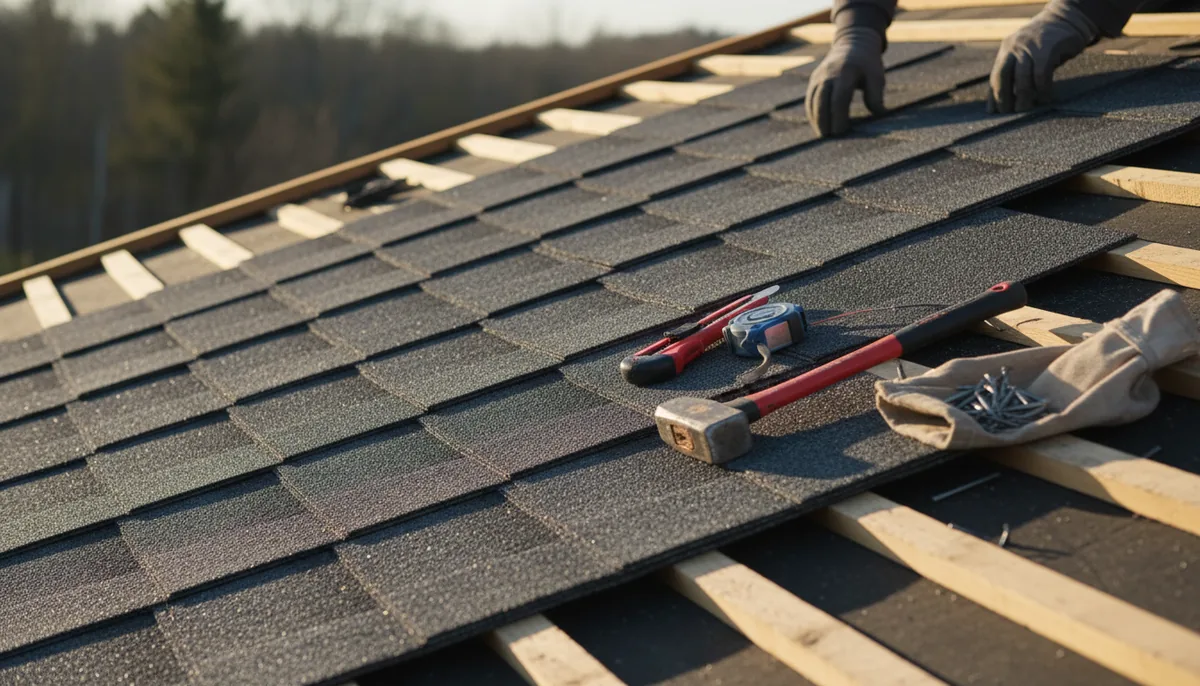
Florida roofing experts treat solar panel removal as the preface, not the book. Most people hear "solar panel removal" and think electrical disconnect, crane, maybe a permit. On a commercial roof it's a roof job with an electrical side. The panels and racking come off, but what matters is the deck and membrane beneath, which you couldn't see for years.
TPO and modified bitumen are good products. They still blister, split at the seam, and collect water in the low spots where ballast blocks pressed the insulation down. I've pulled arrays and found old repair patches hidden under the center row, done by somebody who thought nobody would ever look. The owner had no idea. The roof had been leaking for two seasons, and the ceiling tiles told the story long before the membrane did.
Pricing removal is straightforward: per panel, give or take, with extra for tall parapets and conduit runs that look like spaghetti. The part you can't price until the roof is open is the condition underneath. Depends what is under there. I of been wrong about this before, so I build my estimate around the assumption that I'll find something.

Florida roofing licences: the prefix that answers the question
Florida roofing contractors are licensed by the Department of Business and Professional Regulation, and I look up every number before I step on a roof. The shorthand I give everyone is simple: "DBPR licence prefixes CCC and RC." CCC means a certified roofing contractor, licensed to work anywhere in the state. RC means registered, and the work is limited to the local jurisdiction that issued it.
So an RC holder from Fort Myers should not be roofing in Orlando. Doesn't matter how good their brochure looks. I also check that the licence is active, not just that the contractor owns a magnetic sign. An inactive number is a hard no.
Solar installers have their own licences, and a roofing licence doesn't automatically cover rewiring an array. Ask who holds which licence before the first panel drops. If the answer is "don't worry about it," you already have your answer.
The permit is the part you don't skip
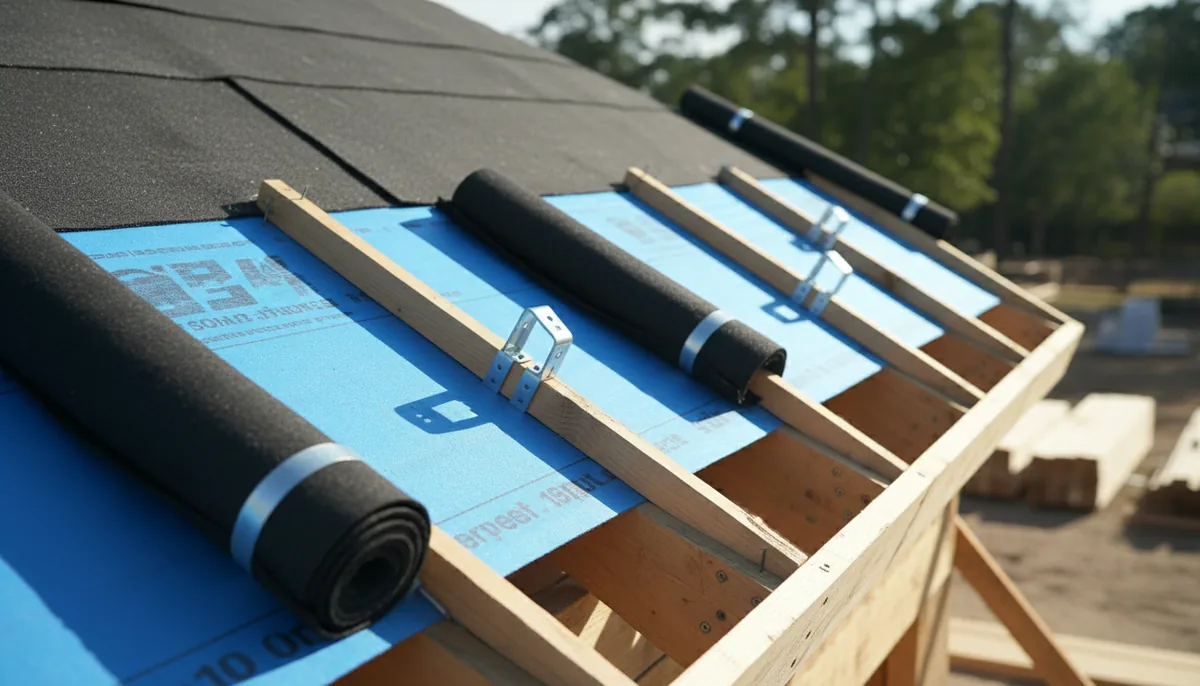
In Florida, a roof replacement requires a permit pulled from the local building department, plus an inspection. That is not paperwork for paperwork's sake. If a contractor offers to skip the permit, walk away. Calmly, mid-sentence, goodbye. An unpermitted roof can come back on you twice: once when an insurance claim lands, and again when you sell the building.
When solar panels are part of the job, ask the building department how they want it written. The roof permit covers the roof work. The electrical reconnection may be a seperate conversation. What never changes is that the roof replacement itself gets permitted and inspected.
What I would actually do: Put the solar removal and the roof replacement on the same permit file so the inspector sees the whole sequence in one visit, and walk the roof with them. It costs attention, not money.
The old 25% rule changed, and a lot of roofers haven't caught up
You've probably heard some version of the 25% rule. It came from the Florida Building Code: if more than 25% of a roof was repaired or replaced in a twelve-month period, the whole roof had to be brought up to current code. That was real for a long time.
Then SB 4-D (2022) changed it. If the roof was built, repaired, or replaced to the 2007 Florida Building Code or any later edition, only the portion you're working on has to meet current code. A full replacement is no longer automatically triggered. The 2007 code took effect on March 1, 2009, so roofs completed before that date generally don't qualify for the lighter rule.
That one distinction can decide an entire bid. If the array sits on one section of an older roof, the question of wether you're patching a section or replacing the whole roof often comes down to the year the roof was built. Let the permit proccess answer it, not a sales pitch.
A wind mitigation inspection can pay for itself
This one comes up with the small apartment buildings and condos I estimate more than people expect. A wind mitigation inspection documents roof covering, roof deck attachment, roof-to-wall connection, roof geometry, secondary water resistance, and opening protection. On paper it's dull. On a Florida insurance premium, it can be very interesting, because Florida insurers must offer premium discounts for qualifying features. The standard form is OIR-B1-1802.
Here's the part that matters for solar: some of those features are far easier to document while the deck is exposed and the panels are off. If you're pulling an array for a reroof, that's the moment to have the inspection done, not after the new membrane goes down.
Homeowners ask me about My Safe Florida Home, and I always give the same answer: rules change, so ask the program directly. And if your policy is with Citizens Property Insurance Corporation, ask your agent how they want the mitigation form documented. I don't sell insurance. I just fill holes.
What I would actually do: If the panels are off and the deck is exposed, I'd bring the wind mitigation inspector out before the new membrane goes down. One trip, and the roof's best features are right there in the daylight, easy to photograph and document.
Questions I get asked
Who removes the panels, the roofer or the solar company?
Whoever removes them, I want the roofer to walk the deck before the racking goes back on. If the solar company sends it's own crew, the roofer still has to sign off on the condition of the roof underneath, and that's where the responsibility lands. A handshake between trades leaves you holding the argument.
Do I need a separate permit just for the panel removal?
Your local building department decides that, so ask them before you commit. Roof work gets a roofing permit, and the electrical reconnect may get its own. The one thing that never changes is that the roof replacement is permitted and inspected, and nobody talks you out of that.
Can I leave the panels on and just roof around them?
You can roof around a fixed array, but it usually costs more than taking it off, and you still can't inspect what's underneath. The rare case where I say leave them is when the building can't lose power and the roof under the array is known to be sound. Otherwise, removal wins.
Is solar panel removal covered by insurance?
Read your declarations page before you call anybody, because coverage varies by policy and no roofer can answer that for you. Florida Statute 627.70132 is the roof-age law your agent will mention when the conversation turns to claims. Ask them to explain how it applies to your roof, then read the declarations page again.
Does every repair mean pulling the whole array?
No. A lot of repairs can be done with the racking still in place, especially on TPO and modified bitumen. But if the leak is under the array, we pull what we need and no more. The hard part is that the leak is rarely exactly where the ceiling stain is. Water travels.