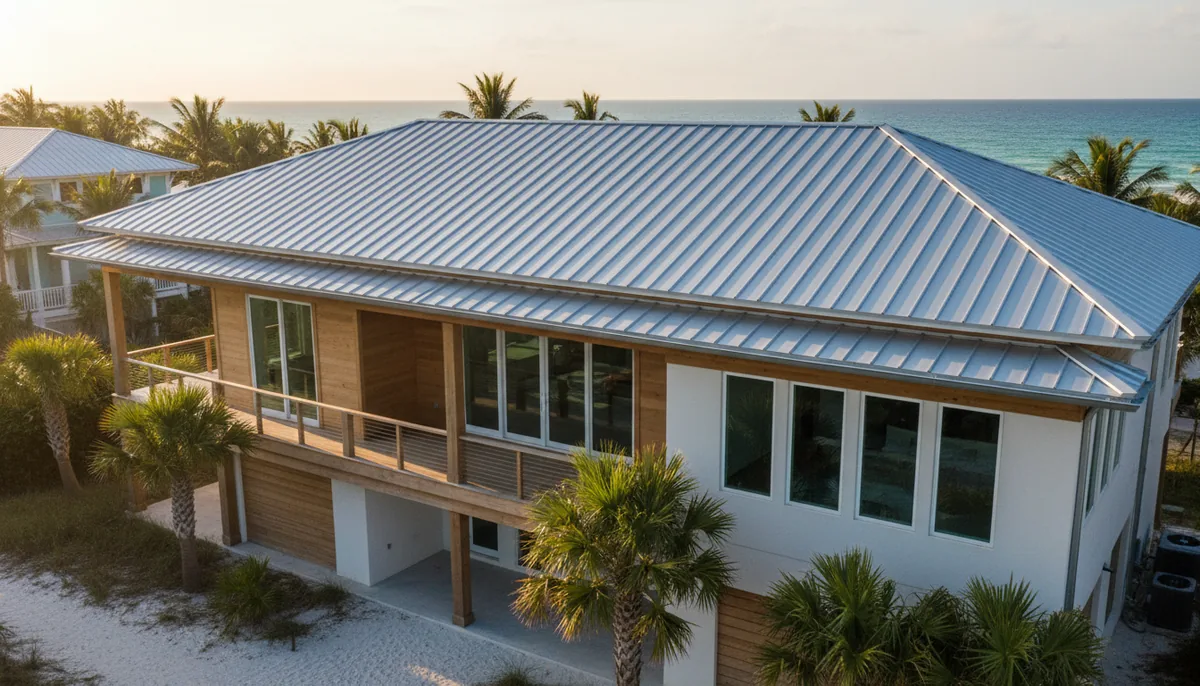
Metal roofing installation florida: The Florida Guide
By Dale Prescott, Roofing contractor, Central Florida. Reviewed by Hal Winstead, Editor, licensed roofing contractor.
That afternoon in Sanford is the one I always think back on. We were half-way through a tear-off when the sky turned that ugly green color, and within twenty minutes the deck was slick with rain and the ridge was humming like a tuning fork. I had a crew of six standing under a carport, watching a low line of hail walk across a brand-new tile roof we'd set the week before. The homeowner came out with a camera and asked me if the hailstones would void the warranty. That was the moment I realized the education part of this job is just as importent as the nailing pattern.
Whenever folks from the coast call me asking about a metal roof, the first thing I tell them is that the material is only half the story. The installation is the other half, and the permit, and the inspection, and the insurance paperwork that follows. If you're shopping around, it pays to look at a directory that verifies the contractor's licence before you get too deep in the weeds. You can start with a list of metal roofing companies in Florida and then cross-check the licence number yourself against the DBPR roll. A certified contractor's licence starts with CCC and works anywhere in the state. A registered contractor's starts with RC and only works in the county that issued it. I've been pulled over by that distinction more than once.
What the building code actually changed for a metal retrofit
There's a misconception floating around that Florida will force you to tear off an entire roof just because you want to switch from shingles to metal. That used to be true, call it the old 25% rule. If you repaired more than a quarter of your roof in a twelve-month period, the code said you had to bring the whole thing up to current standards. That meant a simple re-deck often snowballed into a full replacement.
Then SB 4-D (2022) came through and loosened the trigger. If your current roof was built under the 2007 Florida Building Code or anything newer, you only have to bring the section you're actually working on up to current code. The 2007 edition took effect in March of 2009, so roofs finished before that date generally don't qualify for the break. What this means for you, practically, is that a metal retrofit over an existing shingle roof might be legal in alot more cases than it was five years ago, but it depends entirely on when your existing roof was built and what shape the deck is in underneath. I of been wrong about this before, and every time it was because I assumed the deck was sound when I hadn't pulled a single piece of paper on the house's history.
What I would actually do: Pull the permit history on your house from the local building department before you fall in love with a particular metal panel. It costs nothing but a phone call, and it tells me exactly which code cycle your roof was built under. That one call saves us both from a nasty surprise at the inspection.
A roof permit is not optional, no matter what the guy on the phone says
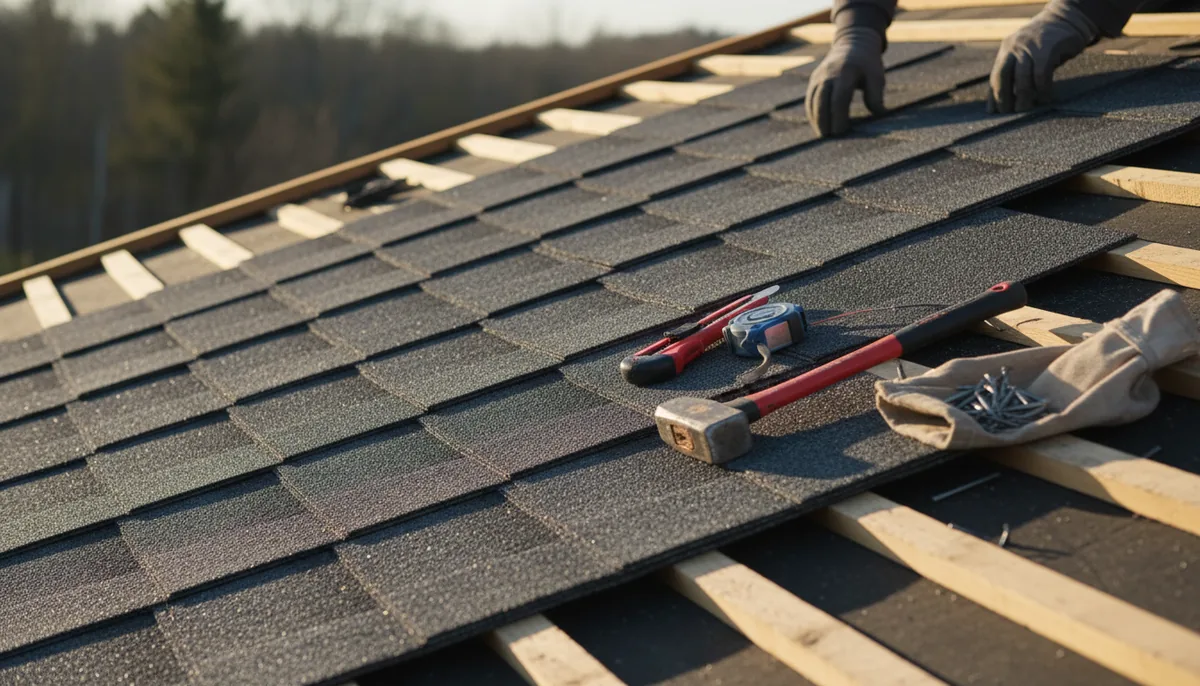
I know it sounds like a hassle. You want a new roof, you want it done before the next hurricane watch, and the contractor says he can save you two weeks and a few hundred bucks by skipping the paperwork. Walk away. A roof replacement in Florida requires a permit pulled from your local building department, and it requires an inspection. If a roofer offers to skip it, he's also telling you he doesn't want an inspector looking at his work. That tells you everything you need to know.
An unpermitted roof will haunt you. It complicates an insurance claim because the carrier can argue the work wasn't done to code. It complicates a future sale because the buyer's inspector will find the missing permit and the title company will want it resolved. And it complicates your own life when the shingle blows off and you realize there's no paper trail to prove who installed it or when. I've worked behind enough fly-by-night outfits to know that a permit is not the city trying to tax you. It's the only shield you have.
What a wind mitigation inspection actually looks for
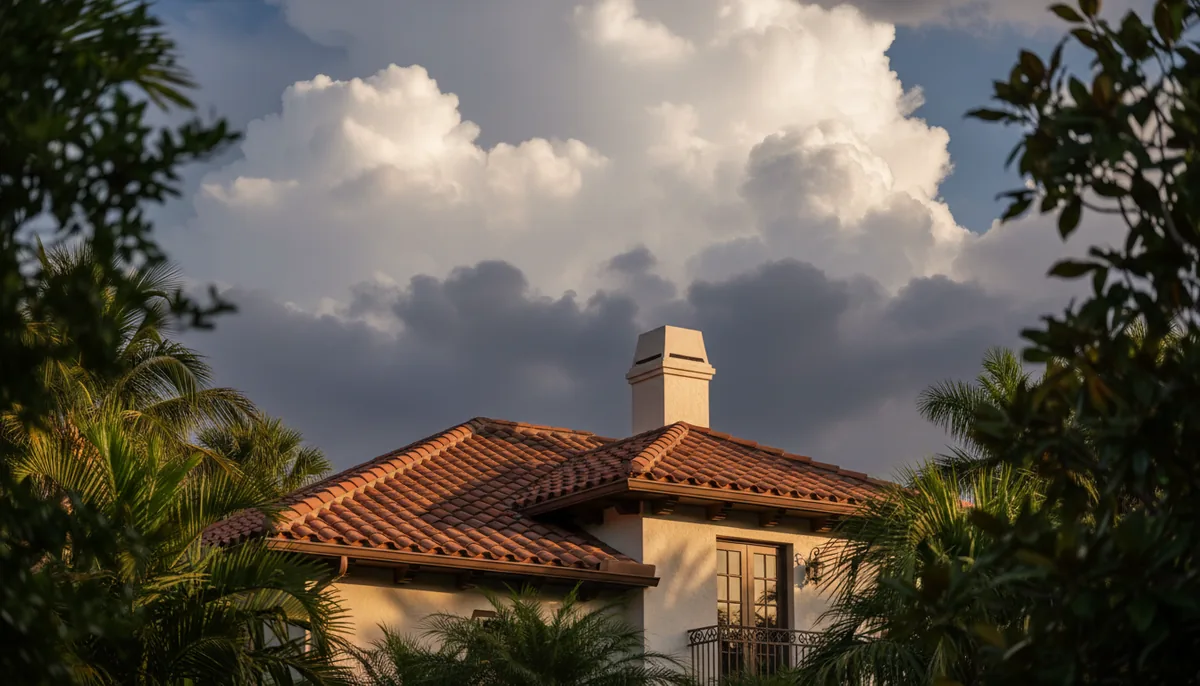
Here is where metal gets interesting. The insurance discount is real, but you have to prove the roof is what you say it is. The standard form is OIR-B1-1802, and the inspector is documenting six specific things: the roof covering, the deck attachment, how the roof is tied to the walls, the shape of the roof, wether there's a secondary layer of water resistance, and what kind of protection you have on the openings. Those last two matter because a metal roof with the right underlayment and a proper sealed deck can be a serious discount.
Florida Statute 627.70132 is the reason your insurer has to offer you credit for this stuff. They have to give you a premium discount for qualifying features, though the exact amount depends on your policy and your carrier. I tell people to budget for the inspection cost. It's usually far less than one year's discount, and it's a one-time expense that pays back annually for as long as you own the house. But read your declarations page carefully. Not every policy responds the same way, and I'm not an adjuster. I just know what the inspector wants to see.
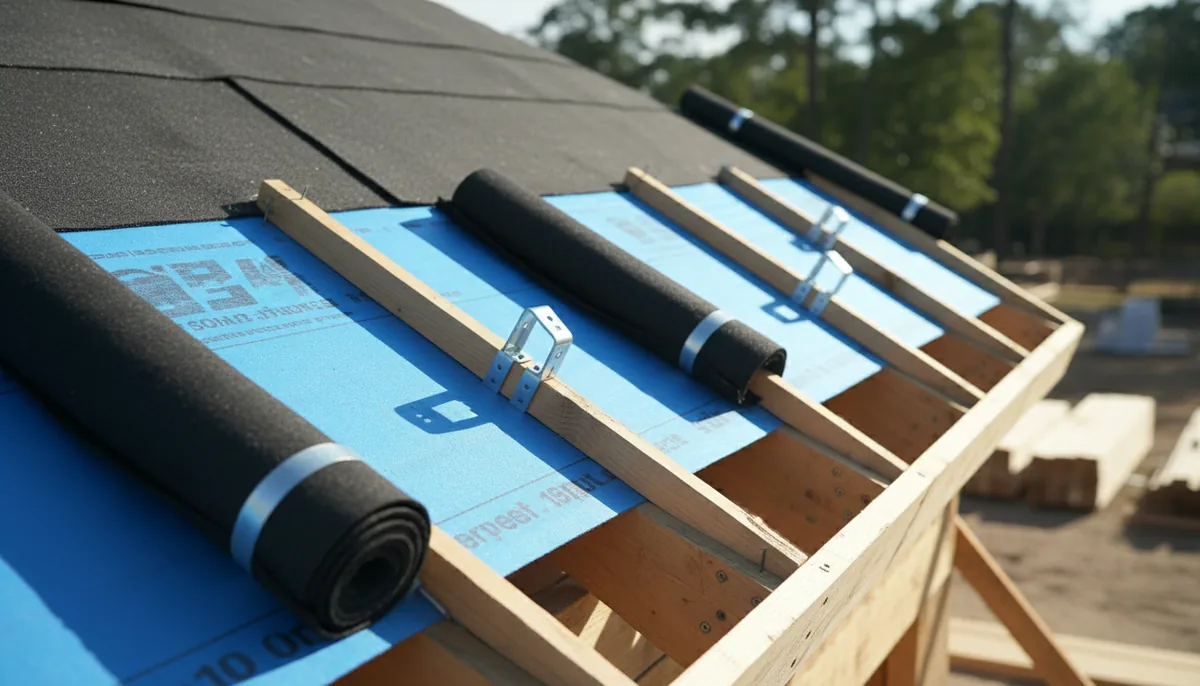
What I would actually do: Ask your metal contractor to install the secondary water barrier as a matter of course, even if the code doesn't demand it for your retrofit. It costs a little more in materials, but it turns your wind mitigation inspection from a maybe into a solid pass. That piece of synthetic felt pays for itself the first time the premium drops.
Standing seam versus exposed fastener, and why it matters in Florida
I install both, so I don't have a horse in the race. But you need to understand the difference before you sign anything. Exposed fastener panels are the ones with the screws and rubber washers showing. They're cheaper and easier to work around dormers and valleys. The problem is that the rubber washers break down in Florida sunlight, and every screw becomes a potential leak. The panels also expand and contract with the heat, which works the fastener holes loose over time. Give it fifteen years and you might be chasing leaks on a roof that's otherwise still sound.
Standing seam is the one where the panels lock together with a hidden clip. That clip allows the metal to slide as it expands, and there are no exposed screws on the flat field. That's the system I'd put on my own house. It costs more, but the leak path is dramatically shorter. In a climate where the summer sun can push a dark panel past one hundred and sixty degrees, that expansion and contraction is the whole game. I've seen too many exposed fastener roofs where the screw washers turned to crumbling dust and the only fix was a new roof.
Ask about the warranty and then ask who stands behind it
There is a difference between a manufacturer's warranty and a contractor's workmanship warranty. The manufacturer covers the paint and the steel, but they don't cover a leak caused by a bad seam. That's on the installer. And if the installer goes out of business, that workmanship warranty is worthless. You need to know who is backing the work and whether they have an actual physical presence in Florida. I don't mean a P.O. Box. I mean a yard with a forklift and a truck that has their name on it.
A decent metal roof should last a few good decades if the finish is right. The panels have to be installed with the right accessories and flashings, and that's where a lot of hacks cut corners. They'll use coil stock instead of a proper formed flashing at the chimney, or they'll skip the drip edge on the rake. None of it shows in a photograph, and all of it leaks eventually. The metal is the easy part. The trim is the craft.
A digression about the weather
Every Central Florida roofer has a graveyard of jobs that went sideways because of rain that wasn't even in the forecast. And every homeowner who watched a roofer work in a light drizzle thinks they know more about scheduling than I do. It doesn't work that way. The heat and humidity here are worse for a roof than the actual storms. The moisture gets under the metal and it cooks. The number one cause of premature metal roof failure in the deep South isn't wind. It's condensation that was never given a path to escape. You want a note that the panel was laid over proper battens, not a warning about the wheather. But the two are related. I'll get off that soapbox now.
Questions I get asked
Can I put metal panels right over my old shingle roof?
Sometimes. The code allows it in some situations since SB 4-D (2022), but it depends on when your existing roof was built and the condition of the deck. I always start with the permit history before I answer that one.
Will a metal roof attract lightning?
No. Metal does not attract lightning. Lightning hits whatever is tallest, and your roof is not a lightning rod just because it's made of steel. If you're worried about it, the insurance company can advise you on lightning protection, but the roof itself is not a hazard.
Does a metal roof make noise in the rain?
Less than you'd think, and less than a shingle roof in most cases. The real noise comes from an attic without enough insulation or from improperly installed hat channels. A well-constructed metal roof with solid decking is quieter than a fan in the hallway.
How much does metal roofing cost compared to shingles?
Priced per square, metal runs more than architectural shingles, but the life cycle is longer and the wind resistance is generally better. The actual number depends on pitch, access, and what's already on your roof. I've never given a firm quote without standing on the deck first.
What is the My Safe Florida Home program?
It's a state program that offers grants for certain home hardening improvements, and metal roofing can qualify under the right conditions. The funding changes by the year and it's not a guarantee, but it's worth checking if you're thinking about a metal retrofit and your roof is the one between you and a storm.