Hail damage roof claim Florida: What Florida Homeowners Should Know
By Shelly Marchetti, Florida homeowner advocate. Reviewed by Hal Winstead, Editor, licensed roofing contractor. Thursday afternoon, over in Cape Coral, and I’m sitting at a kitchen table with a couple whose insurer had just denied their hail damage roof claim. They’d waited fourteen months to file because the shingle damage was only visible from the right angle, and by then their policy’s time limit had blown past. The husband kept saying, “But we didn’t know.” I felt for them. I’ve been wrong about this before, and I’m not a lawyer, but I know enough to tell you that in Florida, the law doesn’t care much about when you noticed the hail damage. It cares about the date the hail fell.
That’s the whole ballgame, right there. A lot of what I do is just helping homeowners read the fine print before they sign something or throw a denial letter in a drawer. If you’ve got a roof that took a beating, finding storm damage roofing companies in Florida is easy—the harder part is understanding the claims process and your own policy. So let’s talk about what actually matters, the way I would if you were sitting across my desk.
Here’s the thing about hail in Florida. It’s not like the Midwest where you get golf balls dropping every spring. We get hail, sure, but it’s often small and comes with a hurricane or a severe thunderstorm. Sometimes you’re left with a roof that looks fine from the street, but the granules are knocked loose and the matting is exposed. You don’t see it until you’re up there changing a light fixture or cleaning the gutters. And by then, the clock is already ticking.
That one-year clock is shorter than you think
I hate being the bearer of bad news, but here it is: Florida Statute 627.70132, as amended in 2022, says you have to give your insurer notice of an initial or reopened property insurance claim within ONE YEAR of the date of loss. Not from the day you find it. The date the damage happened. If you file a supplemental claim—say, your roofer finds more damage after the first check—you have 18 months from the date of loss. It used to be three years. Not anymore.
Missing that deadline gives the insurance company a complete defense, even if you have a perfectly covered loss. I’ve seen adjusters deny claims without even looking at the roof, just because the date on the report didn’t match the hailstorm date. So what do you do? First, figure out the exact date of the storm. Check the National Wheather Service archives, your own photos, your calendar. Write it down. If you’re past the deadline, call your insurer anyway and ask, but don’t be shocked if they say no. For supplemental claims, the 18-month window is a little more forgiving, so if your contractor finds new damage on an old claim, get that paperwork moving.
What the heck is a wind mitigation inspection?
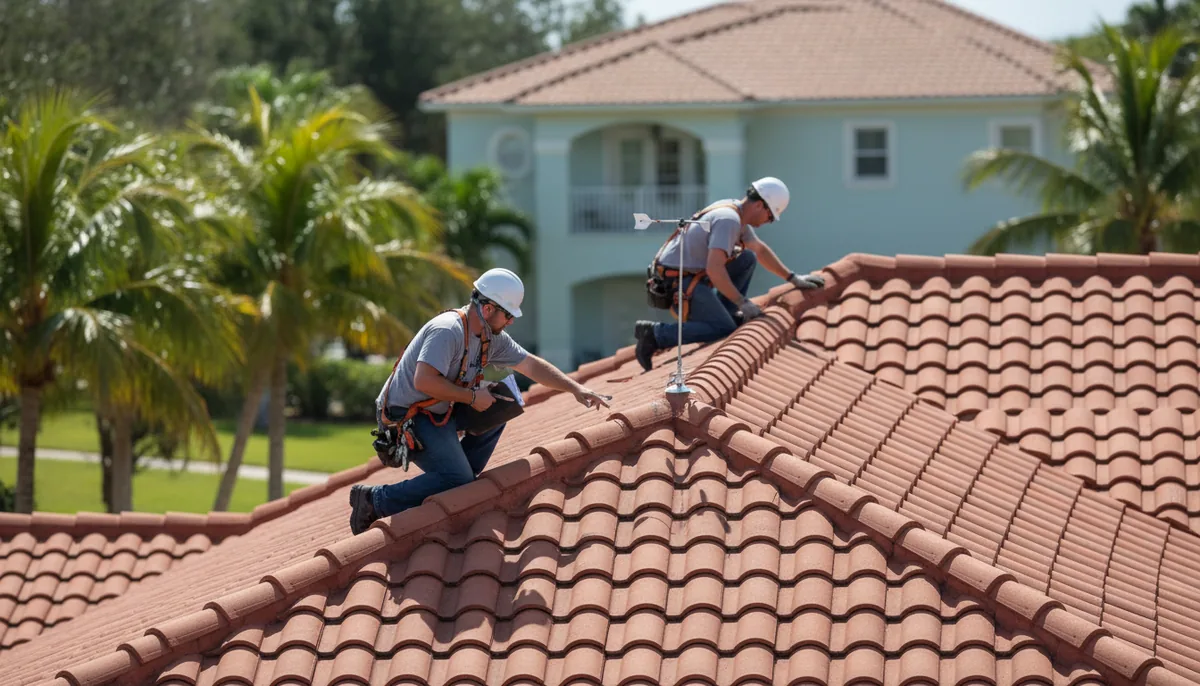
You’re going to hear about these, especially if you’re shopping for a policy or filing a claim. A wind mitigation inspection is a fancy term for a licensed inspector looking at your roof’s construction to see how well it can stand up to a storm. They check the roof covering, how the deck is attached, how the roof meets the walls, the shape of the roof, wether there’s a secondary water barrier, and how your openings are protected. If your house has features that hold up well, Florida insurers are required to offer you a premium discount. The standard form is the OIR-B1-1802.
The inspection typically costs a couple hundred bucks, give or take. Compare that to the annual discount you might get, and it often pays for itself in one season. I’ve seen folks save a fair chunk, but it depends on where you live and who your insurer is. It’s worth doing before you file a hail damage roof claim florida, because it gives you a documented baseline of your roof’s condition. That paperwork can help if the insurer tries to say the damage was old.
The 25% rule is gone (mostly), so don’t let anyone use it against you
You’ve probably heard about the “25% rule.” Before May 2022, if more than a quarter of your roof was damaged, the Florida Building Code said the whole roof had to be brought up to current code. That meant a little hail damage could turn into a full replacement, which was nice for homeowners. But SB 4-D changed things. Now, if your roof was built, repaired, or replaced under the 2007 Florida Building Code or a later one—that’s basically any roof from March 2009 onward—only the part being worked on has to meet current code. A full replacement isn’t automatically triggered.
Now, what does that mean for your claim? Say you’ve got a 2015 roof and hail damages ten squares of shingles. The adjuster might write a check for just that section, not a whole new roof. If you’ve got an older roof—before 2009—that rule might still help you get a full replacement approved. I of a customer who kept asking me why her neighbor got a full roof and she didn’t. Different roofs, different years, different rules. The code is what it is, but it’s worth knowing which side of March 2009 your roof falls on.
Picking a roofer without stepping in it
I’m going to sound like a broken record, but you need to hear it twice: Florida roofing contractors are licensed by the Department of Business and Professional Regulation. A certified contractor has a license starting with CCC, and they can work anywhere in Florida. A registered contractor has a license starting with RC, and it’s only good for the local jurisdiction that issued it. If someone shows up with an RC license and they’re offering to work on your house fifty miles away, that’s a red flag the size of a beach towel.
Always, always check the license is active on the DBPR roll before you sign a contract. And read the contract. I’m not a lawyer, but I can tell you that alot of bad situations start with a signature. There are plenty of good storm damage roofing companies in Florida, but there are also storm chasers who swoop in after a hail event. A legit contractor will walk you through the paperwork, not tack on a section that says you’re required to pay their deductible out of pocket. That’s something Florida law has been cracking down on.
What I would actually do: Before you hire anyone, verify their license number is active on the DBPR roll. Then, when you get the estimate, ask for it in writing with the line items for materials, labor, and permit fees. If they won’t put it in writing, walk away.
Citizens and the state-backed option
I get a lot of calls from people who say, “I can’t find a private insurer, what do I do?” That’s where Citizens Property Insurance Corporation comes in. That’s Florida’s state-backed insurer of last resort. If you’ve been turned down by private companies, Citizens might take you. It’s not the cheapest and the rules are always shifting, but it’s better than nothing. If you have a Citizens policy and you file a hail damage roof claim florida, follow the same rules: document the date of loss and file fast.
The flip side is that Citizens is supposed to be the last resort. They frequently push policies back into the private market when companies decide to take on new business. If you’re in the Coastal area, you might get a letter saying your policy is being “assumed” by a private insurer. Don’t ignore that letter. Read it carefully, because your coverage and your timeline might change.
Your roof, your money, your call
One thing I can’t tell you is exactly what your policy covers, because they’re all different. Read your declarations page. That’s the sheet that spells out your deductibles and coverage limits. Some policies have a seperate, higher deductible just for wind and hail. Some have a “roof payment” provision that pays you actual cash value instead of replacement cost. Know the difference before something happens. You don’t want to be that person finding out at the kitchen table, with a leaky ceiling and a stack of denial letters.
What I would actually do: Get a wind mitigation inspection done once and keep the report with your insurance files. It will tell you what credits you might qualify for and gives you a baseline if a hail storm hits. Then call your agent and ask them to apply the discount to your current policy. If they say they can’t, consider shopping around.
Questions I get asked
Is hail damage covered on my roof?
Most standard homeowners policies cover hail damage, but I won’t swear to yours. Coverage varies by policy. You need to read the “perils insured against” section on your declarations page. If hail is listed, you’re probably okay. If it’s not, call your agent before you assume anything.
How long do I have to report hail damage to my insurer?
Under Florida Statute 627.70132, you have one year from the date of loss for an initial or reopened claim. For a supplemental claim, you have 18 months. Missing these deadlines can kill an otherwise valid claim.
What does a supplement mean on my claim?
It means your roofer found additional damage after the initial adjuster visit, or the scope of work changed. You submit a supplemental claim to the insurer with the new evidence. The timeframe for that is 18 months from the date of loss.
Do I really need a public adjuster?
I’m not one, and I won’t tell you to hire one. But I’ll say this: a public adjuster represents you, not the insurance company. They take a percentage of the settlement. If your claim is large and the insurer is lowballing you, a public adjuster might be worth it. But for a small roof patch, their fee might eat the whole difference.
Can I use the roofer my neighbor used?
Sure, but check their license first. Just because they did a good job on your neighbor’s house doesn’t mean their CCC license is active. And a good roofer will be honest about whether the damage is even worth claiming. I've had roofers tell me, “Ma’am, this is wear and tear, not hail,” and walked away. That’s who you want. Someone looking for a paycheck is the opposite of helpful.