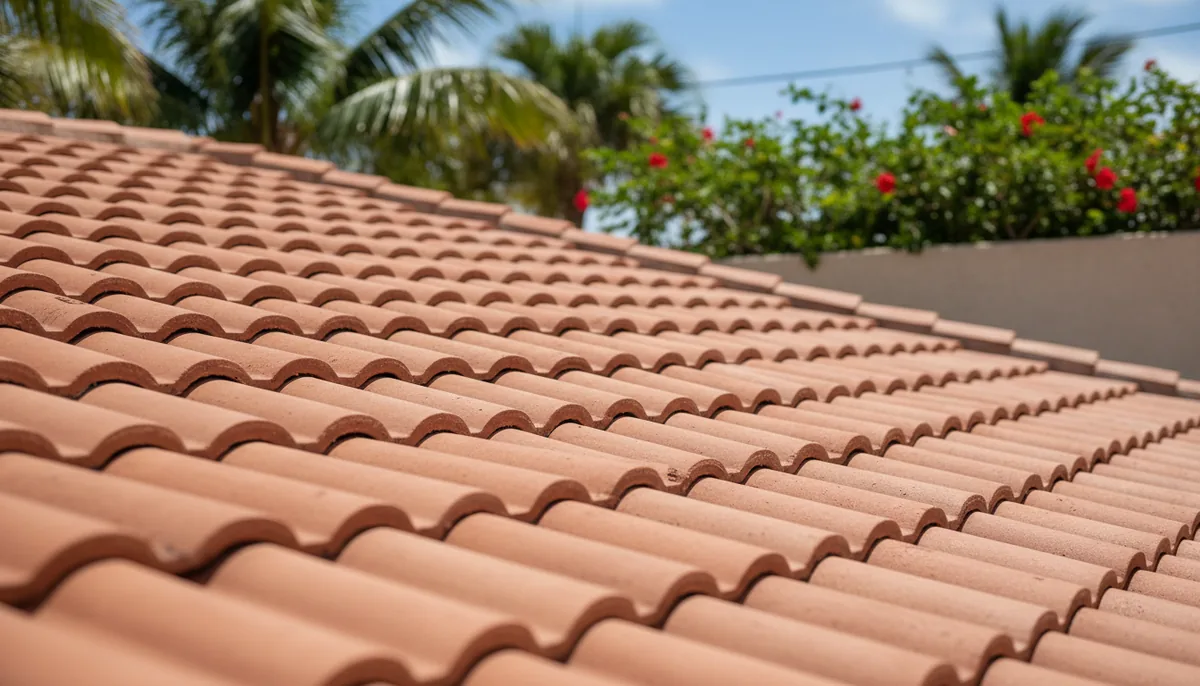
How long does metal roof last in Florida
By Shelly Marchetti, Florida homeowner advocate. Reviewed by Hal Winstead, Editor, licensed roofing contractor. I spent a Tuesday afternoon in Cape Coral staring at a metal roof that was maybe seven years old. The homeowner had called me because their insurer had sent a cancellation letter, and the adjuster's report used words like "corrosion" and "fastener back-out." When I got up on the ladder, the roof was a mess. The panels were fine, but the screws had worked themselves loose, and the rubber washers underneath had baked into brittle little discs. Someone had used the wrong fastener for the substrate, or maybe the right fastener installed by someone in a hurry on a hot afternoon. It was a repair situation, not a replacement, but I had to explain to the homeowner why their "50-year roof" needed work before it's first decade was up. It is the most common phone call I get, so let's talk about what "lifespan" actually means for a metal roof in Florida.
The honest answer is that a well-installed metal roof can outlast the people who buy it. I have seen standing-seam roofs in Key West that were pushing forty years and still shedding water like the day they were put on. I have also seen fifteen-year-old roofs in Orlando that needed to be torn off because somebody installed them over wet decking or used unpainted steel in a salt zone. So when someone asks me how long a metal roof lasts in Florida, I give them the range you see in the marketing — call it 40 to 60 years for good standing-seam with the right finish — then I tell them what actually shortens that clock. You can find a solid list of metal roofing companies in Florida to start your research, but the material is only half the story. The other half is wind, salt, heat, and wether the people who installed it knew what they were doing.
Let's start with the "metal roof Florida" reality check
Florida is not Georgia, and it is definately not Ohio. Your roof lives in a climate that is essentially a saltwater bath with occasional flying debris. The metal panels themselves are usually steel or aluminum. Aluminum does not corrode the way steel does, but it dents and it costs more. Galvanized steel has a zinc coating, and Galvalume has a zinc-aluminum coating, and neither is immortal. The moment that protective coating gets scratched — by a falling branch, by a contractor walking around in the wrong shoes, by a hurricane slamming palm fronds across the surface — the bare steel starts to rust. In a dry climate, that rust would crawl slowly. In Florida humidity, it gets busy.
What this means for lifespan: you are not buying a roof, you are buying a coating system on top of a structural system, and the coating has a finite life. The fancier paints — the PVDF or Kynar-type finishes — hold up better against UV and salt than cheaper polyester paints. I have seen cheap paint chalk off and fade within a decade in South Florida, leaving the metal exposed to the elements. The substrate underneath matters too. If the metal is installed over open purlins with proper ventilation, it breathes. If it is installed over solid plywood decking, whatever moisture gets trapped under there can corrode the underside of the panels, which you cannot even see until it becomes a problem.
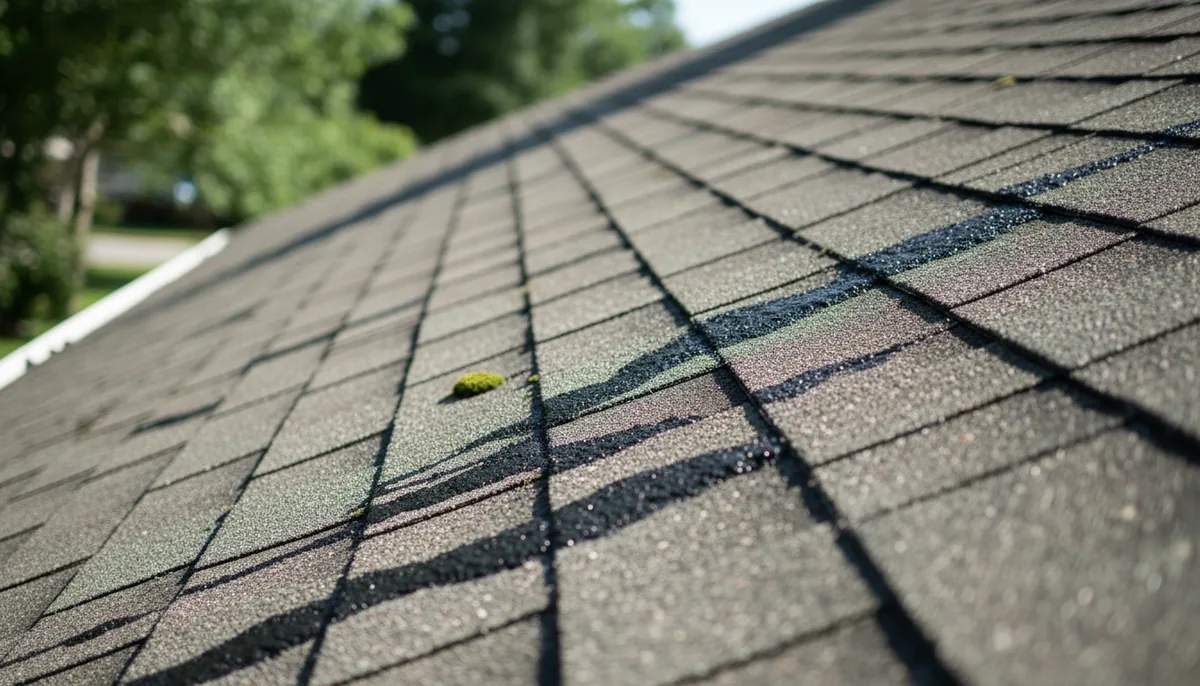
The lifespan of a metal roof in Florida depends on what is under it
Here is where I sound like a broken record with every homeowner who calls. You can buy the most expensive metal panels on the market, but if the wood deck underneath is rotten, or the underlayment was installed wrong, or the attic is not vented, your roof will fail from the inside out. I have been wrong about this before, usually when I assumed a beautiful new metal surface meant a healthy roof structure underneath. Then we pulled a panel and found black sheathing and delaminated plywood.
The actual Florida Building Code — which I am not going to quote numbers from because the code changes and you need to look at your local amendments anyway — has requirements for wind uplift and for how roofs get attached to the structure. A metal roof is only as strong as its connections. The panels can be bulletproof, but if the clips or screws are undersized, or if the strap ties from the roof to the wall are missing, then the whole assembly is just a big sail waiting for the right storm. When I look at a metal roof on an older Florida home, the first thing I do is stick my head in the attic to see how the roof deck is actually fastened to the trusses. If that is wrong, the lifespan is measured in wheather events, not years.
What I would actually do: Before you pay for a new metal roof, pay a licensed structural inspector or a roofer who understands framing to go into the attic and confirm the deck attachment is adequate. The panels are the pretty part. The connections are the part that keeps your house from becoming a convertible.
Seams, screws, and the installers who mess them up
A metal roof in Florida has two basic personalities. There is the exposed-fastener roof, where you can see the screws on every panel, and there is the standing-seam roof, where the panels lock together and the fasteners are hidden. Standing-seam is more forgiving in our climate because there are fewer holes poked through the metal. Every single screw hole in an exposed-fastener roof is a potential leak. When the rubber washer on that screw dries out and cracks — which I have seen happen in under ten years in direct Florida sun — water finds the hole. And because the screw hole goes through the metal, the water then has a path to the decking and, eventually, your ceiling.
I had a customer in Port Charlotte who insisted on exposed fasteners because it was cheaper. Six years later, they had three active leaks, and the roofer who installed it had gone out of business. We ended up replacing every screw with a new one that had a better washer, and I told them to expect to do it again in another eight to ten years. That is maintenance, not failure. You can own an exposed-fastener metal roof in Florida, but you have to treat it like a boat: inspect it constantly, replace fasteners as they age, and stay on top of the sealant. If you want a truly low-maintenance long-life roof, standing-seam is the better bet.
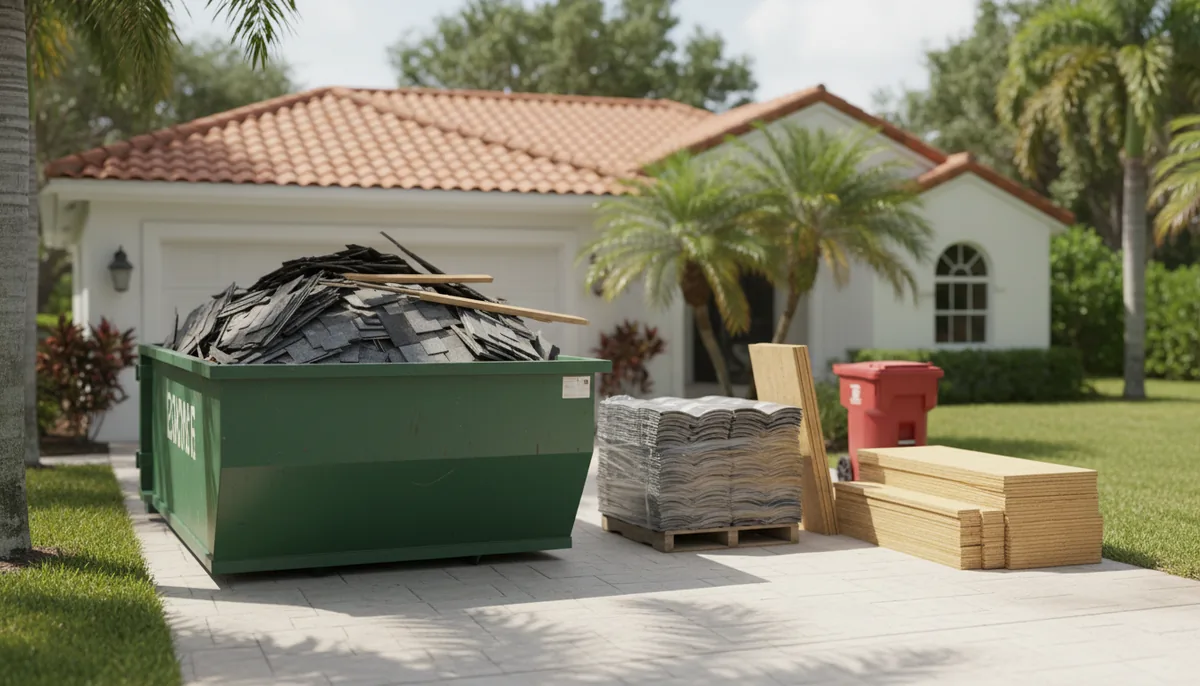
Wind, insurance, and that piece of paper called an OIR-B1-1802
Let me tell you about the wind mitigation inspection, because it matters more to your wallet than the roof material. When an insurer writes a policy on a Florida home, they want to know how your roof is attached to the walls, how the roof deck is attached to the trusses, and whether you have secondary water resistance — that is the layer of tar paper or synthetic underlayment that keeps water out if the shingles or metal panels get ripped off. If your roof has the right features, your insurer is required by state law to offer you a discount. The standard form they use is called the OIR-B1-1802, and a certified wind inspector fills it out after climbing into your attic and measuring things.
Here is why this matters for your metal roof lifespan question. That inspection is the difference between getting a credit on your premium and getting dropped. It is also the document that tells an insurer whether your roof can survive a Category 2 storm or whether it is questionable. I have seen homeowners with brand-new metal roofs fail the wind mitigation inspection because the contractor did not install the correct roof-to-wall connections. The metal was fine. The straps were missing. The insurer did not care about the pretty metal — they cared about the force path from the roof to the foundation. That inspection costs a few hundred dollars, usually far less than the annual discount it unlocks. If you are buying a metal roof, ask your contractor if they are building to the wind mitigation credit standards. If they look at you funny, find another contractor.
What I would actually do: Schedule a wind mitigation inspection before you sign a contract, or at minimum ask the roofer to show you in writing that the roof-to-wall connections and deck attachment will qualify for the credit. The form number is OIR-B1-1802, and any competent roofer in Florida knows what it is.
The storm rules that changed everything after 2022
Florida has had more than its share of insurance chaos, and the state legislature has responded a few times. The most recent big change, SB 4-D (2022), rewrote the rules on roof claims and attorney fees. The practical effect is that insurance companies are more aggressive about denying roof claims, and homeowners have fewer easy paths to sue them. If you have a home insurance policy, you need to read your declarations page and understand your deductible — which for many policies is now a percentage of your home's insured value, not a flat amount. A 2% deductible on a $400,000 home means you pay the first $8,000 if your roof gets damaged. That changes the math on whether you file a claim at all.
There is also Florida Statute 627.70132, which is a fancy way of saying that insurers can require a roof to be inspected before they write a policy, and if your roof has less than a certain amount of life left, they can refuse to cover it or force you to replace it. This is the thing that trips people up. You might have a perfectly functional 20-year-old metal roof that still has 20 years of life in it, but your insurer's underwriting model says it is too old. Citizens Property Insurance Corporation, the state's insurer of last resort, has different rules again, and they often require roofs to meet certain age and condition standards before they will bind a policy. The bottom line is that "how long does a metal roof last" is no longer just a question for your roofer. It is a question for your insurance agent too, because the insurer gets a vote on whether your roof is acceptable.
Questions I get asked
Does a metal roof make my house hotter in Florida?
No, not if it is installed with a proper air gap and radiant barrier underneath. Metal roofs actually reflect alot of solar heat. The issue is when installers lay metal directly over solid decking with no ventilation channel. You need that air gap so heat can escape. Ask your roofer about the venting before you sign anything.
Can I walk on a metal roof to clean my gutters?
You can, but you should not. Standing-seam metal panels can dent if you step in the wrong spot, especially in Florida heat when the metal is softer. Use a ladder to reach gutters from the edge, or hire someone who has the right walk boards. Do not be the person who spends $30,000 on a roof and then dents it with your boots.
Will a metal roof survive a Category 5 hurricane?
Maybe, but the roof is one part of a system. I have seen metal roofs that survived the wind, but the soffit got blown off, and then rain poured into the attic through the gaps. The roof covering is not the whole story. The whole envelope matters. A well-installed metal roof with the right fastening schedule has a fighting chance, but the windows, garage door, and soffit all have to be up to code too.
What about the "My Safe Florida Home" program?
That is a state program that offers free wind inspections and matching grants for certain hurricane-hardening improvements. It is worth applying for, but funding comes and goes. If you get approved, you can use the grant money to offset the cost of roof upgrades. It is not a full payoff, and the requirements change. Apply early, and do not assume you will get funded in the current cycle.
How do I know a roofer is actually licensed?
Do not take their word for it and do not trust their business card. Go to the DBPR roll and look up their license number. A Certified roofing contractor has a license that starts with CCC and can work anywhere in Florida. A Registered roofing contractor starts with RC and can only work in the local jurisdiction that issued it. Verify it is active, not just issued. If they cannot give you a license number, that is your answer.
Is the metal roof lifespan really 50 years?
That is the optimistic marketing number. In practice, I tell people to expect a good standing-seam metal roof to last 30 to 40 years in Florida if the finish is quality and the installation is done right. Exposed fastener roofs are more like 15 to 25 years before the fasteners start causing problems. Some roofs last longer, some shorter. It depends on the quality of the metal, the skill of the installer, and how close you are to the salt air. Drive along any coastal road and look at the rusty metal roofs. That is the other possible outcome.
Do I need a permit to replace my roof in Florida?
Yes, a roof replacement requires a permit from your local building department, and an inspection by the local building official. That is not optional. If a contractor offers to skip the permit — run. An unpermitted roof will haunt you when you sell the house or file an insurance claim. The inspector is not your enemy. They are the person who makes sure the contractor actually did what they said they would do.
The last thing I will tell you is this. A roof in Florida is not a set-it-and-forget-it purchase. Metal is an excellent choice, arguably the best choice we have for our weather. But metal is a material, not a magic shield. It needs the right substrate, the right fasteners, the right flashing details, and the right inspections. The homeowners who get the longest life out of a metal roof are the ones who treat it like an asset they have to manage, not a trophy they can ignore until the sky falls. And in Florida, the sky does fall, usually in September. So verify your roofer's DBPR licence on the state roll, pull the permits, schedule the wind mitigation inspection, and read your insurance policy like it is a contract — because it is. A metal roof in Florida can last a long time. It just needs some help getting there.