How often should a roof be replaced in Florida: The Florida Guide
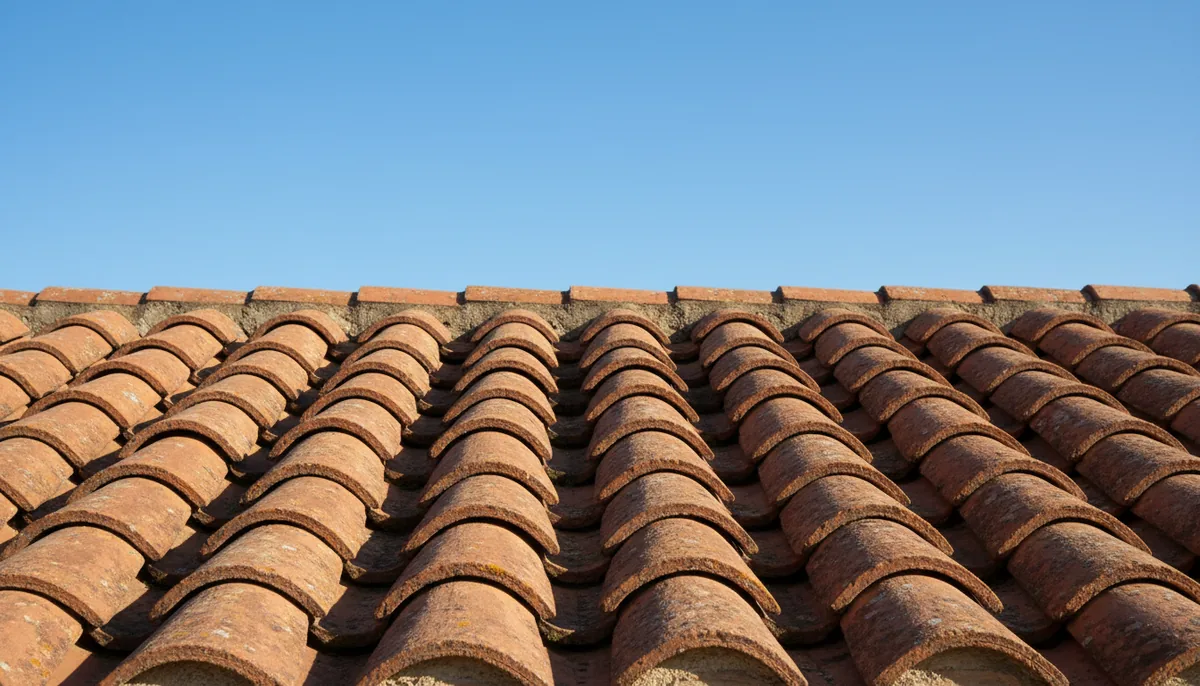
By Dale Prescott, Roofing contractor, Central Florida. Reviewed by Hal Winstead, Editor, licensed roofing contractor. You ever stand on a roof and just know your day is about to get longer? That was me last August over in Winter Park, on a low-pitch barrel tile job. Customer wanted me to fix a leak where a valley had opened up. Sounded simple. Then I lifted one tile, and the paper under it was nothing but brown dust. Snapped in my fingers. The whole slope was like that—rotted sheathing, brittle tar paper, and hail dents in the tile that had never been replaced. That roof wasn't leaking because of one bad spot. That roof was leaking because it was twenty-two years old and had simply reached the end of the road. The answer to "how often should a roof be replaced in Florida" isn't a single number, but if you're hunting for one, start at fifteen years. Give or take.
I know nobody likes that answer. You want a solid year, something you can put in a budget spreadsheet. Unfortunately, the roof doesn't care about your spreadsheet. It cares about the sun, the salt, the pine needles, and the occasional cannonball of hail that comes down sideways. I've been at this for twenty-two years between Orlando and the coast, and I've torn off more storm-damaged roofs than I care to count. If you've got a bad one and you know it, getting ahead of the problem is the cheapest thing you'll ever do. If you're shopping around, start by checking the roof replacement companies in Florida directory to find someone who actually holds a current licence.
Before we get into the dirt and the code talk, let me tell you one thing straight. I've seen a hundred roofs that looked fine from the street and were mush under the feet. And I've seen shingle roofs that were ugly as sin and still had five years left because they were installed over good decking with proper ventilation. Age is a starting point. It is not the whole story. Here is how I actually think about it.
How often should a roof be replaced in Florida?
If you need a number, here it is: fifteen years for shingle and tile, give or take a few in either direction. Flat roofs and low-slope roofs, sometimes ten to twelve. Metal roofs, if they're done right, can push thirty or forty, but that's a different animal and a different budget. The reason Florida is harder on roofs than most places is the sun. It's not the rain that kills your roof—it's the UV beating down on it for a decade, making the shingles brittle and the sealant crack. Then the rain finds it's way in through all those little cracks.
Now, I have been wrong about this before. I've looked at a roof and told a homeowner it had two good years left, and it leaked the next week. And I've said a roof was shot, and the homeowner found a way to patch it and got another four years out of it. You play the odds. You look at the age, the material, the installation, and the ventilation. And you look at the decking from underneath if you can get into the attic. That tells you more than the shingles will.
What actually kills a roof here
Up north, they replace roofs because of snow and ice. Down here, it's a different story. Let me break it down.
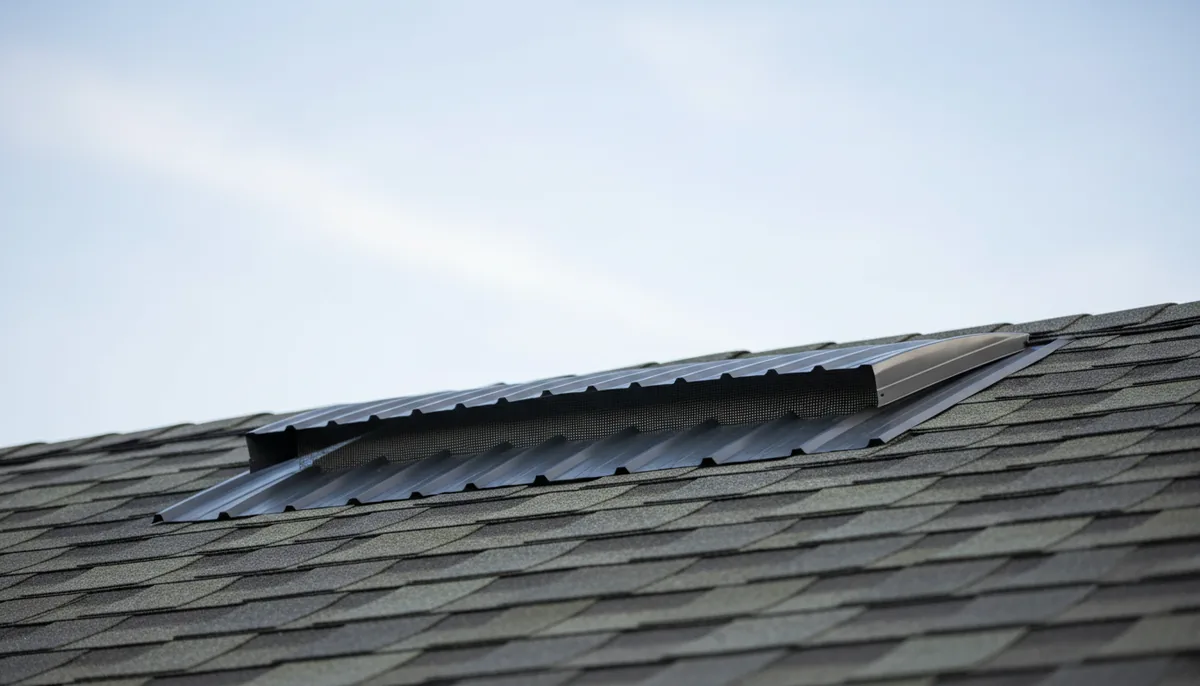
First, the sun. I said it already, but it deserves repeating. A shingle roof in Florida lives in a state of constant oven-bake. On a black shingle roof on a day we call "mild"—say, ninety-five degrees—the surface temperature can hit a hundred and sixty. That cooks the asphalt.
Second, the wind. Not the daily breeze, but the storm. A roof built to code with proper nailing can handle alot. A roof built by the cheapest bidder with staples instead of nails, or nails that missed the trusses entirely, will lose shingles in a tropical storm. And once one shingle goes, the one under it catches the wind, and it starts peeling back like a banana. We call that "wind uplift."
Third, the water intrusion from the edges. This is the sneaky one. Water gets under the shingles at the rake or the eave during a heavy rain. It soaks the decking and the rafters, and it works its way up the slope. You won't see it from the ground. You'll smell it in the attic. By then, you're often looking at replacing not just the roof covering, but the wood under it.
The 25% rule changed, and you should know how
This is where I get a lot of questions that start with "but I heard." The old rule in the Florida Building Code was that if you repaired or replaced more than 25% of your roof in any twelve-month period, you had to bring the whole roof up to current code. That triggered a lot of full replacements that people didn't budget for. Call it the 25% rule. Folks still talk about it like it's written in stone.
Then SB 4-D (2022) came along, effective the end of May that year. Under the new law, if your roof was built, repaired, or replaced under the 2007 Florida Building Code or anything later, then only the section you're working on needs to meet current code. That means a full roof replacement is no longer automatically triggered just because the repair is larger than a quarter of the roof. The catch is timing. The 2007 code took effect on the first of March in 2009. So roofs completed before that date generally don't qualify for the easier rule. They're stuck with the older, stricter interpretation.
What this means for you is simple. If you have an older roof and a storm damages a big section of it, you might be looking at a full replacement where your neighbor with a newer roof wouldn't be. That's not an insurance conspiracy. That's just the law changing based on when your roof was built. Don't shoot the messenger.
What I would actually do: Get a local roofer out to look and give you a written report, not just a sales pitch. Ask them to note the age of the roof and whether they think the repair will trigger a full tear-off under the local building official's eye. Then call your insurer before you sign anything. The roofer can't tell you what your policy covers. That's on you to read.
Don't skip the permit. Ever.
I know a permit sounds like a hassle and an extra fee. I also know that every contractor who wants to pull a fast one starts with "you don't need a permit for this." That's a lie. In Florida, a roof replacement requires a permit pulled from your local building department, and it requires an inspection when the work is done. A contractor who offers to skip that is a contractor you should walk away from. I mean it.
Why care? Two reasons. First, if your roof leaks after an unpermitted replacement and the decking is rotten, the county isn't going to help you. The contractor can just vanish because they never put their name on anything official. Second, an unpermitted roof can complicate an insurance claim after the next storm, and it can complicate a home sale when the buyer's inspector sees there's no permit on file. I've seen a sale fall through over that. It wasn't even a bad roof. The paperwork was just missing.
You can verify a licence against the DBPR roll before you hire. Florida roofing contractors are licensed by the Department of Business and Professional Regulation. A certified roofing contractor has a licence begining with the letters CCC and can work anywhere in the state. A registered contractor has an RC prefix and is limited to the local jurisdiction that licensed them. Either can be fine, but check that the number is active. It's free. It takes two minutes. Do it.
What I would actually do: Call the local building department yourself and ask if they've pulled a permit for your address. If they say no, ask why not. If the job is already done, don't panic. An inspector might be able to do what we call a "repair permit" or an "after-the-fact" inspection, but it's way cheaper and easier to do it the right way first.
A wind mitigation inspection pays for itself
Here's a Florida tip that most contractors won't tell you because it doesn't make them money. You can pay for a wind mitigation inspection, and it can lower your insurance premium. The standard form is OIR-B1-1802. It documents six things: the roof covering, the roof deck attachment, the roof-to-wall connection, the roof geometry, the secondary water resistance, and the opening protection around windows and doors.
Florida insurers are required to offer premium discounts for qualifying features. The inspection typically costs far less than the annual discount it unlocks. Take the savings year after year, and it pays for itself quickly. I'm not an insurance agent, so I won't pretend to tell you exactly what your policy will do. You have to read your declarations page and ask. But I've had customers hand me the inspection form and ask if their roof qualifies. Usually, if the roof is newer and has the right clips and nails, it does.
You can also look into the My Safe Florida Home program, which can help with certain hardening improvements, but that's a seperate conversation and the funding gets allocated. The wind mitigation inspection is about rewarding what you already have.
Questions I get asked
Should I replace my roof before selling my house?
Depends what the buyer's inspector finds. A roof that's clearly shot will show up in the inspection, and the buyer will ask for a credit or a replacement. Handling it yourself means you control the contractor and the quality. But if the roof has a year or two left, you might be better off offering a credit and letting the buyer deal with it. There's no right answer.
What if the insurance company says my roof is too old?
That's their call and it varies by policy. Some insurers won't write a new policy on a roof older than fifteen years. Others will. Read your declarations page and ask your agent. If they won't cover you, a new roof is often the solution, but don't sign a contract just on an insurance threat. Get a roofer's confirmation that the roof is actually at the end of its life.
How long does a roof replacement take?
A typical residential tear-off and re-roof takes one to three days for shingles. Tile can take a little longer, and flat roofs depend on whether the old layers need to be ground off. The weather is usually the bottleneck.
Can I just put a second layer of shingles over the old ones?
Occasionaly, and then you'll hate yourself. A second layer hides problems underneath. You don't know if the decking is rotten until the whole thing starts sagging. We strip to the wood almost every time. It's the honest way to do it.
Do I need to be home for the inspection after the roof is done?
No. You just need to make sure the permit is closed. The inspector will check the flashing and the penetration details. If they fail it, the contractor fixes it and calls them back.
What does a roof replacement cost in Florida?
I can't give you a number that means anything because it's priced per square—that's a ten-foot by ten-foot area—and it depends on pitch, access, and what is under there when we start. Get three quotes, ask for the square footage in the estimate, and check the DBPR roll before you let anyone up a ladder.